


























In the ever-expanding landscape of reality television, a genre once defined by interpersonal drama and brutal eliminations, a quieter trend is emerging. LEGO Masters Jr. presents itself as the latest entry in this movement, a youth-centered spin-off that recalibrates the competition format for a new sensibility. The show’s premise is straightforward: five teams of builders, ages eight to fourteen, compete for a $50,000 prize by completing ambitious, themed LEGO projects.
Presiding over this plastic arena is host Kelly Osbourne, whose presence is more whimsical ringmaster than stern taskmaster. She is joined by “Brick Master” judges Amy Corbett, a veteran of the main series, and Boone Langston, a former contestant whose participation offers a potent symbol of the builder’s journey.
Each episode tasks these young artisans with a time-limited challenge, pushing them to transform thousands of small bricks into thousands of small bricks into large, often kinetic, displays of storytelling and engineering. The result is a program that rethinks the very foundation of competitive entertainment.
Flipping the Mentorship Script
The show’s most telling innovation lies in its treatment of expertise and age. The young contestants are positioned as the undisputed authorities in the room, their passion for building matched by a startling level of technical skill. They are the competition’s creative engines, a diverse cast of bright minds that reflects a more inclusive and accurate picture of today’s youth hobbyists.

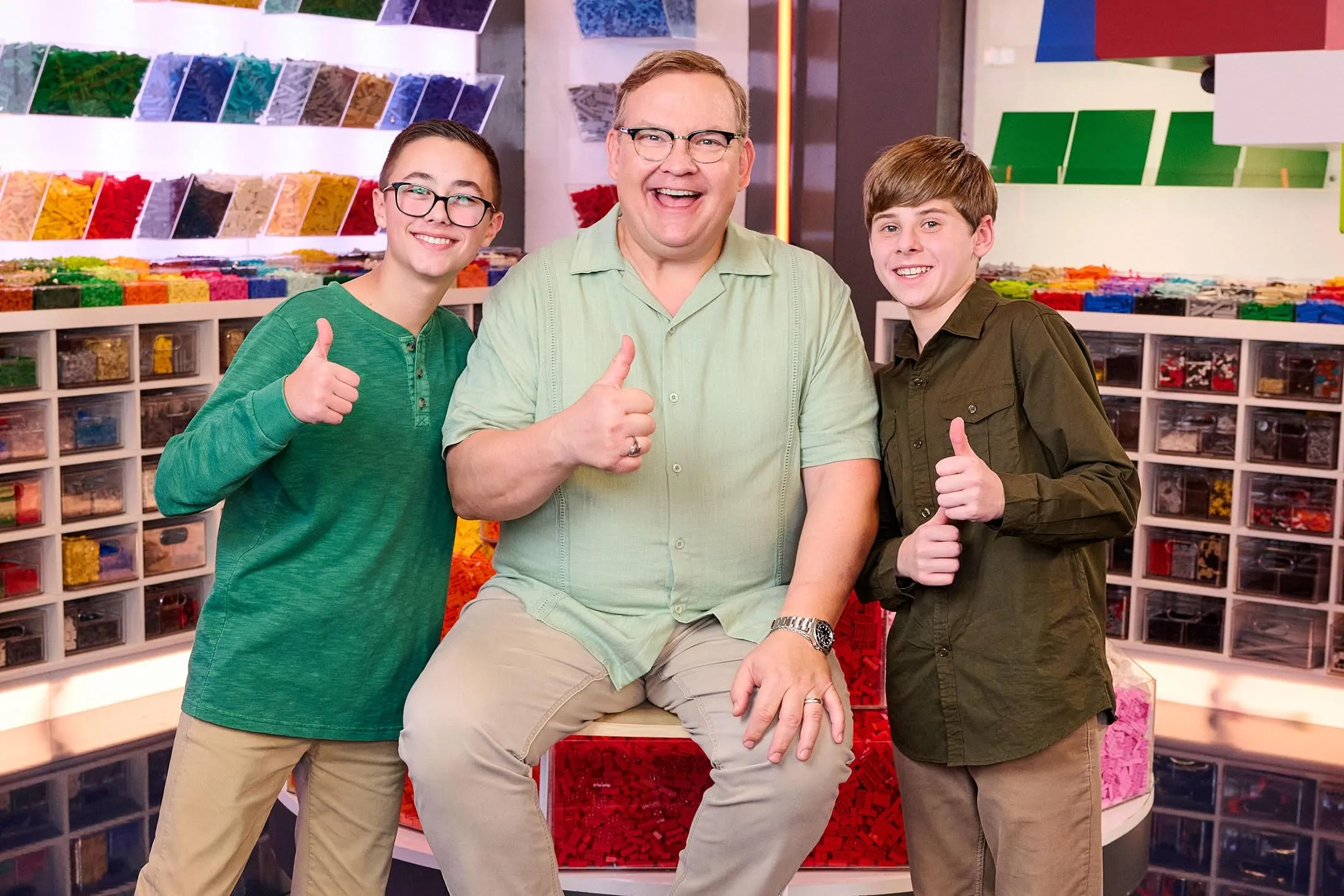
This careful casting is the first indication of the show’s modern approach. The series then introduces its structural twist: each team is paired with a celebrity helper, an adult partner like Andy Richter or Jordin Sparks who remains with them for the duration of their run. These famous faces are not mentors; they are apprentices. Their primary function is to provide assistance, encouragement, and a buffer against the pressures of primetime television performance.
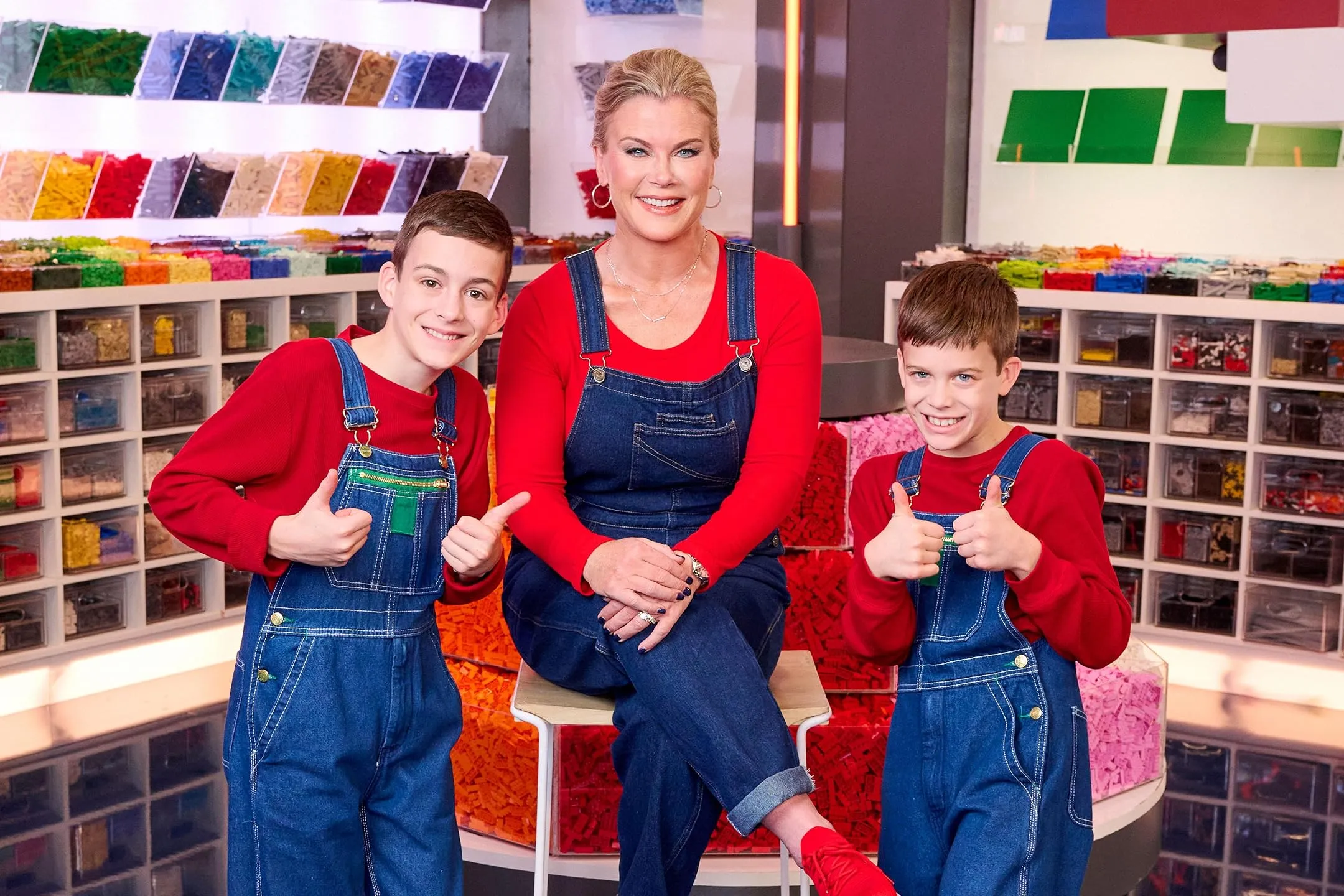
This calculated reversal of the typical adult-child dynamic is significant. It presents a world where youthful mastery is centered and respected, forcing seasoned entertainers to become humble students. We see comedians like Ravi Patel and actors like Alison Sweeney taking direct orders from ten-year-olds, a visual representation of a wider cultural shift.
In an age where specialized knowledge is often cultivated in online communities and digital spaces, the show acknowledges that authority is no longer solely the domain of adults. The child who has spent thousands of hours perfecting a craft is the true expert, and the celebrity is the novice. This dynamic creates a heartwarming and funny environment. It also serves as a quiet commentary on shifting intergenerational roles and the industry’s growing awareness of its responsibility toward young performers.
By embedding a dedicated adult helper with each team, the production design cleverly mitigates the ethical pitfalls of placing children in a high-stress competitive environment. The celebrity becomes a guardian of sorts, ensuring the “play” element is never fully eclipsed by the “labor” of television production. The show thus models a more responsible way to create reality content with minors, a template other programs would be wise to study.
Building Inside the Magic Kingdom
The creative tasks presented to the contestants are impressive in scale, though thoughtfully contained by production realities. Build times are shorter than in the adult version, a necessary concession to labor laws that also shapes the show’s brisk narrative pacing. The premiere challenge offers a perfect case study in modern television’s synergy.
The teams are assigned sections of a motorized “Disney train ride,” each tasked with depicting an iconic character duo. This prompt channels the builders’ immense talent toward celebrating the intellectual property of a global media titan. It is a moment of frictionless corporate harmony, a creative brief that benefits the network and its parent company.
While the resulting creations are spectacular, the framework itself is telling. It highlights a trend where youthful creativity is nurtured within the confines of established corporate universes. The show becomes a platform for both personal expression and brand reinforcement.
The builds themselves, however, transcend their commercial origins. They are miniature narrative worlds, constructed with purpose and detail. The team tackling Toy Story earns critique for their large grey pillars, yet they successfully capture the disorienting scale of household items from a toy’s perspective.
Another team’s depiction of Arendelle from Frozen is praised for its sheer size and its centerpiece, a massive, rotating snowflake that demonstrates a command of mechanical function. These moments show the contestants thinking like artists and engineers, using form, color, and motion to tell a story. The Peter Pan build convincingly captures the key features of Neverland, showing an understanding of visual iconography.
The pressure of the seven-hour clock forces quick decisions, making the final products acts of instinct as much as planning. This accelerated timeline, edited for broadcast, presents a hyper-stylized version of the creative process, one that aligns with the rapid pace of digital content consumption. The show gives its audience a condensed, satisfying glimpse into the act of making, turning a complex process into an accessible and compelling story.
An Architecture of Positivity
The entire production of LEGO Masters Jr. is built upon a foundation of constructive support. This “architecture of positivity” is a deliberate choice, reflecting a cultural desire for media that feels restorative instead of draining. Kelly Osbourne’s hosting style is playful and affirming, ensuring the children feel celebrated for their efforts. Her connection with the contestants appears genuine, which is a vital element for the show’s success.
The feedback from judges Amy Corbett and Boone Langston is consistently framed to be encouraging, focusing on what works while gently guiding the builders toward improvement. Their critiques are diagnostic, not destructive.
The composition of the judging panel itself is a piece of masterful branding. Corbett, a LEGO designer, represents the official, corporate path to success. Langston, the fan-turned-pro, represents the aspirational dream that the company sells. Together, they form a complete picture of the LEGO ecosystem.
This relentlessly upbeat atmosphere creates an environment of pure joy and creative exploration, deliberately avoiding the manufactured conflict that has long been a staple of the genre. The show is a safe harbor in a turbulent media sea. It suggests an audience appetite for programming that affirms talent without resorting to humiliation, making a case that the future of family-friendly television might be a kinder, more celebratory space.
This model is not just an ethical choice; it is a shrewd business decision. In a fragmented market with endless options, creating a show that families can watch together without reservation is a powerful strategy.
By stripping away the cynicism and abrasive personalities that defined an earlier era of reality TV, LEGO Masters Jr. offers a potential blueprint for the future of the format. It bets that in today’s world, a spectacle of collaboration, skill, and genuine fun is a more valuable commodity than a spectacle of conflict.
LEGO Masters Jr. is a spin-off of the popular LEGO Masters reality competition series. It premiered in the United States on Monday, August 18, 2025, at 8 p.m. ET/PT on FOX. New episodes are available to stream the next day on Hulu.
Full Credits
Producers and Executive Producers: Michael Heyerman, Sharon Levy, Brad Pitt, Robert May, Steph Harris, Karen Smith, Pip Wells, Dede Gardner, Jeremy Kleiner, Jill Wilfert
Cast: Kelly Osbourne, Amy Corbett, Boone Langston, Andy Richter, Jordin Sparks, Ravi Patel, Alison Sweeney, Porsha Williams, Srdjan Spasojevic, Jelena Gavrilovic, Sergej Trifunovic, Slobodan Bestic
The Review
LEGO Masters Jr.
LEGO Masters Jr. is a refreshing and thoughtfully constructed competition show that swaps cynical drama for genuine celebration. It is a case study in the future of family entertainment, championing youth expertise and collaborative joy. While operating comfortably within the bounds of corporate synergy, its positive structure and responsible handling of its young contestants make it a standout. It offers a hopeful blueprint for a kinder, more intelligent kind of reality television.
PROS
- Rejects manufactured drama for genuine encouragement.
- Centers children as the experts, reversing typical adult-child roles.
- The "celebrity-as-apprentice" model is a fresh and responsible choice.
- Engaging and appropriate for viewers of all ages.
CONS
- Challenges often feel like extended commercials for major brands like Disney.
- The consistent positivity may lack the high stakes or surprise of other competitions.
- Brand-focused themes can sometimes limit the scope of the builders' imaginations.