


























Cinema has long been fascinated with the fragility of the human mind, exploring how memory shapes our identity. This concept is central to many storytelling traditions, from the existential dramas of European arthouse to the intricate psychological puzzles found in modern Indian web series. Affection takes this fascination and injects it with a potent dose of body horror.
The film plunges its protagonist, Ellie, into a waking nightmare where the very fabric of her reality has been torn. She finds herself in a strange house with a man claiming to be her husband and a child who believes she is her mother.
The explanation offered is a rare neurological disorder following an accident, a plausible diagnosis that wars against her own powerful sense of wrongness. Director BT Meza uses this premise to build a claustrophobic thriller fueled by paranoia, placing the audience squarely within Ellie’s disoriented perspective, a journey navigated entirely through Jessica Rothe’s commanding performance.
An Isolated Trinity of Performances
The film’s power resides in its focused, three-character dynamic, a setup that recalls the intense, character-driven studies of Indian parallel cinema where external action is secondary to internal conflict. Jessica Rothe’s portrayal of Ellie is the film’s undeniable core. It is a raw, physical performance, marked by twitches and shivers that communicate her body’s rejection of its supposed reality.
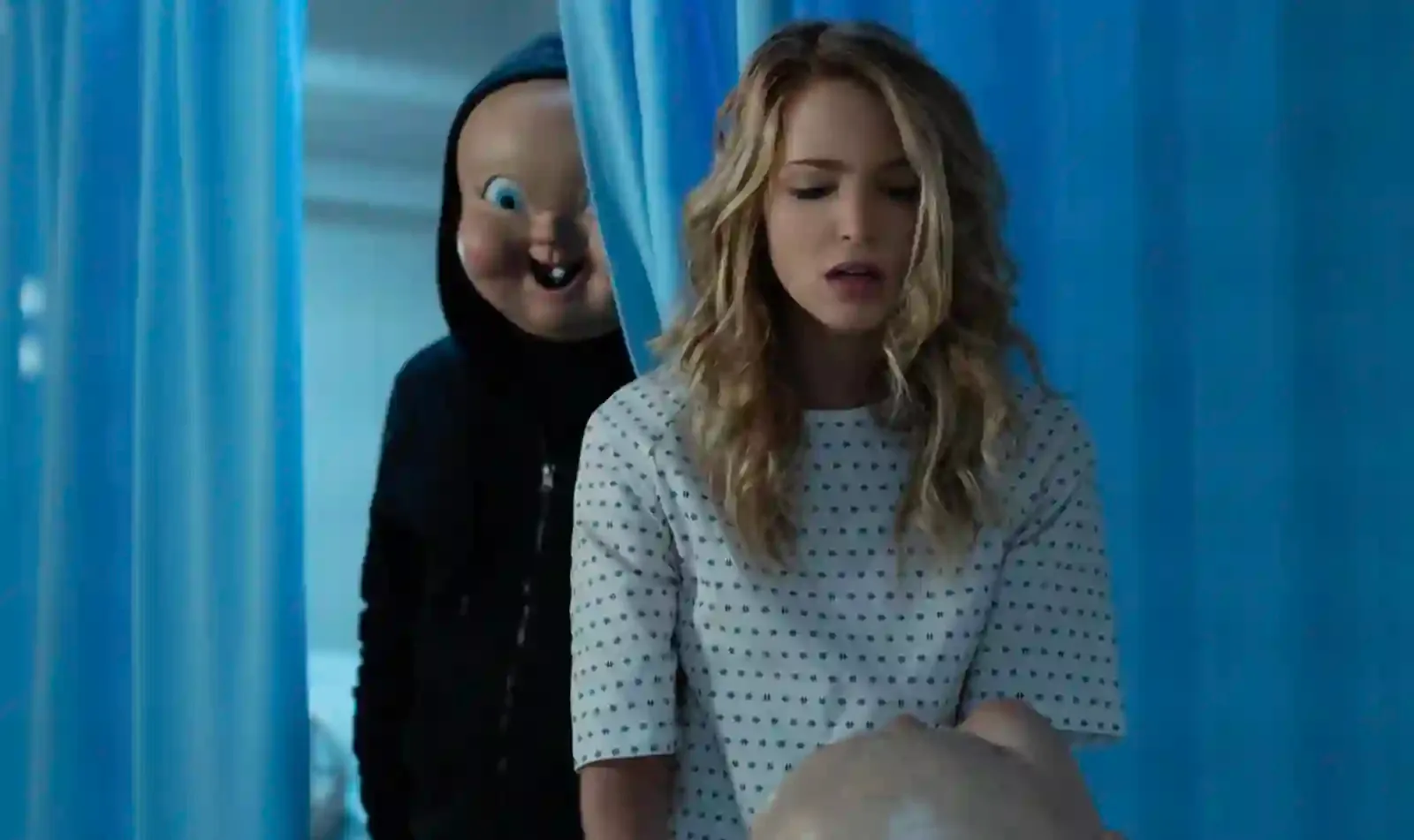
She moves beyond the quippy resilience of her previous horror roles to find a deeper well of terror and strength, making her character’s plight feel immediate and harrowing. Her performance anchors the audience’s empathy completely. Playing opposite her is Joseph Cross as Bruce, the husband. He masterfully maintains a delicate balance, his soft-spoken demeanor appearing either as profound love or as a form of unsettling control.
This ambiguity keeps the viewer constantly questioning his motives, making him a fascinatingly enigmatic figure whose true nature becomes clearer as the story evolves. Rounding out the cast is Julianna Layne as the daughter, Alice. She avoids the pitfalls of child acting, delivering a performance of genuine innocence and vulnerability. Her simple desire for a normal family life adds a layer of emotional tragedy to the unfolding events, raising the stakes considerably. The tense interplay within this isolated family unit is what gives the film its potent, suffocating atmosphere.
A Narrative of Shifting Forms
BT Meza’s direction demonstrates a patient confidence, particularly in the film’s first half. He employs a deliberate, slow-burn pace, using tight framing and a muted soundscape to amplify Ellie’s sense of entrapment and paranoia. This methodical build-up feels akin to the atmospheric dread found in some contemporary global horror, which prioritizes mood over jump scares.

The film’s most audacious move is its narrative structure. Instead of withholding its central secret until the finale, Affection reveals its big twist around the midway point. This choice fundamentally alters the film’s trajectory, transforming it from a psychological mystery into a desperate story of survival against a known threat. The second act is energized by this shift, forcing the audience to grapple with the shocking implications of the truth alongside Ellie. This structure also facilitates a bold blending of genres.
The film begins as a domestic thriller but gradually incorporates elements of speculative science fiction, which then give way to graphic body horror. The practical effects used in these sequences are visceral and grotesque, recalling the biological nightmares of David Cronenberg’s cinema, where flesh and technology merge in horrifying ways.
This embrace of corporeal horror is a very Western sensibility. While the film’s concept is strong, its script occasionally stumbles. The exposition explaining the core sci-fi mechanics feels protracted, and certain plot points, particularly concerning Bruce’s backstory, remain underdeveloped, leaving some frustrating questions unanswered.
Thematic Scars and Lingering Questions
Beneath the sci-fi horror surface, Affection engages with complex ideas about identity, memory, and the powerful human impulse to rewrite the past. The film’s central conflict can be read as a dark metaphor for grief, exploring the destructive lengths one might go to in order to reverse a loss.
This theme of being trapped by personal history is a universal one, frequently explored in family dramas from various cultures, but Affection filters it through a uniquely disturbing, technological lens. The film’s ending is perhaps its most divisive element. It is abrupt, ambiguous, and refuses to provide a clean resolution for its characters. This choice avoids a simple catharsis, instead leaving the viewer with a lingering sense of unease.
Such an open-ended conclusion is characteristic of festival-circuit horror, which often challenges audiences to sit with discomfort rather than offering neat solutions. As a debut feature, Affection is a testament to an ambitious vision. It is a conceptually bold piece of cinema that, while not flawlessly executed, stands out for its audacious ideas, its willingness to shift forms, and a truly powerful lead performance. It is a challenging film that prioritizes its unsettling artistic statement over commercial palatability.
Affection is a 2025 science-fiction horror thriller film that premiered at Screamfest LA on October 7, 2025, and also screened at the Brooklyn Horror Film Festival. The story, written and directed by BT Meza, centers on Ellie (Jessica Rothe), a woman who wakes up to a life she doesn’t recognize—including a husband (Joseph Cross) and daughter (Julianna Layne)—due to a recurring condition that erratically resets her memory. As she grapples with the disorientation and haunting recollections of an unfamiliar life, she must uncover the truth behind her affliction. As a new release, it primarily circulated through the film festival circuit as of October 2025, and broad distribution or streaming availability details would typically follow its festival run.
Full Credits
Director: BT Meza
Writers: BT Meza
Producers and Executive Producers: Bay Dariz, BT Meza, Austin Walk, JP Ouellette, Christian Henderson, Christy Walker
Cast: Jessica Rothe, Joseph Cross, Julianna Layne
Director of Photography (Cinematographer): Jason Hafer
Editors: David Gallegos
Composer: Daniel Berk
The Review
Affection
An ambitious and conceptually unsettling film, Affection is elevated by a commanding and raw performance from Jessica Rothe. While its deliberate pacing and underdeveloped script may frustrate some, its bold mid-movie pivot into visceral body horror and its chilling exploration of identity and grief make for a memorable, if imperfect, piece of challenging genre cinema. It is a haunting debut that lingers long after its perplexing conclusion.
PROS
- A powerful and physically committed lead performance from Jessica Rothe.
- An original and thought-provoking science-fiction concept.
- Effectively builds a tense, claustrophobic atmosphere.
- Bold genre-blending that incorporates effective body horror.
CONS
- The slow-burn pacing of the first half may not appeal to all viewers.
- The script leaves some character motivations and plot threads underdeveloped.
- Its ambiguous ending may feel unsatisfying.
- The exposition explaining the central premise can feel a bit drawn out.