




















There was a moment, not long ago, when the British television industry decided to solve its diversity problem. Memos were circulated. Initiatives were launched. A great, self-congratulatory sigh of relief was exhaled in commissioning offices from London to Manchester. The second season of Dreaming Whilst Black lives in the awkward, frequently absurd hangover of that moment. It posits that the door was indeed opened a crack, but only to reveal a strange, badly lit room full of executives holding checklists.
We return to Kwabena, Adjani Salmon’s perpetually exasperated filmmaker, to find him technically succeeding. He has an agent. He gets meetings. The industry that once ignored him now knows his name. Yet this new proximity to power feels more like a trap than a victory. The series brilliantly reframes the struggle from one of access to one of integrity. It’s no longer about getting a seat at the table; it’s about what you’re forced to eat once you sit down.
His personal life is a mirror of this professional limbo. The long-distance relationship that grounded him has dissolved, leaving him untethered in a city that offers opportunities that look suspiciously like insults. The season is a sharp, often painfully funny examination of the bill that comes due after the revolution is televised, asking what happens when a system doesn’t change its values, it just changes its casting briefs.
Satire in a Cold Climate
The show’s weapon of choice is a scalpel-sharp satire aimed directly at the heart of televisual tokenism. Kwabena’s journey through the creative industries is a masterclass in comedic frustration, a parade of pitches so tone-deaf they achieve a kind of surrealist poetry. We see him offered projects like “Grime and Punishment” and the sci-fi spectacle “Mandem in Space,” titles that feel less like parody and more like minutes from a genuine development meeting.
The comedy in these scenes, directed with an eye for excruciating silences, comes from Kwabena’s strained poker face as he sits opposite executives radiating a fatal combination of cluelessness and unearned confidence. Adjani Salmon’s performance is a study in micro-expressions; a slight twitch of the eye or a barely suppressed sigh speaks volumes about the psychic toll of being the designated diverse voice in a room. The central conflict is articulated with brutal clarity by his Uncle Claude, who questions the market price of integrity. Can you afford principles when rent is due?
This dilemma crystallises when Kwabena lands a directing gig on a lavish period drama, “Sin and Subterfuge.” What should be his big break devolves into a nightmare of compromise. He must manage an egregiously under-qualified influencer cast as the lead, a decision justified through the baffling logic of “colourblind casting” that seems to apply only when it creates the most chaotic outcome. He is constantly undermined, his notes ignored, his authority questioned.
The series’ portrayal of some white characters as one-dimensional caricatures is a pointed artistic choice. It turns the tables, using broad strokes to comment on decades of British television where Black characters were treated as props or stereotypes. It’s a structurally audacious move that forces a segment of the audience to experience the kind of flat representation that has long been the norm for others.
The World Outside the Writers’ Room
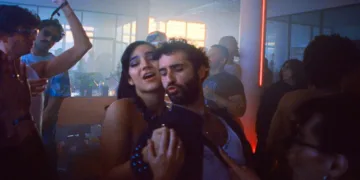
While its industry satire is immaculate, the show finds its soul in the moments far away from any film set. This season carves out significant space for its ensemble, building a rich, lived-in world that gives Kwabena’s professional struggles a tangible context. His friends Maurice and Fummi are caught in the uniquely middle-class London panic of school admissions, a subplot that uses their frantic attempts to secure a place for their child to explore anxieties about class, aspiration, and providing a better future.
Their story is a grounded counterpoint to Kwabena’s more abstract creative battles. The series also gracefully weaves in a tender love story for an older generation, a narrative thread handled with a warmth and sincerity that deepens the show’s emotional range. The return of Vanessa, Kwabena’s former flame, adds another layer of personal complication, forcing him to confront whether his professional ambition has left any room for a genuine connection.
The show is at its most potent when Kwabena is in dialogue with other Black characters. A beautifully constructed episode, “Black Love,” abandons the main plot almost entirely. It instead presents a triptych of date nights, following three different couples at various stages of life. The episode’s patient pacing and observational style allow it to explore intimacy, communication, and partnership with a nuance rarely seen in a half-hour comedy.
A pivotal scene involves Kwabena and Rudolph Williams, a respected Black actor on the set of “Sin and Subterfuge.” The older man classily confronts Kwabena about his tendency to please the white producers at the expense of the story. This interaction is electric, dissecting the subtle pressures and intergenerational burdens that come with being one of the few Black people in a position of power. It’s a conversation about mentorship, compromise, and the silent cost of assimilation.
Fantasies of a Better Film
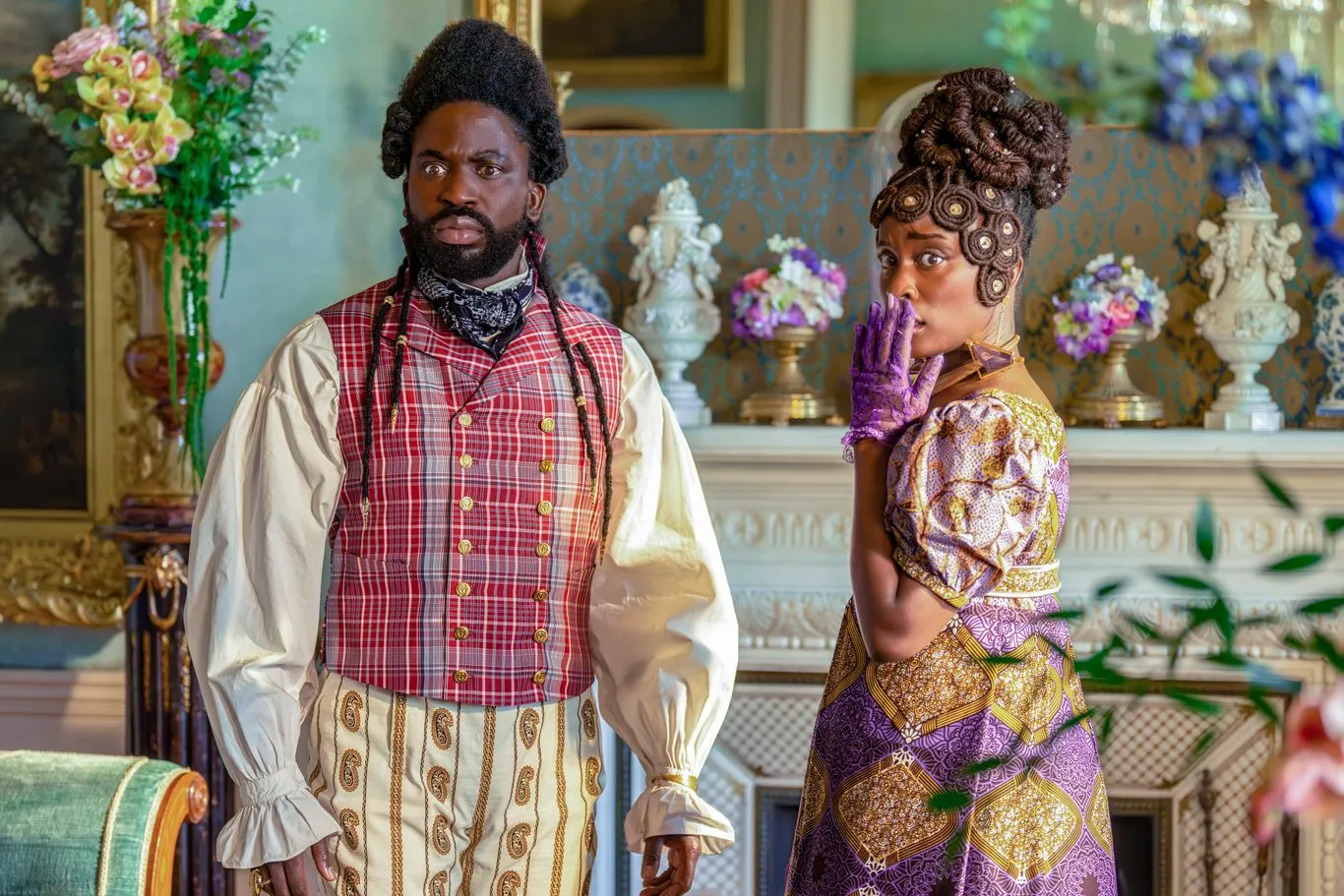
The series’ visual language is one of its most distinct features, frequently breaking from its naturalistic style to plunge into Kwabena’s vibrant imagination. These fantasy sequences are more than comedic cutaways; they are an essential storytelling tool. When Kwabena imagines his own version of a period drama, it is not just a gag about hearing Jamaican patois in a Regency drawing room.
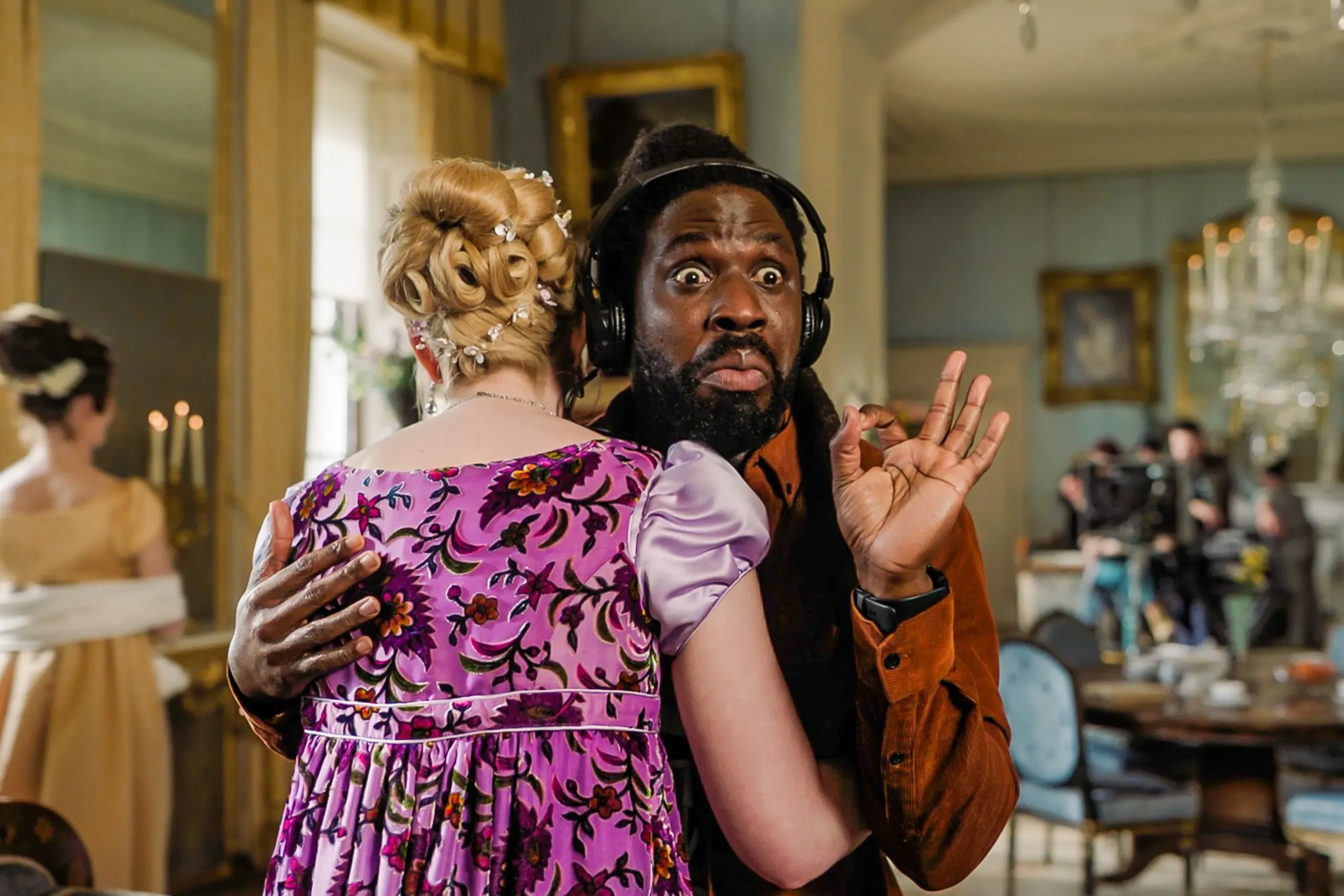
It is a full-throated display of the creative vision he is being forced to dilute, a glimpse of the energetic, culturally specific, and genuinely exciting work he could be making if the system were not designed to sand down every interesting edge. The cinematography and costume design in these moments are lush and playful, a stark contrast to the sterile greys of the production offices where his spirit goes to die. They function as a pressure-release valve for a character whose primary state is suppression. The season finale avoids a simple resolution.
There is no scene where Kwabena triumphs over the ignorant executives and gets to make his masterpiece. Instead, it builds to a cathartic, brilliantly performed monologue that serves as a declaration of intent. It is a moment of self-realisation, not of systemic victory. The ending resolves certain plot points with a satisfying, if bittersweet, plausibility. Other, larger questions about Kwabena’s future are left hanging in the air. We are left with a character who has found his voice but is still standing in a room that may not be listening. The fight is not over; the dream is still very much in progress.
Dreaming Whilst Black is a critically acclaimed British comedy-drama series created, co-written, and starring Adjani Salmon. The show follows the main character, Kwabena, an aspiring filmmaker stuck in a dead-end recruitment job as he attempts to navigate his professional ambitions, personal relationships, and the challenges of being a Black creative in the UK entertainment industry. Based on Salmon’s original web series, the full series, co-produced by Big Deal Films and A24, premiered on BBC Three in the UK. Season 2 was commissioned in February 2024 and premiered in the UK on BBC Three and BBC iPlayer on October 9, 2025. Showtime and Paramount+ are set to release the series in the US, with a premiere date expected to follow the UK release.
Full Credits
Director: Sebastian Thiel, Abdou Cisse
Writers: Adjani Salmon, Ali Hughes, Yemi Oyefuwa, Thara Papoola
Producers and Executive Producers: Adjani Salmon, Ali Hughes, Dhanny Joshi, Thomas Stogdon, Nicola Gregory, Tanya Qureshi
Cast: Adjani Salmon, Dani Moseley, Demmy Ladipo, Rachel Adedeji, Babirye Bukilwa, Martina Laird, Roger Griffiths, Jo Martin, Jessica Hynes, Will Hislop
Director of Photography (Cinematographer): Shaun Harley Lee
Editors: Dan Gage, Mike Phillips
Composer: Jamal Green
The Review
Dreaming Whilst Black Season 2
Dreaming Whilst Black returns as a smarter, funnier, and more righteously angry show. Its second season moves beyond the struggle for access into a brilliant critique of what happens after entry is granted. The series is a masterclass in satire, exposing the hollow promises of corporate diversity with surgical precision. It balances its sharp industry commentary with deep character work and genuine heart, creating a portrait of creative ambition that is as hilarious as it is vital. A truly essential piece of television for our times.
PROS
- Incisive and painfully accurate satire of the television industry.
- Intelligent exploration of performative diversity and representation.
- Excellent lead performance from Adjani Salmon, capturing both comedic frustration and dramatic weight.
- Strong character development for the supporting cast, enriching the show's world.
- Creative and visually inventive fantasy sequences that enhance the storytelling.
CONS
- The broad caricature of some supporting characters, while thematically pointed, may not work for all viewers.
- Its industry-specific humour might feel dense for those unfamiliar with the creative world.
- A focus on character nuance means the pacing can be more deliberate than a typical sitcom.