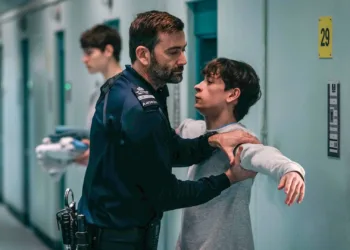



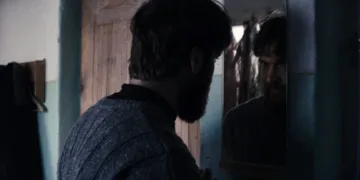











Director Jesse Noah Klein’s Best Boy opens with sharp intent and announces a psychologically intense thriller that draws energy from family conflict. A reunion becomes a battlefield. Three adult siblings, Phillip, Lawrence, and Eli, gather with their mother, Anne, after the death of the family patriarch.
Their grief arrives with tangled feelings of sorrow and bitterness, and a hint of relief at the end of his competitive, toxic presence. They return to a remote woodland cabin to revive a childhood “tournament” invented by their late father, now tied to a $100,000 prize. The setup frames a story of fractured emotions and persistent tension. The film presents a dissection of lasting emotional poison that refuses to fade.
The Performance of Supremacy
Caroline Dhavernas, Aaron Abrams, Marc Bendavid, and Lise Roy carry the film with an ensemble that leans into volatility. Their work captures people conditioned from childhood to prize supremacy and constant ranking. Each sibling chases a win that promises validation money cannot solve.
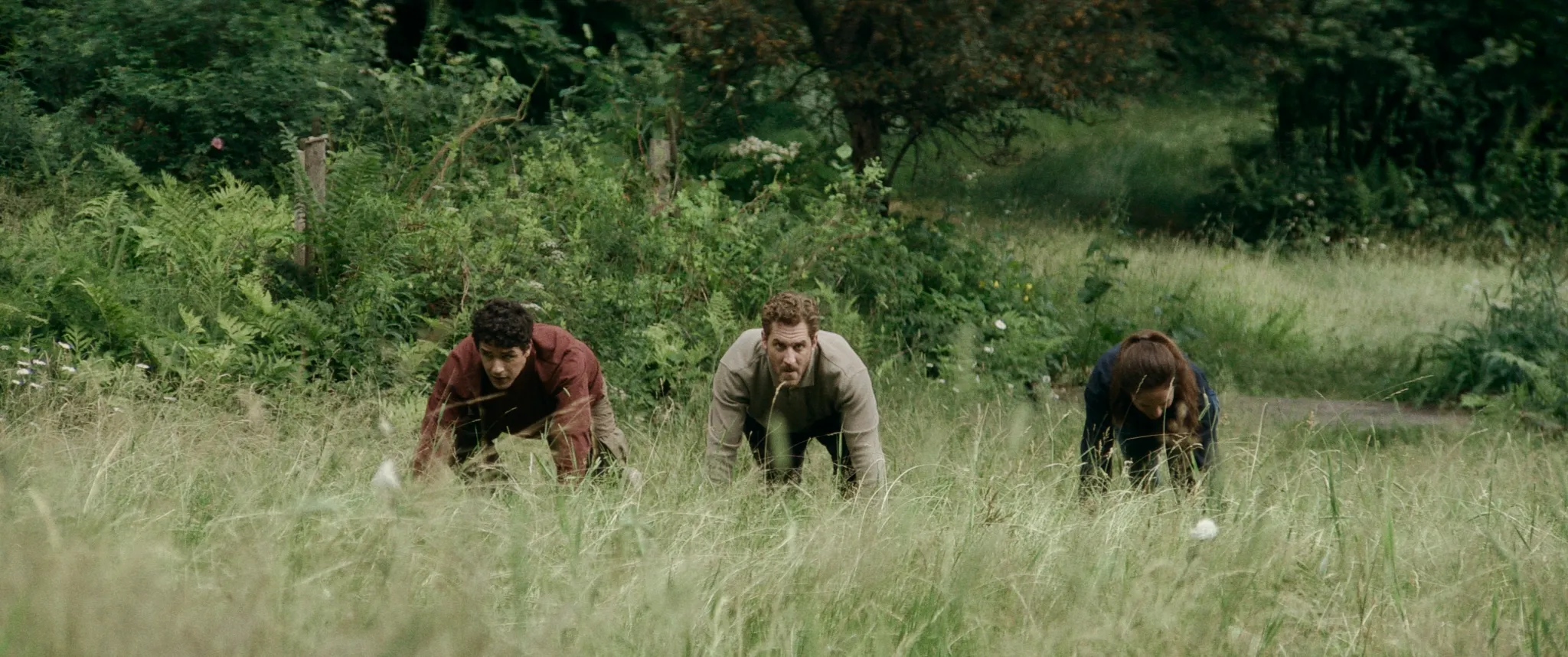
The pursuit attempts to patch a void left by an emotionally abusive father. Lawrence faces visible strain as his own family leaves. Phillip confronts addiction. Eli feels frozen in arrested development. The tournament functions as an unforgiving mirror that reflects private failures back at them. Scenes escalate into loud, argumentative outbursts that feel raw and exposed, and the performances sustain that heat.
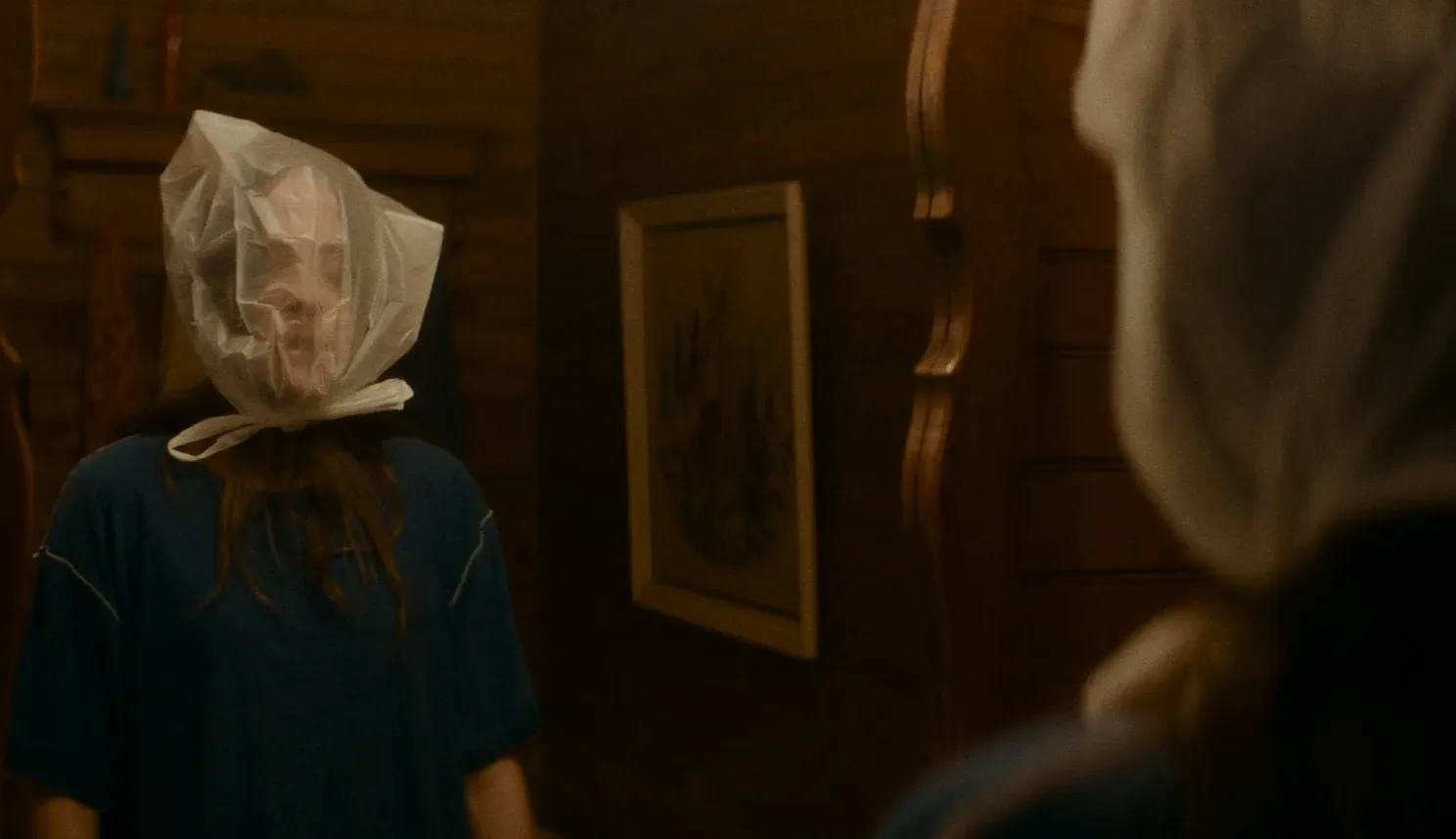
Anne presides over this ritual as an unsettling adjudicator. Lise Roy plays her with a detached calm that chills the room. The cape and viking helmet turn the proceedings into a rite, a costume that exposes the absurd shape of the wound the family carries. The image clarifies a household that learned to mask pain with ceremony and scorekeeping.
Aesthetics of Claustrophobia
Best Boy reshapes familiar family drama through structure and image. The entire story unfolds across a single day in the Canadian woods. Chapters mark each round of the tournament, which locks the siblings into a procedural rhythm that feels inescapable. The design traps the characters in a cycle they learned long ago and never escaped.
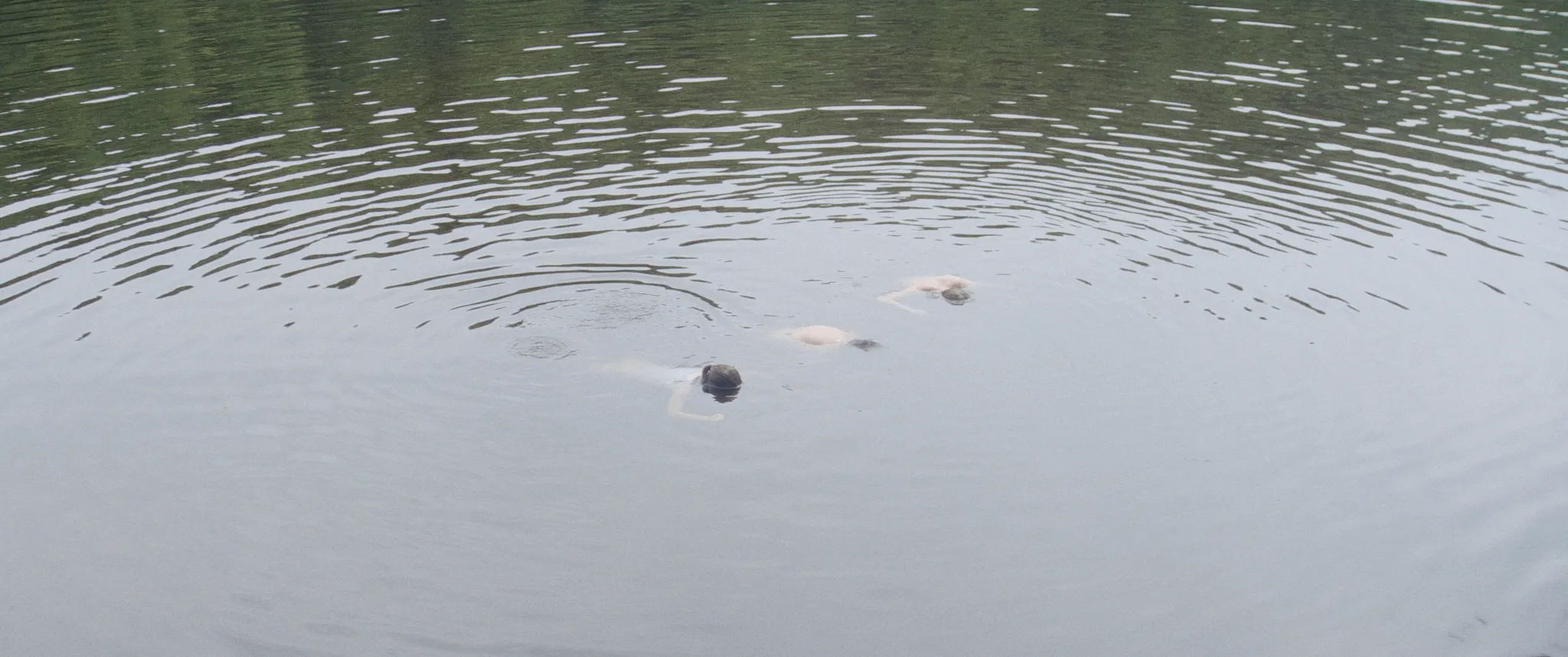
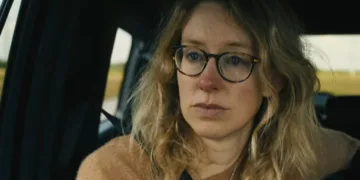
Klein and the team shoot on 35mm with anamorphic lenses. The format captures the natural beauty of the setting while a wide, fish-eyed approach bends that beauty into something strained. High-angle shots hang over the group and suggest the dead father’s gaze, a presence that lingers and supervises.
The single location of the cabin and the surrounding forest tightens the screws and gives the film a theatrical charge. The structure and the images support the central theme: three siblings who try to break a tradition of dominance and harm that shaped every decision they make. The film offers a critique of a hard code that prizes strength and demands submission from anyone who falls short.
I connect to the film’s visual language. The mix of natural splendor and warped perspective mirrors the way trauma can live inside a polished family story. The beauty lures you in. The distortion reveals the cost.
A Difficult, Necessary Watch
Klein’s direction shapes a harsh, intense thriller that aims for discomfort. The tonal balance holds. The premise builds a heightened scenario of adults fighting for a father’s approval, and the film roots that premise in credible emotion. Constant shouting and volatility push toward an edge at times, which matches the scale of the damage that sits inside this house. The focused 82-minute runtime keeps the pace tight and the pressure steady.
The lingering effect matters most. The quiet denouement refuses easy relief. The film suggests that bad blood can persist and resist change, which reads as a painful truth about emotional damage that often endures. Best Boy presents a well-made experience that studies abuse, loyalty, and the long search for self-worth. The ideas and images stay with you long after the final scene fades.
Best Boy is a Canadian black comedy thriller film that premiered on August 16, 2025, at the Edinburgh International Film Festival. The movie centers on three adult siblings—Lawrence, Philip, and Eli—who gather at their family’s summer home after their emotionally abusive father’s death. They are instructed to compete in a final, brutal physical endurance contest, supervised by their mother, to win an inheritance. The film was shot on location in Quebec and is distributed by La Distributrice de Films and Vortex Media in Canada.
Credits
Director: Jesse Noah Klein
Writers: Jesse Noah Klein
Producers and Executive Producers: Chantal Chamandy, Laurel Parmet, Michael Solomon, Jesse Noah Klein
Cast: Aaron Abrams, Caroline Dhavernas, Marc Bendavid, Lise Roy
Director of Photography (Cinematographer): Nicolas Canniccioni
Editors: Yvann Thibaudeau
The Review
Best Boy
Jesse Noah Klein's Best Boy is a powerful, demanding film that expertly dissects generational trauma through a bizarre, theatrical premise. The singular setting and use of sharp visual techniques—like the high-angle shots—magnify the psychological pressure on the siblings. The volatility and constant, raw performances ensure this is not an easy viewing experience. It is an impressive, well-crafted piece of independent cinema that courageously rejects easy answers about healing and closure.
PROS
- Exceptional, raw ensemble performances by the core cast.
- Unique and effective narrative structure segmented into "tournament rounds."
- Impressive technical aesthetic (35mm film, anamorphic lenses) creating a distinct look.
- Powerful critique of generational violence and traditions of dominance.
- Tight, focused runtime that maintains unrelenting intensity.
CONS
- Volatile and constant shouting may prove overwhelming for some viewers.
- Subject matter is harsh and deliberately uncomfortable to watch.
- Ending rejects traditional catharsis, offering painful realism instead.