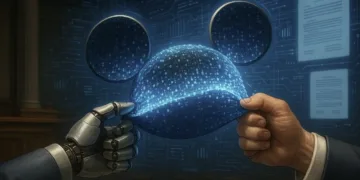






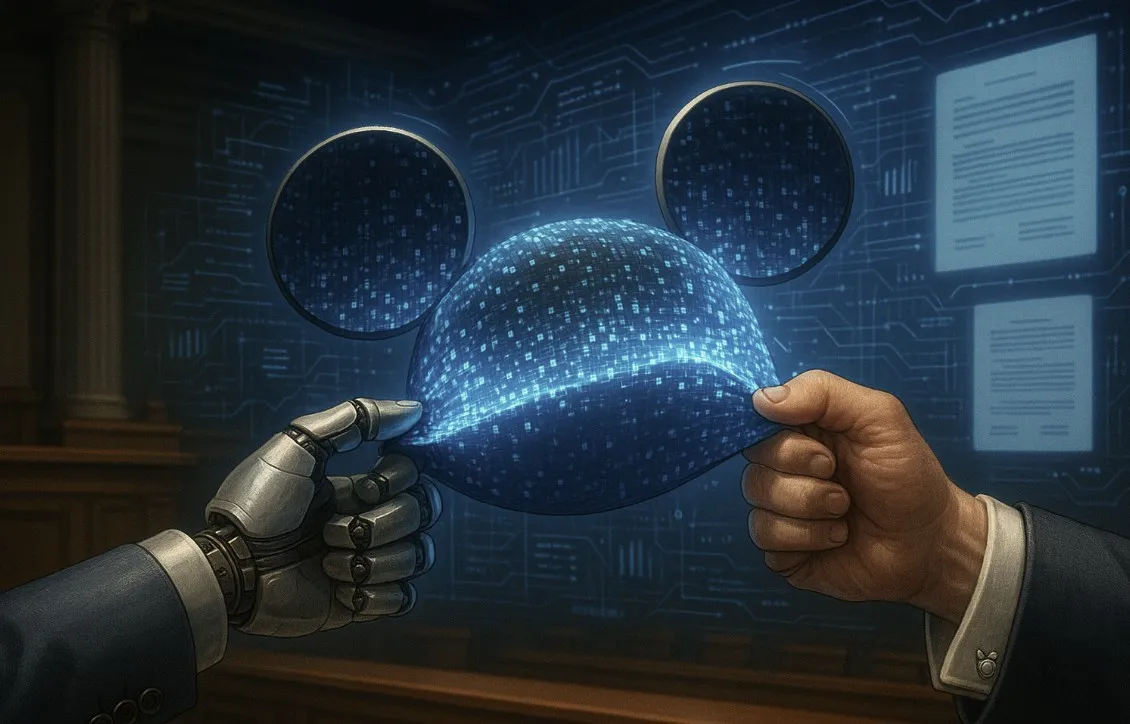

The Walt Disney Company sent a cease-and-desist letter to Character.AI, demanding the removal of chatbots that imitate Disney properties and warning that some user-made bots had produced interactions unsafe for children. Character.AI said it took down Disney-related characters and reiterated that it responds quickly to rights-holder requests. Disney’s letter cites trademark and copyright concerns and frames the issue as a reputational risk if famous characters are used in ways that could mislead families or normalize off-brand behavior.
The warning follows heightened scrutiny of “companion” chatbots and youth safety. A recent advocacy report flagged inappropriate conversations involving accounts registered to minors; Disney’s letter referenced those findings in arguing that the platform should prevent unauthorized character use before it reaches users. Character.AI, which hosts millions of user-generated personas, has said creators—not the company—build most character bots, but that it will remove content upon notice and is open to licensed experiences for media companies.
News of the letter arrives amid a broader enforcement trend as studios test how far existing IP and consumer-protection laws stretch in generative environments. Coverage of the dispute emphasized that Disney is prepared to escalate if voluntary removals are insufficient, while Character.AI’s response highlights a recurring tension for open platforms that allow fans to reference well-known franchises without formal approval. Separate developments this season include pressure from state attorneys general on AI firms over child-safety risks, reflecting the policy backdrop into which the Disney action now lands.
Industry lawyers note that the Lanham Act’s false-association rules and copyright claims can attach even when content is created by users if a platform’s design makes infringement foreseeable and recurring. At the same time, rights holders face practical questions about scale: millions of user profiles can be spun up in hours, complicating takedown regimes. The next phase will turn on whether platforms adopt preventive filters, expand rights-holder portals, or pursue licensing so that branded personas operate within defined guardrails rather than ad hoc fan experiments.