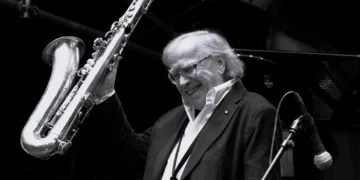
























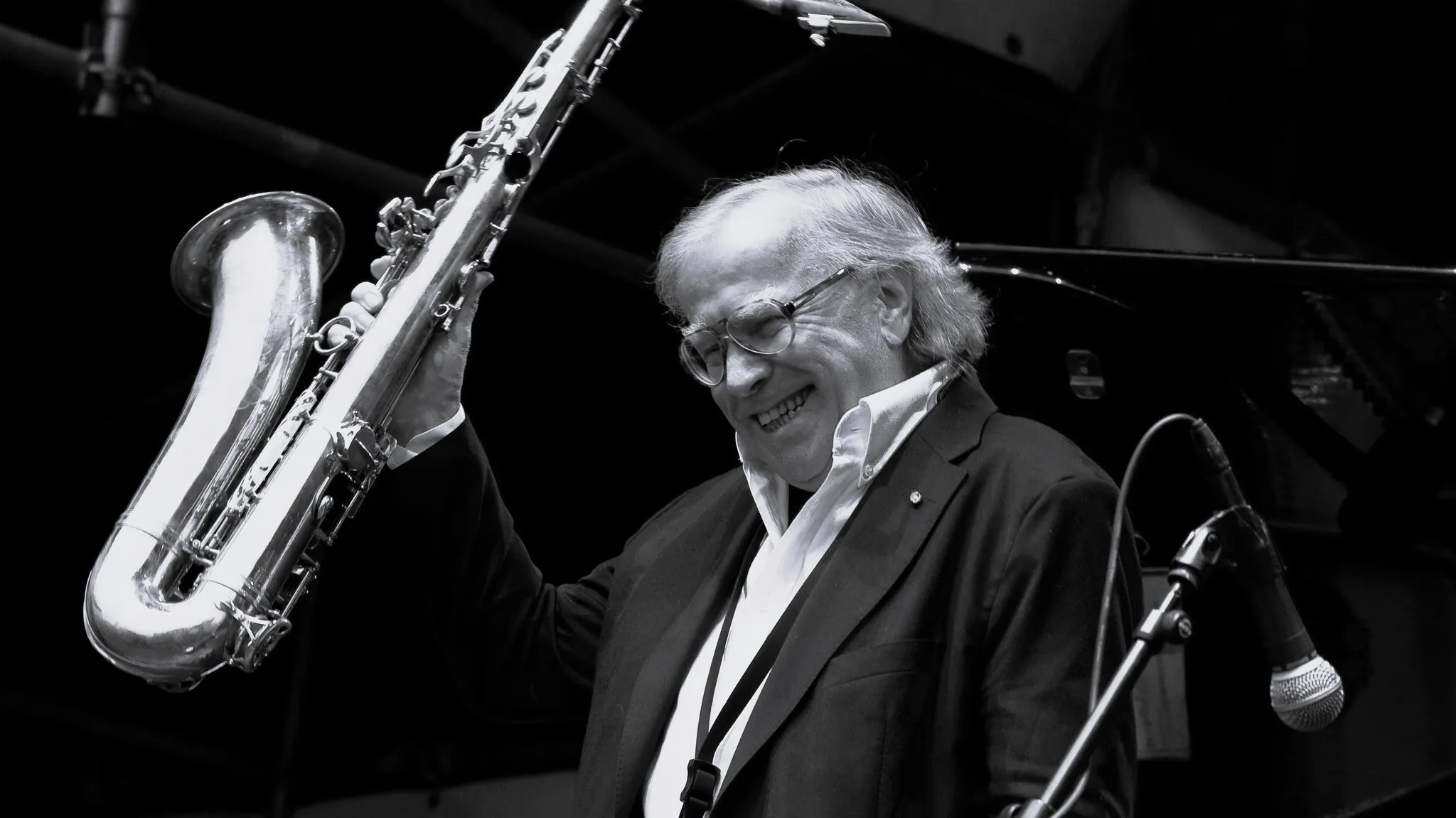

Klaus Doldinger, the German saxophonist and composer whose themes for Das Boot, The NeverEnding Story and the long-running crime series Tatort became touchstones of European film and television, died Oct. 16 at 89, his family confirmed to the German press agency. Doldinger’s career bridged concert stages and soundstages: after early tours in the United States, he formed the jazz-fusion group Passport in 1971 and led it for more than five decades while composing for cinema and TV.
Born in Berlin in 1936 and classically trained on piano and clarinet before turning to saxophone, Doldinger moved fluidly between idioms, drawing on jazz, rock and electronic textures. His Tatort title, first heard in 1970, became one of German television’s best-known signatures; in film he scored Wolfgang Petersen’s submarine drama Das Boot and contributed music to the fantasy epic The NeverEnding Story, works that introduced his sound to global audiences.
News of his death prompted tributes from across Germany’s music community, including Udo Lindenberg, who played drums in the first Passport lineup and saluted Doldinger as an early mentor. Broadcasters and cultural outlets highlighted his role in shaping a modern soundtrack identity for German productions, noting his blend of improvisation and strong melodic writing. Family members said he died peacefully at home, surrounded by loved ones.
Beyond his screen work, Doldinger released dozens of albums under his own name and with Passport, marking the group’s 50th anniversary in 2021 with retrospective recordings and concerts. Honors over the years included national film and cultural awards and recognition from jazz institutions; his compositions for television series such as Liebling Kreuzberg and long-running crime procedurals remained fixtures in syndication. Late in life he published an autobiography and continued to perform.
International trade publications and German media reported that the family notification came via the national wire, with additional confirmation carried by broadcasters and newspapers throughout the weekend. Colleagues emphasized the durability of his work across generations, from 1980s cinema to contemporary reruns, and the way his themes threaded club sensibilities into orchestral film language.