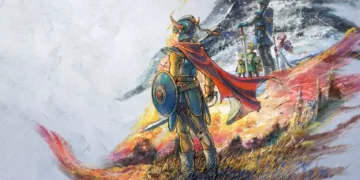

























Dragon Quest I & II HD-2D Remake completes the effort to refresh the Erdrick Trilogy, bringing the final two chapters into the striking HD-2D presentation. The collection applies the series’ recognizable look by combining high-definition 3D environments with classic 2D pixel sprites. Dragon Quest I and II sit chronologically after the story first told in Dragon Quest III and follow the descendants of Erdrick.
Core play remains a classic fantasy JRPG with random-encounter, turn-based combat and wide-open exploration. The package contains Dragon Quest I, a solo adventure, and Dragon Quest II, the entry that introduced the franchise’s party system. These remakes matter because they deliver a significant visual update, deep modernization, and new material aimed at forming one cohesive trilogy. The attention to detail shows immediately.
Aesthetics and Accessibility
The presentation lands with impact. HD-2D is fully realized here, building lavish environments that read as both familiar and new. Dynamic lighting shapes each scene, with reflections on palace floors and distinct pixel art for small items. Towns and dungeons that once read as tile sets now feel like complete places with a sense of presence. Character sprites preserve the well-known style of Akira Toriyama’s designs.
The audio meets that visual scope. The soundtrack features orchestral editions and fresh symphonic arrangements recorded by the Tokyo Metropolitan Orchestra, which preserves the series’ whimsical and friendly tone. British voice acting for major characters adds modern charm to the fantasy.
Quality-of-life updates smooth the experience without erasing its classic identity. Players can use an in-game minimap, a marker that points to the next objective, a battle speed-up option, and more forgiving respawn rules. The design respects player choice: many assists can be toggled off for a more obtuse classic feel, and Draconian Quest offers a higher difficulty for those who want sharper resistance.
Mechanical Balance and Modernization
Mechanical additions sit at the center of this project. Both games gain new combat tools, including skills and spells learned from single-use scrolls. This creates additional decisions around resources and timing. Mini Medals return to motivate exploration with tangible rewards. The impact of these systems differs between the two titles.
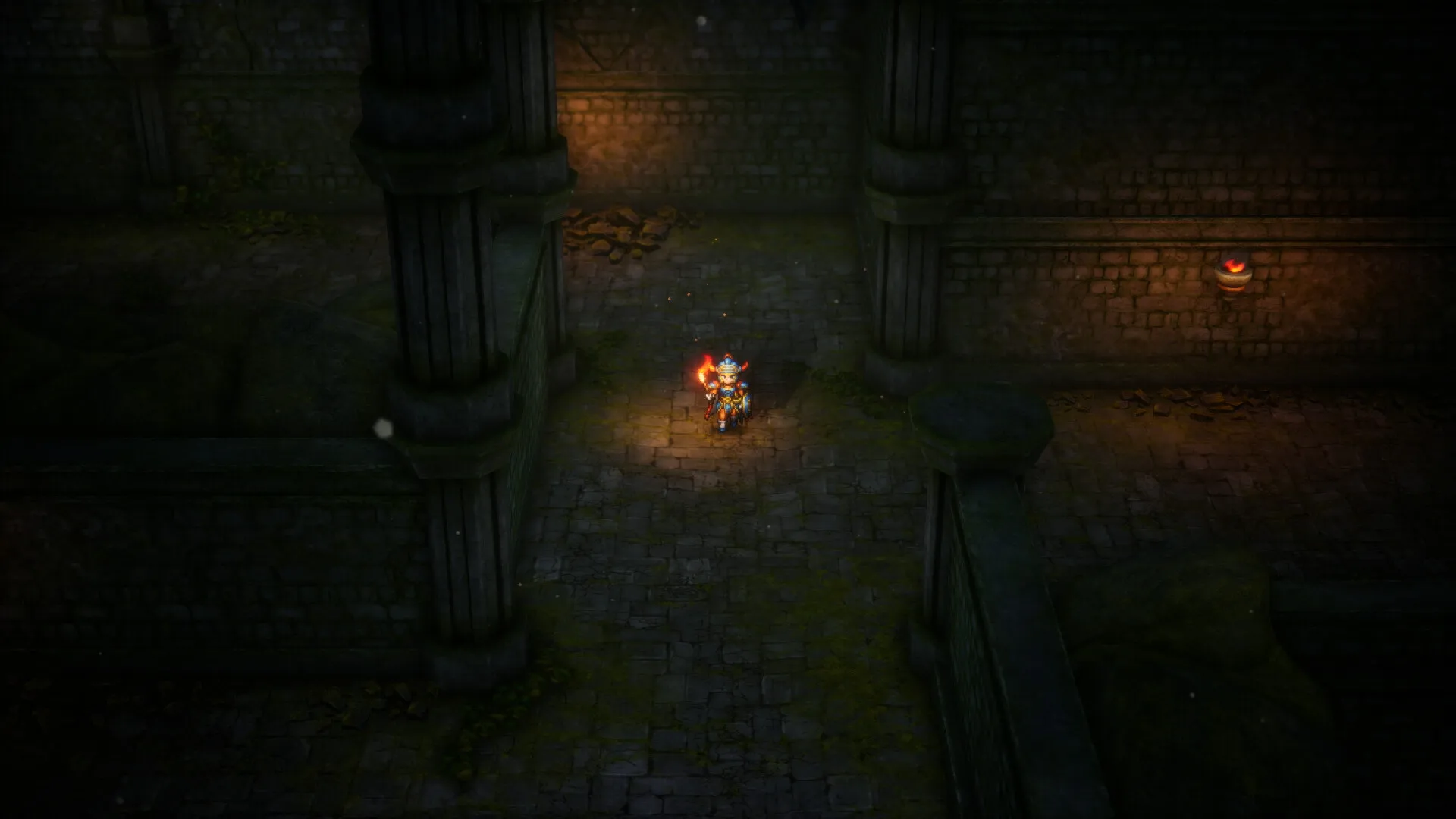
Dragon Quest I remains a solo journey. Modernization arrives through multi-enemy encounters and a hero kit with more spells and abilities. The solo structure absorbs these changes with strain. Difficulty spikes often appear in the mid-to-late game, and fights can become RNG-heavy. Without party coverage for damage or healing, a single critical strike can end a run abruptly, which shifts progression toward luck over planning. The game’s simplicity gets swamped by the added pressure of these changes.
Dragon Quest II uses the traditional party system, which provides a stronger base for the enhancements. A new playable party member, Princess Matilda of Cannock, fills a rogue and mage hybrid role and broadens tactical options. An added underwater section expands the scope and effectively doubles the game’s size. With mechanics distributed across several characters, the new content and balancing land cleanly and feel well integrated. The party framework lifts Dragon Quest II from a systems perspective and makes it the stronger play experience.
Story Cohesion and Character Depth
The remakes aim to address uneven storytelling and build a single trilogy arc. New material stitches the threads together.

For Dragon Quest I, this arrives through extra characters, locations, and story beats. The Tantagel Royal Guard, faerie and dwarf villages, and a new magic key quest try to give the Dragonlord conflict more weight and to strengthen links to Dragon Quest II and III. The solo-hero structure limits characterization. New faces often fade quickly, and the added material can read as padding that slows the original’s brisk pace rather than enriching it.
Dragon Quest II receives a larger and more effective narrative expansion. The existing party setup supports named characters and more frequent party chatter, which adds personality. Princess Matilda’s inclusion helps combat and also grounds the plot with another playable viewpoint. New post-game content and extended story elements pull the trilogy’s threads together in an epic and satisfying way. The structure of Dragon Quest II supports characterization, so the narrative additions feel lively and produce a richer experience that aligns with modern JRPG expectations.
The Review
Dragon Quest I & II HD-2D Remake
Dragon Quest I & II HD-2D Remake is an essential collection that successfully closes the Erdrick saga. The visual and audio presentation is exceptional, setting a new standard for the HD-2D style. However, the package is deeply uneven. Dragon Quest II is a triumph, gracefully integrating new content and mechanics into its party structure. Dragon Quest I struggles under modernization, becoming an overly difficult and sometimes frustrating solo experience. Despite the flaws in the first game, this is a highly recommended and valuable historical update.
PROS
- Stunning HD-2D visual aesthetic
- Excellent orchestral soundtrack
- Extensive quality-of-life improvements
- Dragon Quest II is a mechanical success
- Coherent narrative tie-in for the trilogy
CONS
- Dragon Quest I's solo balance is harsh
- Dragon Quest I modernization feels like padding
- Uneven quality between the two games