




























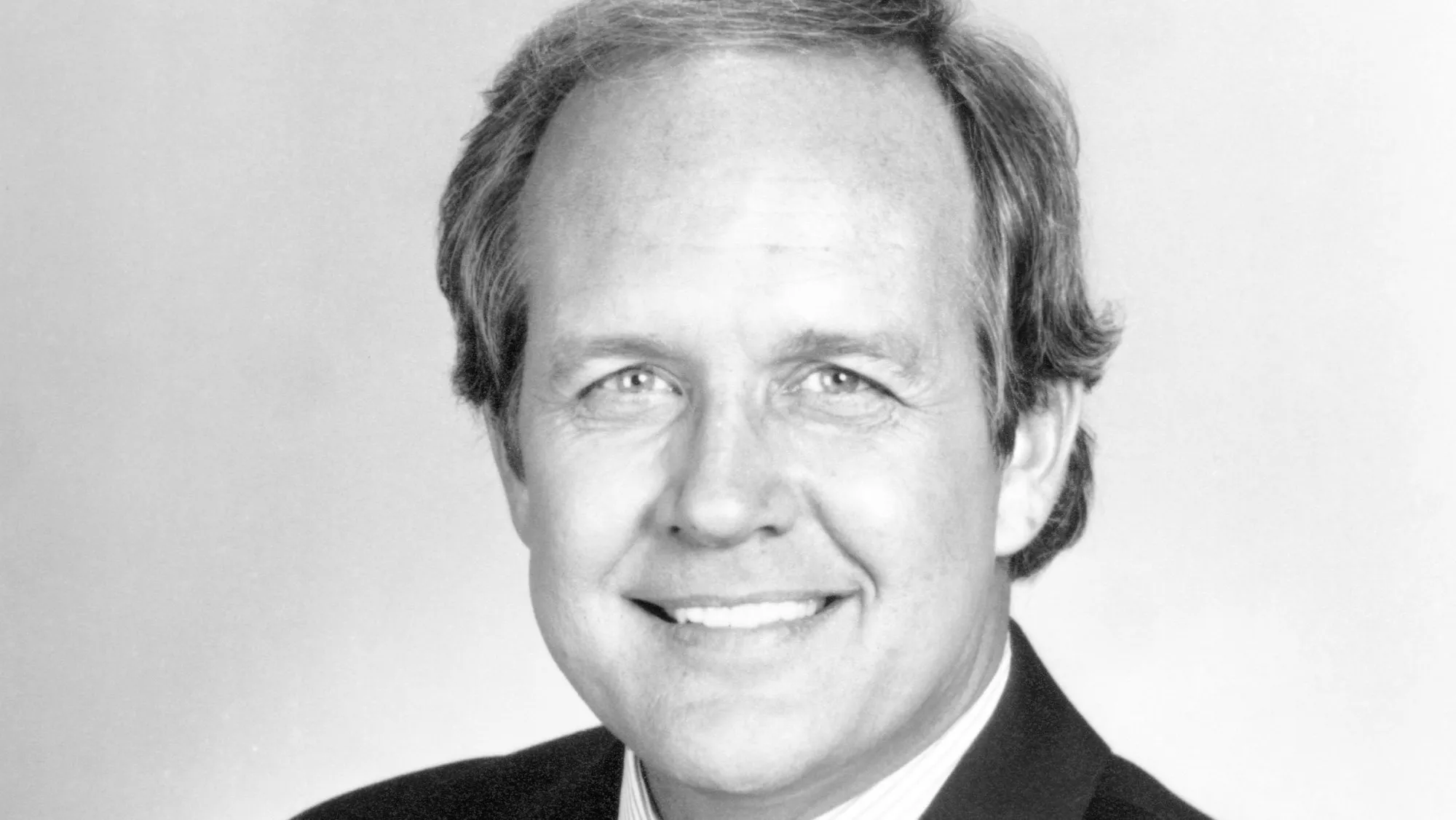

Bob Trumpy, the Cincinnati Bengals tight end who became a prominent national broadcaster, has died at 80. The team said he passed away at home on Sunday surrounded by family and observed a moment of silence before its game against Chicago. Bengals president Mike Brown praised Trumpy’s rare speed for a tight end and his impact on the franchise and the city.
An original Bengal from the club’s inaugural 1968 season, Trumpy was a 12th-round pick who quickly emerged as a deep threat and recorded the franchise’s first NFL touchdown reception, a 58-yard score against Denver. Over 10 seasons through 1977, he made four all-star teams across the AFL and NFL and remains atop the club’s tight end leaderboard in receiving yards, touchdowns and yards per catch. His career totals include 298 receptions, 4,600 yards and 35 touchdowns.
Trumpy moved into media late in his playing career with a popular Cincinnati sports talk show and soon joined NBC Sports as an NFL analyst in 1978. He became the network’s lead analyst alongside Dick Enberg in the early 1990s, called Super Bowls on television and radio, and worked multiple Olympics and Ryder Cups. In 2014, the Pro Football Hall of Fame honored him with the Pete Rozelle Radio-Television Award recognizing distinguished contributions to NFL broadcasting.
His influence extended locally, where colleagues credit his nightly call-in program for shaping Cincinnati sports radio and mentoring future voices. The Bengals noted that Trumpy’s baritone and preparation set a standard that inspired former teammates and successors in the booth. Former Bengals receiver and current NBC analyst Cris Collinsworth called him “the heartbeat” of Cincinnati and said his blunt on-air honesty and jump to network television created a path for others.
Trumpy’s career bridged football’s modern evolution at tight end and the expansion of NFL media. Drafted from Utah and deployed in a receiver-like role under Paul Brown’s staff, he stretched defenses before the position’s league-wide transformation. Decades later, his broadcast work helped define national coverage of marquee games, while his local talk radio made him a fixture beyond the field.