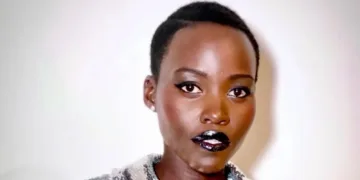



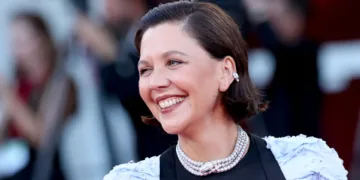














Lupita Nyong’o says winning an Academy Award for 12 Years a Slave left her facing a narrow set of offers that tried to keep her in stories of bondage and suffering. In a recent television interview, the actor recalled that in the months after her 2014 Oscar win, producers came back with scripts for what she described as “another movie where you’re a slave,” including one proposed project set on a slave ship, instead of the wider range of leading roles many assumed would follow.
Nyong’o said the pattern made clear how some parts of the industry saw her: as a symbol drawn from a single performance rather than a full creative human being. She described heavy scrutiny as a dark-skinned African woman in Hollywood, recalling people who asked if she had “peaked” with her first major role. In the same conversation she explained that she decided to decline many offers, even at the risk of working less, because accepting them would reinforce a limited view of African lives. She summed up her approach as wanting to be a “joyful warrior” who helps change expectations of what an African performer can portray.
Her comments draw on experience built across the decade since 12 Years a Slave. Nyong’o chose roles that did not repeat Patsey’s trauma, from the motion-capture character Maz Kanata in Star Wars to voice work in The Jungle Book and Nakia in Black Panther. She moved into leading parts with Jordan Peele’s horror film Us and has continued to work across film, voice performance and theatre, including A Quiet Place: Day One, the animated feature The Wild Robot and a stage production of Twelfth Night. She is next slated to appear in a large-scale adaptation of The Odyssey, set for 2026.
Coverage of the interview has prompted wide reaction from audiences and commentators. Many social media users described the offers she received as an example of racism and an illustration of how Black actors, especially African women, are steered toward stories of historical pain more than everyday or genre roles. Others pointed out that this experience mirrors long-standing concerns about typecasting after prestige work in films about slavery or civil rights. Nyong’o has stressed that she sees these pressures as part of a larger fight over which African stories reach the screen and has said she wants her own choices to help expand that field, even if that means refusing work that would be financially attractive but artistically confining.