





















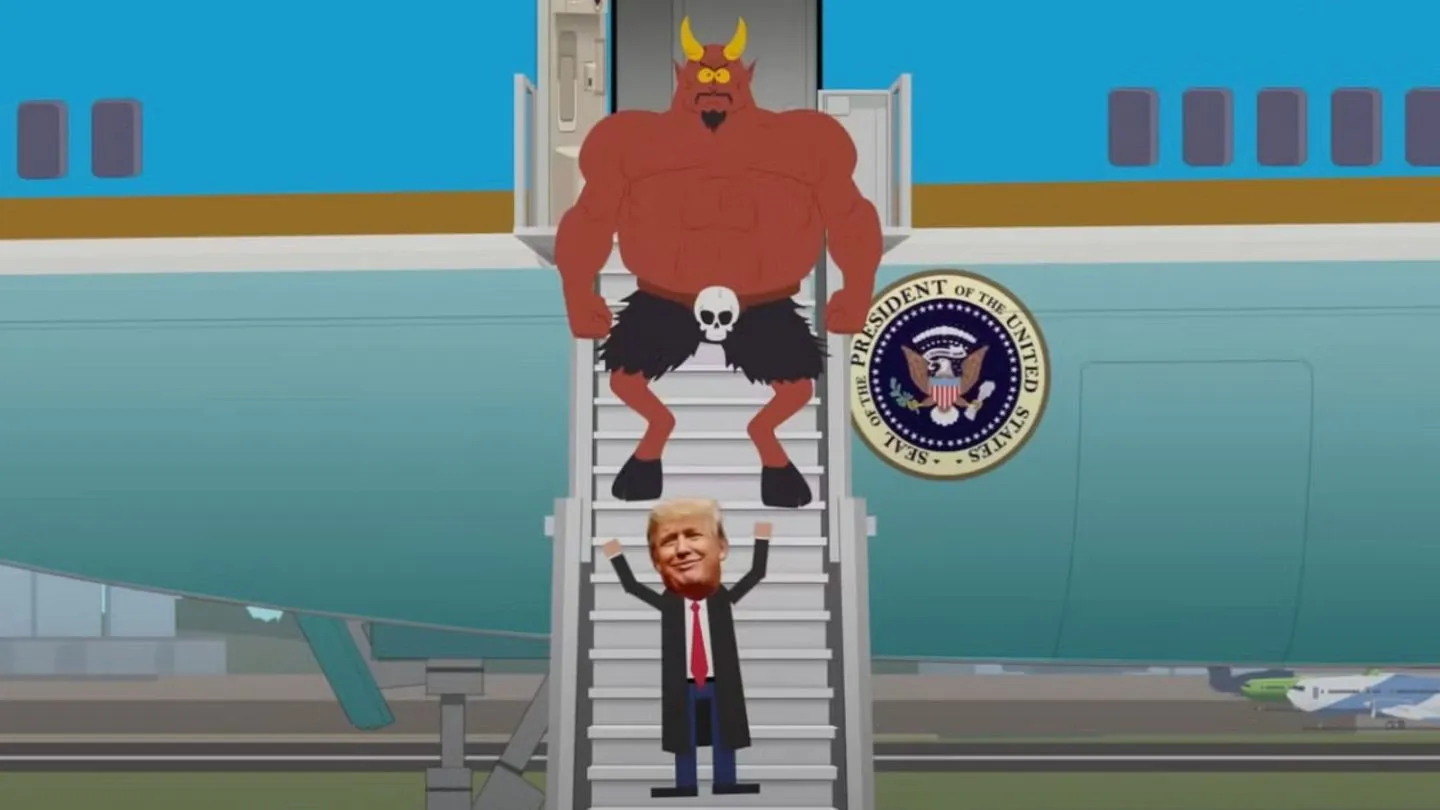

Trey Parker and Matt Stone say Paramount leadership has given them broad creative freedom during South Park’s current anti-Trump run, crediting the company with “letting us do whatever we want” even as the show lampoons figures and decisions linked to Paramount’s own orbit. In a recent interview referenced by trade coverage, the creators described politics as inseparable from pop culture in 2025, explaining why the 27th and 28th seasons have leaned into sustained satire of Donald Trump and MAGA culture. The pair also acknowledged that taboos draw their focus, adding that the studio has not pushed back on the direction of the episodes.
The comments land after a high-stakes renegotiation this summer that brought the series’ full library and new episodes to Paramount+ in the United States for the first time under a multiyear pact valued at well over $1 billion. The agreement followed years of split streaming rights and legal wrangling, and positioned the franchise as a central pillar of Paramount’s direct-to-consumer strategy. Industry analyses framed the price tag as a bet that a durable, globally known animated brand can drive engagement and reduce churn as the company integrates with Skydance and reshapes its portfolio.
Viewers have noted the show’s willingness to needle its corporate home during a turbulent period for Paramount and CBS. Colbert’s Late Show was cancelled for financial reasons ahead of its planned May 2026 end, a move that coincided with a $16 million legal settlement involving Trump and drew political scrutiny over timing; Parker and Stone’s remarks acknowledge that some might expect a chilled atmosphere but say they have experienced the opposite. Episodes this season have portrayed Trump in outlandish scenarios while broadening targets across the media and political ecosystem, keeping with the series’ long-standing approach of compressing real-world events into fast-turnaround animation.
Parker and Stone have argued that the focus is less about a pivot to politics and more about politics permeating everyday culture. Their characterization mirrors the show’s history of moving toward the loudest cultural conversations, whether through single-episode riffs or longer arcs, and underscores how the latest deal and hands-off oversight have given the team room to test boundaries as South Park enters its third decade on air.