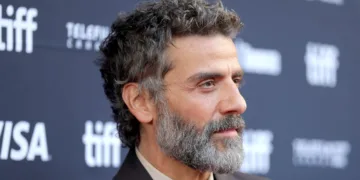


























Oscar Isaac says he would consider returning to the Star Wars franchise if Disney “figures it out” and does not, in his words, “succumb to fascism,” remarks made in a newly published GQ interview and amplified after ABC briefly suspended Jimmy Kimmel’s late-night show earlier this autumn.
Isaac, who played Poe Dameron in the sequel trilogy, told the magazine he’s “not so open to working with Disney” at present but left the door ajar for future conversations if the company’s approach changes. The comments arrived as debate continued over the decision to pause Kimmel’s program and then restore it days later, an episode that triggered broader free-speech arguments in the entertainment industry.
Isaac’s position reflects a shift from past quips about only returning “if I need another house,” a line he has used when asked about reprising Poe, and underscores how corporate conduct has become a factor in talent decisions around major franchises. In the interview, conducted two days after the Kimmel suspension, he suggested that resolving internal questions about speech and corporate pressure would be a prerequisite for renewed collaboration. Coverage of his remarks has highlighted the timing and the direct reference to Disney’s stewardship of Star Wars through ABC and its film units.
Neither new casting plans nor concrete development tied to Isaac were indicated, and his comments did not elaborate on specific changes he would want to see. Still, the intervention from a central figure in the recent films lands amid an unsettled media climate in which studios weigh reputational risk alongside programming decisions.
For fans speculating about future appearances, Isaac’s language draws a distinction between enthusiasm for the role and discomfort with how the parent company navigates political and cultural flashpoints. The remarks also intersect with a long-running conversation about whether marquee talent will re-engage with legacy franchises as studios recalibrate strategies for streaming and theatrical releases following a year of cost controls and leadership scrutiny.