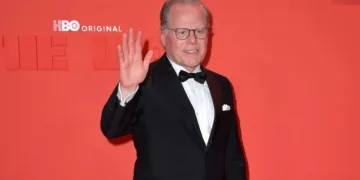


























Warner Bros. Discovery CEO David Zaslav told employees that Netflix’s planned purchase of the company’s studio and streaming assets is unlikely to trigger sweeping layoffs, even as the two companies tell investors to expect billions of dollars in cost cuts from the merger. The deal, valued at about $72 billion, would hand Netflix control of Warner Bros. film and TV studios, HBO and HBO Max, while CNN, TNT and other linear networks move into a separate entity called Discovery Global.
At a company-wide town hall on Friday, Zaslav described the agreement as a “big day for Warner Bros.” and told staff that Netflix “wants to keep most people,” according to a recording obtained by Business Insider. He argued that Netflix lacks a full-scale motion picture and TV studio operation, so it needs the talent and infrastructure housed in Burbank and on HBO’s side. Netflix has told Wall Street it aims for $2 billion to $3 billion in annual savings within three years of closing, a figure that typically signals overlapping jobs on the corporate and technology fronts.
Zaslav also tried to calm anxiety around product changes, saying “HBO Max will stay” and that subscribers who pay for both Netflix and HBO Max should eventually see a smoother experience, while those who want only HBO Max will still have access to a standalone service. He acknowledged that employees feel whiplash after a fresh round of deal chatter and warned that “there may be more noise ahead,” but urged staff to stay focused while regulators review the transaction over the next 12 to 18 months.
Hollywood labor groups hear a different story. The Writers Guild of America has called for the merger to be blocked outright, arguing that the world’s largest streamer absorbing a major competitor will mean job cuts, wage pressure and weaker working conditions. A coalition of theater owners has warned that the combined company could erase roughly a quarter of annual domestic box office if Warner titles tilt harder toward streaming, while Teamsters leaders frame the deal as another example of consolidation that threatens union jobs. Directors and actors’ unions have taken a cautious stance, saying they plan to meet Netflix and assess the impact on members before staking a firm position.
Skepticism inside Warner Bros. runs through recent history. After the 2022 merger that created Warner Bros. Discovery, the company scrapped projects, restructured units and laid off several thousand employees while chasing at least $3 billion in cost savings, moves that drew sharp criticism across Hollywood. Zaslav’s new message — minimal layoffs alongside a fresh multibillion-dollar savings target — now has to overcome that track record as workers, guilds and regulators press for concrete protections around staffing and production levels before signing off on Netflix’s latest power grab in Hollywood.