

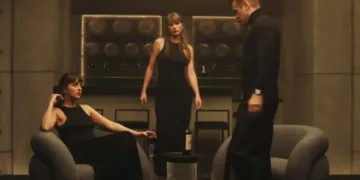







School Spirits returns with a season that resets the rules of life and death at Split River High. Maddie Nears starts in a hospital bed after Janet leaves her body, putting her back among the living. Her disappearance has an answer, yet the emotional and supernatural consequences open a fresh stretch of uncertainty. The biggest change lands on Simon, who ends up inside the spirit world while remaining alive.
That flipped dynamic powers the season, pressing everyone to adjust as their old lines of communication fail. The school stays central, with new leadership arriving as the threat of closure hangs over every hallway, adding institutional strain to the paranormal unease. Maddie tries to step back into a life she expected to lose, while the ghosts she left behind face a rising danger in the afterlife. From the start, the season carries a darker urgency and a quicker pace, built around immediate risk for the living and the dead.
Role Reversal: Maddie’s Return and Simon’s Displacement
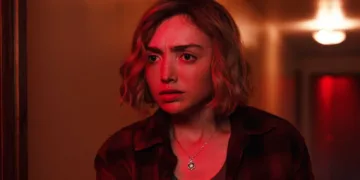
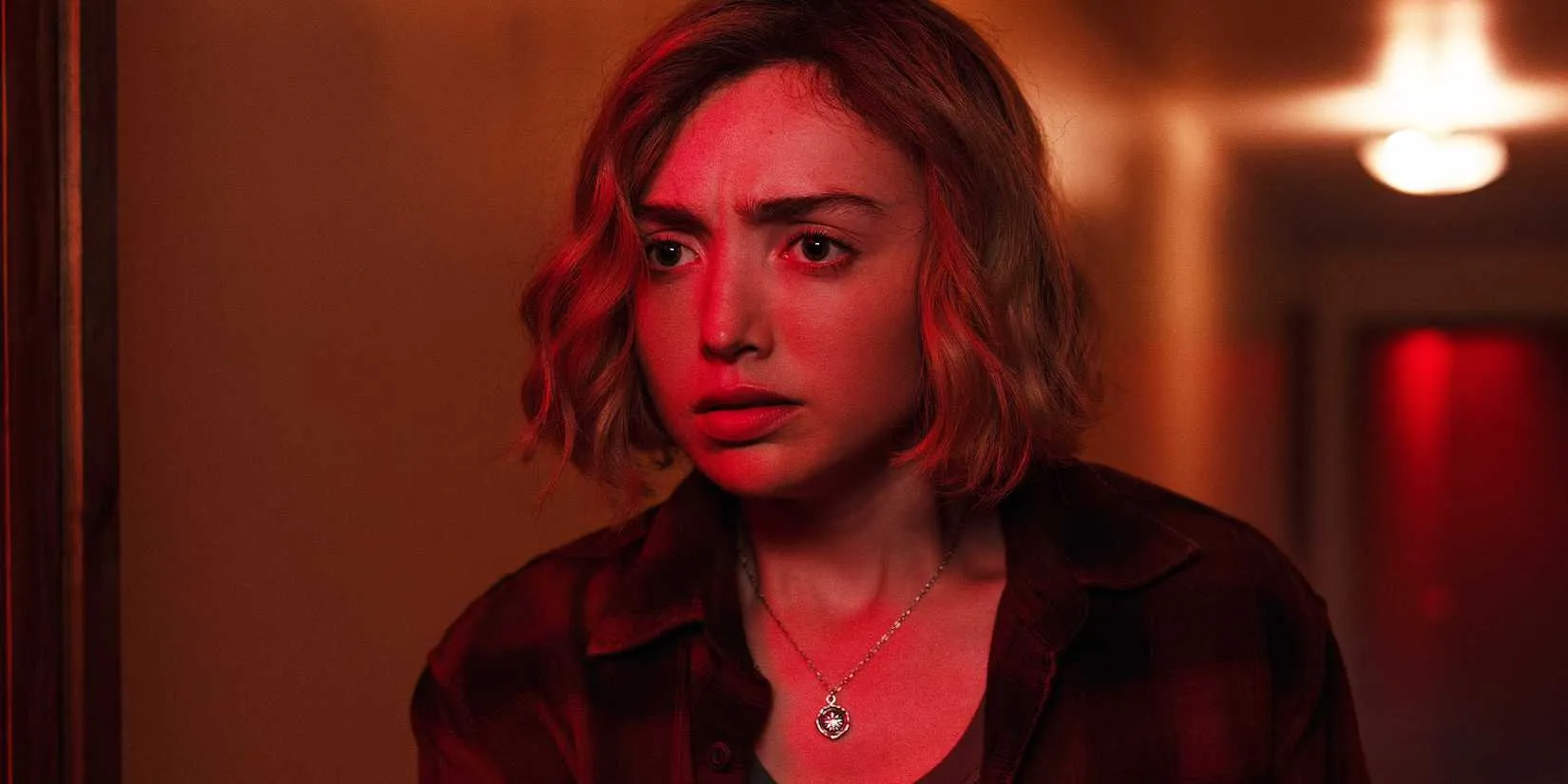
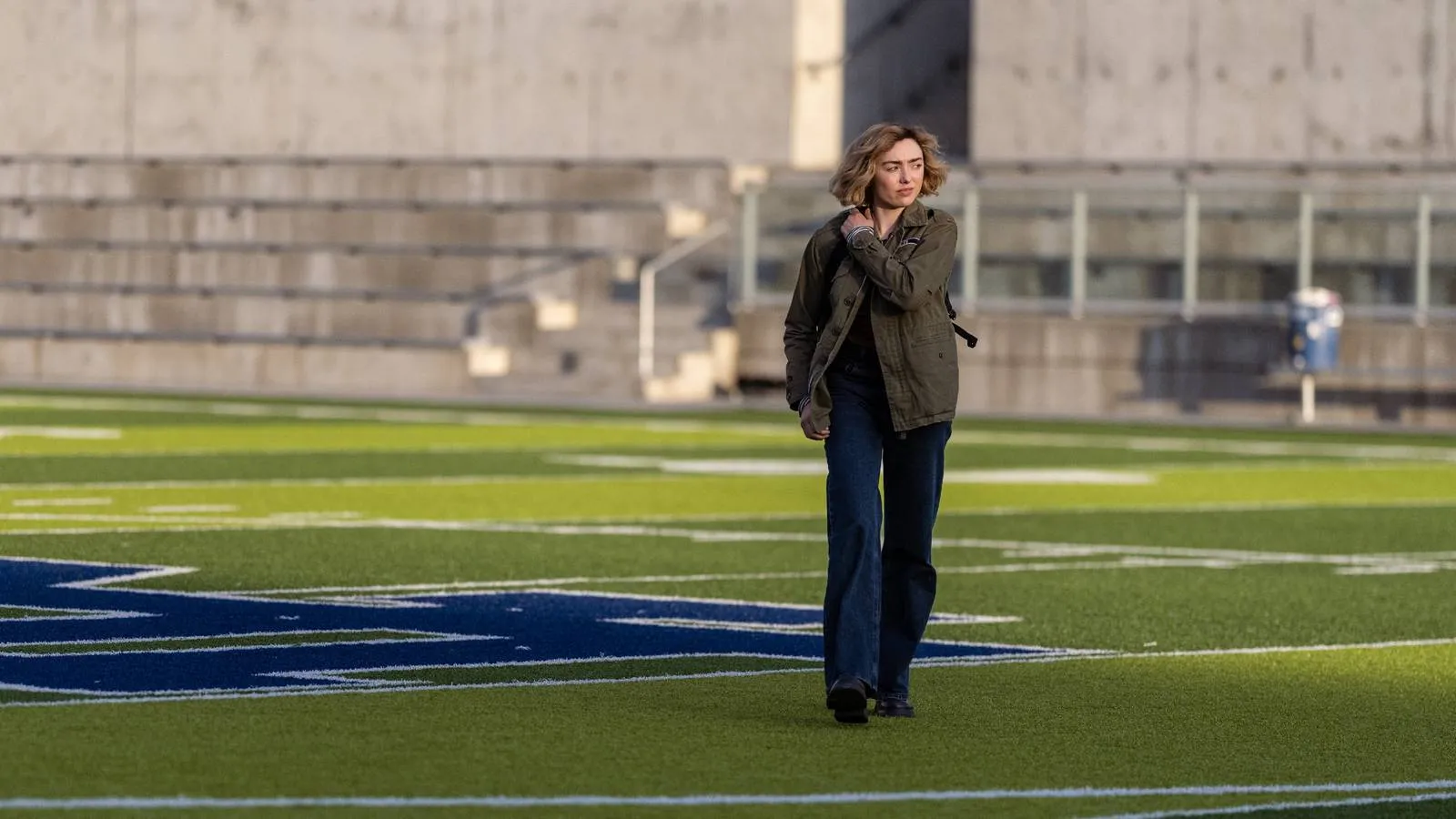
Maddie’s return to Split River High becomes a study of survival that echoes social alienation after long isolation. She moves through the halls with quizzical detachment, and Peyton List captures the sensory overload of reclaiming a life that others already mourned. Her relationship with her mother, Sandra, remains the emotional anchor of that shift.
Both women try to live with shared trauma, yet their distance feels sharper even with Maddie physically present. The show frames that friction as a familiar social problem: communities talk about recovery, then struggle with the daily work of welcoming trauma survivors back into “normal” routines. Maddie also carries a new paranormal sensitivity. She still speaks with the dead, and that connection now ties itself to specific sites of tragedy.
Simon’s situation turns into a literal displacement that reads like a metaphor for how living people can vanish inside digital or bureaucratic systems. He is alive while occupying a ghost’s space, and the state feeds visible frustration. He clings to the “alive” label as an assertion of identity in a world that treats his physical form as absent. His relationships with Wally, Charley, and Rhonda shift into something competitive as he fights for recognition and room.
The intimate bond he shared with Maddie gives way to logistics and limits. Physical closeness does not solve the new rules that block their former ease. Nicole, Xavier, and Claire feel Simon’s disappearance as a hollowing-out of the group, and their failure to locate him in the living world fractures the dynamic. The season uses that fracture to show how quickly support systems fall apart when someone becomes invisible to the structures that certify presence.
Paranormal Mechanics: Scars, Rifts, and the Boiler Room
The introduction of “scars” and rifts along paranormal borders reframes the show’s logic around lasting damage. The new mechanics imply that trauma inside Split River High left permanent marks in the building itself. Janet steps forward as an intellectual guide to these rules. Her calculating mindset brings a cold clarity to chaos, presenting her as someone who favors systems over sentiment.
The focus on “rifts” gives Maddie a way to reach across the divide between the living and the dead, with a link that stays fragile and tied to location. It tracks with a streaming-era habit of building supernatural rulebooks that echo modern communication problems, where connection depends on access, proximity, and the right conditions.
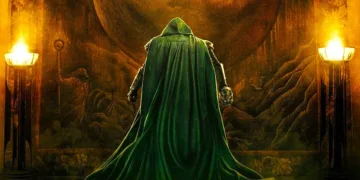
Mr. Martin remains the looming danger, anchored in the boiler room. His presence signals a deeper, older malice, and his talk of “dark forces” points to an afterlife shaped by captivity. The ghosts read as people contained by a malevolent institutional power they cannot fully name. That approach pushes a systemic critique into the supernatural layer, suggesting that authority and confinement persist even after death.
The show’s visual design supports the shift, leaning into horror through the red-bathed boiler room and the hospital’s clinical eeriness. These spaces establish a harsher aesthetic that matches the season’s rising stakes. The hospital turns into a recurring site for paranormal activity, and the series treats it as proof that haunting and health now share the same floor plan.
New Characters and Institutional Shifts
Jennifer Tilly arrives as Dr. Deborah Hunter-Price and brings sharp, dark comedy into the season’s pressure cooker. As the new superintendent, she embodies institutional coldness. She evaluates the school for possible closure, placing the living students’ future against the ghosts’ dependence on the school as home.
Tilly’s theatrical flair underlines the absurdity of bureaucratic oversight in a story where the crisis is literally supernatural. Her daughter, Livia, adds a different social threat. As the new queen bee, she represents the persistence of high school hierarchy, the same hierarchy the ghosts have spent decades watching and enduring.
A subplot about ghosts infiltrating Livia’s group of mean girls offers relief through humor while still taking a swing at teenage social performance. The series treats cliques as shallow systems of belonging, and it suggests that a ghost can move through them with more authenticity than the living. The larger danger stays institutional. The possibility of closure functions like a ticking clock for Maddie’s mission.
If the school is demolished, the “scars” and the spirits tied to them face erasure. That pressure pushes Nicole and Xavier into a confrontation with their place inside the school system, forcing them to seek agency in a world that reduces people to files and outcomes. Through these new figures, the show argues that cultural rules and institutional norms can trap people as tightly as any physical hallway.
Tonal Evolution: From Mystery to Mature Horror
The season’s turn toward overt horror signals a series growing alongside an aging audience. The “strangerthingsification” of the plot supports heavier themes of mortality and existential dread. Mr. Martin’s “dark forces” land as concrete danger, creating an immediate sense of impending chaos. Suspense and atmospheric lighting take priority, and the story leans into the psychological cost of haunting, with attention on unresolved trauma that keeps characters stuck to their past.
Supporting characters such as Yuri and Rhonda gain weight through moving sequences that emphasize diverse storytelling. Their histories stop feeling like side notes and become central to how the season treats grief and social exclusion across generations. Early episodes handle the expanded scale with confident pacing, keeping multiple storylines active while holding tight to Maddie and Simon as the emotional through-line.
The production values show a clear upgrade, with red lighting and unnerving set design shaping a consistent visual identity for this era. Even the episode titles signal a more deliberate, curated sense of progression. The result is a season that treats teen drama as a vessel for serious reflection, using horror aesthetics and tightened pacing to connect personal trauma with institutional power and cultural visibility.
School Spirits Season 3 premiered on Paramount+ on January 28, 2026, launching with a three-episode event that immediately heightened the stakes for the residents of Split River High. The season follows Maddie Nears as she navigates her jarring return to the living world while her best friend, Simon, remains trapped in the spiritual limbo she just escaped. As of today, January 29, 2026, the first three episodes are available for streaming, with subsequent episodes scheduled to drop weekly every Wednesday until the finale on March 4. The series is currently available to watch exclusively on Paramount+ in most regions.
Full Credits
Title: School Spirits (Season 3)
Distributor: Paramount+
Release date: January 28, 2026
Rating: TV-MA
Running time: 44–54 minutes
Director: Max Winkler, Hannah Macpherson, Brian Dannelly
Writers: Megan Trinrud, Nate Trinrud, Oliver Goldstick, Lijah Barasz, Zach Dodes, Bernadette Luckett, Morgan Gould, Natalia Castells-Esquivel
Producers and Executive Producers: Megan Trinrud, Nate Trinrud, Oliver Goldstick, Max Winkler, Katie O’Hara, Vicki Sotheran, Don Dunn, Natalia Castells-Esquivel, Peyton List
Cast: Peyton List, Kristian Ventura, Milo Manheim, Kiara Pichardo, Spencer MacPherson, Sarah Yarkin, Nick Pugliese, Rainbow Wedell, Ci Hang Ma, Miles Elliot, Josh Zuckerman, Jennifer Tilly, Ari Dalbert, Erika Swayze
Director of Photography (Cinematographer): Kamal Derkaoui, Jay Sullivan
Editors: Lori Ball, Robert Lattanzio
Composer: Anna Waronker
The Review
School Spirits Season 3
Season 3 of School Spirits successfully pivots from a character-driven mystery into a chilling exploration of institutional trauma and existential displacement. While the role reversal between Maddie and Simon risks narrative repetition, the introduction of sharper comedic elements and a darker, more mature horror aesthetic keeps the story feeling urgent. The series remains a standout in the streaming landscape, proving that teenage stories can carry significant weight when they embrace their more haunting, systemic implications.
PROS
- Peyton List and Kristian Ventura deliver nuanced portrayals of isolation and frustration.
- The use of red lighting and new "creepy" sets effectively signals a successful tonal shift into horror.
- The introduction of "scars" and rifts adds a fresh layer of technical depth to the supernatural world.
- Jennifer Tilly brings a refreshing, darkly comedic energy that disrupts the school’s status quo.
CONS
- The first few episodes take time to establish the new status quo before the momentum picks up.
- The central "place-swapping" trope between the leads may feel slightly recycled to long-term viewers.
- Certain rules of the "ghost logic" remain inconsistent or conveniently vague.