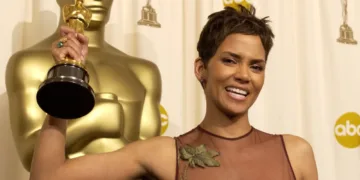


























In a recent interview with The Cut, Halle Berry said her 2002 Academy Award win for Monster’s Ball failed to unlock the wave of leading roles she expected. She recalled waking up after the ceremony and realizing the industry still treated her through the same racial lens, describing directors who worried that casting a Black woman would reshape a project’s “whole story” and hurt overseas sales.
Berry remains the only Black woman to have won best actress, a milestone that has become a measuring stick for Hollywood’s promises on representation. She said she believed the win would bring a “script truck” to her door, then watched the offers stay largely flat. Her comments arrive as studios keep talking about expanding opportunity while bankability assumptions still steer financing, packaging, and international presales.
Other Oscar-winning Black actresses have voiced similar frustrations. Lupita Nyong’o has described a post-Oscar stretch filled with narrow, repetitive parts rather than a broader set of choices, a pattern Berry pointed to as evidence that prestige does not automatically translate into agency for Black women in the lead-actor lane.
At the same time, awards-season tracking shows uneven movement: Black artists have stacked nominations in several categories this year, even as the best actress race has continued to lag behind the industry’s on-screen diversity rhetoric. Berry has urged peers to treat trophies as validation, then keep pushing for better material and stronger creative control, a stance she has repeated in earlier interviews marking the two-decade mark of her win.
Outside the Oscars debate, Berry has also spoken about stepping back from publicity after years of tabloid framing of her personal life, a reminder that the pressures attached to visibility can shape careers as much as the roles themselves.