






















![Kingdom Hearts Collection [I-III] Review](https://gazettely.com/wp-content/uploads/2026/10/Kingdom-Hearts-Collection-I-III-1-360x180.webp "Kingdom Hearts Collection [I-III] Review: KHII Holds Steady as Newer Entries Fluctuate 37")


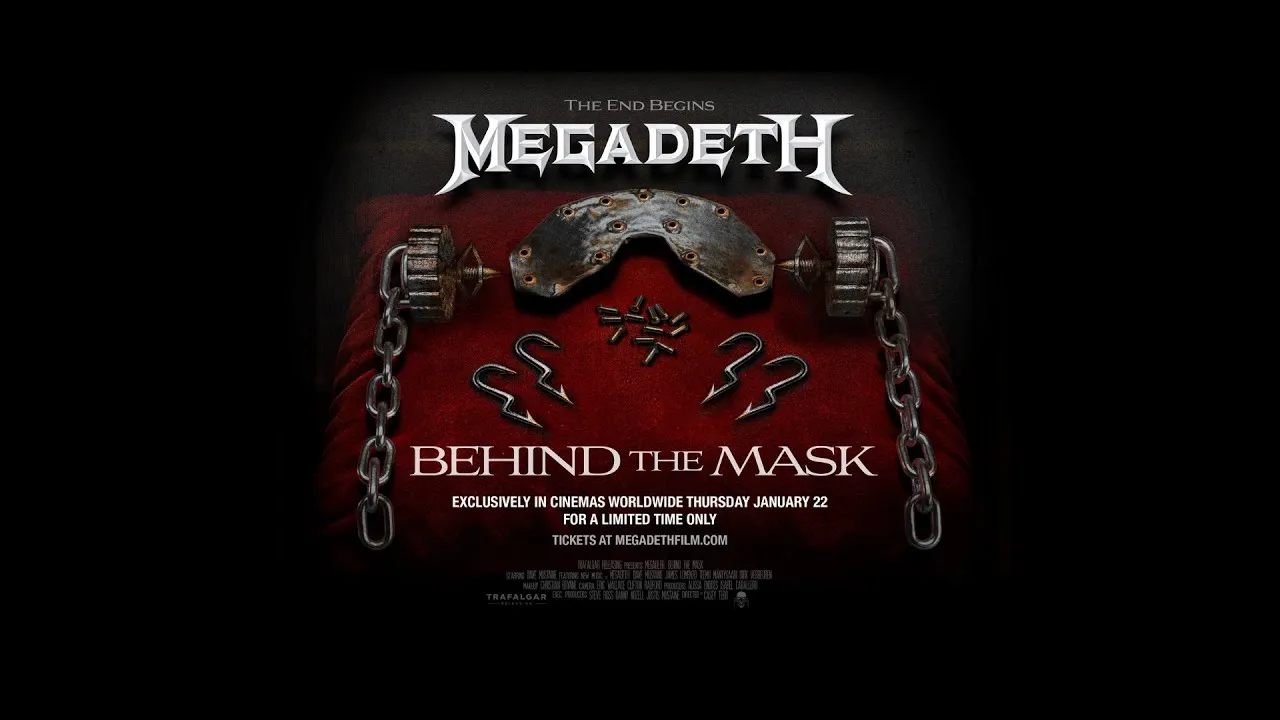

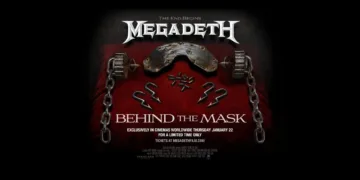
On January 22, 2026, a singular cinematic event occupied over 1,000 screens across 35 countries. The feature serves as a prelude to the release of the final self-titled Megadeth studio album on January 23. Directed by Casey Tebo, the 109-minute film is built as a global listening party hosted by Dave Mustaine from his Nashville residence.
The premise joins a retrospective of the band’s storied history with an exclusive preview of new material. The work is framed as a final statement before the group begins its definitive farewell tour. The footage features the current stable lineup consisting of Teemu Mäntysaari, James LoMenzo, and Dirk Verbeuren.
By placing the viewer inside Mustaine’s private space, the film establishes a direct connection between the creator and the global audience. It keeps the focus on the weight of a forty-year legacy, with little patience for the usual promotional performance. The presentation reads as a deliberate act of closure for a foundational pillar of thrash metal, shaped to feel like an ending spoken plainly.
A Chronicler of Survival
Mustaine anchors the narrative in 1983. He recounts the formation of the group following his departure from Metallica. This history spans four decades and seventeen studio albums, and the reflections carry significant weight. He speaks of the profound impact felt after the death of Cliff Burton, an event that inspired the mournful depth of In My Darkest Hour. The film treats these tragedies as more than background detail. They register as forces that changed the music’s temperature and the man’s posture.
The film also details his physical struggles with directness. He survived throat cancer in 2019. The radiation treatments left a permanent mark, resulting in the loss of his teeth. The storytelling widens to include intimate grief, as he shares the painful story of his mother-in-law and her disappearance during her battle with Alzheimer’s. Faith remains prominent in his remarks. He discusses his decision to thank Jesus during a Grammy acceptance speech, presenting belief as something carried publicly, even under the glare of a career shaped by conflict and endurance.
At age 64, his perspective has shifted toward reflection. The delivery feels raw and lacks a formal script. He appears honest and settled. The sharp anger of his early career has faded into a quiet form of resolution. He looks back at his life without the need for defensive posturing. The storytelling provides a clear view of a man who has outlived his own demons. Each anecdote contributes to a picture of survival and stubborn persistence.
The Architecture of Thrash
The musical selections emphasize a high level of technical skill, treating precision as a kind of autobiography. Teemu Mäntysaari earns the title of virtuoso through his precise execution of complex arrangements. Tipping Point opens the set with a rapid tempo, and the accompanying video presents a stark post-apocalyptic landscape. I Don’t Care adopts a punchy punk aesthetic driven by a distinctive spoken delivery. Hey God?! examines themes of faith through a heavy musical chug, letting the riffs carry the argument with blunt force.
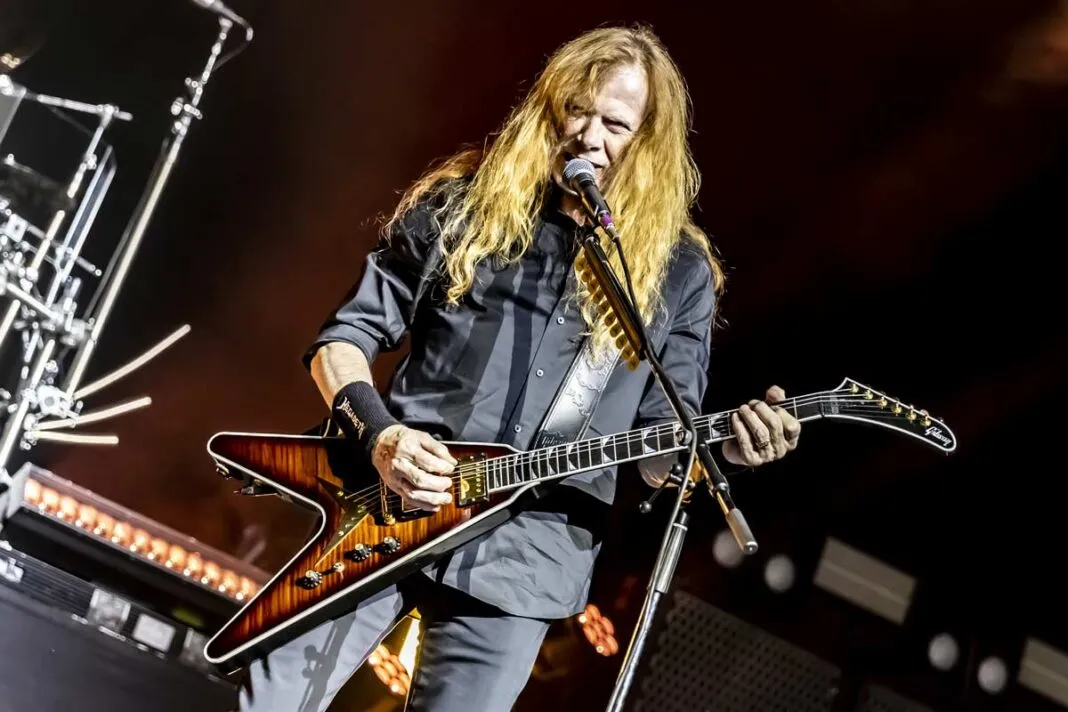
Puppet Parade introduces a theatrical element. It features the recurring image of the mascot Vic Rattlehead, a symbol that keeps returning like an old warning sign. Made to Kill represents the peak of speed on the record. It relies on staccato vocals and sharp lead work, cutting tight shapes through the rush. Obey the Call provides visceral shifts in tempo that challenge the listener, yanking the body between bursts and brakes with little mercy.
The emotional climax arrives with The Last Note. As the final track of the final album, it carries a heavy burden. It serves as a dignified exit, refusing melodrama and landing with the steadiness of a chosen goodbye. The film concludes with a new recording of Ride the Lightning. This choice functions as a significant gesture toward James Hetfield and the shared history of Metallica. The guitar work remains sublime throughout this rendition, letting craft speak in the final moments.
The album pulls together elements from different eras of the band’s evolution. It balances the bite of early thrash with a more refined melodic intelligence. The production captures the intensity of a group that refuses to diminish its power even at the end of its run.
The Nashville Shrine
The visual setting of the Nashville home provides a sense of intimacy. A long table dominates the room. It is covered in physical relics of a long career. Miniature Flying V guitars and the severed hands of Vic Rattlehead sit among the debris of history. These items act as symbols of a life spent in the service of heavy music, turning the room into a shrine assembled from obsession, work, and time.
The pacing creates a steady flow between interview segments and music videos, keeping momentum where retrospective features often stall. The lack of a polished PR script allows for moments of genuine authenticity. The camera captures unfiltered reactions and honest thoughts, with small pauses and stray expressions carrying as much weight as the carefully phrased lines. This environment makes the viewer feel like a participant in a private gathering, seated close enough to catch the human texture of the performance.
The inclusion of live footage and clips from fan interactions adds to this communal feeling. The sense of finality remains inescapable. Mustaine is clear about his intention to retire his guitar after the upcoming world tour. The film documents a veteran musician acknowledging the completion of a massive body of work. He views his legacy with pride and relief. The door is closing on a specific era of metal history. This production ensures that the final chapter is written with clarity. It leaves the audience with the image of a creator satisfied with the scope of his contribution.
Megadeth: Behind the Mask premiered globally on January 22, 2026, as a special one-night-only cinematic event across 35 countries. Directed by Casey Tebo, the documentary offers an intimate look at the 40-year legacy of the band, featuring Dave Mustaine as he reflects on their history from his Nashville home. The film provides a track-by-track breakdown of the band’s final self-titled studio album, which was released the following day on January 23. While the initial release was a limited theatrical engagement, fans can look for subsequent digital availability through official band channels and major streaming platforms later this year.
Full Credits
Title: Megadeth: Behind the Mask
Distributor: Trafalgar Releasing, LUF Kino
Release date: January 22, 2026
Rating: FSK 16
Running time: 108 minutes
Director: Casey Tebo
Writers: Dave Mustaine, Casey Tebo
Producers and Executive Producers: Casey Tebo, Dave Mustaine, Kymm Britton, Shadow Pictures
Cast: Dave Mustaine, Teemu Mäntysaari, James LoMenzo, Dirk Verbeuren, Vic Rattlehead
Director of Photography (Cinematographer): Casey Tebo
Editors: Casey Tebo
Composer: Megadeth
The Review
Megadeth: Behind the Mask
Behind the Mask succeeds as a dignified farewell. It provides a rare look at Dave Mustaine’s resolution with his history. The film avoids the trap of a standard documentary. It creates an intimate space for both retrospection and the introduction of new music. The technical skill on display proves the band remains at the height of its power. This is a vital piece of history for anyone following the evolution of heavy metal. It serves as a definitive period at the end of a long and influential sentence.
PROS
- Unfiltered and honest biographical narrative.
- High production value in the music videos.
- Technical virtuosity of the current band members.
- Clear sense of closure for long term followers.
CONS
- Specific focus limits appeal to general audiences.
- Lyrical choices in certain new tracks feel less refined.