



















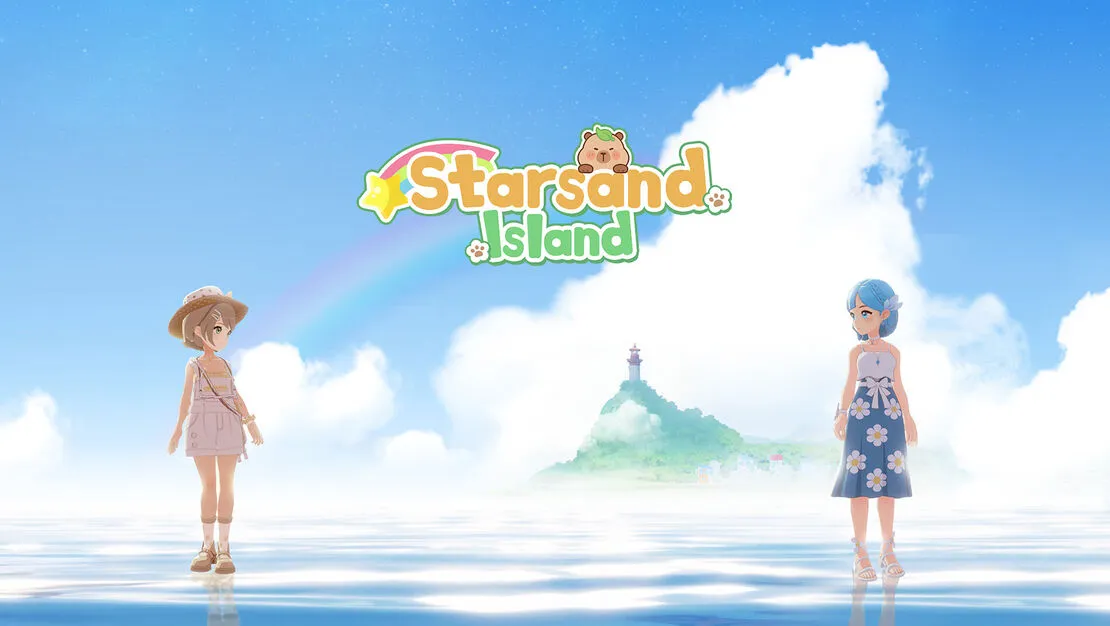

Leaving the friction of a corporate existence behind gives your arrival on the island its emotional charge. The setup keeps exposition light and commits to the sensory change right away, trading city noise for the tide’s steady rhythm.
You step back into a childhood home that has been waiting ten years for you, and that history quietly supports the first conversations you have. Solara, a friend from earlier in your life, greets you at the docks and becomes the first point of stability in this new chapter. She guides your introduction to the island with a gentle hand, keeping instruction from feeling like a rigid tutorial and letting routines emerge at a comfortable pace.
The island’s visual identity leans hard into a shoujo anime look, with romanticized scenery and soft, glowing light. Seasonal change lands with real impact because the palette swings so boldly, shifting from summer’s lush greens to autumn’s warm sunset oranges.
Your farm sits in quiet rural pockets, and a nearby miniature city brings noise and motion in close reach. That urban center feels surprisingly dense, packed with shops and tourists that make the island read as a real destination. The presentation aims for a retreat that feels polished and deliberately slow, a place where relaxation is part of the design.
Vocational Freedom and the Pillars of Island Life
The mechanical core runs on a freeform progression system that avoids the rigid scheduling common to the genre. From the start, you can pursue five major paths: farming, ranching, fishing, crafting, and exploration. Many life sims reward a jack-of-all-trades routine built around maximum profit; here, the structure gives you room to specialize or leave entire lanes untouched.
That choice matters because it shapes your daily rhythm and the kind of stories you end up telling about your time on the island. The game tracks progress and quests through a smartphone interface, keeping tasks, goals, and records in one accessible hub. It is a small framing device, yet it fits the theme of building a new life through self-directed decisions, with the practical benefit of keeping your to-do flow clean.
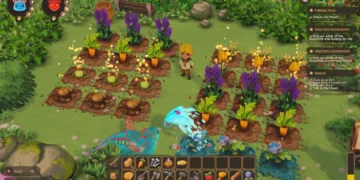
Farming works as a dependable economic base, and it asks for attention to soil health. Weeds push back against your tilled land, creating a steady maintenance loop that stays manageable once you learn its cadence. The real depth comes from fertilizer. Higher quality options can cut growth times sharply, and the most effective upgrades can produce instant harvests that help you hit urgent quest deadlines. That system ties mechanics to pacing: a well-timed fertilizer choice can shift a day from slow tending to fast completion, changing how pressure feels when a quest clock starts ticking.
Players drawn to animals can settle into ranching under Pastelle’s guidance, with a lineup of livestock that expands over time. You begin with familiar staples like chickens and ducks, then move toward rabbits and deer later on. Each animal brings its own resources, giving ranching a clear identity beyond a cosmetic farm add-on. The progression also reinforces the game’s larger idea of rebuilding life through chosen routines. You decide how much of your day belongs to crop cycles, animal care, or something else entirely, and the island supports that decision without pushing you back into one “correct” schedule.
Fishing opens the map in a meaningful way by turning travel into part of the activity. You can take a boat out to different aquatic regions, and that mobility makes fishing feel tied to discovery rather than a stationary dockside diversion. New species live beyond shore access, so the act of casting becomes a reason to explore the island’s waters and learn their boundaries. It is a quiet form of choice and consequence: selecting where to sail shapes what you find, what you can sell or use, and what you can contribute to quests.
Crafting, taught through the mentor Zerine, centers on a blueprint system with real breadth. You gather materials and build a range of items, from basic tools up through intricate furniture. Over time, your plot shifts from a functional farm to a customized estate, shaped by the objects you decide to prioritize. This is one of the places where the game’s theme and its systems align cleanly. Your “new life” reads through the furniture you make, the tools you improve, and the way your space gradually reflects your preferences.
Exploration changes the tempo by sending you into the Moonlit Forest for mining and combat. Combat revolves around a slingshot, with different ammunition types letting you adapt to threats, and sentry bots add tactical support during encounters. The result is a loop where your day can swing from soothing chores to focused action, then back again. Taken together, farming, ranching, fishing, crafting, and exploration create a dense routine that still feels readable. You can stack goals, pursue quests, and chase upgrades without turning daily play into a punishing checklist.
Modern Mobility and Architectural Expression
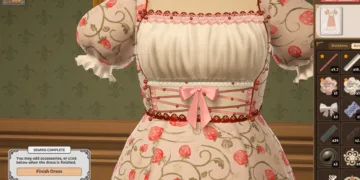
A key differentiator here is its interest in modern living and strong aesthetic control. Home customization goes far past simple expansions. You can buy specific layouts that reshape the architectural style of your house, letting you redefine your residence in big, discrete steps.
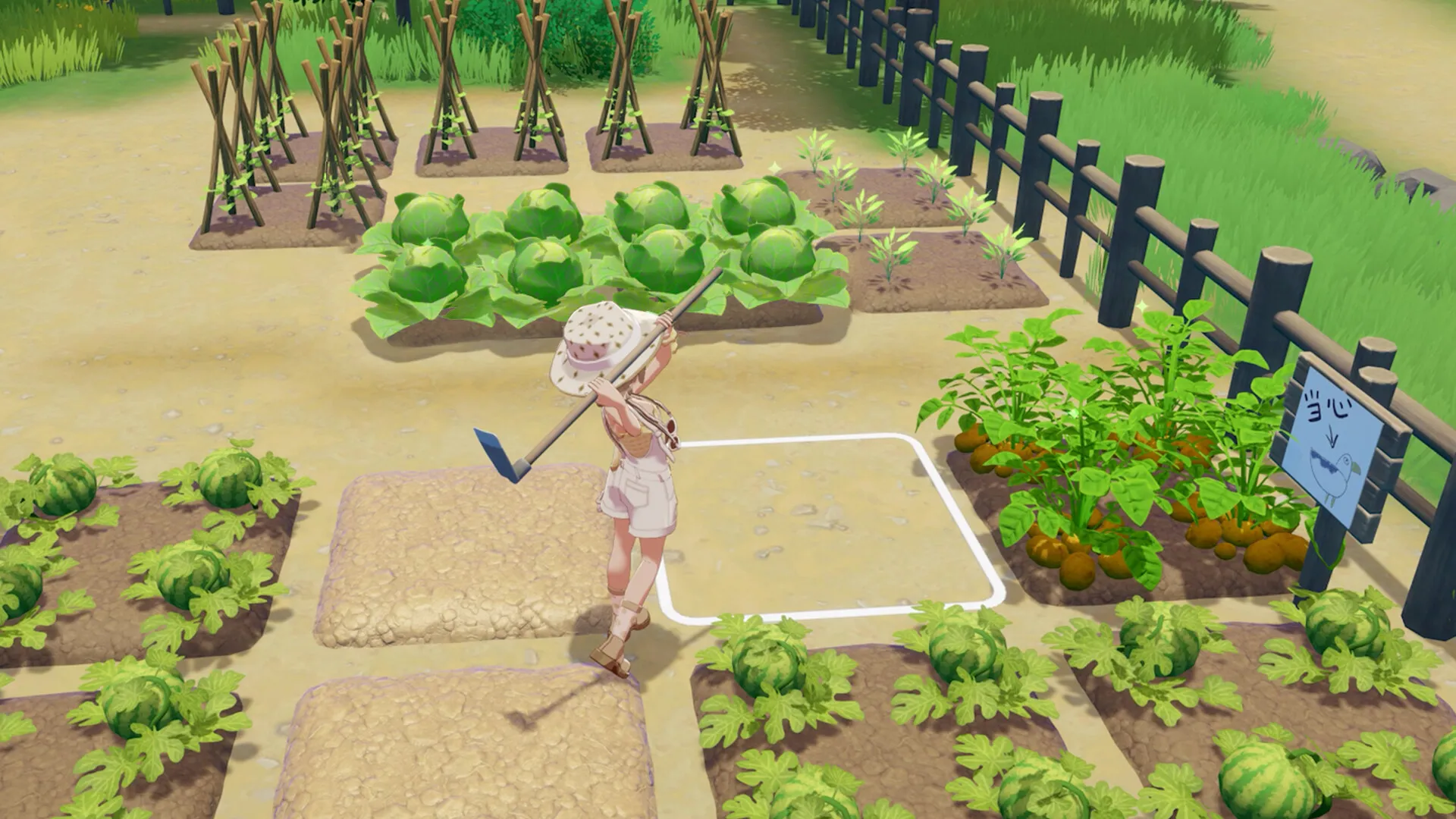
That means a quaint wooden shack can become a sleek modern complex, or a cottagecore sanctuary, with a single purchase. The system places creative identity at the front of progression, so your house reflects your current taste instead of locking you into a slow, linear build path.
Photo mode reinforces that sense of personal curation. You can capture rare landmarks or scenic vistas and frame them around your home, turning your interior into a record of places you chose to seek out. It reads as decoration, yet it also works like a quiet journal: what you hang on your walls reflects what you valued enough to stop, look, and document.
Movement gets similar attention through a transportation lineup built for a large map. Skateboards, rollerblades, scooters, and motorcycles give you different ways to cross the island, and the differences affect how the world feels moment to moment. Rollerblades provide quick, nimble travel and fit into your hotbar, encouraging frequent switching as you move between tasks.
Motorcycles support rapid runs across distant biomes, letting you treat the map like a connected space rather than a set of isolated work zones. The most advanced options cost serious money, yet rental bays and crafting choices keep mobility accessible for newer players who are still building their economy.
The city area supports these modern touches with small environmental details that sell the setting. Bikes lean against railings, and scooter parking appears in ways that make the town feel lived in and functional. That consistency helps the island avoid the feeling of a generic sandbox. Vehicles, housing, and everyday infrastructure work together to place you inside a society with its own rhythms. Your daily role comes through as active participation in a community that mixes rural calm with modern convenience and personal expression.
Community Bonds and the Early Access Landscape
Social life leans on a cast built around recognizable anime archetypes, and the relationship systems try to keep interaction from feeling like pure number-chasing. Gift giving sits at the center, and it plays with reciprocity in a way that feels warmer than a simple points meter.
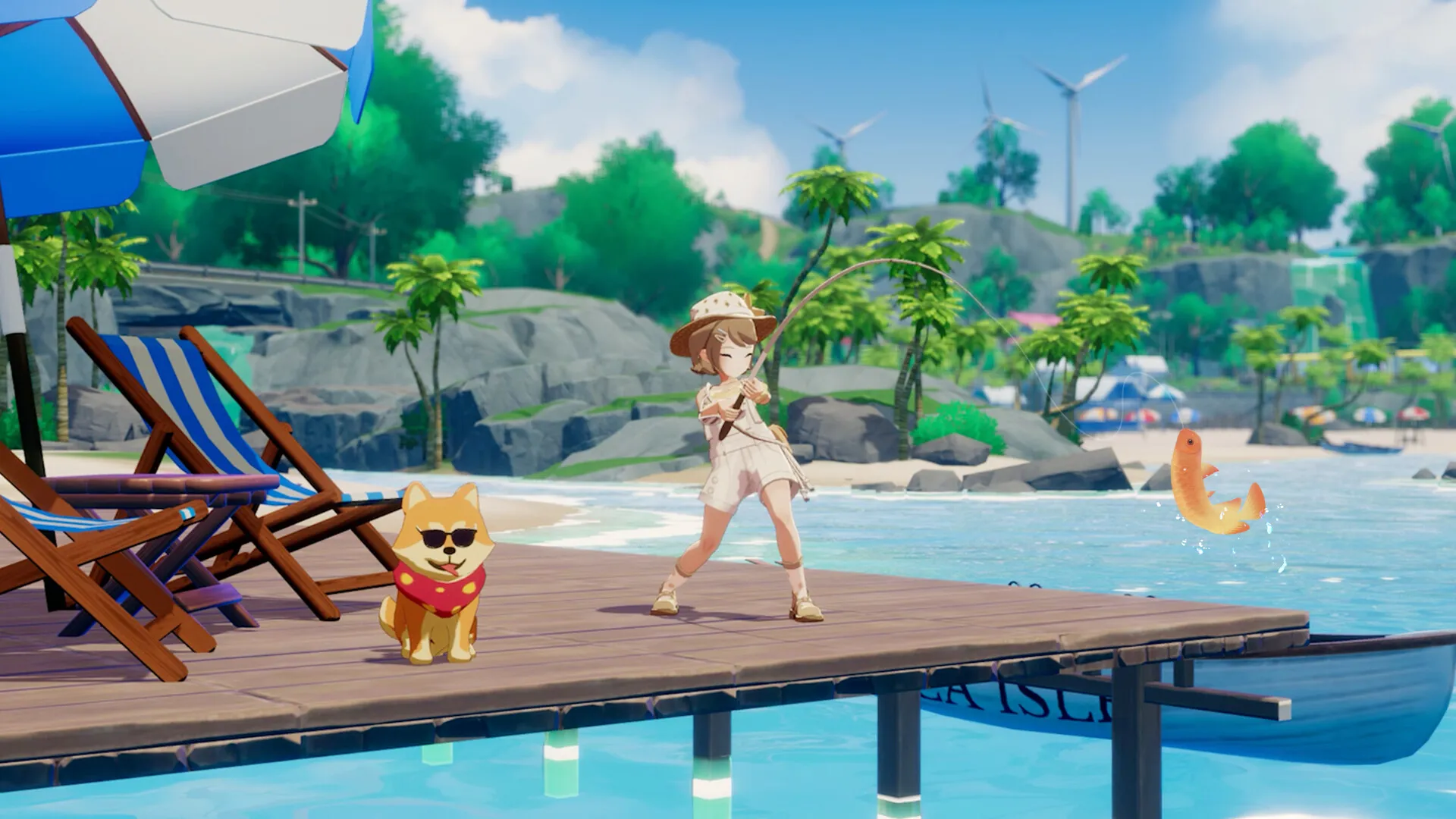
NPCs often hand you items back during casual conversations, turning exchanges into small two-way moments. You can chat with a neighbor and walk away with a snack or a useful resource, which supports the theme of returning somewhere familiar and welcomed. Tourists give the town constant motion and energy, though that steady flow can sometimes pull attention away from the local community.
Early Access status brings technical rough edges that ask for patience. Build mode offers real power, and the multi-select tool carries risk during major renovations, since improper use can cause stored items to disappear. Community events can also wobble. The summer beach festival has shown glitches where characters perform actions in midair or where activity triggers fail to load. These problems are specific and easy to identify, and they read like the uneven edges of an evolving project.
Menus for crafting and vehicle use can demand a learning period, largely because so many actions rely on layered button inputs. That complexity sits on top of a foundation that feels confident. The world lands as visually striking and mechanically dense, and it keeps a peaceful tone running underneath the systems.
The island gives you a life sim built around comfort and aesthetic freedom, with enough structure to support meaningful choices about how you spend your days. Bugs remain part of the current experience, yet the strength of the presentation keeps the escape fantasy intact for players who want a romanticized, slow island life.
The Review
Starsand Island
Starsand Island offers a polished and romanticized escape for those seeking a modern take on the life sim. While technical glitches in build mode and occasional social clichés present minor hurdles, the visual quality and vocational freedom create a compelling loop. It successfully bridges the gap between rural farming and modern convenience, providing a beautiful stage for a slow, self directed journey. The foundation is robust, making it a standout entry for fans of the genre who value atmosphere and aesthetic agency over high stakes pressure.
PROS
- Stunning shoujo anime aesthetic with fluid environmental effects.
- Highly flexible house customization and layout system.
- Diverse transportation options that make exploration feel active.
- Reciprocal social system where NPCs provide gifts to the player.
CONS
- Technical bugs in build mode can lead to resource loss.
- Certain character archetypes lean heavily into awkward clichés.
- Vehicle and crafting controls involve a steep learning curve.
- Festival events currently suffer from performance and logic issues.