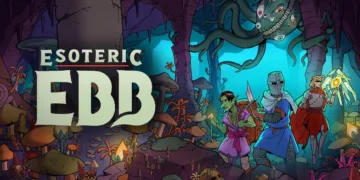






















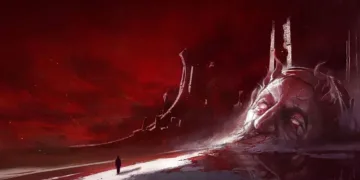
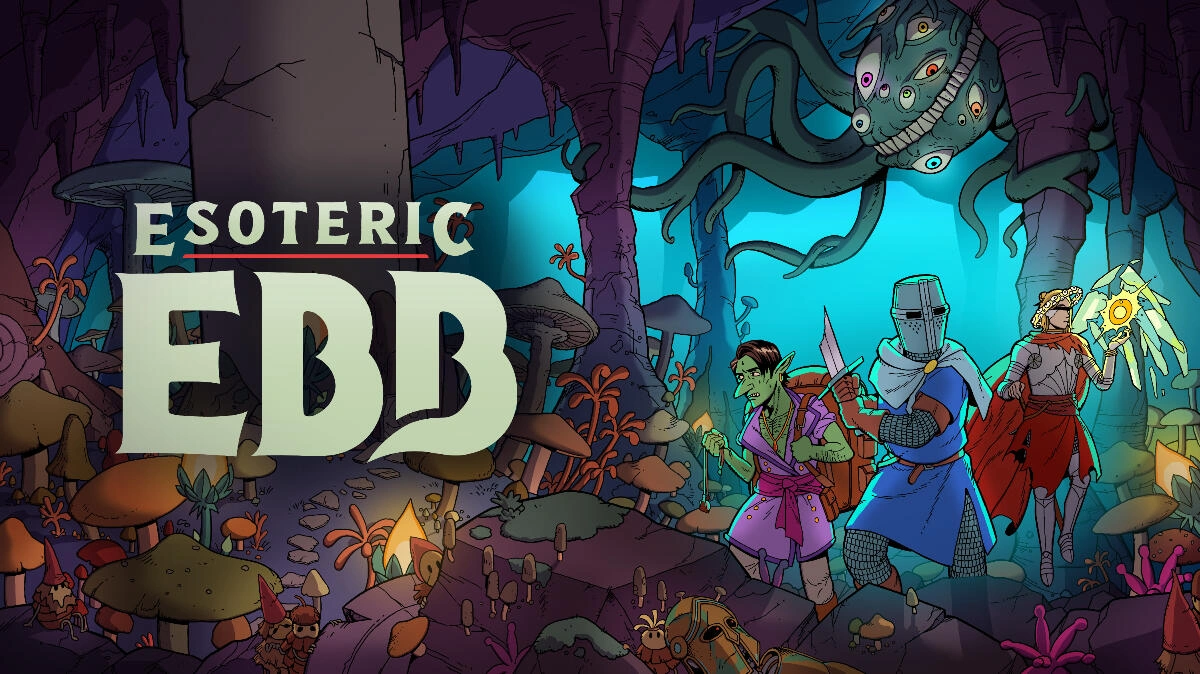

Esoteric Ebb opens in a state of exposure and helplessness. You wake as a level one Cleric on a cold stone slab in a morgue, cut off from your belongings and from much of your divine power. You are an Urthguard, a holy officer serving a deity who has been dead for thirty years. That setup frames a setting where faith has hardened into paperwork and ritual office.
The game takes place in Norvik, in the district of Tolstad, a place poised at the edge of its first democratic election. A tea shop explosion tears through that fragile civic moment. You have five days to work the case before the polls open. The tone carries the feel of an absurdist tabletop campaign, mixing procedural investigation with fantasy nonsense in a way that stays sharp and controlled.
That friction gives the setting its pulse. Institutions carry grave authority, yet the world around them keeps slipping into disorder and farce. Tolstad becomes a society caught between inherited doctrine and a modern political order still struggling to take shape. You start with a single helmet and the basic Cure Wounds spell, trying to hold together a city already coming apart.
The Theater of Ideologies
Tolstad’s politics reflect anxieties that reach well past fantasy. Three main factions compete for control: the social democratic Azgalists, the wealth-driven Freestriders, and the nationalist Party of Urth. The writing treats these movements with a dense, literary intelligence, while also filtering fantasy conventions through a comic sensibility that recalls works like Shrek or The Venture Bros.
That mix gives the game a curious transnational flavor. Its political language feels grounded in present public life, while its comic framing pulls those debates into the register of parody and performance. If you choose an apolitical stance, the citizens answer with reactions that are funny, sour, and incisive. The game repeatedly lets you inhabit failure. Some paths lean into weaponized incompetence, casting you as a useful idiot serving state power. That design choice gives the political satire real force.
The setting itself deepens that sense of estrangement through ideas like the hollow dome theory of the world and the gravity flip in the Underdark. The physical world feels inverted, and the social order carries that same instability. Humor runs through nearly every part of the script, giving space for the sadness and introspection that shape the investigation. What starts as surface comedy grows into a study of communal identity and personal grief.
The Internal Parliament of Attributes
Its central mechanical idea comes from a modified D&D 5th Edition ruleset. The six core attributes function as separate voices in your head. Strength, Dexterity, Constitution, Intelligence, Wisdom, and Charisma interrupt, argue, and interpret events from their own angles. Each stat develops a personality tied to your investment in it. High Strength speaks with the confidence of a lawful paladin.
Low Strength sounds like an authoritarian bootlicker. Intelligence can arrive as a deranged archwizard or as a baffled dullard, depending on how you build the character. This makes the relationship between role-playing system and narrative point of view unusually tight. Your build changes how the world is read back to you. The game also lets identity become fluid inside dialogue.
You can insist that you are a Dick-Ass Rogue instead of a Cleric, and the character sheet changes with that declaration. Magic carries the same material presence. Spells come from physical scrolls found out in the world. They serve combat and environmental problem-solving alike. Mage Hand can pull distant items into reach. Speak with Animals can turn animals into sources of evidence. After major quests, the game pauses for denouement conversations with the voices in your head.
These exchanges lead to Feats, framed as philosophical positions you have formed through experience. That structure turns stat checks into moments of self-reading. It also gives the game a cultural texture that feels close to works where identity is assembled through argument, performance, and competing inner languages.
The Clock and the Canvas
Time management supplies the main mechanical pressure in Tolstad. Time passes when you enter conversations, which makes speech itself part of the resource economy. You must watch exhaustion points closely. If you stay awake too long, skill checks grow harder, and the risk of permanent death becomes real. The system gives every question a cost, pushing you to decide which leads deserve your attention.
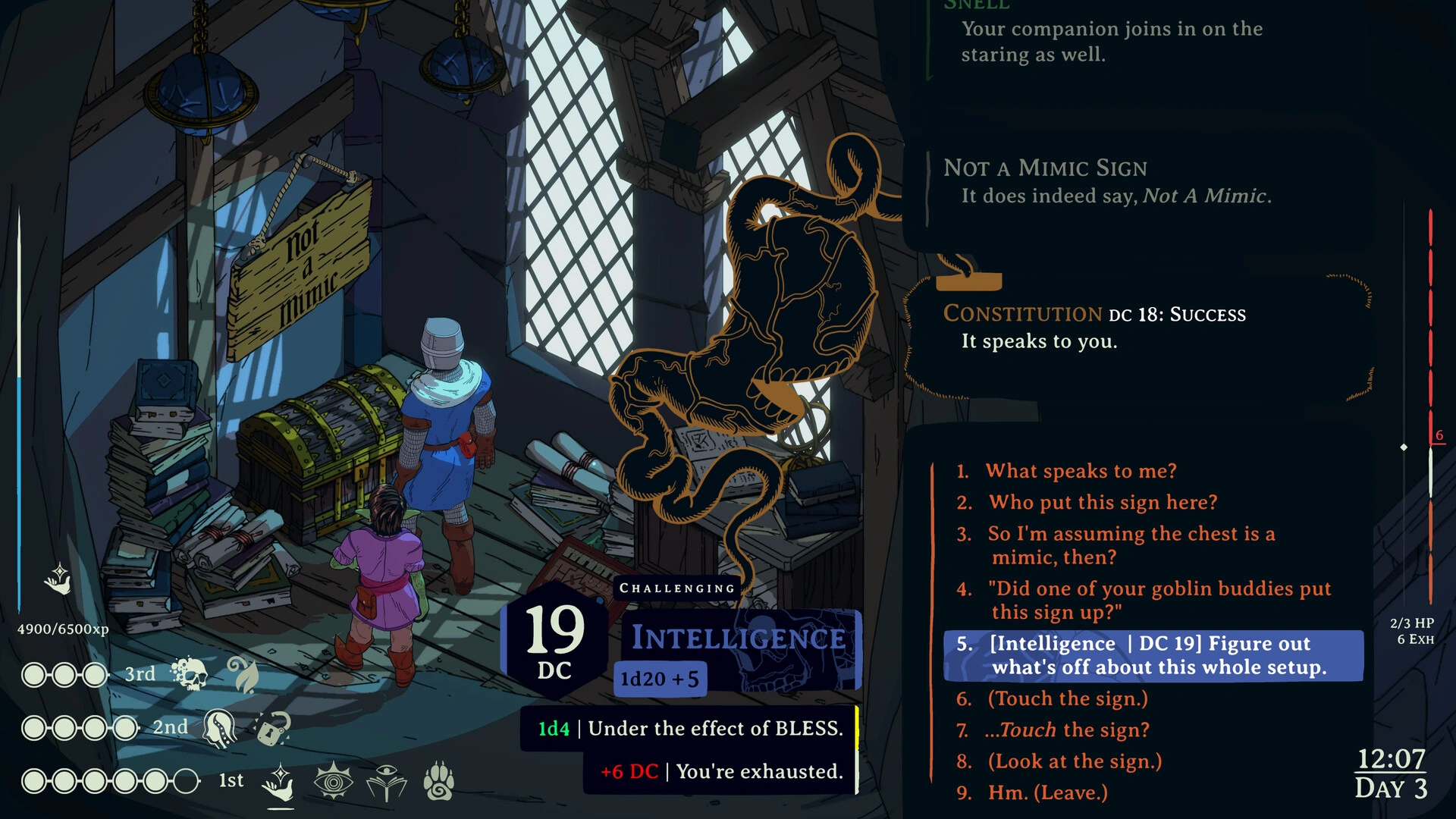
Combat works through a related logic. Initiative rolls matter, yet dialogue choices shape encounters just as much. The whole thing feels like a Dungeon Master responding to your spell list and to your willingness to improvise. An early ambush on a bridge can be shut down with a well-placed Grease spell and a smart use of the environment. Social encounters often hinge on Behold checks, which expose NPC character sheets and hidden information. Your path also includes companions like Snell and Ettir.
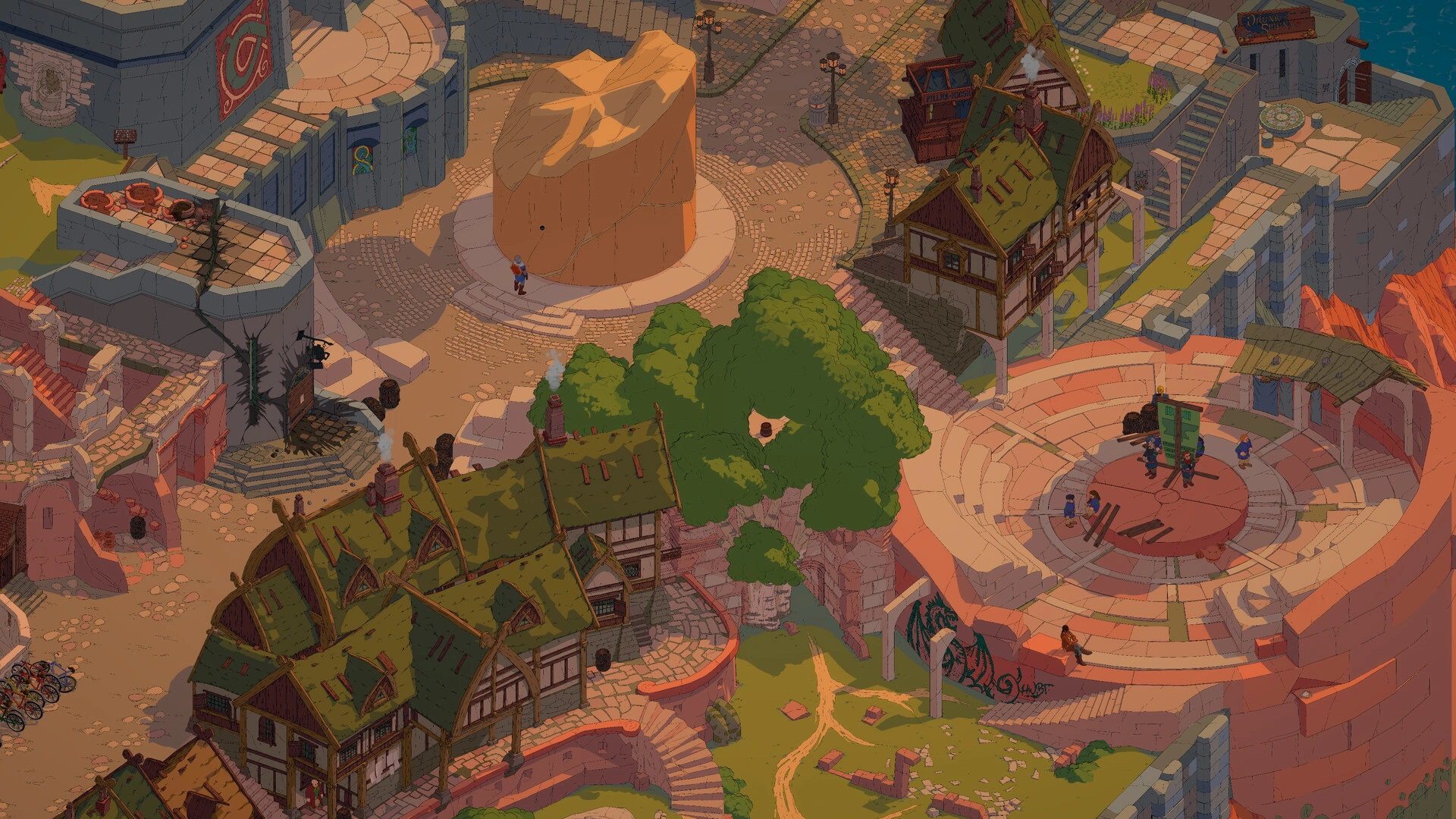
Snell is a capable goblin rogue who deeply distrusts humans. Ettir appears as a biblically accurate angel marked by a halo of eyes. Visually, the game supports that strangeness through a combination of 3D spaces and detailed 2D sprites. The look is blocky, colorful, and full of old-school energy, while still feeling fresh. It runs well on the Steam Deck. Inventory management with a gamepad can be awkward. That friction stays minor next to the pleasure of moving through a fantasy setting with such a clear and unusual identity.
The Review
Esoteric Ebb
Esoteric Ebb stands as a sharp evolution of narrative roleplaying. It succeeds by grounding absurdist humor in a rigorous political framework. The mechanical foundation of the six internal voices provides a fresh perspective on every choice. Minor technical glitches and a cluttered interface exist. The depth of writing and the reactivity of the world make it a standout experience. It offers a marriage of tabletop chaos and sharp wit.
PROS
- Sharp and intellectual writing
- High level of world reactivity
- Innovative attribute dialogue system
- Excellent companion characterization
CONS
- Cluttered inventory interface
- Occasional technical bugs