























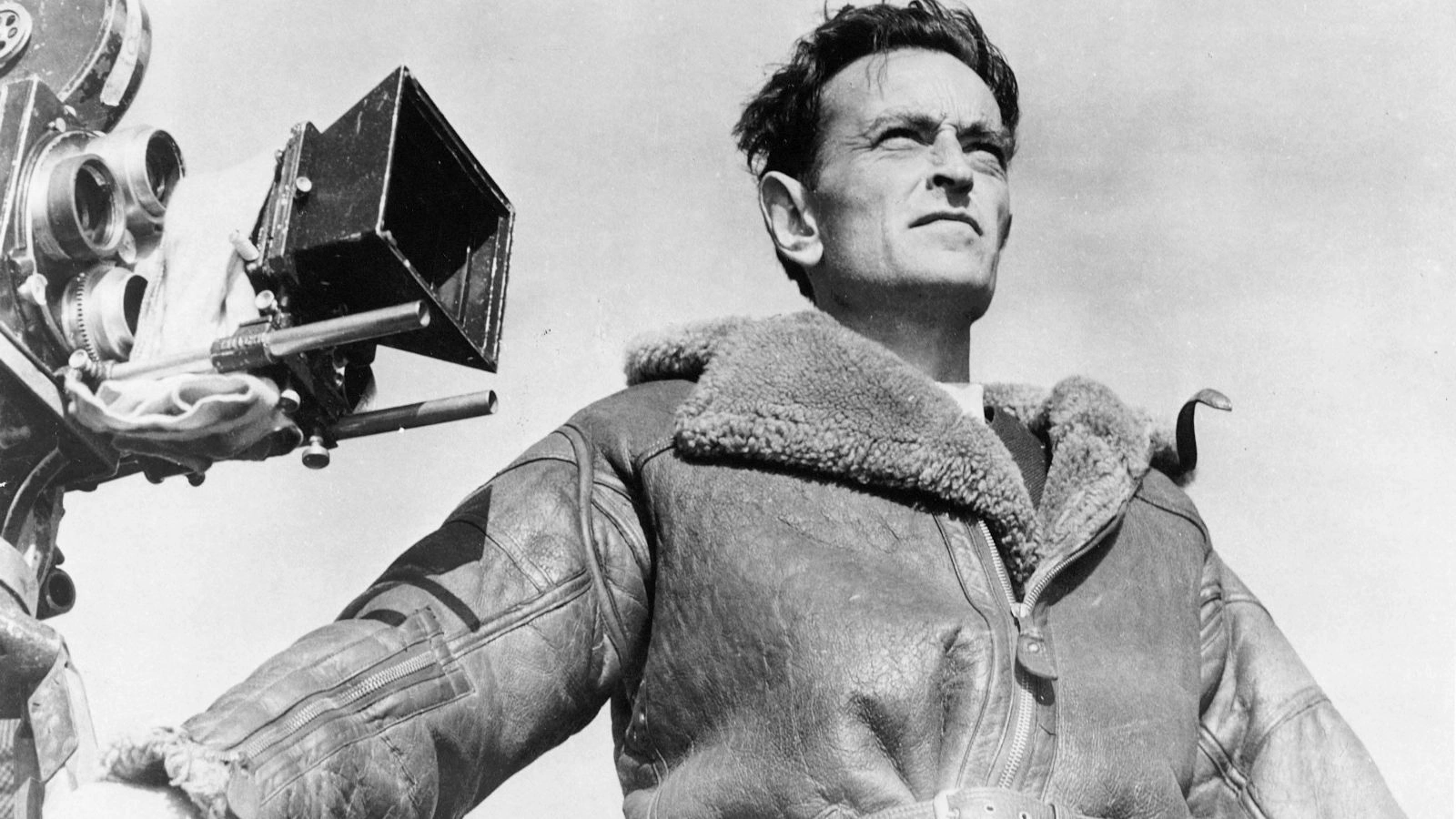

Barnaby Thompson’s documentary Maverick: The Epic Adventures of David Lean plays like a psychological autopsy of Britain’s supreme cinematic classicist. It presents Lean as a man divided against himself, tracing his movement from quiet studio apprentice to grand designer of mid-century cinema. Brief Encounter, The Bridge on the River Kwai, and Lawrence of Arabia all projected immense poise, the kind of poise that can begin to look suspicious once a camera lingers on the person arranging it.
Thompson builds the film around a productive paradox. Lean’s frames carried immaculate geometric control; his personal life moved in fragments, evasions, romantic accelerations, and old wounds. Cate Blanchett supplies cool, Olympian narration, and Kenneth Branagh reads Lean’s private letters with exposed vulnerability. The result is a portrait of an artist who built perfect cinematic universes as a refuge from his own unruly reality. A tidy frame can hide a lot. Ask any empire, family, or film critic with a lunch reservation.
Paternal Ghosts and the Geometry of the Cut
Lean’s early life reads like a bleak Dickensian blueprint. He grew up in a strict Quaker household in Croydon, where cinema was forbidden and sensory appetite had to learn the art of starvation. His father, a rigid accountant, treated his son’s undiagnosed dyslexia as stupidity and abandoned the family. That departure became a permanent psychic fracture. Lean spent his life chasing a paternal verdict that would never arrive. His career begins to resemble an elaborate, extremely expensive cry for his father to look up.
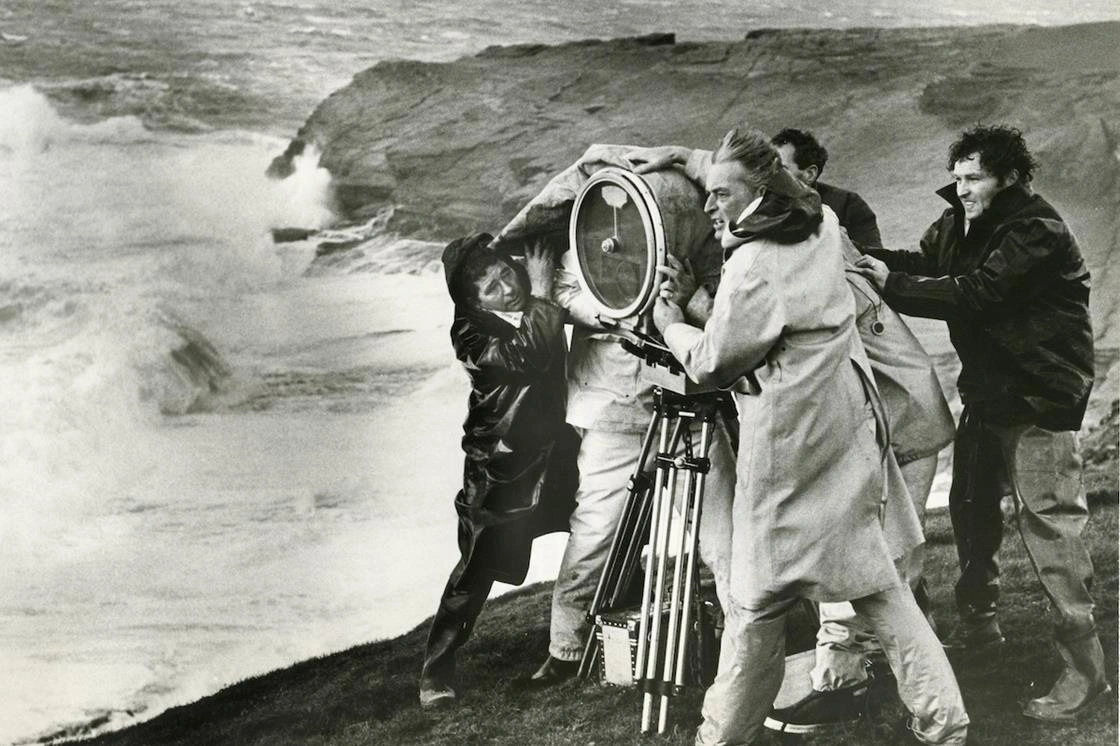
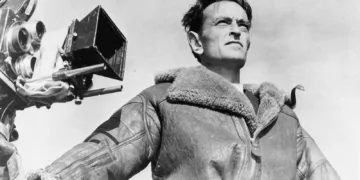
Escape came through industrial labor. Lean started as an on-set tea boy at Gaumont studios, then moved into the editing bay, cutting newsreels and working with figures such as Powell and Pressburger. The cutting room became his secular chapel. It taught him that chaos could be disciplined through mechanical sequence, rhythm, and collision. He became an obsessive master of “chrono-crafting,” a private grammar of time in which emotional force emerges from exact structural juxtaposition.
His move into directing beside Noël Coward on In Which We Serve felt almost preordained. With Brief Encounter in 1945, Lean helped shift the temperature of British cinema. Thompson wisely treats the film as sophisticated naturalism, a quiet study of middle-class adultery with a charge that felt dangerous for its period. Lean took a socially taboo impulse, shaped it through elegance, and left devastation in its wake.
Also Read





Imperial Canvases and the Nomadic Narcissist
The drawing-room dramas gave way to huge landscapes. Driven by a volatile partnership with producer Sam Spiegel, Lean left British studio sets for international locations, moving from Dickens adaptations into global spectacles. The Bridge on the River Kwai and Lawrence of Arabia changed Hollywood’s operating rules.
On those sets, Lean became a tyrannical perfectionist, demanding total submission from his crew. He took cinema into hostile terrains and behaved like a commander planning a campaign, which sounds glamorous until one remembers commanders are rarely known for letting people go home early.
A strange hypocrisy takes shape. Lean could locate a small human pulse inside an overwhelming desert expanse. His domestic life showed a collapsed capacity for empathy. The documentary links his screen fascination with temptation and loneliness to his conduct away from the camera. He became an emotional nomad: six marriages, younger companions, abandonment of his own son in a grim echo of his father’s abandonment. Wealth gave him a Rolls-Royce and motion. Fear of stagnation supplied the engine.
The archival interviews with his former wives carry a sober force. They describe him with restraint, seeing a damaged genius, a man whose playboy surface concealed profound insecurity. His hunger for romantic novelty becomes less erotic than diagnostic. Each affair had to feel like the romance of the century, a useful delusion for a man who fed creation with fresh emotional weather.
The Algonquin Tribunal and the Celluloid Relic
By the late 1960s, the cultural plates had shifted. New Wave counterculture made Lean’s classical formalism appear expensive, ceremonial, and faintly embalmed. Doctor Zhivago triumphed at the box office, and critics still scented opportunity. The rupture came with Ryan’s Daughter in 1970.
In a scene worthy of surreal theater, influential New York critics cornered Lean at a hotel lunch and berated him, item by item, for his stylistic choices. The savaging broke his spirit and began a 14-year retreat from filmmaking. It was artistic cruelty dressed up as discernment.
His return with A Passage to India in 1984 showed that his classical vocabulary still carried power, beating contemporary period dramas at their own game. Thompson fills the documentary with modern disciples, including Francis Ford Coppola, Alfonso Cuarón, Celine Song, and Denis Villeneuve.
They treat Lean as an essential textbook. The film becomes a manifesto for theatrical cinema, arguing that his exact orchestration of light and physical space loses essential force on a television screen. His legacy remains an intimidating monument to cinema at maximum scale, a reminder that art can be magnificent, punishing, vain, wounded, and absurdly expensive in the same breath.
Maverick: The Epic Adventures of David Lean premiered on May 17, 2026, as an official selection in the Cannes Classics section of the 79th Cannes Film Festival. Directed by Barnaby Thompson, this highly anticipated documentary chronicles the legendary British filmmaker’s journey from a strict Quaker upbringing and a disciplined studio editing apprentice to the mastermind behind monumental silver-screen masterworks. As a fresh festival premiere, it is currently seeking global theatrical and streaming distribution; thus, wide platform availability has not yet been announced.
Where to Watch Maverick: The Epic Adventures Of David Lean (2026) Online
Full Credits
Title: Maverick: The Epic Adventures of David Lean
Distributor: High-End Productions, Alamy, Festival de Cannes
Release date: May 17, 2026
Running time: 95 minutes
Director: Barnaby Thompson
Writers: Barnaby Thompson
Producers and Executive Producers: Barnaby Thompson
Cast: Cate Blanchett, Kenneth Branagh, Francis Ford Coppola, Alfonso Cuarón, Celine Song, Paul Greengrass, Steven Spielberg, Martin Scorsese, Wes Anderson, Nia DaCosta, Brady Corbet, Greta Gerwig, Joe Wright
Director of Photography (Cinematographer): Bryan Loftus
Editors: Barnaby Thompson, Todd Downing
Composer: Maurice Jarre, Rachmaninoff
The Review
Maverick: The Epic Adventures Of David Lean
Maverick: The Epic Adventures of David Lean is a masterful dissection of artistic obsession, illustrating how structural perfection on screen can emerge from a fractured personal reality. Barnaby Thompson skillfully balances cinematic reverence with psychological scrutiny, avoiding standard worship to deliver something far more intellectually satisfying. It stands as a vital reminder of what cinema loses when it abandons the big screen.
PROS
- Fascinating psychological analysis linking Lean’s paternal trauma to his cinematic themes.
- An exceptional lineup of contemporary directors offering deep, formalist insight.
- Excellent use of archival correspondence and rare behind-the-scenes footage.
CONS
- Slightly understates the vital role of musical scores in his epic filmography.
- Relies on a highly protective, charming archival persona that masks his legendary on-set volatility.