
















Opening a new comic book can hit the senses before the first panel, that clean smell of ink mixed with expectation. The opening minutes of this 48-minute Special Presentation create a similar charge, like pulling a lost, grimy issue from a dollar bin and realizing it still has teeth.
Frank Castle returns to the Marvel Cinematic Universe after a long silence. After the street-level wars in New York, he has faded into a room where the mission has already burned out. The list is complete. The target is gone. What remains is far uglier than momentum.
The short format tightens around him with suffocating force. Little Sicily appears as a decaying urban pocket sliding into lawless ruin. Frank sits in a small apartment with ghosts and pills for company, staring at walls like a soldier whose war has stopped answering him. The special catches a precise kind of stagnant isolation. It cuts down the usual superhero volume and commits to a heavy reality.
Its release timing feels pointed, arriving after the second season of the latest New York saga and examining the bleak aftermath for the man who walked away from the cage. The skull on his chest reads like the emblem of a life already over. Frank is wreckage kept upright. He drinks like it pays rent. He swallows pills by the handful.
The Vacuum of Vengeance
The story studies the terrible silence after vengeance runs out. Frank wiped out the Gnucci crime family and believed revenge would give him freedom. It gave him an empty room. The script treats that mental health crisis with blunt focus. Jon Bernthal and director Reinaldo Marcus Green co-wrote a story about a missionless soldier, and the structure reflects that condition. This is a narrative built around aftermath, circling grief and repetition until forward motion finally becomes possible.
Ma Gnucci enters as a distorted reflection. Judith Light plays the grieving matriarch with a sharpened edge, demanding Frank’s life as payment for her son. That direct tension gives the piece a clean dramatic spine. Frank suffers from hallucinations. He sees his dead marine brothers, including Curtis.
He sees his wife and children. These figures haunt the frame like stains that have learned to breathe, expressing his PTSD through image and rhythm. Little Sicily mirrors his inner collapse. The crime syndicate’s removal has left room for smaller cruelties. A scene with Dre, a local shopkeeper, makes that clear as masked vandals attack storefronts and hurt people.
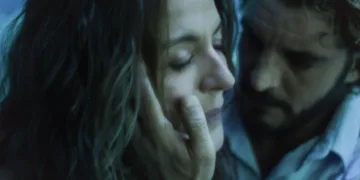
Frank is buried in his own grief, contemplating death at a gravesite. Karen Page arrives midway and changes the air in the room. She links him to his past and points toward a life beyond the apartment. She can reach the man behind the mask because she speaks to his pain plainly. Her appearance gives the story a brief release from its grim pressure, and she shakes some sense back into him with the authority of someone who has seen the damage up close.
The Sound of the Siege
Reinaldo Marcus Green directs the project like a gritty siege film. The apartment setting feels airless, creating the sensation of being trapped with a predator who has forgotten how to rest. Frank moves with rough, unvarnished force far removed from traditional screen heroism. He fights with the efficiency of a feral beast, turning pens and furniture into killing tools. The choreography is physical, grounded, and nasty in a way that suits the character.
The sound design lands with ugly precision. Every hit has weight. Every bone snap feels close. These choices make the violence unpleasant, which is exactly why it works. The music includes Danzig and Hatebreed, tracks that fit the aggression of the fight scenes. I grew up hearing that kind of heavy music in a garage, where every riff seemed built from rust, sweat, and bad decisions. Here, it locks into the special’s jagged mood.
The visuals move between deep shadows and the orange glow of firelight. Marvel shows comfort with graphic gore through a gasoline fire and a rooftop fall. The editing grows frantic during Frank’s breakdowns, matching his disjointed psyche with cuts that refuse calm.
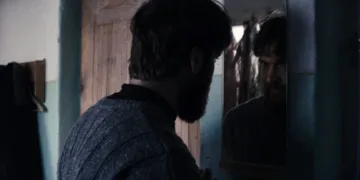
The camera stays close to his face and catches his disgust with his own reflection. The craft makes combat feel like weight pressing on the chest. The apartment becomes an action nightmare filled with fire and bodies. Rooms burn. Frank cuts through attackers like a man who has stopped pretending to be human. He treats survival as punishment, enduring a rooftop plummet and multiple stab wounds while moving with primal force.
The Soldier and the Future
Jon Bernthal’s performance runs on worn-out shame. He brings total physical commitment to the role, with primal screams that communicate past the reach of dialogue. His quiet moments at the gravesite carry a heavy sadness. Judith Light is excellent as Ma Gnucci, shaping her blame with moral weight because she sees the man who took her family. Andre Royo plays Dre, the storekeeper, and gives the story a human measure. He represents ordinary people caught in the crossfire.
The special keeps its attention on a single block and resists the pull of larger franchise machinery. That choice matters. In a screen culture often crowded with setup and scale, this piece contracts, using one block and one damaged man to test how much pain a superhero-adjacent story can carry. It also prepares Frank for his appearance in the upcoming Spider-Man film and bridges the old Netflix era with the new cinema world.
The ending carries little happiness. It functions as transition. Frank finds a path and chooses to remain a vigilante. The decision feels direct and honest because he accepts his life as a tool for violence. Protecting a child during a shop attack gives him a small purpose.
Closure stays out of reach. He gains a reason to wake up the next day. Bleakness remains part of his identity. He is a soldier who has found another war. He turns his wounded heart into everyone else’s problem, gets revenge on a puppy-killer, finds a fitting interlude, and stands ready for the next battle.
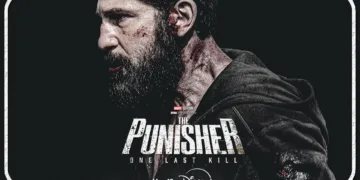
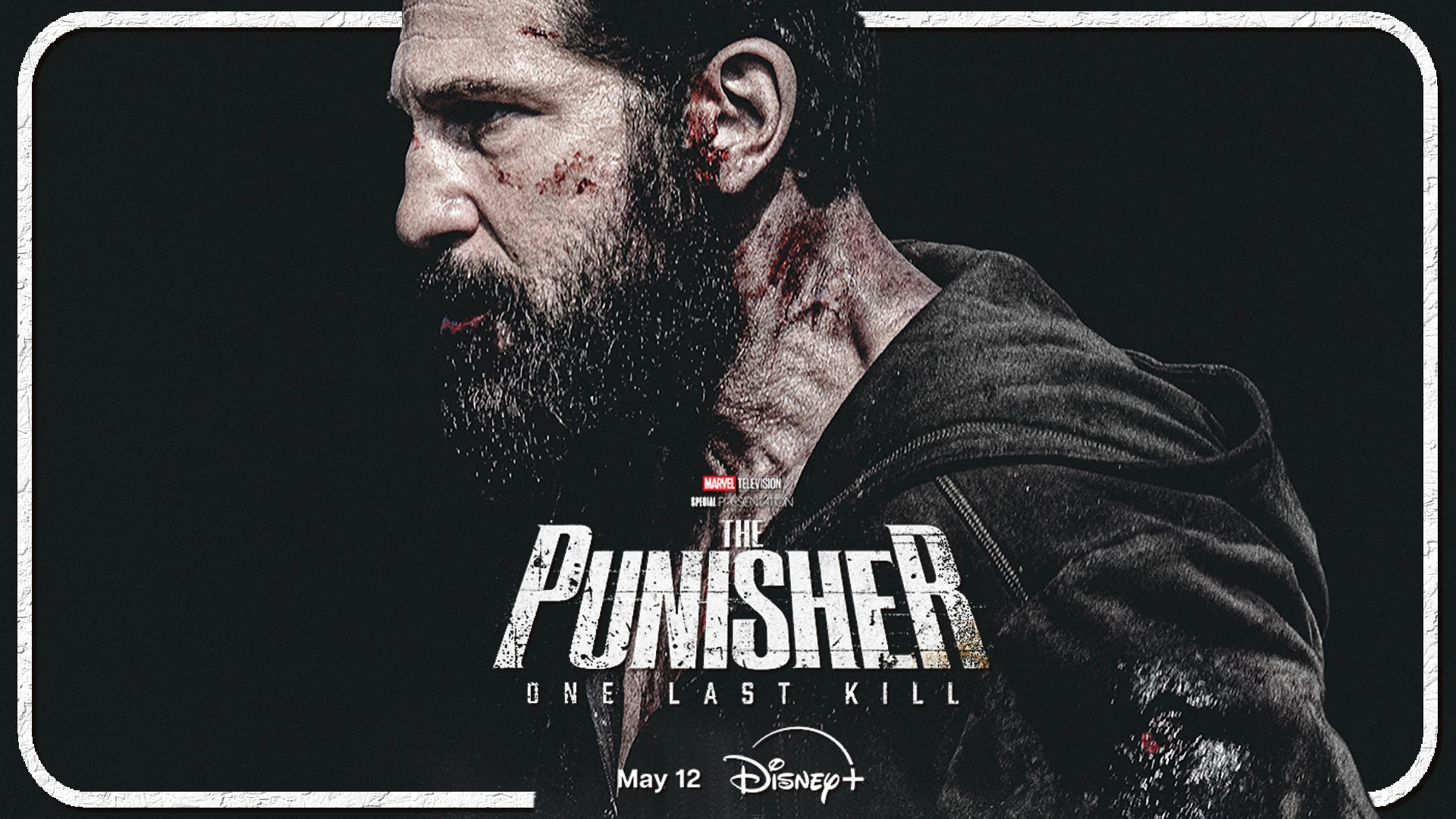
The Punisher: One Last Kill premiered as a Marvel Television Special Presentation on Disney+ on May 12, 2026. Directed by Reinaldo Marcus Green and co-written by star Jon Bernthal, this 48-minute feature follows Frank Castle as he navigates a missionless existence in Little Sicily before being drawn back into a war with the Gnucci crime family. The special acts as a crucial narrative link between the character’s television history and his upcoming cinematic role in Spider-Man: Brand New Day. It is currently streaming worldwide on Disney+.
Where to Watch The Punisher: One Last Kill (2026) Online

Full Credits
Title: The Punisher: One Last Kill
Distributor: Disney+
Release date: May 12, 2026
Rating: TV-MA
Running time: 48 minutes
Director: Reinaldo Marcus Green
Writers: Jon Bernthal, Reinaldo Marcus Green
Producers and Executive Producers: Jon Bernthal, Reinaldo Marcus Green, Brad Winderbaum, Kevin Feige, Louis D’Esposito
Cast: Jon Bernthal, Deborah Ann Woll, Jason R. Moore, Judith Light, Andre Royo, Chelsea Brea, Jamal Lloyd Johnson, Tom Johnson, Nick Koumalatsos, Dominick Mancino, Evelyn O. Vaccaro
Director of Photography (Cinematographer): Robert Elswit
Editors: Melissa Lawson Cheung
Composer: Kris Bowers
The Review
The Punisher: One Last Kill
The Punisher: One Last Kill delivers a raw look at a man stripped of his primary motivation. Jon Bernthal remains the definitive version of Frank Castle. He brings a physical weight to the role that feels entirely authentic. The action is harsh and visceral. It avoids the glossy sheen of typical superhero entries. While the story repeats some familiar emotional beats, the focus on a single city block provides a refreshing sense of scale. It marks a transition for the character into a new era of justice. It is a grim, effective character piece.
PROS
- Jon Bernthal’s intense and committed physical performance.
- Visceral, grounded action sequences that avoid superhero tropes.
- The effective introduction of Ma Gnucci as a thematic mirror.
- A tight, focused narrative scale that prioritizes character over franchise sprawl.
CONS
- The short runtime limits the growth of the supporting cast.
- Retreading familiar themes of family trauma and grief.
- A lack of connection to the city-wide events occurring in related series.