

















Jesse McLean’s documentary watches vegetal life with a kind of hush, as though the camera has entered a room where language feels like an intrusion. The leafy presences in our bathrooms and offices hold their ground in stillness, and that stillness reflects the spells of human stagnation we rarely admit to.
The film studies the tenuous link between people and houseplants, a meditation on two radically different forms of being forced to share one domestic habitat. Premiering at CPH:DOX, the work draws from familiar documentary methods while leaning into avant-garde imagery that gives these stationary figures the weight of protagonists. We pass them each day.
We pour water and angle them toward light, then move on, with little attention to the interior pressure of their survival or the intensity of care their confinement demands. McLean builds a premise where a sunlit living-room corner becomes a stage for biological drama. The film speaks softly, asking the viewer to see the green life that waits on a library shelf or windowsill. This is a portrait of domestic wilderness, where the line between caregiver and cared-for loosens and the home begins to feel like a shared experiment in endurance.
The Texture of Photosynthetic Existence
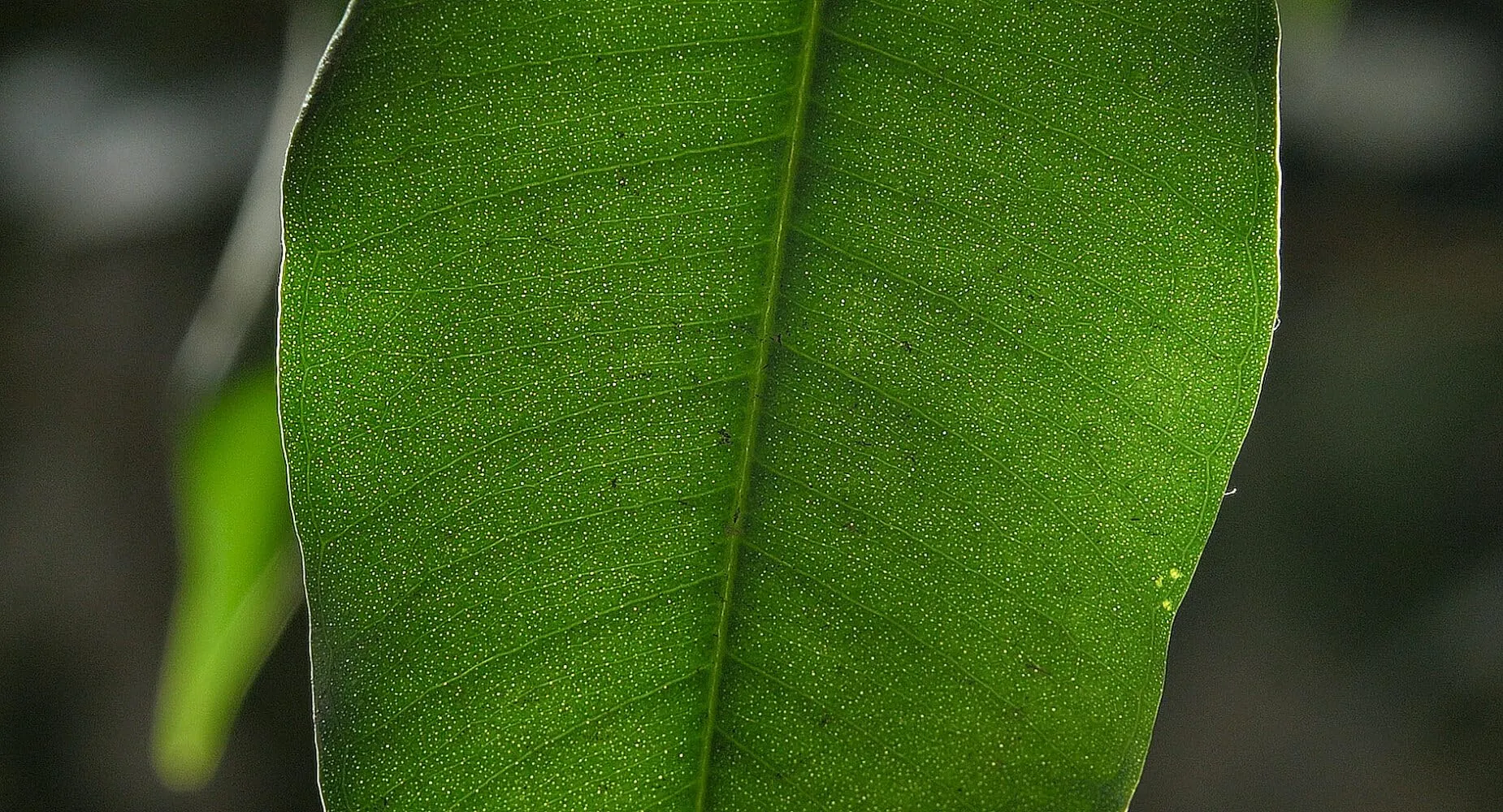
McLean turns to macro cinematography to reveal the fine topography of plant surfaces. The camera lingers on leaf veins and finds an unsettling kinship between the ridges of greenery and the grain of human skin. These lenses open a world of pores and fibers that tends to stay hidden from quick glances. Experimental passages interrupt the flow through abstract montages, where light and color stand in for the concealed cycles of life.
The act of photosynthesis becomes a flicker of chromatic change, energy translating into matter with a pulse that feels both clinical and faintly ecstatic. A playful electronic score moves beneath these images, giving the film an atmospheric thread that holds together foliage and static interior rooms.
Mixed media appears, including magazine clippings and social media posts, pointing to the awkward ways we curate nature inside modern architecture. Lighting carries much of the film’s visual argument. It frames plants with the attention usually reserved for art objects, making them the center of the composition and the demand on the viewer’s gaze. Sharp, active imagery drives a sensory experience where texture does the speaking: the leaf’s surface, the lamp’s glow, the slow sheen of living tissue under scrutiny. The result feels like a quiet reckoning with the physical reality of organisms we keep and name, then place in corners as if corners could soften captivity.
Vignettes of Symbiotic Loneliness
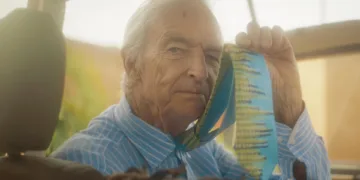
A librarian at the Golda Meir library tends to his leafy charges with pragmatic humility. His knowledge comes from years of close observation, and his devotion shows through the careful routines of repotting and placement. His presence suggests an unspoken literacy in need: how a plant leans, how a pot holds moisture, how a room’s air changes across hours.
Another figure approaches her greenery through emotional complexity. She describes a plant that withered from a perceived loneliness after separation from a companion, then regained health after reunion. The story carries an implied inner life for plants, a hint of social feeling projected onto stems and leaves, then treated with sincerity.
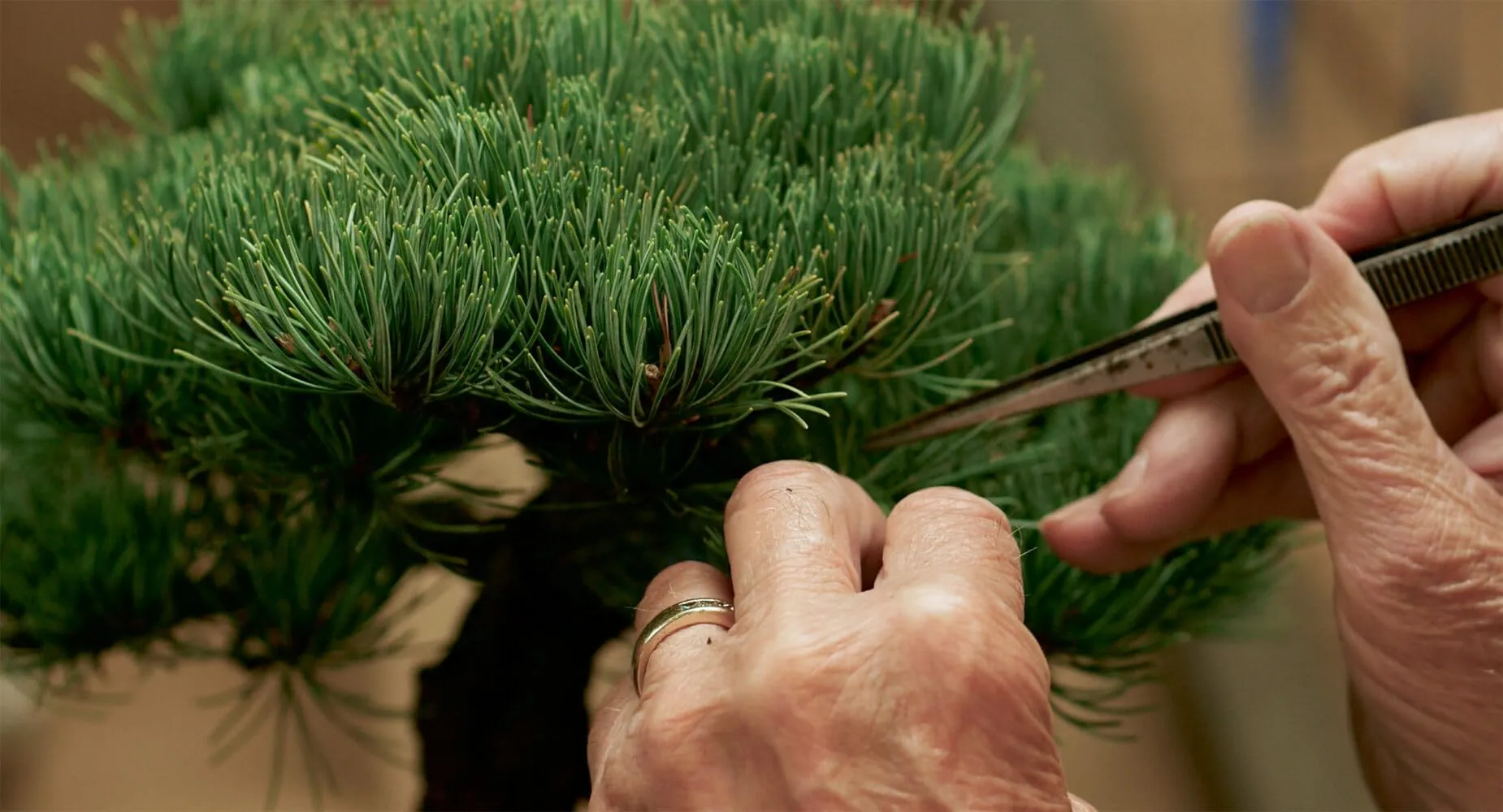
Aging bonsai specialists find beauty in gnarls and scars, reading ancient wood as a record of time. Each twist in a branch carries the sense of decades pressed into form, endurance made visible as damage that never fully heals. A young man brings plants into a minimalist space as a challenge to austerity. Their unruly growth becomes a disruption he welcomes, a living pressure against stark architectural principles.
Across these vignettes, cultivation looks like a shared hunt for meaning. Hands wipe dust from leaves; fingers test the earth’s humidity. The gestures hold a simple exchange: humans reach for purpose, plants reach for survival. Each meeting reinforces a quiet interdependence that defines the domestic scene, intimacy built from routine and from the slow anxiety of keeping something alive.
The Metaphysical Weight of Greenery
On-screen text takes the role of plant speech, offering a glimpse of perceived consciousness. These silent voices describe the sensation of turning light energy into chemical energy. They speak of instability and the thrill of molecular transformation, as if metabolism carries a private drama that humans have been too loud to hear. McLean anchors these spiritual leaps with scientific jargon.
Words such as vascular bundles and stomata provide a technical scaffold for the film’s metaphysical questions, keeping the tone from sliding into easy sentiment. A current of subversive humor arrives when plants seem to converse among themselves, ridiculing the human obsession with classification and the urge to impose hierarchy through nomenclature. That mockery exposes the limits of our viewpoint, and the film keeps returning to the effort of imagining existence from the other side of the glass.
The documentary lingers on a longing for wind and rain, elements these captive beings will never feel. The ache reads as a version of existential confinement, a mirror held up to modern isolation with its controlled interiors and curated comforts. As the credits roll, the thought remains: our homes function as shared habitats, and the daily arrangement of light, water, and space resembles a biological negotiation.
These green jewels leave behind a sense of age and strangeness, a world older than our furniture and less interested in our stories. Survival takes shape as a collective demand inside the environment we share, and the film lets that demand sit unresolved, like a plant by the window continuing its work in silence.
Light Needs premiered in March 2023 at the CPH:DOX festival. This documentary examines the lives of houseplants and their human roommates. You can watch it on the streaming platform MUBI. The film captures the quiet existence of plants within modern homes and the emotional bonds that form in these spaces.
Full Credits
Title: Light Needs
Distributor: Syndicado Film Sales, MUBI
Release date: March 2023
Running time: 72 minutes
Director: Jesse McLean
Writers: Jesse McLean
Producers and Executive Producers: Jesse McLean
Cast: Jesse McLean
Director of Photography (Cinematographer): Jesse McLean
Editors: Jesse McLean
Composer: Jeremy Edler, Thaddeus Kellstadt, Jesse McLean
The Review
Light Needs
McLean’s work is a contemplative examination of the quiet, green lives that inhabit our domestic spheres. By shifting the focus from human drama to the slow, rhythmic existence of houseplants, the film forces an acknowledgment of our shared biological vulnerability. It is a visually arresting piece that finds depth in the mundane acts of watering and observation. While its experimental structure occasionally feels fragmented, the result is a poetic reminder of our interdependence with the natural world. It invites a new way of seeing the stationary companions that watch us from our windowsills.
PROS
- Exquisite macro cinematography that reveals the hidden textures of plant life.
- A thoughtful, atmospheric score that enhances the meditative mood.
- Insightful human stories that explore the emotional depth of caretaking.
- Creative use of on-screen text to imagine a non-human consciousness.
CONS
- The fragmented, non-linear structure might feel disjointed to some viewers.
- The focus on human interviews occasionally distracts from the experimental plant perspectives.