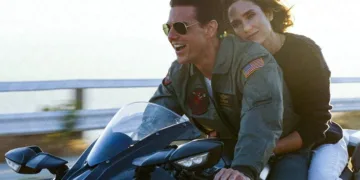









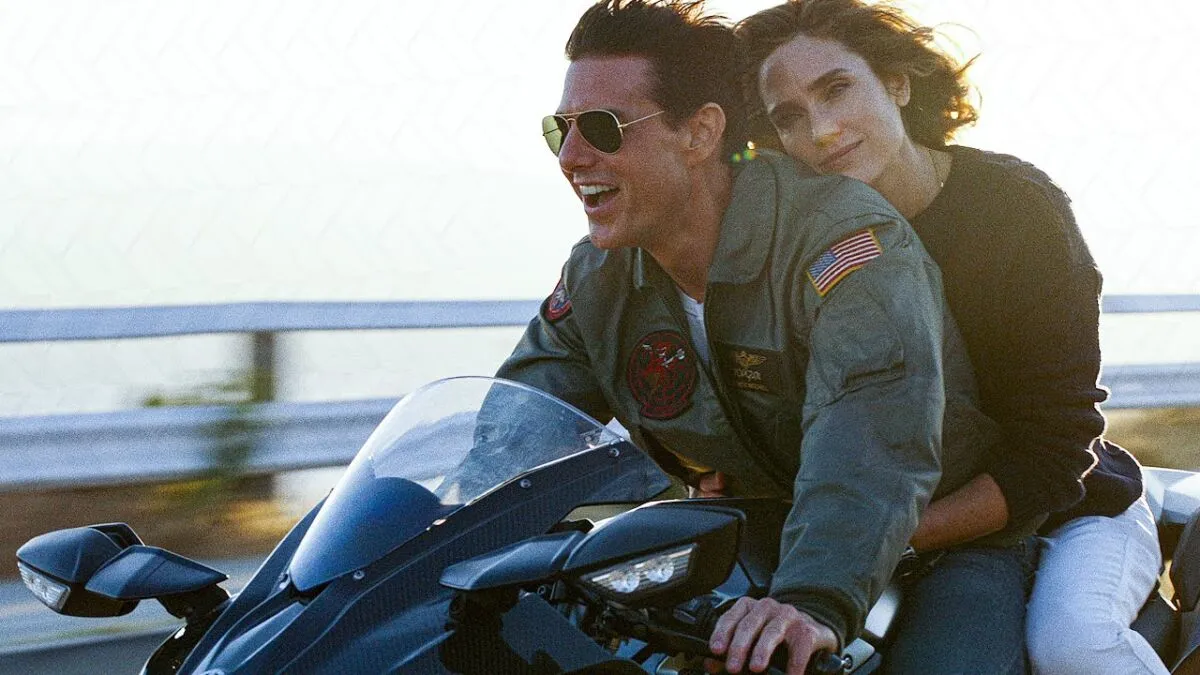

A U.S. appeals court has rejected a copyright challenge to “Top Gun: Maverick,” siding with Paramount Pictures and ending an effort by the heirs of journalist Ehud Yonay to claim the 2022 blockbuster borrowed protected material from Yonay’s 1983 magazine article “Top Guns.” A three-judge panel of the Ninth Circuit affirmed a Los Angeles federal judge’s 2024 ruling that the film does not share enough protectable expression with the article to support infringement.
Yonay’s widow, Shosh, and son, Yuval, argued that Paramount’s rights to the article lapsed after they invoked the Copyright Act’s termination provisions in 2020, and that the sequel reused key elements tied to the Top Gun training program and fighter-pilot culture. The film earned about $1.5 billion worldwide, making the dispute a high-stakes test of how far copyright reaches when a sequel returns to a real-world setting that inspired an earlier movie.
Writing for the panel, Judge Eric Miller said the plaintiffs pitched similarities at a level of generality that copyright does not protect. “Their claim of substantial similarity fails because what is protected is not similar, and what is similar is not protected,” he wrote. The opinion said “Maverick” adds major story components absent from the article, including Cruise’s character returning as an instructor and a romance plotline, and it stressed that shared references to the Navy’s real program and its personnel reflect facts and stock material, not original expression.
The judges also upheld the trial court’s handling of expert evidence and agreed Paramount did not owe Yonay an on-screen credit under the 1983 agreement, reading that contract as limited to movies produced under that specific deal. Paramount said it was pleased the court “recognized that plaintiffs’ claims were completely without merit.” Attorneys for the Yonays did not immediately respond to Reuters requests for comment.
The decision closes one front in “Maverick” litigation while another remains active in New York, where screenwriter Shaun Gray claims he wrote scenes used in the film and deserves compensation; a federal judge last year rejected Gray’s bid for profit participation while allowing a copyright infringement claim to continue, with jury selection set for March 9.