

























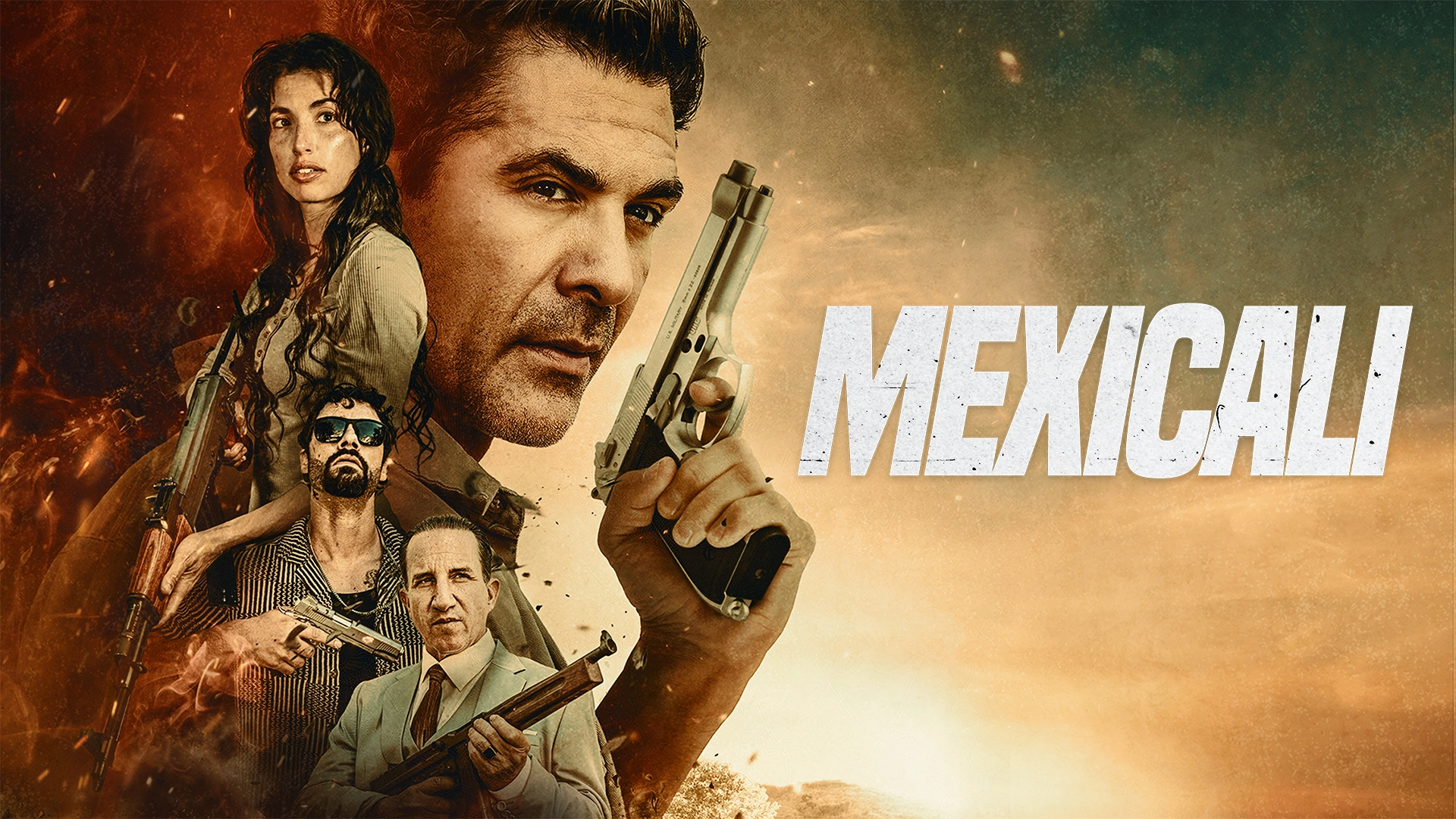

The sun bears down on the avocado groves of Mexicali with pressure that feels economic as much as physical. Joe, a man shaped by silence and old wounds, tries to build a steady life with his partner, Estrella. Their days follow the hard rhythm of farm work, yet the land refuses to cooperate.
A ruined crop leaves the workers unpaid and the promise of peace close to collapse. To cover the distance between thin wages and rising debts, Joe returns to the savage arena of underground pit fighting. He approaches each bout as a grim calculation, using violence as a means of survival rather than any expression of desire.
He is a former mercenary trying to exchange lethal skill for privacy, routine, and a little room to breathe. That fragile order breaks during an ordinary trip into town. A chance encounter with Chavez, the unstable heir to a local criminal empire, destroys the farm’s illusion of safety. Violence arrives fast, and Joe’s retreat from war ends.
The Erosion of the Peaceful Farmer
The story moves from environmental hardship into a deliberate battle against human cruelty. Joe begins as a stoic provider, defined by restraint, then drops that identity with frightening speed once the cartel closes in. His shift from patient farmer to cold tactician plays like a system rebooting to its original function. He knows his past remains a weapon, and circumstances force him to draw it again.
The cartel’s enforcement team drives that awakening. Baptiste, played by Plutarco Haza, gives the conflict a colder intelligence. His threat comes from patience, study, and psychological pressure. He watches, measures, and breaks people down before the physical damage begins. That makes him dangerous in a way brute force alone rarely manages.
Estrella gives the narrative a firmer emotional spine. She is never reduced to a passive victim waiting for rescue. Her skill with firearms and steady judgment place her beside Joe in the fight for survival. Their relationship keeps the violence grounded in personal stakes, giving Joe’s return to mercenary instincts a bitter irony. He must become the very man he tried to bury to defend the one place where he felt human. For Joe, any possible future must be bought with the skills he most wanted to leave behind.
Technical Precision in Action Design
Luke LaFontaine comes to directing after a long career in stunt coordination, and that background shapes the film’s clean, practical style. His action scenes favor stable framing and longer takes, giving the performers room to display technique. The camera trusts bodies in motion. That trust matters.
The film begins with a ten-minute stretch built around four separate martial arts matches, each one establishing Joe’s dominance with blunt efficiency. The choreography mixes aerial strikes with grounded, punishing impact, suggesting a strong grasp of combat mechanics. Bladed weapons, especially machetes in two sequences, sharpen the danger and give the violence a raw physical edge.
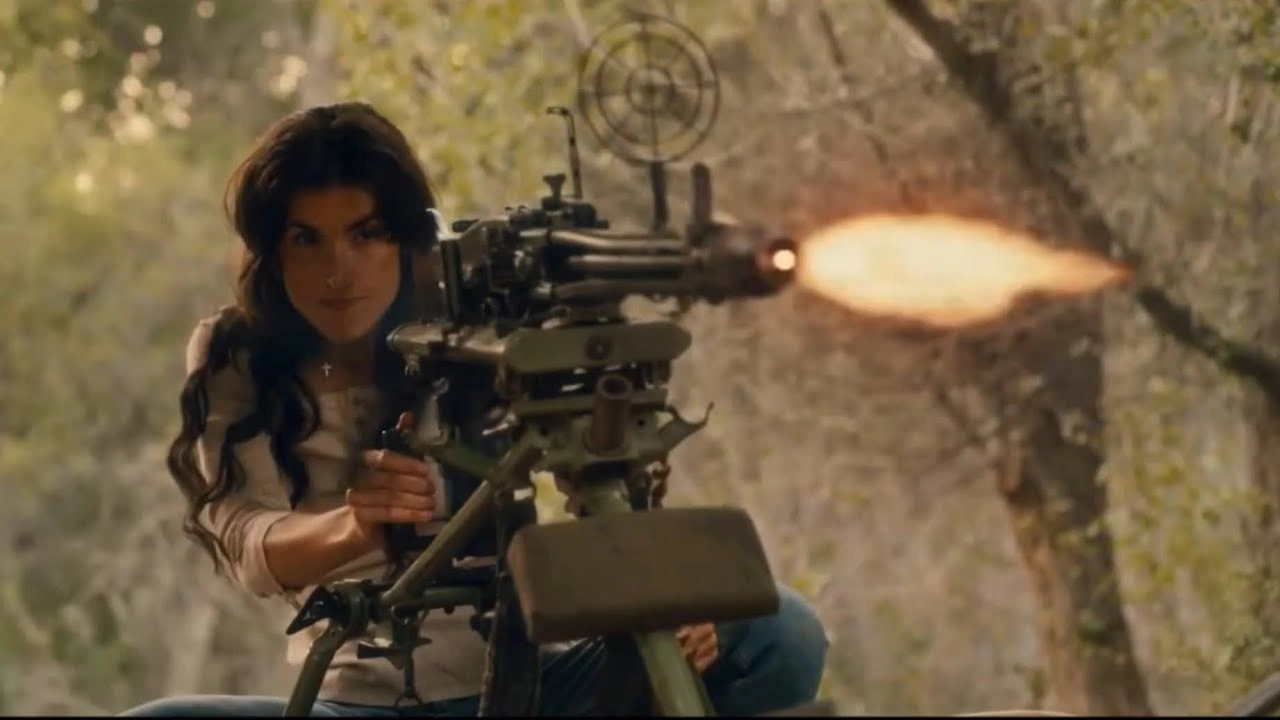
Jesse V. Johnson’s script keeps the storytelling direct and purposeful. Dialogue stays spare, allowing movement, injury, and tactical choice to carry much of the dramatic weight. Early scenes emphasize hand-to-hand precision, then the final act widens into a larger confrontation. The farm climax brings heavy gunfire and practical blood squibs, giving the violence a messy, tactile force.
That structural shift matters. The film starts with controlled pit matches, then ends in chaos on the land Joe tried to protect. The design mirrors the collapse of his quiet life. LaFontaine understands pacing well enough to keep the action tied to character and consequence. The fights do their job, then get out of the way before the film starts admiring its own bruises.
Genre Legacy and Physical Presence
The ensemble places the film within action cinema’s lineage while giving each role a distinct physical identity. Kris Van Damme plays Ruthie, a henchman whose size and fluid movement create a credible threat. He brings the physical legacy of his father into the film, then shapes it into his own screen presence. His predatory grace makes every encounter feel dangerous.
Louis Mandylor appears as Sue, a boxing gym owner who offers a brief piece of technical insight. His presence works as a quiet nod toward a larger gritty genre world, implying these characters could exist alongside other recent hard-edged action figures.
Bren carries the film’s dramatic burden along with its physical demands. His romantic scenes with Estrella have enough sincerity to make their bond feel lived-in. That matters because the story depends on the audience believing Joe has something real to lose. Supporting figures such as Lopez and Marco give the farm community weight, representing workers trapped in the violence of the cartel war. Their presence keeps the farm from feeling like scenery arranged for gunfire.
The production maintains a strong level of craft for a modestly scaled film. Practical effects, careful choreography, and a clear respect for physical performance give the project a sturdy, honest texture. It honors the lone-hero tradition while using modern action technique to keep the violence sharp, readable, and tied to character.
Mexicali premiered on March 13, 2026, marking a significant return to the screen for martial arts star Bren Foster following his previous success in the genre. This visceral action-thriller was released simultaneously in select theaters and on digital Video on Demand (VOD) platforms. Viewers looking to watch the film can find it available for purchase or rental on major digital services including Apple TV, Amazon Prime Video, and Google Play.
Where to Watch Mexicali (2026) Online
Full Credits
Title: Mexicali
Distributor: Samuel Goldwyn Films, Bleiberg Entertainment
Release date: March 13, 2026
Running time: 99 minutes
Director: Luke LaFontaine
Writers: Jesse V. Johnson
Producers and Executive Producers: Ehud Bleiberg, Ariel Bleiberg, Bren Foster, Nicholas Donnermeyer, Danny Dimbort
Cast: Bren Foster, Tania Raymonde, Plutarco Haza, Kris Van Damme, Louis Mandylor, Edgar De Santiago, Daniel Montilla, Roman Phillip
Director of Photography (Cinematographer): Pascal Combes-Knoke
Editors: Matthew Lorentz
Composer: Lex Casciato
The Review
Mexicali
Mexicali succeeds as a focused study of a man forced back into a world he tried to outrun. The technical precision of the action balances with the grounded desperation of the farm setting. While the narrative follows a recognizable path, the physical execution and clear-eyed direction improve the material. It offers a visceral experience that respects the audience's intelligence and the history of the genre.
PROS
- Practical stunt work and high-quality choreography.
- Strong physical and dramatic performance by the lead.
- Clear, stable cinematography that honors the action.
- A capable and active female protagonist.
CONS
- Familiar storytelling archetypes.
- Final act shifts heavily toward gunplay over martial arts.