
























![Kingdom Hearts Collection [I-III] Review](https://gazettely.com/wp-content/uploads/2026/10/Kingdom-Hearts-Collection-I-III-1-360x180.webp "Kingdom Hearts Collection [I-III] Review: KHII Holds Steady as Newer Entries Fluctuate 37")



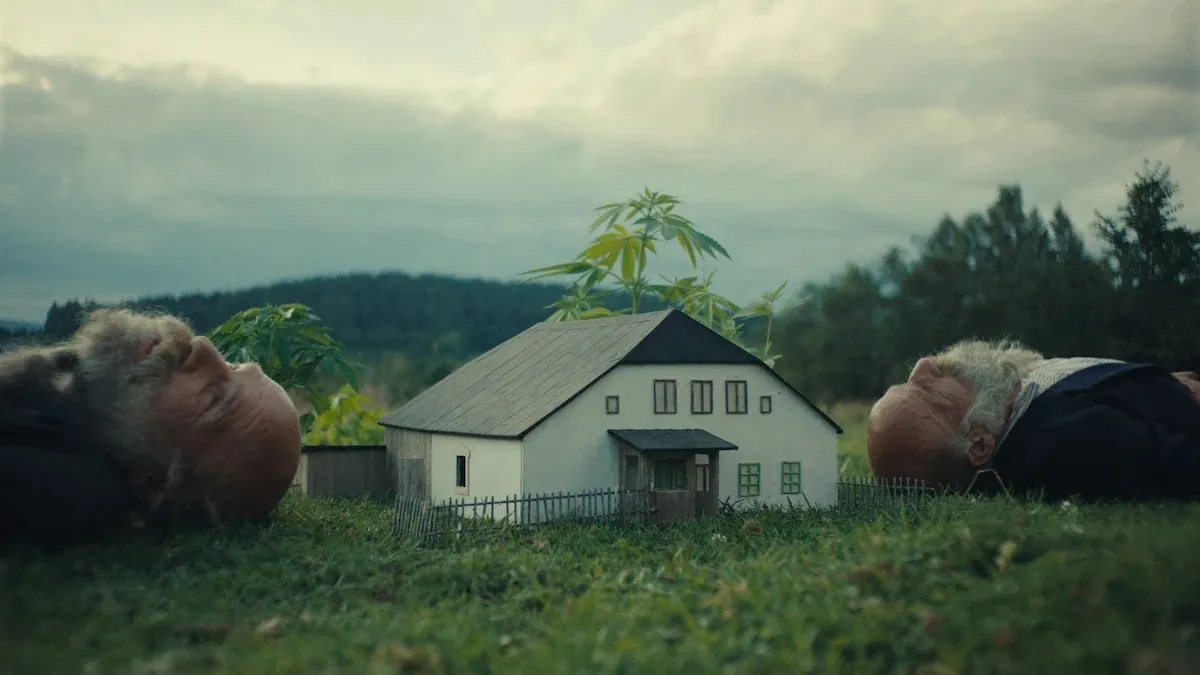

In the Šumava Forest, a dense organ of spruce and soil on the Czech-German border, time itself seems to compost. Here, in a place that has shrugged off the grid and the gaze of the new century, Miro Remo’s film Better Go Mad in the Wild finds its strange kingdom.
The monarchs are František and Ondřej Klišík, sixtysomething twins whose identically bald heads and gnarled beards make them appear as if they were birthed by the ancient woods themselves. For their entire lives, they have occupied a single farmstead, a shared existence bound to the turning of the seasons and the logic of their own making.
The film is no simple study; it is an immersion into a self-contained universe, a portrait of two men who are not merely in the landscape, but of it. Their routines are simple, their internal worlds a thicket of resentment, philosophy, and impossible ambition. The air is thick with the weight of an unspoken pact, a life lived according to its own defiant, isolated terms.
The Dreamer and the Void
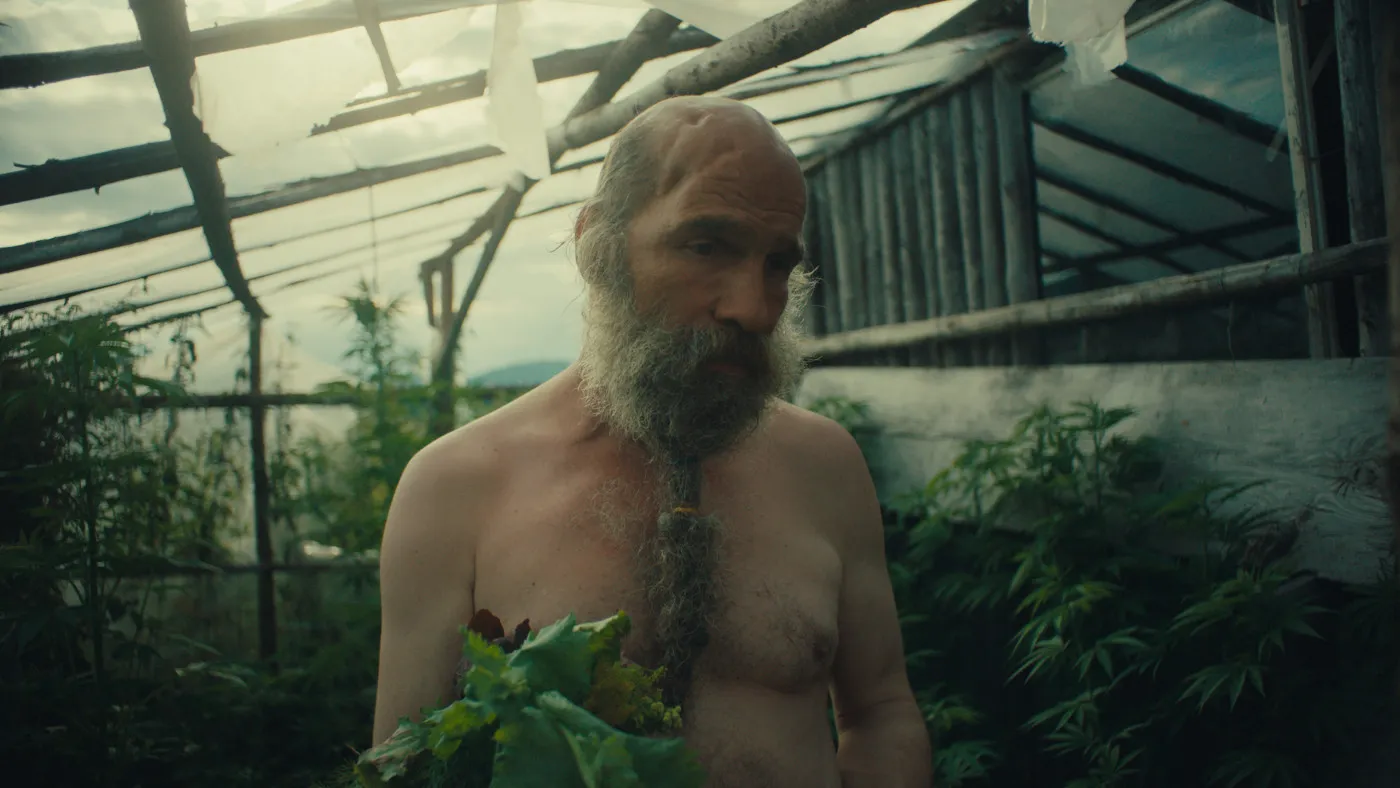
The brothers are a fractured whole, a single consciousness split into warring halves. František is the dreamer, his spirit undeterred by the sawmill accident that claimed his arm decades ago. His great life’s work is a testament to this optimism: a flying perpetuum machine, an absurd and beautiful gesture against gravity and decay, which he has been building for twenty years.
He is a poet without a pen, a man who sees possibility in the air. Against his ascent stands Ondřej, the nihilist, whose pronouncements that “life is futile” are the anchor holding them to the earth. He is the pragmatist hardened into a cynic, his days softened and soured by alcohol, a constant source of friction. Their bond is an orbit of daily collision and reconciliation.
Their house, bisected by a flimsy partition, is the perfect metaphor for their state: a failed attempt at cleavage, a structure that cannot contain the raw fact of their interdependence. Women have come and gone, unable to find a foothold in the sealed world they have built. Their bond admits no third.
Whispers from the Earth, Reflections in the Glass
Remo’s filmmaking mirrors the eccentric logic of its subjects. This is not the passive lens of observational documentary but a hybrid of witness and invention, a cinematic poem written in mud and light. Literary narration, drawn from Aleš Palán’s book, seeps into the frame, but the most startling voice belongs to Nandy, the family bull.
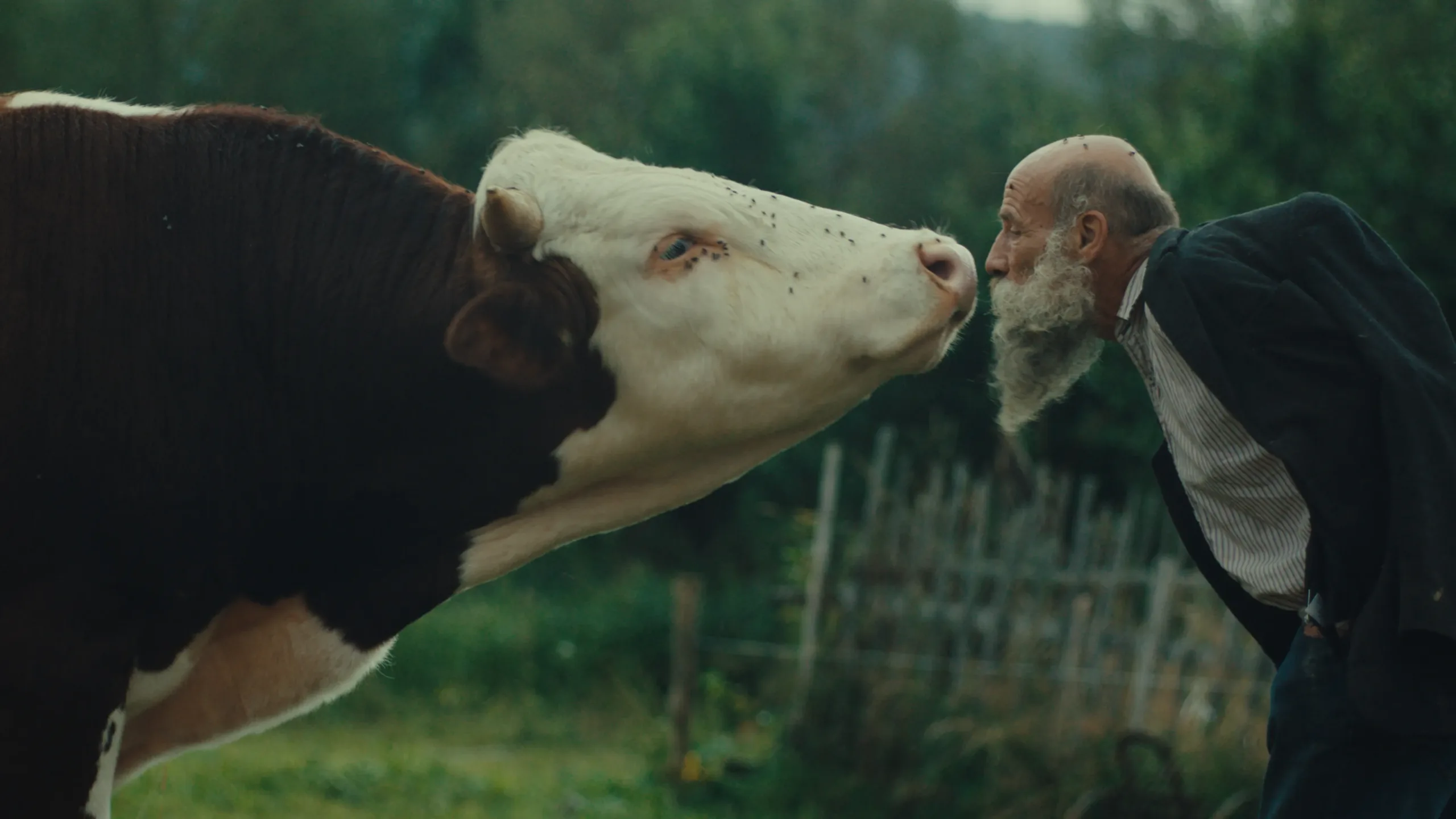
Through the animal, the film finds an earthy oracle, a consciousness that offers observations with the weight of the soil itself, decentering the human drama. The cinematography is painterly, capturing the brutal poetry of the seasons as they sweep across the farm, charting the cycles of growth, death, and regeneration.
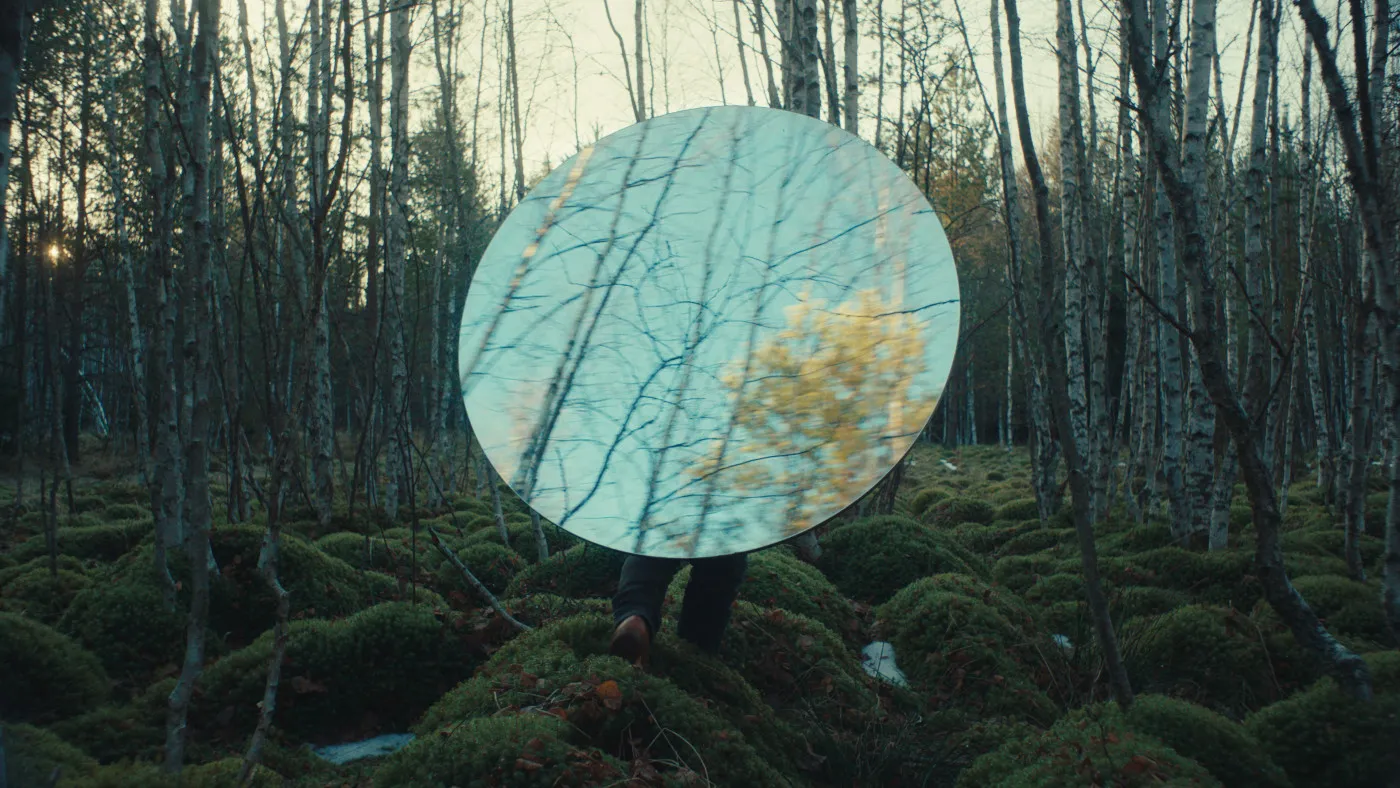
Into this organic world, the director inserts a jarring visual: a large, round mirror. Placed in the yard or the house, it is an intrusion of manufactured reflection, forcing the brothers to confront their own aging images, the linear march of time in a life that feels stubbornly cyclical. A roaring orchestral score swells at unexpected moments, lending a strange, ironic grandeur to their toil.
An Echo in the Woods
The question of legacy haunts their small kingdom. František, the artist, insists, “I have something to say to the world,” a desperate need to leave a trace of his existence. Ondřej sneers at the notion, taking refuge in the belief that nothing matters. “I have nothing to prove,” he declares.
The film complicates this dynamic by revealing a past life, a forgotten chapter where the brothers were not hermits but heroes, decorated for distributing anti-regime pamphlets during the Velvet Revolution. They were not men who never knew the world; they were men who knew it and chose to retreat. Their isolation is a stance, a deliberate turning away.
Their story is deeply rooted in the land they work, a patch of earth that will absorb their bodies as it has their sweat. The soil is the only permanent thing. The film offers no neat answers about the value of such a life, leaving instead the quiet power of a closing sentiment: “I’ll just say it was nice to be here with you.” What more can be asked of a fleeting dream before eternal rest?
Full Credits
Director: Miro Remo
Writers: Miro Remo, Aleš Palán
Producers and Executive Producers: Miro Remo, Tomáš Hrubý
Cast: František Klišík, Ondřej Klišík
Director of Photography (Cinematographer): Dušan Husár, Miro Remo
Editors: Šimon Hájek, Máté Csuport
Composer: Adam Matej
The Review
Better Go Mad in the Wild
A haunting and deeply philosophical portrait, Better Go Mad in the Wild is less a documentary and more a cinematic poem about existence at the world's edge. It examines the bond of two brothers with unflinching intimacy and an unconventional, lyrical style. For viewers patient with its meditative pace and strange beauty, it offers a profound look at a life lived on its own terms, asking what it means to simply be.
PROS
- Unforgettable central subjects in the Klišík twins.
- Stunning, painterly cinematography of the natural world.
- A bold, poetic approach to documentary filmmaking.
- Rich with deep existential and philosophical questions.
CONS
- Its slow, meditative pace may not appeal to all viewers.
- The narrative is sparse and can feel aimless at times.
- The intense, claustrophobic focus on the brothers' bickering can be wearing.
- Some stylistic choices occasionally feel heavy-handed.







