






















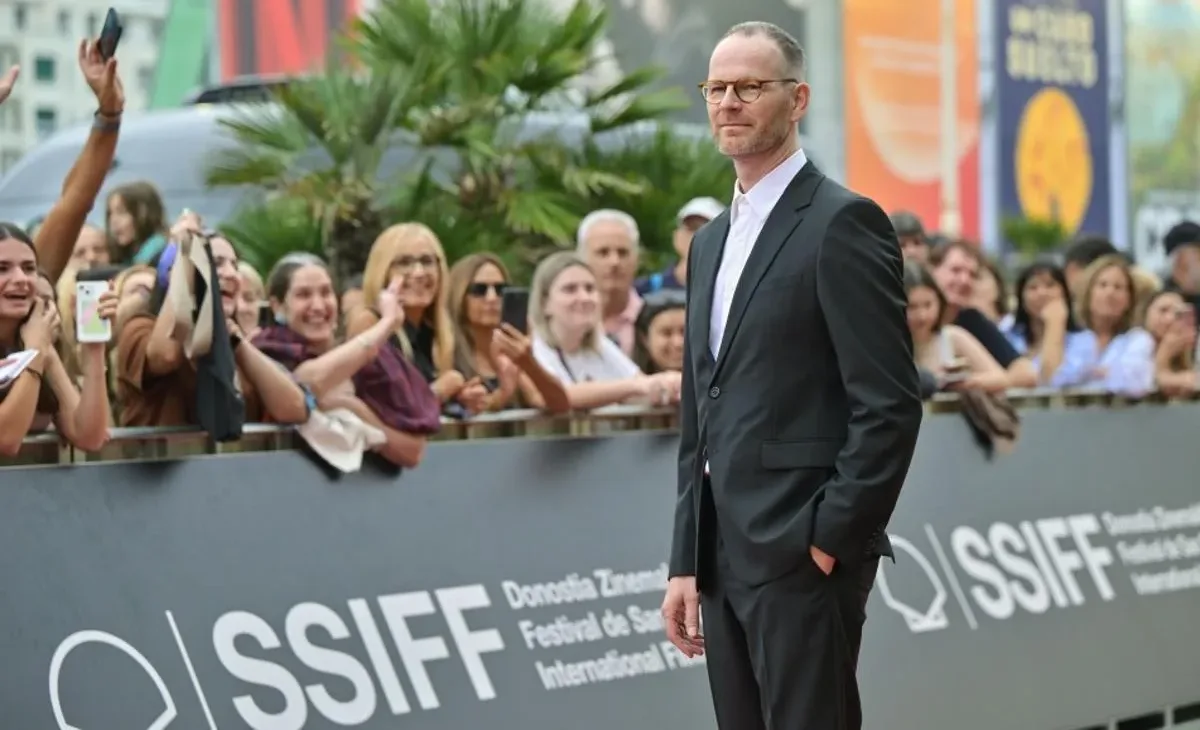

Joachim Trier used a public talk at San Sebastián to argue that decades of feminist scrutiny have improved working conditions for everyone, saying the push to dismantle “macho” habits on sets has made them safer and more collaborative.
He paired that with a defense of artistic autonomy, calling final cut a moral responsibility for directors and crediting Europe’s financing models with protecting it. The remarks arrive as his new feature, Sentimental Value, moves through the fall season after a Cannes competition premiere and selection as Norway’s Oscar submission.
Trier tied his view to concrete practices: open conversations about power dynamics, more deliberate casting and intimacy protocols, and an expectation that leaders set the tone. He contrasted those norms with the hierarchies he experienced earlier in his career, suggesting that accountability culture has helped men too by clarifying boundaries and reducing needless bravado. He also cautioned against romanticizing tyrannical auteurs, noting that his film’s aging filmmaker father is not a model he wishes to emulate off set.
On authorship, Trier said retaining final cut is central to why he has continued to build films through European partners rather than chasing the biggest checks. He framed the issue less as ego and more as coherence: a director must be able to stand behind the version audiences see. That stance, he said, is easier to maintain within public and regional funding structures that value a director’s voice, even when multiple countries and broadcasters are involved.
Sentimental Value reunites Trier with longtime co-writer Eskil Vogt and collaborators from The Worst Person in the World, with Renate Reinsve, Stellan Skarsgård, Inga Ibsdotter Lilleaas, Elle Fanning, and Anders Danielsen Lie among the cast.
Festival materials describe a family drama about two sisters and their estranged father, a once-celebrated director whose comeback plan reignites old fractures. After strong notices at Cannes, the film continued to roll out in European markets and was named Norway’s entry for international feature.