





















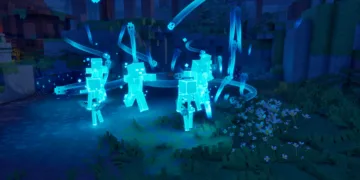

Escape Simulator 2 arrives from Pine Studio as a clear continuation of a formula that proved effective: a digital translation of the real-world escape room. It starts with an enclosed space and a single pathway out through reasoning.
Players search, read clues, and manipulate objects to solve linked challenges. The core loop is spare and precise. The sequel launches with a sizable set of rooms divided into three themed collections, which sets a demanding but fair pace for veterans and newcomers.
Interactivity and Narrative Logic in Play
The appeal sits in constant interactivity. Nearly everything invites handling, inspection, or rotation, which produces a tactile rhythm that mirrors the curiosity-driven spirit of physical rooms found across many cities. Mechanical synergy grows out of that density. The inventory system steadies the flow of objects, and an icon marks components of importance.
Purists can switch this off. That option signals sensitivity to different puzzle traditions: one that favors efficient triage, and one that prizes slow, unfiltered observation. Vital information often hides in familiar places such as corners, ceilings, or underneath furniture, which trains habits recognizable to escape room communities in Europe, North America, and Asia.
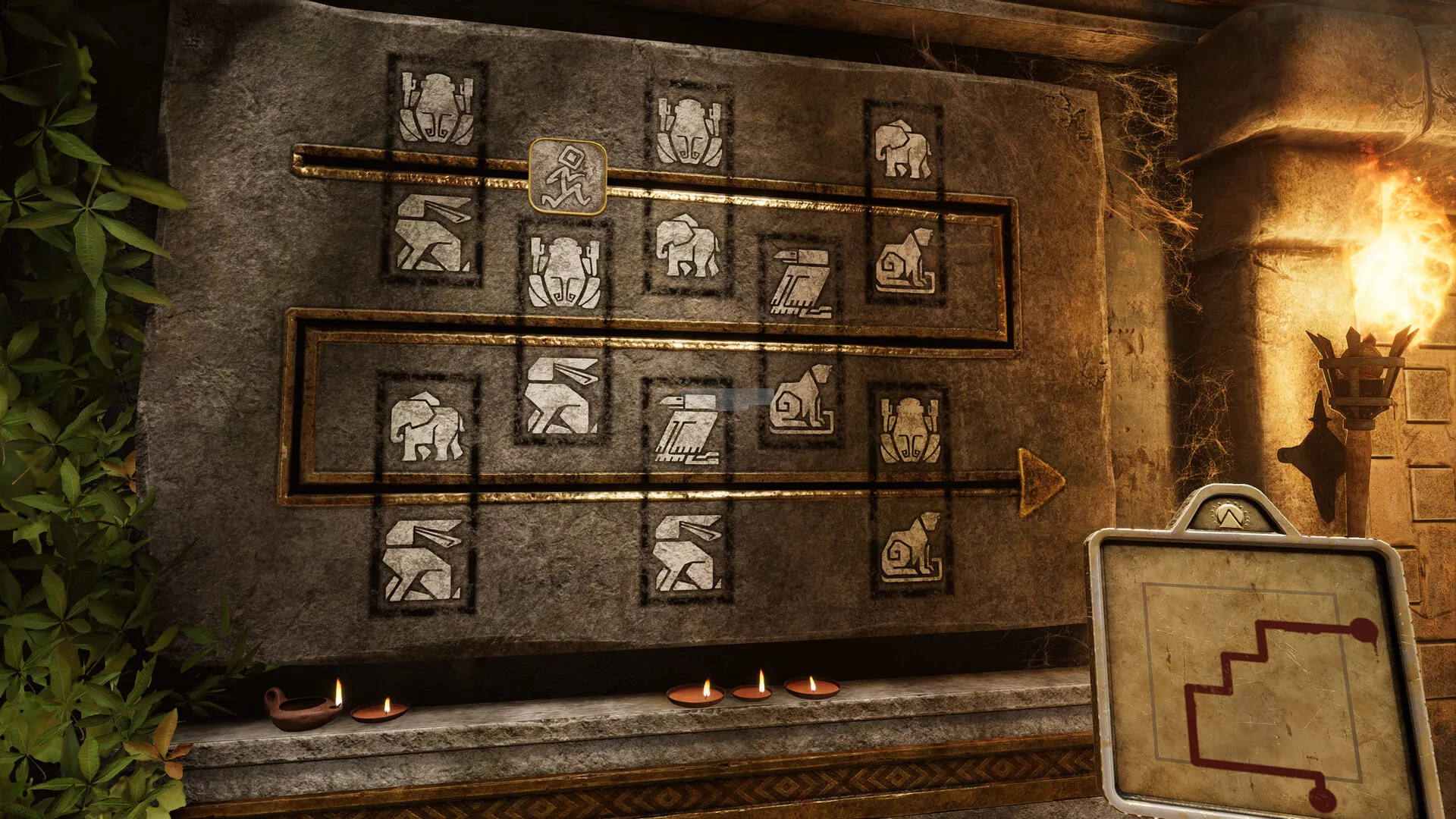
Puzzle structure favors immediate engagement. The game skips lengthy prologues and points the player straight at the first obstacle, which echoes the locked-door premise that defines the format worldwide. Rooms form networks rather than isolated tasks. Items and codes discovered in one spot trigger solutions across the space, which encourages lateral thinking and repeated passes over the same surface.
A countdown timer exists as an optional layer for players who enjoy speed pressure or competitive pacing. Others can ignore it and settle into a slower tempo. That flexibility respects varied play philosophies that have grown in different regions and online communities. The hint system appears through the pause menu as a shareable paper diagram in co-op, a useful touch that aligns with cooperative note-passing in physical venues. The system can falter on strict logic puzzles and sometimes leaves players without the nudge they expect, which interrupts the intended support loop.
Gothic Dread and Global Themes
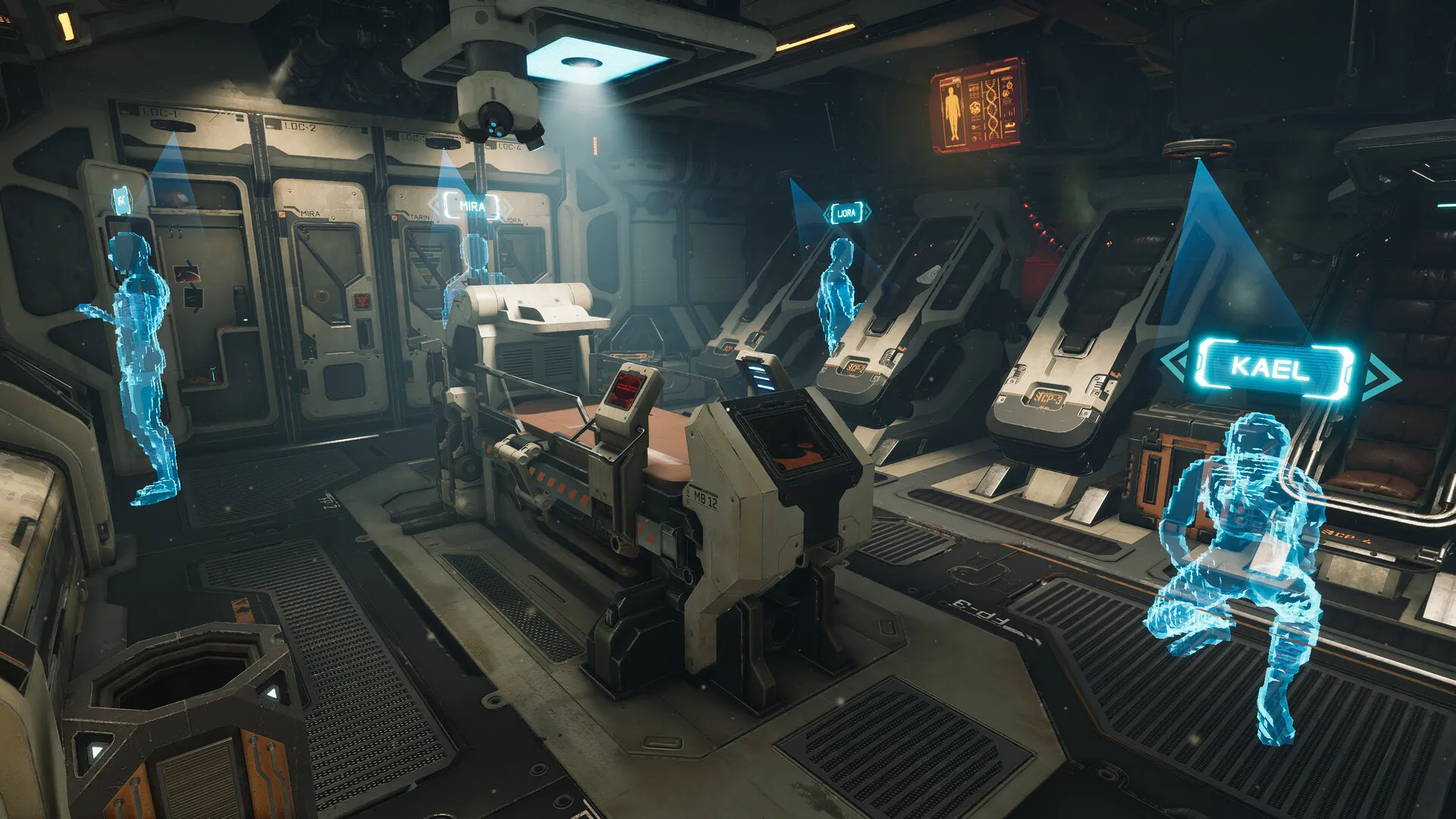
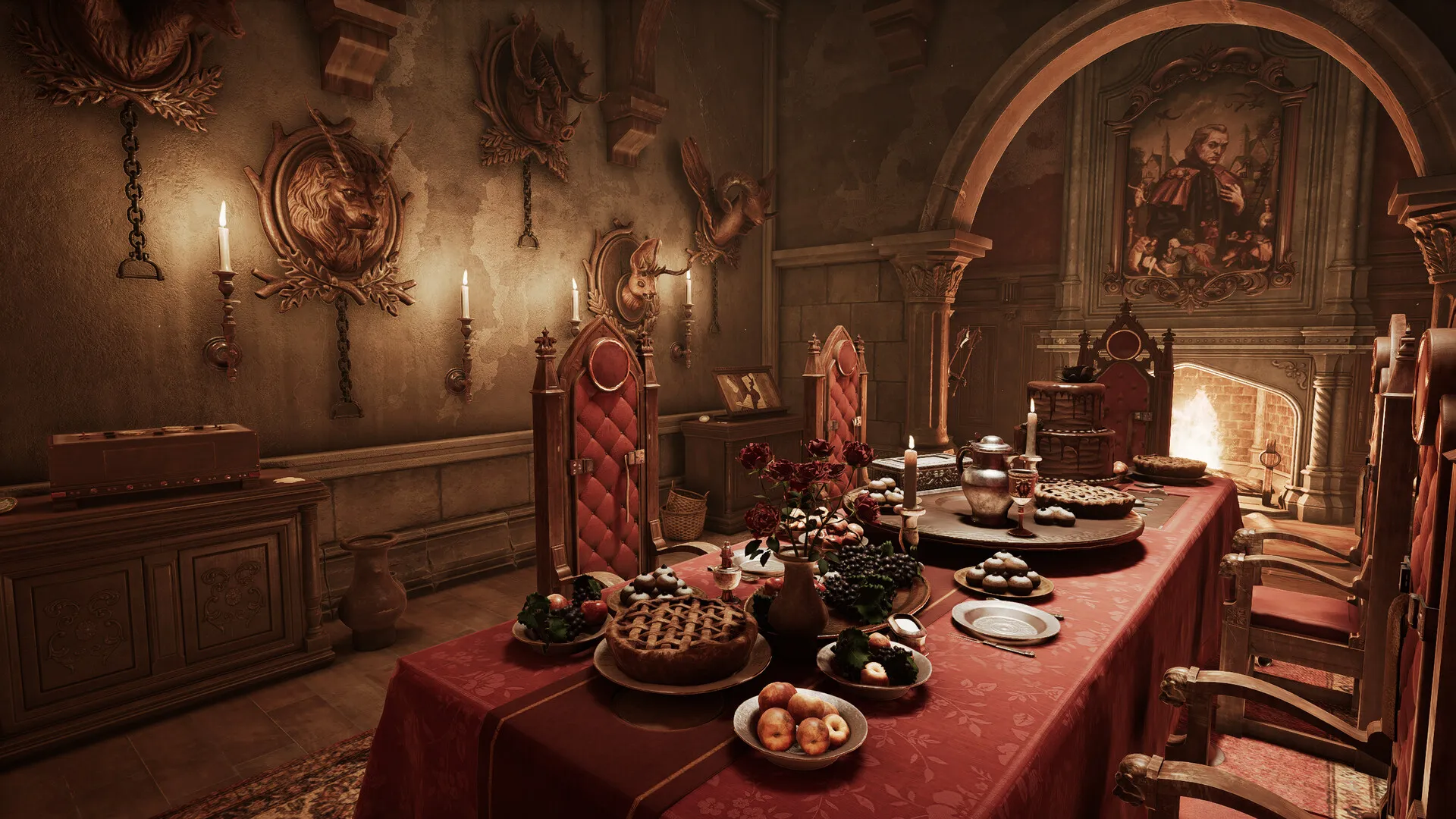
The launch set features twelve levels arranged across three groups of four. Dracula’s Castle, The Lost Starship, and The Cursed Treasure draw on widely understood storytelling codes. Each theme reads like cultural shorthand: gothic horror, science fiction, and treasure-seeking adventure. Dracula’s Castle leans into European gothic imagery with shadow, stone, and mood.
The Lost Starship foregrounds technology and clean futurism. The Cursed Treasure channels pulpy discovery that recalls the global reach of the Indiana Jones films. Players can enter any set from the start, which avoids progress gates and fits the pick-up-and-play habits of modern audiences.
Scale and structure change from the first game. Levels stretch larger than before, and scenarios open with distinct setups such as breaking out of a cryo-pod or escaping a trapped carriage. Environmental storytelling now does visible work. Location acts like a character and guides attention through architecture, lighting, and sound.
Puzzle complexity and surface detail rise in tandem, and the suggested completion time moves to about forty-five minutes. Visual presentation steps away from a bright, cartoon-forward look and moves toward cleaner fidelity with more texture and grit. Lighting and ambient audio deepen presence and invite a steadier, more contemplative pace that fits long-form puzzle solving.
The Shared Intellectual Space of Co-op
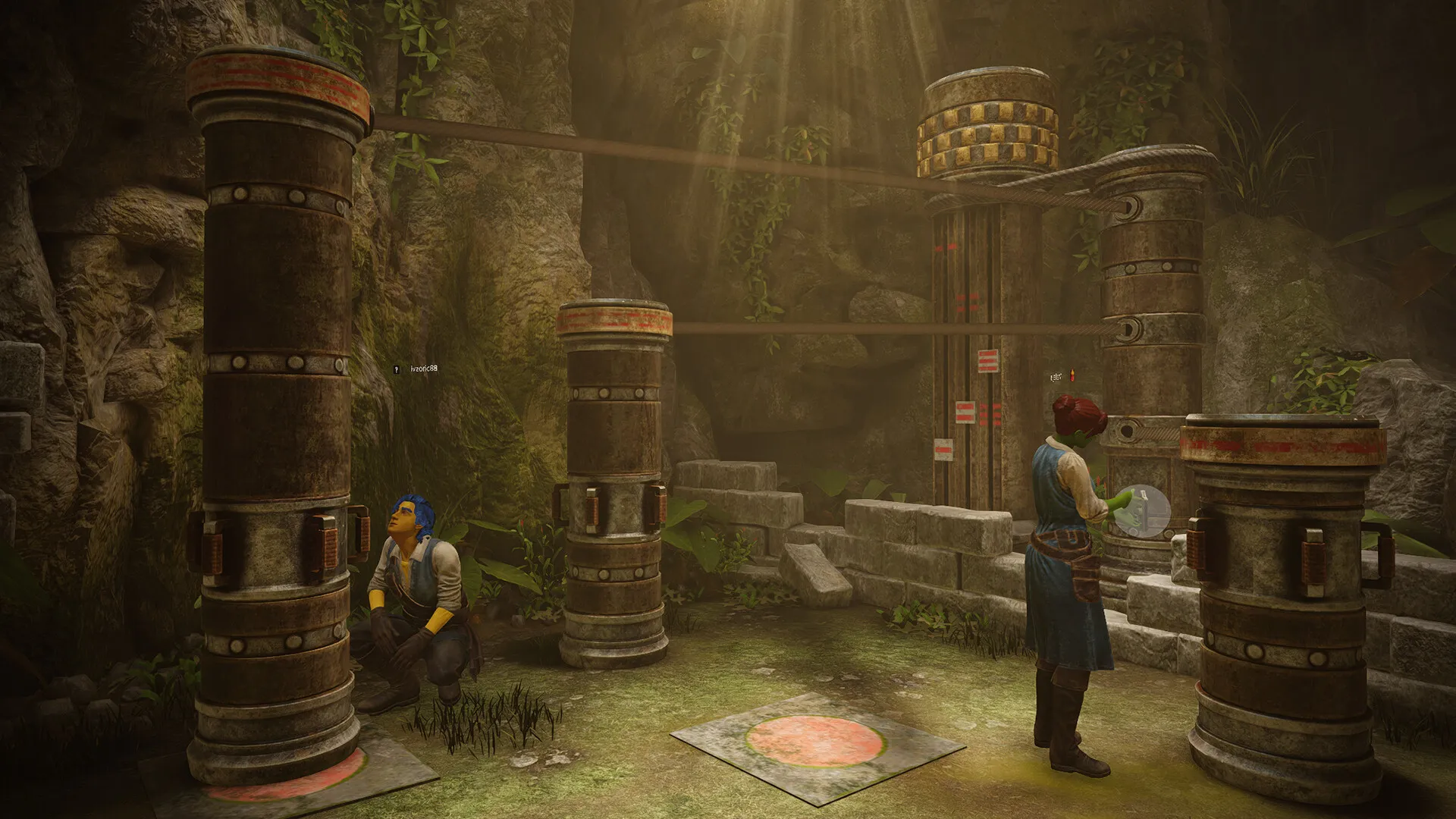
Cooperative play captures the social logic of real escape rooms. Friends split tasks, follow separate threads, and regroup to share results. The game supports up to eight players, yet the included rooms feel best with two to four. That range leaves enough space for parallel work while keeping conversations legible. Some puzzles shift in small but meaningful ways when a friend joins, which reinforces the value of pairing and group attention.
Shared tools support this flow. Visible cursors act like laser pointers and help players direct focus to a code, a seam in a panel, or a particular symbol. One friction point remains: pin-able clues do not pass easily between players, which pushes teams toward constant verbal coordination. Co-op also carries a few visual and animation quirks.
Player collision does not apply to make room for larger groups, so character models clip through one another. A few movement transitions, such as leaving a cryo-bed or stepping off a ladder, appear stilted or absent and briefly puncture the mood.
Presentation and Cross-Media Controls
Presentation feels careful and confident, and the control model reveals an old tension common to cross-platform puzzle design. Keyboard and mouse offer precise input for pointing, selecting, and rotating, which suits the interface and the frequency of small-object manipulation on PC. One interaction holdover from the first game remains: a rotatable item, like a wheel, requires explicit selection before turning. That extra step can interrupt flow for players expecting immediate grip-and-rotate input.
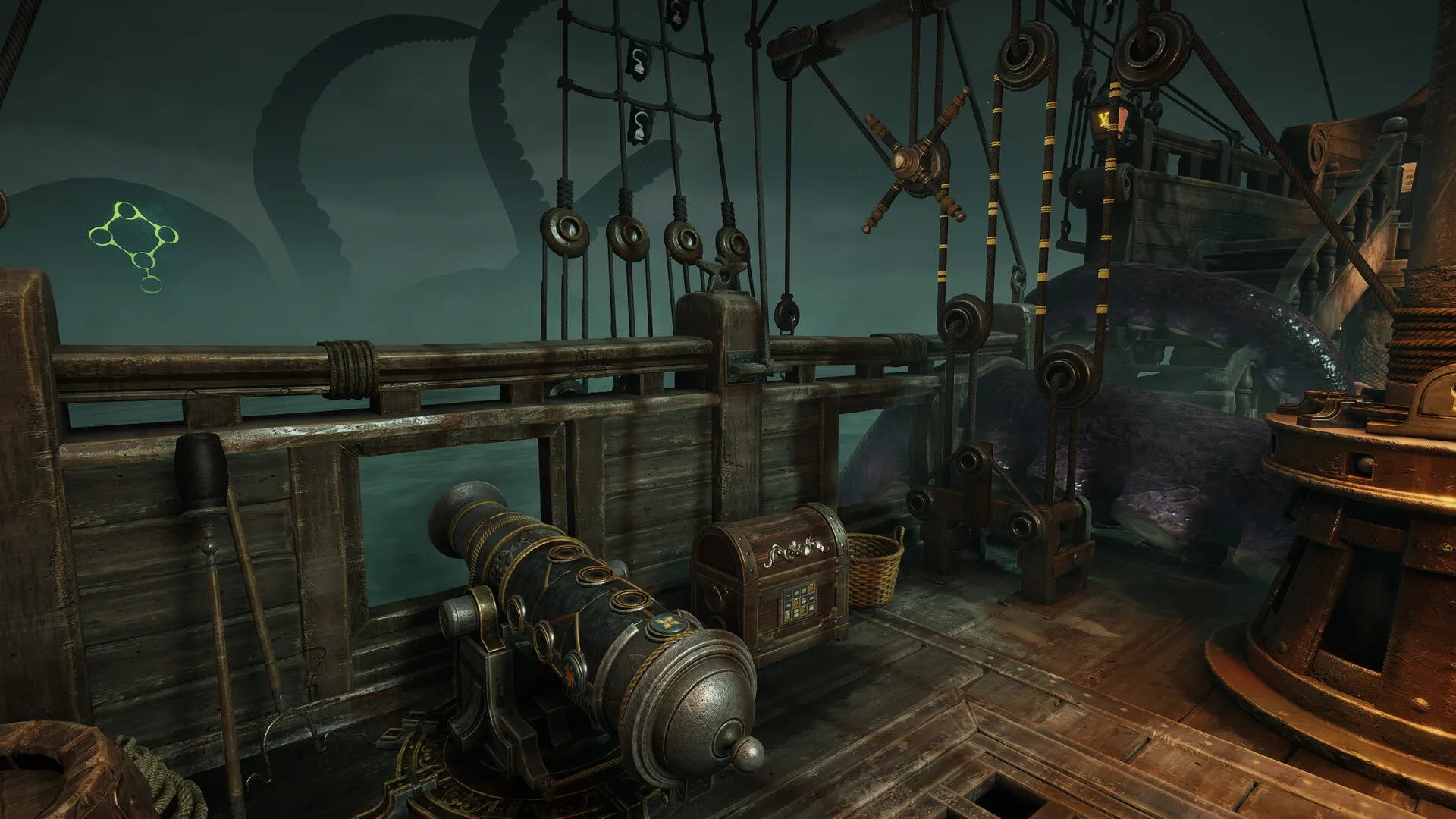
Performance holds steady with high-fidelity assets on screen. Frame rate can dip in specific conditions from 60 FPS to about 45 FPS. Players on Steam Deck can keep high settings while setting dynamic resolution to Fixed at 0.5 for a strong balance of clarity and battery life. The new lobby and hub provide a calm pause between rooms.
A character customizer, chess, and collectible jigsaw puzzles extend engagement without breaking the puzzle-first identity. Accessibility settings include anti-motion sickness options, movement speed adjustments, and the ability to hide item hints for a personalized challenge, which broadens comfort across different play habits.
Community and the Enduring Design
Longevity grows through post-clear goals and community tools. Collectibles hide in each room and feed the lobby’s jigsaw puzzles, which adds a scavenger layer on top of core problem solving. Darkest Puzzles rework cleared rooms into sharper, more demanding variations and raise the ceiling for experienced players.
The Room Editor anchors long-term value. The tool feels deep yet readable, with a clean interface that invites tinkering. It builds on the earlier version that supported thousands of fan-made rooms and now arrives as a second-generation system. Authors can work within the three launch themes or a general home theme for grounded scenes. Community authorship promises a constant pipeline of new rooms and gives the official lineup room to breathe. Player-made challenges extend the life of the game and sit alongside DLC without conflict, which mirrors creative ecosystems across global mod and maker cultures.
This sequel reads as a conversation between physical escape traditions and digital play. Interactivity encourages the close-looking habits that define venue rooms from Transylvania motifs to spaceship corridors. Scenario framing borrows from cinema, especially where setting carries narrative weight. Co-op preserves the social energy of teamwork and argument at the table.
Control choices reflect the realities of multiple platforms. Performance and options create space for handheld and desktop sessions. Finally, the editor and post-clear variants supply new goals and invite a community to write the next set of riddles. The result speaks to how puzzle culture travels across borders and screens, adapts to different playstyles, and keeps one throughline intact: the satisfaction of pulling a thread and feeling an entire room shift.
The Review
Escape Simulator 2
Escape Simulator 2 is a successful evolution of the digital escape room genre. It trades the cartoony look for a grittier, highly atmospheric aesthetic that supports larger, more complex puzzle environments. The co-op play perfectly captures the collaborative spirit of real-life rooms. While minor technical quirks exist, the impressive design, expanded scale, and powerful Room Editor ensure this sequel offers immense intellectual challenge and enduring value. It is essential for puzzle fans.
PROS
- Authentic co-op dynamic perfectly captures the shared experience.
- Deep, pervasive environmental interactivity.
- Significant increase in level size and puzzle complexity.
- Atmosphere enhanced by the visual overhaul.
- Powerful, second-generation Room Editor.
- Darkest Puzzles add specific replay value.
CONS
- Intermittent issues with the clue or hint system.
- Minor player clipping and animation oddities in co-op.
- Interaction controls can feel clunky (e.g., rotating objects).
- Base puzzles are a one-time solve, relying heavily on community.