























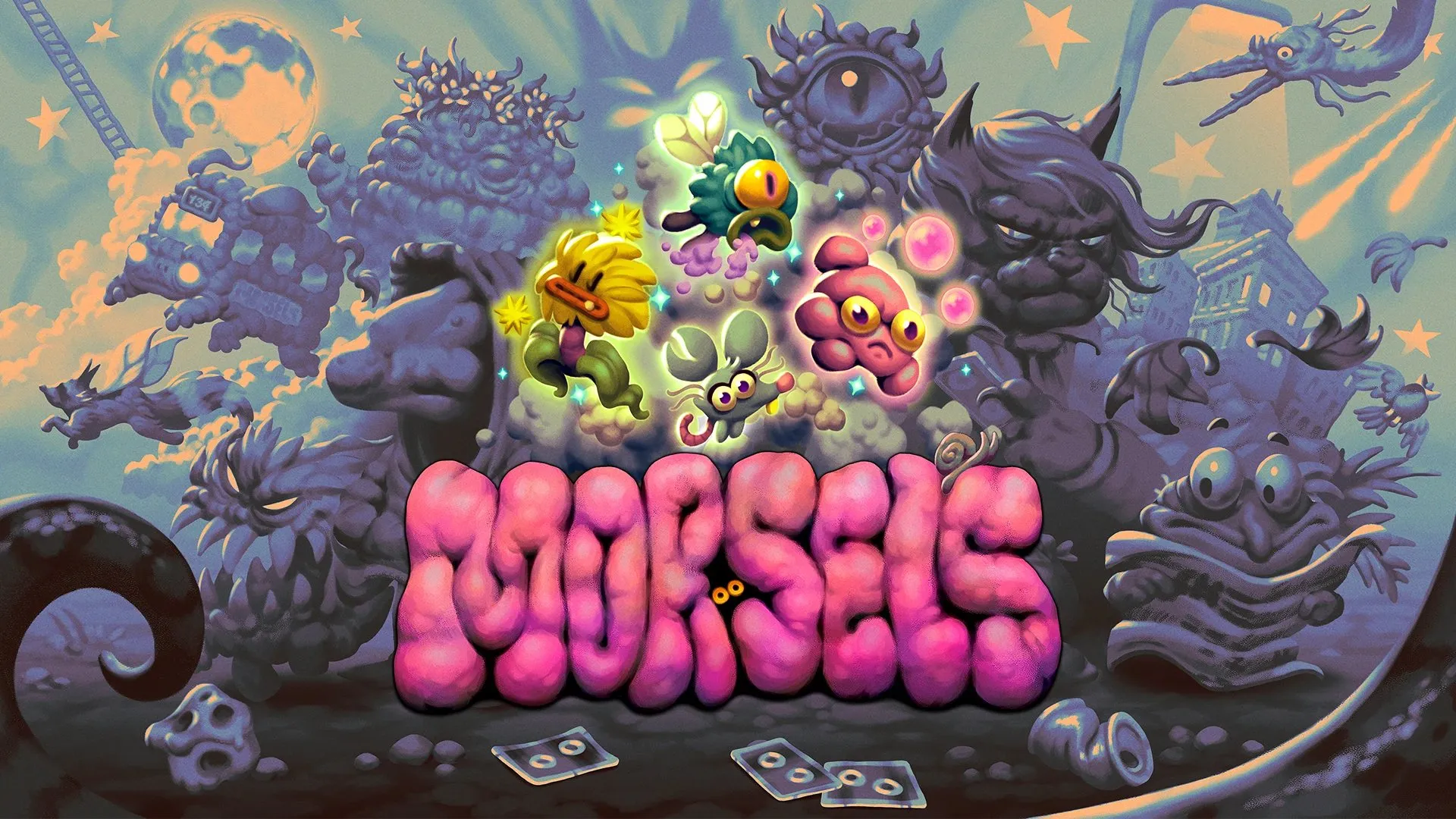

Morsels arrives as a chaotic action roguelike twin-stick shooter, part of a genre that earned worldwide popularity by pairing frantic combat with perpetual progression. Its setup reads like a hard-scrabble urban fairy tale. Tyrannical Card Barons, a society of cats, rule the world after hoarding the mythical cards that fell from the sky.
You begin as Mousel, a tiny creature too weak to fight alone, and you collect fragments of card power to transform into various Morsels. The goal is a vertical climb from the grungy depths up toward the surface, aiming to dethrone these leaders. This underdog narrative, set against a sudden and powerful hierarchy, reflects themes common across international youth culture and journalistic accounts of rapid societal shifts.
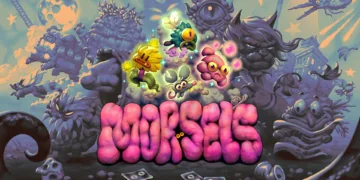
A distinct visual character reinforces that story of ascent. The game leans on grotesque, grungy 2D art, then coats it with VHS-style CRT filters that make each room look corroded by time. The image feels decayed and strangely cozy at once, and it sharpens the uneasy spark between the cute critters on screen and the filthy sewer spaces they inhabit. This lo-fi texture connects to an international appetite for retro media, yet the clarity of silhouettes and color blocks keeps the action readable for players used to more polished modern roguelikes.
The Roster as A Narrative of Identity
The main mechanical idea in Morsels sits in its creature roster. At any moment you manage up to three different Morsels and can swap between them during a run. This system functions as a tactical layer and as an echo of fragmented identity in the digital age, where people shift roles, avatars, and voices across platforms.
Each creature, such as Gumsel, a bubble-shooting wad of gum, or Shromshel, a fungus that deploys explosive fungi, carries its own health bar and experience points. Each also brings a unique moveset and control feel, so a swap changes your combat language in an instant. The rock Morsel, for example, turns you into a high-speed rolling weapon, far removed from the spacing and timing of a ranged attacker. The game expects you to read those differences on the fly.
That constant character cycling nudges you into adaptation, reflecting a wider cultural rhythm of reinvention that shows up in contemporary short-form media and youth culture across borders. The roster system also includes a severe rule. Adult Morsels that reach a final XP level “retire,” die, and leave behind a power-up.
The mechanic keeps the roster moving, yet it may sting for players who have settled into a favorite style and watch it disappear because they played well. Combat flow takes another hit from cooldown meters attached to every attack, including basic shots. The stop-start cadence interrupts the familiar twin-stick groove, creating mechanical friction at moments where continuous pressure usually defines the genre.
Opacity and the Unexplained System
Runs move through seamless multi-level worlds that push you forward and end in a cat boss fight. The top-down 2D layout encourages speed, yet it also rewards exploration. Floors hide branching routes, special rooms, and eccentric NPC encounters. Secrets and side diversions, including a multi-lane avoidance mini-game, break the pace in lively intervals and give each run a fresh randomized feel.
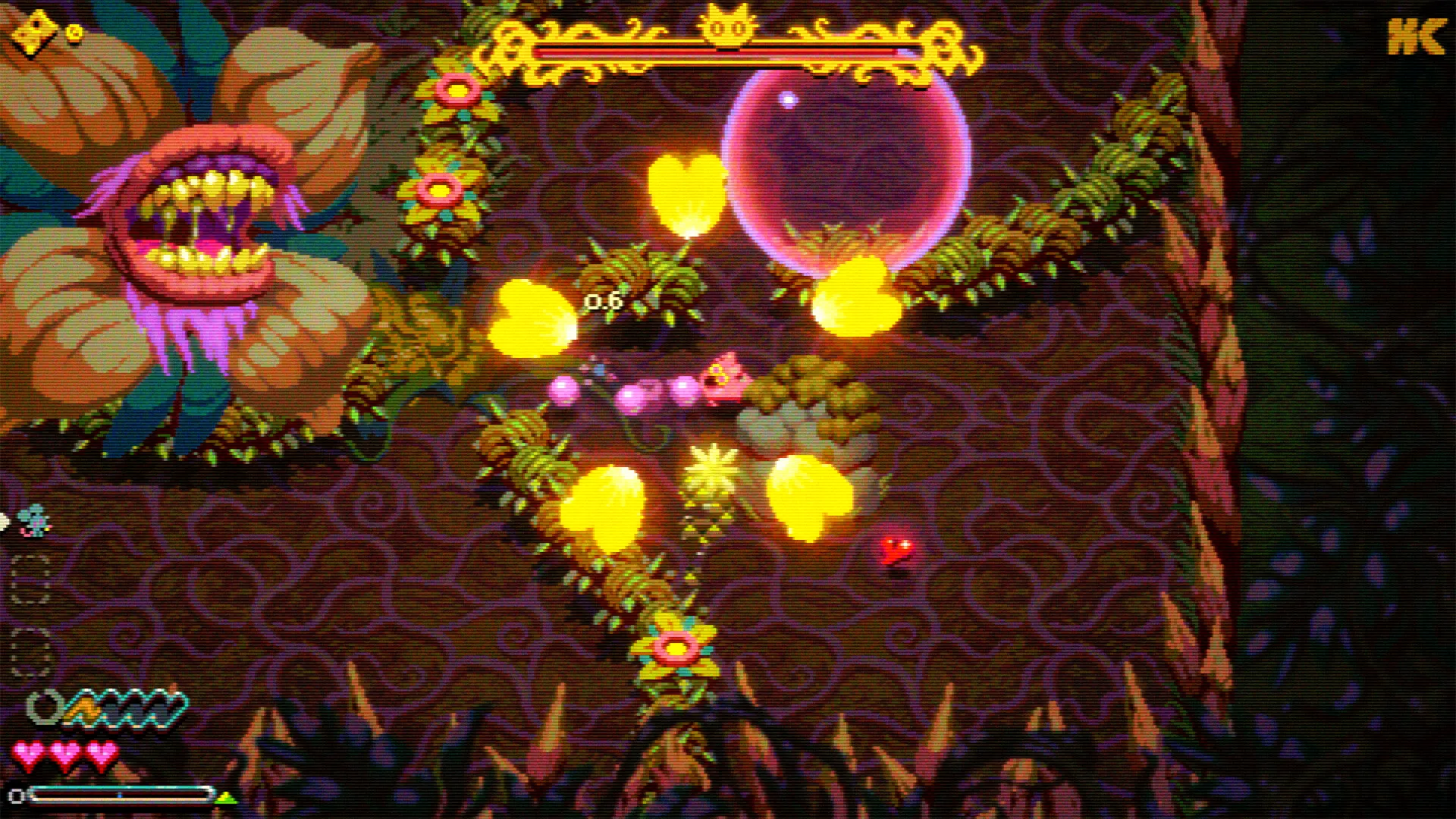
Enemies drop crumbs or cheese that serve as the currency for upgrades during the run. Between levels, random event rooms throw choices at you that can lead to rewards, mini-games, or sudden punishments. The stork can even confiscate a Morsel outright, reinforcing the sense that the world runs on caprice.
This dense network of systems becomes harder to enjoy because the game explains very little. Mechanics, power-ups, and items arrive with minimal guidance, and item descriptions remain vague. Learning leans on trial and error, with the risk of negative effects landing without warning.
The approach fits the game’s anarchic tone, yet it also turns certain decisions into guesswork that feels punitive, especially around items you must carry manually while dodging enemies. Difficulty brings more instability. The four main boss fights, large blobs with predictable spinning attacks, can feel straightforward, then regular stages spike sharply when enemy density and projectile spam jump without much notice. The core challenge wobbles between fair tests and sudden walls, making sustained mastery harder to hold from run to run.
Audio-Visual Identity and Technical Glitches
Presentation is the game’s strongest case for cross-cultural attention. The pixel art and CRT filters lock together to give the visuals a memorable retro stamp, reminiscent of vintage European animation and independent short films from the 1990s.
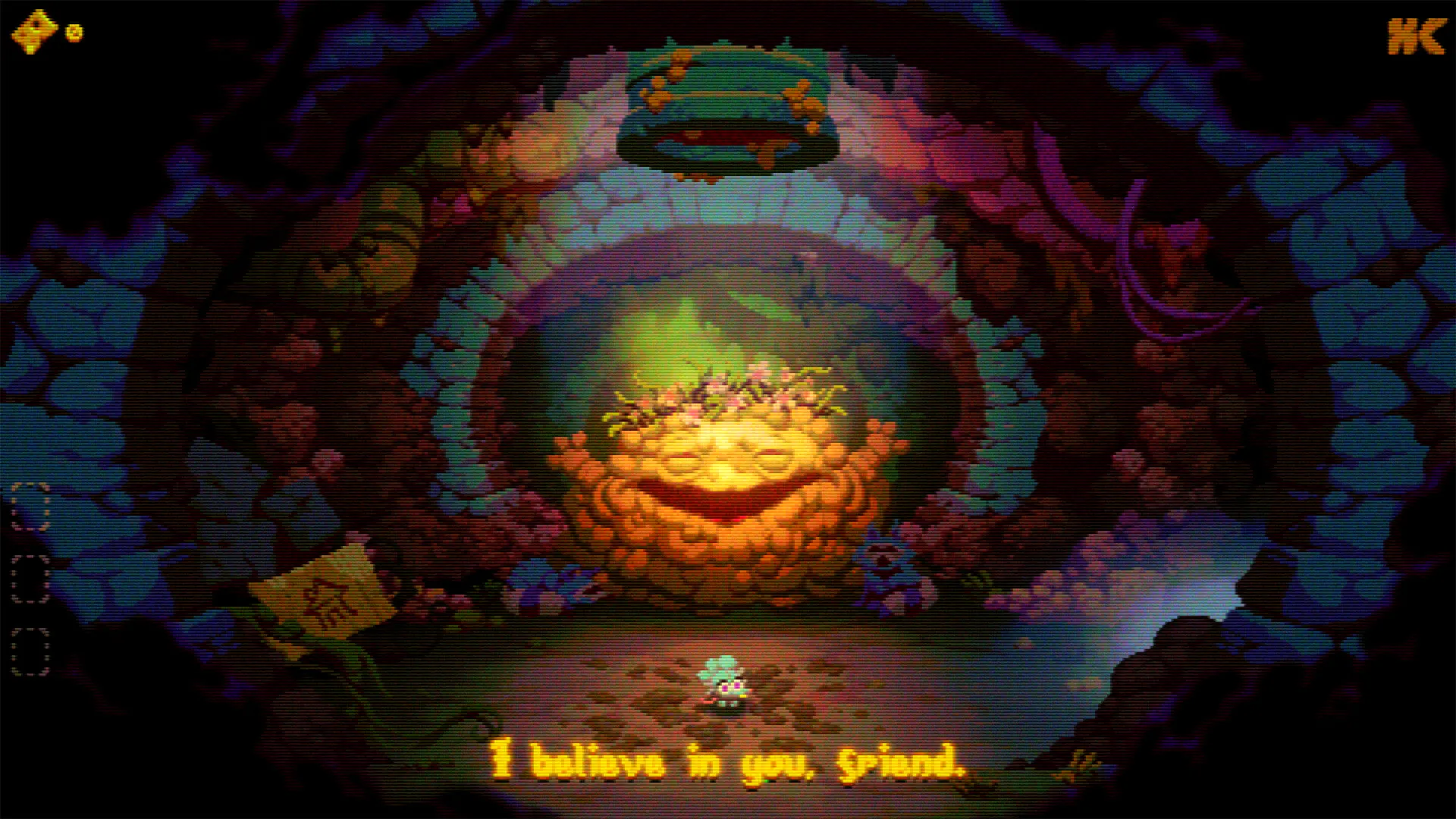
The art keeps a careful unease alive by pairing charming, big-eyed critters with a disgusting, grungy subterranean setting. That aesthetic carries into readability. Animations are crisp, and projectiles stand out even when combat erupts into chaos, so the style supports mechanical clarity while it flirts with grime and cuteness in the same frame.
Sound design rises to the same level. The soundtrack sits in a vaporwave dreamscape while drifting toward experimental jazz, with unusual instrumentation such as xylophone and organ. Those choices complement the game’s eccentric atmosphere and tie into a global taste for lo-fi nostalgia and off-kilter groove. Technical shortcomings still cut into the experience.
Players can hit occasional crashes and glitches that force a full restart, abruptly breaking the flow of a run. A small but telling inconsistency appears on the game-over screen, where the audio continues to play through defeat, softening the moment’s impact. These issues distract from a presentation that otherwise holds together with rare confidence.
The Review
Morsels
Morsels stands out through its highly original, grotesque aesthetic and a core mechanic that forces players to constantly adapt their fighting identity. This twin-stick roguelike is ambitious in blending creature collection with frenetic action. However, the experience is hampered by frustrating mechanical friction—namely the constant cooldown requirements—and a persistent lack of clarity surrounding its many item and progression systems. It is a visually and aurally compelling game that requires considerable patience to overcome its self-imposed design hurdles, appealing most strongly to players who enjoy unusual experiences and enduring an initial learning slog.
PROS
- Highly distinctive and memorable grotesque/grungy visual style.
- Innovative three-Morsel swapping system forces variety.
- Engaging vaporwave soundtrack and strong audio design.
- Deep exploration and minigames add variety to runs.
- Effective CRT filters create a strong retro atmosphere.
CONS
- All attacks are governed by an irritating cooldown meter.
- Most items and mechanics are unexplained, leading to confusion.
- Difficulty spikes are inconsistent (easy bosses, hard levels).
- Morsel "retirement" system can feel unnecessarily punishing.
- Occasional technical issues (crashes/glitches).