

























![Kingdom Hearts Collection [I-III] Review](https://gazettely.com/wp-content/uploads/2026/10/Kingdom-Hearts-Collection-I-III-1-360x180.webp "Kingdom Hearts Collection [I-III] Review: KHII Holds Steady as Newer Entries Fluctuate 37")



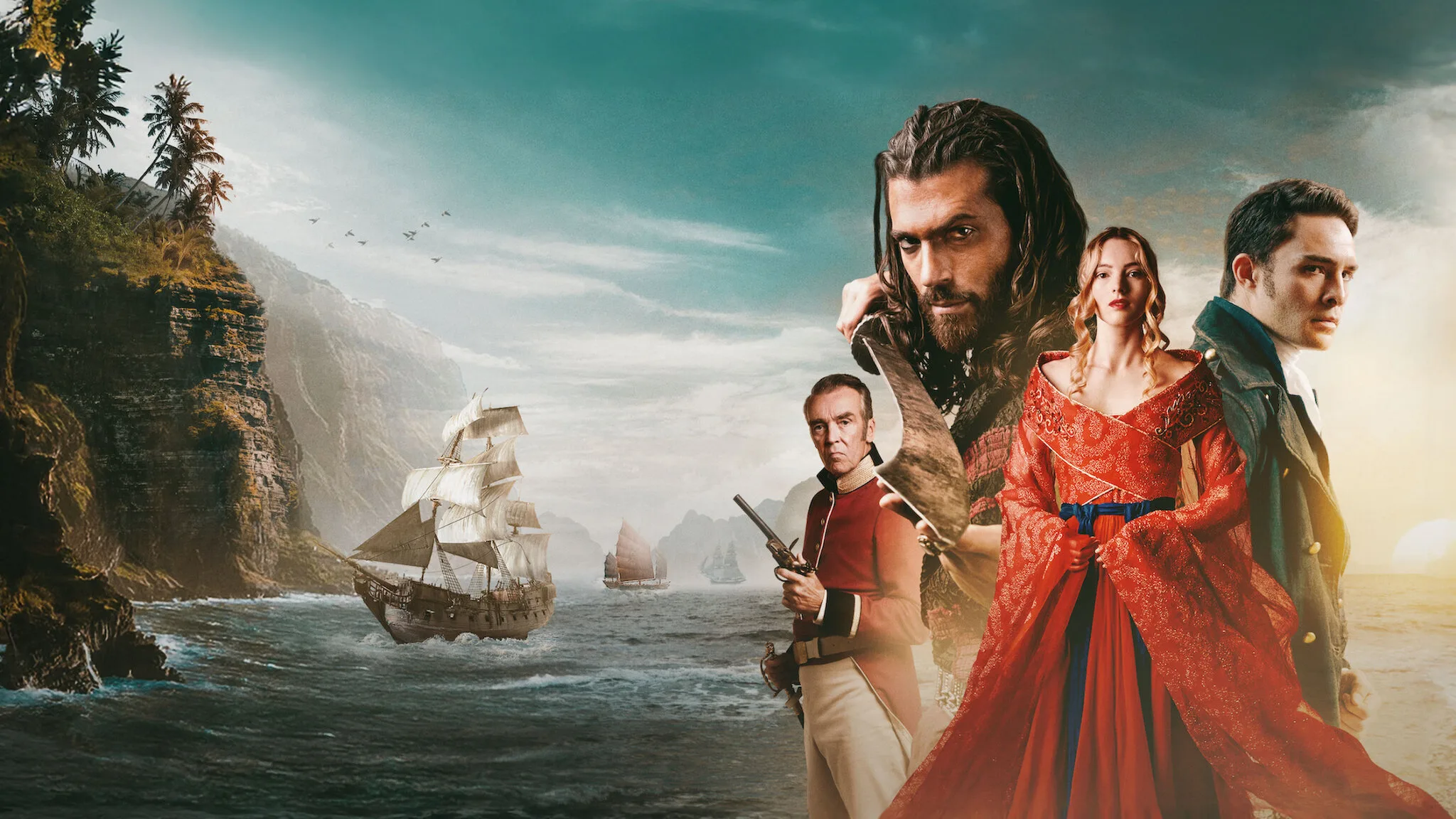

Sandokan appears as a lavish revival of adventure mythology rooted in the fiction of Emilio Salgari. Framed by the perilous landscapes of nineteenth-century Borneo, the series follows a pirate captain who uncovers his lineage as the Tiger of Malaysia. The opening depicts a brutal colonial assault on native territory, setting a central conflict that places Sandokan against James Brooke, a British hunter of pirates marked by calculated severity.
The narrative follows the theft of industrial minerals called cursed stones, the strategic games of the Sultan of Brunei, and the gradual awakening of a man once satisfied with opportunistic raids. Maritime spectacle shares space with the introduction of Marianne, daughter of the English consul, whose resistance to her rigid upbringing draws her toward the pirate cause.
This version situates its legendary figure inside a carefully rendered historical frame, examining colonial extraction and native resistance. Led by performances from Can Yaman and Ed Westwick, the series connects the romance of seafaring adventure with contemporary concerns about autonomy and regional history. The setting unfolds through luminous oceans where loyalty always carries consequences.
Prophecy and Power: The Narrative Framework
A prologue set in 1816 establishes a recurring cycle of violence that informs the main timeline of 1841. Sandokan enters the story as a hired pirate unaware of his royal ancestry and the tiger spirit shaping his destiny. This narrative pattern echoes traditions found in Indian masala cinema, where concealed lineage drives a hero toward social responsibility. Lamai serves as a spiritual intermediary who ties Sandokan to the Dayak people. Through him, the protagonist’s path shifts from personal gain toward collective resistance.
The cursed stones supply a concrete incentive for British expansion. Required for machinery and ammunition, these resources redirect imperial desire from classic symbols of wealth toward materials fueling industrial power. This focus parallels themes present in contemporary historical drama. The Sultan of Brunei manipulates access to the stones to balance British and Dutch interests, increasing political tension within the story world.
Conflict takes shape during a calculated naval encounter in which Brooke destroys Sandokan’s vessel. The resulting shipwreck on Labuan initiates the season’s momentum. Sandokan assumes the identity of Ismail the Merchant to penetrate the British consulate, sustaining an atmosphere of suspicion. Preparations for a tiger hunt follow, functioning as a symbolic attempt to corner the pirate leader. Marianne uncovers Sandokan’s identity during a failed abduction, redirecting the narrative away from diplomatic interiors toward the open sea.
Heroes and Hunters: Casting the New Frontier
Can Yaman presents Sandokan with a refined heroic image aligned with contemporary global blockbusters. The character often appears immaculate after surviving jungle pursuits or maritime disasters. This visual treatment departs from earlier portrayals defined by physical exhaustion. Authority emerges through posture and restraint, supported by physical presence and controlled expression. This approach reflects shifts in Indian popular cinema, where action heroes evolved from grounded figures of the 1970s into mythic icons of recent decades.
Ed Westwick’s James Brooke emerges as an ambitious tactician. Pirate hunting becomes his route toward securing the consulship and marrying Marianne. His cruelty surfaces during the staged tiger hunt, when he hands Sandokan a faulty weapon and leaves fate to finish the task. Brooke embodies the administrative precision of colonial power, set against the pirates’ code of loyalty.
Alanah Bloor shapes Marianne as an intellectually driven figure. Her interests in science, spider collection, and medical practice grant her narrative agency. She tends to Sandokan’s wounds using practical knowledge, and her attraction begins as curiosity about a life beyond rigid expectations. The series frames her swift attachment as a deliberate rejection of an arranged future.
Supporting roles deepen the narrative fabric. Alessandro Preziosi’s Yanez functions as a grounded first mate who counters Sandokan’s idealism with pragmatism. Madeleine Price portrays Sani, a maid whose ties to the Dayak people connect European privilege with indigenous suffering. Through her presence, the consequences of mining operations remain visible.
The Art of the Spectacle: Visual and Auditory Craft
The visual language relies on expansive compositions capturing the Borneo coastline and the scale of the surrounding seas. Characters often appear small within these frames, reinforcing isolation and vulnerability. Lighting schemes distinguish environments clearly. The British consulate appears bright and orderly, and pirate encampments glow with shadowed warmth. This separation reinforces opposing worldviews tied to authority and freedom.
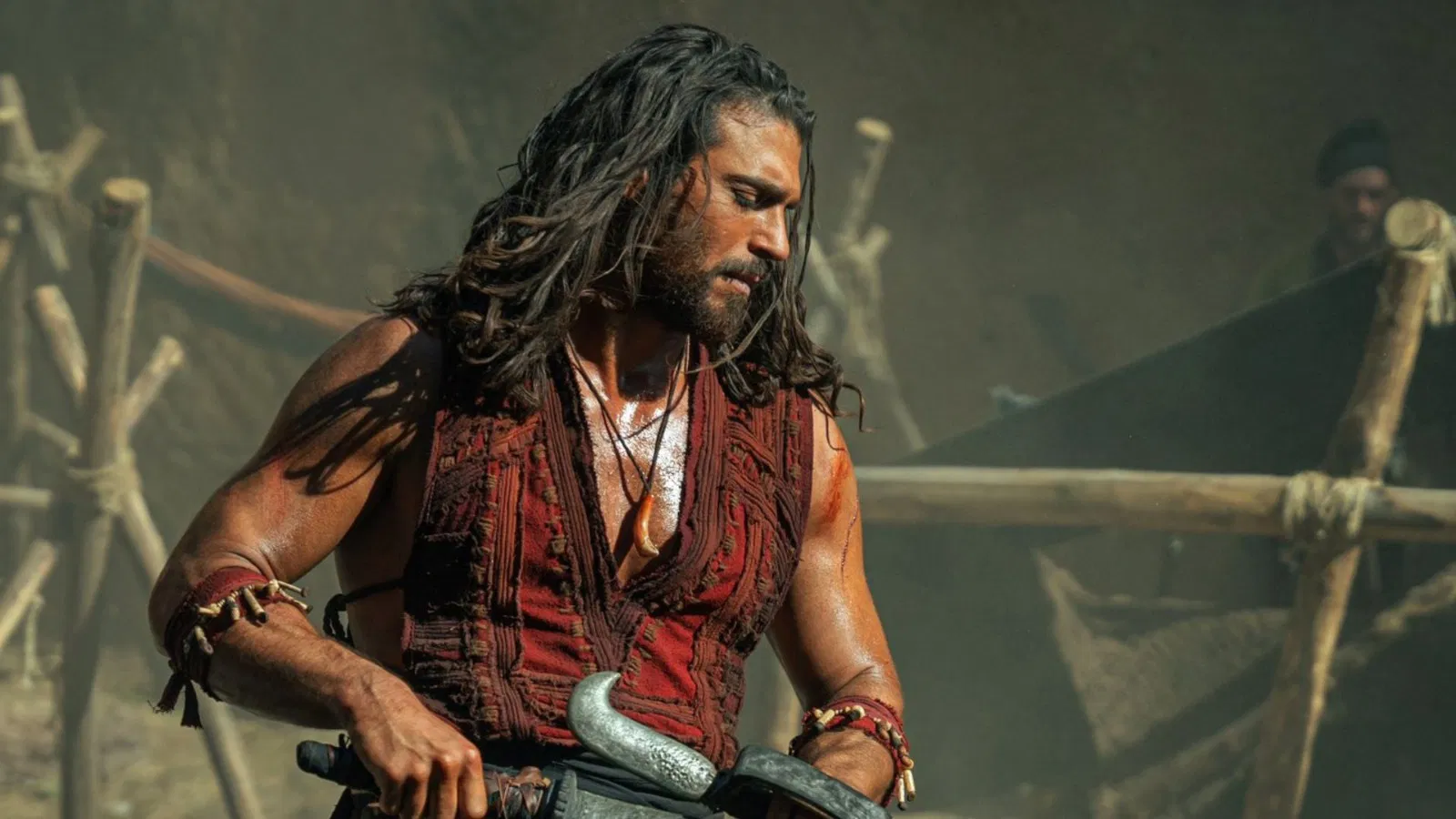
Action scenes adopt a stylized rhythm built around speed and controlled choreography. Combat favors agility and precision. Sandokan’s movements resemble ritualized performance. This aesthetic choice aligns with contemporary adventure storytelling. Sequences such as the tiger confrontation and the prison escape maintain momentum through suspense and tangible effects.
Costume design highlights the prosperity and diversity of the pirate collective. Rich textiles and ornamentation mark Sandokan’s crew, exceeding the restrained dress of British officials. Pirates emerge as figures who command wealth through defiance.
The score moves away from earlier musical traditions toward orchestral themes infused with regional motifs. Ritual scenes use traditional songs, including ceremonies honoring fallen warriors. These elements anchor the narrative within Malaysian cultural practices and lend gravity to the fast-moving plot.
Empire and Identity: Adapting a Legend for Today
Colonialism receives direct treatment through depictions of British occupation driven by extraction. Mining camps and the enslavement of the Dayak population frame Sandokan’s rebellion as defense of homeland. He functions as a guardian rather than a lawless marauder, reflecting current historical perspectives that reassess resistance to empire.
Contemporary sensibilities shape the portrayal of women. Marianne participates actively in political struggle and alliance-building. Sandokan’s gradual discovery of his origins positions viewers alongside him, allowing the setting and its conflicts to unfold through shared revelation. This structure supports his evolution into leadership.
Early episodes spend time establishing political dynamics before shifting focus to naval action. Romantic tension between Sandokan and Marianne intertwines with commentary on indigenous rights, linking personal desire to collective liberation.
Indigenous characters avoid simplistic archetypes through defined motivations and dialogue. Figures such as Sani and Lamai articulate perspectives grounded in survival and dignity. Moral alignment remains complex, with corrupt rulers and honorable soldiers present across factions. The story centers on power, legacy, and the enduring burden carried by the Tiger of Malaysia.
The 2025 adaptation of Sandokan, also marketed as Sandokan: The Pirate Prince, premiered on December 1, 2025, on Italy’s Rai 1 and the streaming platform RaiPlay. Produced by Lux Vide in collaboration with Rai Fiction and distributed globally by Fremantle, the series reached a massive international audience when it debuted on Netflix on January 19, 2026. This high-budget revival breathes new life into Emilio Salgari’s legendary nineteenth-century pirate hero for a modern generation, featuring expansive cinematography captured across Italy and Réunion Island. Viewers can currently stream the eight-episode first season on Netflix in the United States and most global territories, while Disney+ handles distribution in select European markets.
Full Credits
Title: Sandokan
Distributor: Rai 1, RaiPlay, Netflix, Disney+, Voyo
Release date: December 1, 2025
Rating: TV-MA
Running time: 51–61 minutes
Director: Jan Maria Michelini, Nicola Abbatangelo
Writers: Alessandro Sermoneta, Davide Lantieri, Scott Rosenbaum
Producers and Executive Producers: Luca Bernabei, Matilde Bernabei, Michele Zatta, Andrea Ozza, Andreana Saint Amour Di Chanaz, Jan Maria Michelini, Daniele Passani, Corrado Trionfera
Cast: Can Yaman, Alanah Bloor, Ed Westwick, Alessandro Preziosi, John Hannah, Owen Teale, Lucy Gaskell, Madeleine Price, Matt McCooey, Samuele Segreto
Director of Photography (Cinematographer): Valerio Evangelista, Alessandro Pesci, Mirco Sgarzi
Editors: Alessio Doglione, Melodie Caudal
Composer: Calibro 35
The Review
Sandokan
Sandokan provides a polished, visually striking reimagining of a beloved classic. It successfully integrates modern themes of colonial resistance and female autonomy into the traditional adventure genre. While the lead performance emphasizes aesthetic perfection over raw grit, the show provides high energy action and a vivid portrayal of nineteenth century Borneo. The dynamic rivalry between the Tiger of Malaysia and the calculating James Brooke keeps the stakes high. It remains a stylish, entertaining piece for those seeking a grand maritime spectacle.
PROS
- High production values in naval battles.
- Strong presence of the main antagonist.
- Active role for the female lead.
- Detailed cinematography and set design.
CONS
- Main characters appear unrealistically groomed.
- Combat styles prioritize poses over realism.
- Occasional conveniences in the plot logic.







