
























![Kingdom Hearts Collection [I-III] Review](https://gazettely.com/wp-content/uploads/2026/10/Kingdom-Hearts-Collection-I-III-1-360x180.webp "Kingdom Hearts Collection [I-III] Review: KHII Holds Steady as Newer Entries Fluctuate 37")



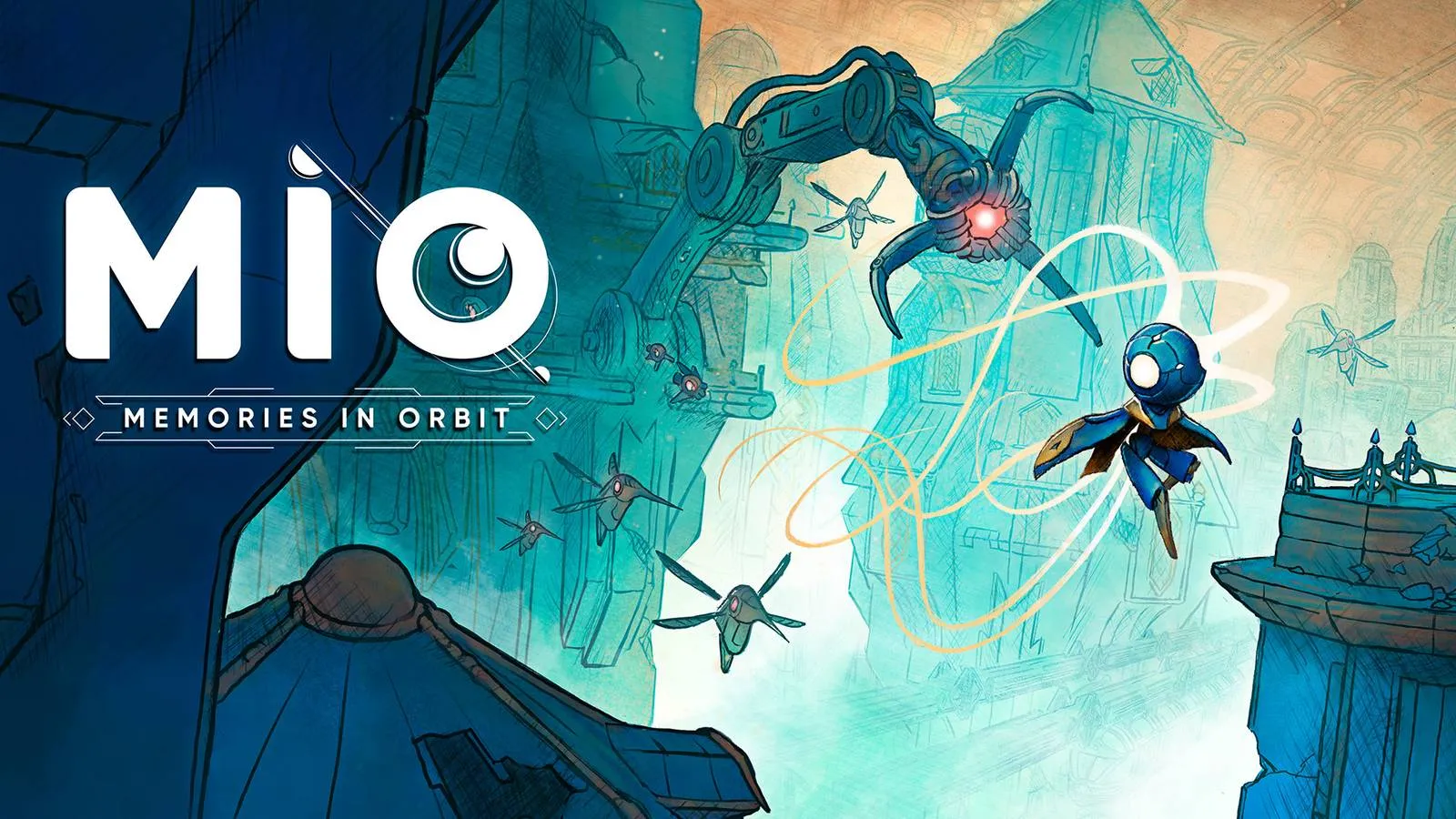

MIO: Memories in Orbit opens with almost no fanfare. You appear on screen as MIO, a slender android waking on something like an operating table. Beyond that tight room sits the Vessel, a vast technological ark floating through the void.
It reads like a drifting graveyard, with mechanical life and bio-organic flora tangled together in slow decay. The space feels loaded with a past the game never spells out, so you build your understanding by watching what the ship has become and noticing what seems broken, abandoned, or worn down.
MIO’s role takes shape through absence. The ship’s caretakers, guardian AIs called Pearls, have lost direction or slipped into deep slumber. To keep the Vessel from collapsing completely, MIO needs to locate and reactivate five Pearls.
That goal lands cleanly as a mechanical task list, and the mood around it carries emotional pressure. You move through a huge, failing structure as a small point of light. The contrast between MIO’s delicate body and the Vessel’s towering, crumbling spaces establishes isolation from the first steps you take.
The Aesthetics of Mechanical Melancholy
Visually, this feels like stylized art direction done with real control. Many environments resemble watercolor paintings given motion, built from thick outlines and muted colors that echo experimental animation from the 1990s. That choice takes the edge off the sci-fi harshness.
Pipes, metal corridors, and rusted bulkheads read as fragile, almost tender surfaces. MIO stands out in the same spirit, especially through her glowing hair, which doubles as a weapon. Its light brushes against charcoal-like shadows in deeper hallways, turning travel into something careful, even graceful.
Sound reinforces that delicacy with tight, responsive choices. The score leans on synth textures that change with location. During exploration, the music settles into meditative pulses that underline the Vessel’s scale. When fights start, the same palette tightens into frantic beats that push tension forward.
The camera often pulls back for sweeping interior views, leaving room for silence and distance to register. The result is reflective in tone and sometimes suffocating, with the ship itself carrying the weight of a large, quiet tragedy.
Complexity Through Systemic Modification
Progress runs through MIO’s growth via the Modification system. Many games hand out permanent power increases. Here, advancement comes from repeated decisions. You slot chips into limited spaces to gain benefits like higher damage or stronger healing.

Some options bring odd trade-offs. One chip lets you read enemy health bars, another lets you read your own. Picking visibility for your status can cost you a combat boost, and that push-and-pull makes the build feel personal. It also matches MIO’s identity as a machine that needs constant tuning to keep going.
Movement sits at the same level of importance. You begin with a double jump and later pick up a wall climb and a grapple called the hairpin. These tools turn exploration into a mechanical problem you solve with timing and control.
The platforming expects precision, and the challenge runs high. For players who hit a wall, there’s a setting called Erosion. After repeated failures, it shaves a small amount of health off a boss, letting you continue while still requiring you to learn the patterns and execute. It respects your time and keeps the core structure intact.
Tactile Conflict and Interconnected Secrets
Combat inside the Vessel has weight and intention. Hits land with a sense of force, and fights play out like a tense routine built from dodges and carefully timed strikes. Most enemies are hostile automatons with distinct behaviors, and the bosses stand out as the main events.
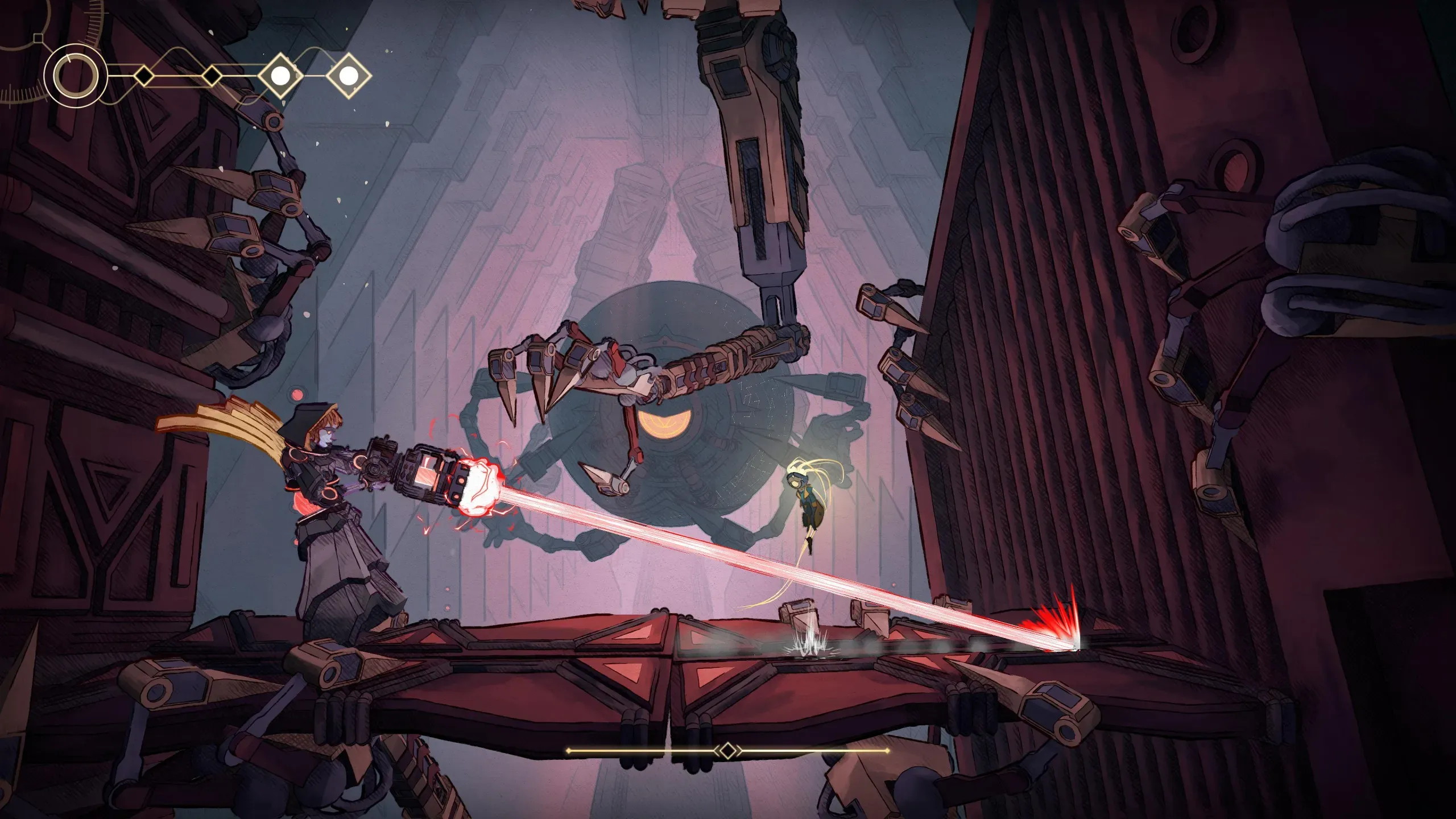
These machines carry a mournful dignity in how they move, and their patterns read clearly once you give them attention. Wins come through patience and observation. You absorb their rhythms until something that felt impossible becomes a focused skill test. When you finally take one down, the payoff comes from real command of MIO’s limited, flexible moveset.
Exploration frames the map as a large interconnected puzzle. Shortcuts fold back toward earlier save points, and that looping design delivers genuine relief after long stretches of risk. Friction shows up in a few places, especially where the map lacks precise location labels and backtracking starts to feel unmoored.
Death can also mean a long return trip to a boss room through dangerous terrain. The space still holds your interest through those rough edges. The peaceful NPCs you do meet, along with their small and quirky stories, bring empathy into a world otherwise shaped by mechanical hostility.
The Review
MIO: Memories in Orbit
MIO: Memories in Orbit is a beautiful, demanding experience that respects player intelligence. Its watercolor world and precise combat create a sense of earned achievement. While the difficulty and boss treks might test your patience, the mechanical depth and quiet emotional beats make it a standout. It is a punishing but deeply rewarding experience through a dying starship.
PROS
- Striking watercolor aesthetics
- Impactful, precise combat
- Flexible Modification system
CONS
- Arduous boss runbacks
- Lacks map location names
- Steep skill requirements