































The red, white, and blue ball of the American Basketball Association signaled a deliberate break from the monochrome order of the NBA in the late sixties. Kenan Kamwana Holley frames Soul Power as an inquiry into that nine-season moment of refusal. With narration by Common the four-part series appears as the 2026 season marks the fiftieth anniversary of the merger.
The film resists a simple year-by-year account and instead traces how a group of franchises pressed against an entrenched system. It treats the league’s rise and collapse as a case study in institutional friction and locates athletic spectacle and rule change in the era’s social unrest.
Archival footage and first-hand testimony anchor the storytelling and shape a record of a league defined by volatility. The approach risks sentimentality, yet the series keeps attention on the commercial pressures and creative wagers that remade professional basketball. The argument is straightforward: the ABA remodeled the sport’s technical shape and left a lasting imprint on how the game is played.
Tactical Shifts and Social Equity
The film foregrounds the three-point shot as a deliberate market tool. It acted as a blunt counter to a slower style of play and favored a constant push for transition offense. That velocity explains many features of positionless basketball in 2026. The red, white, and blue ball also functioned as a compact brand identity.
George Gervin’s testimony positions the league as a workplace where talent mattered more than gatekeeping. George Gervin describes an integrated environment in which decision makers drafted underclassmen and opened a professional door for younger players. Names such as Spencer Haywood and Julius Erving emerge in the film as beneficiaries of relaxed entry rules. The documentary treats diversity as a driver of stylistic creativity and links that creativity to broader social changes of the late 1960s.
Scenes of dunk contests and crowd reactions emphasize how individual expression altered popular expectations about athletic possibility. The series argues that many features of modern play originate in this period and ties those rule shifts to a demand for a fairer share of opportunity.
The Architects of Modern Flair
Holley gathers voices including Julius Erving, Rick Barry, and Artis Gilmore to move beyond headline facts. Broadcaster Bob Costas offers early-career memories with the Spirits of St. Louis and a candid take on the era’s broadcast missteps. The Kentucky Colonels gain attention for a management structure that placed Ellie Brown and Patsy Baker in visible roles at a time of rigid gender expectations.
Ellie Brown and Patsy Baker appear as examples of leadership that altered business practice. Archival clips capture a party atmosphere in markets such as Indiana and Kentucky and emphasize entertainment as a priority. Players describe a culture built on improvisation and close bonds.
The film tracks how individual branding took hold before industry norms codified it and shows the personal costs that accompanied early fame. Those human accounts explain how the ABA shaped current approaches to star-driven marketing.
The Economics of Selective Preservation
A missing national television contract limited the league’s reach. Financial instability produced frequent franchise failures and relocations. The 1976 merger absorbed only the Nets, Nuggets, Pacers, and Spurs into the NBA. Teams such as the Kentucky Colonels and the Spirits of St. Louis were excluded.
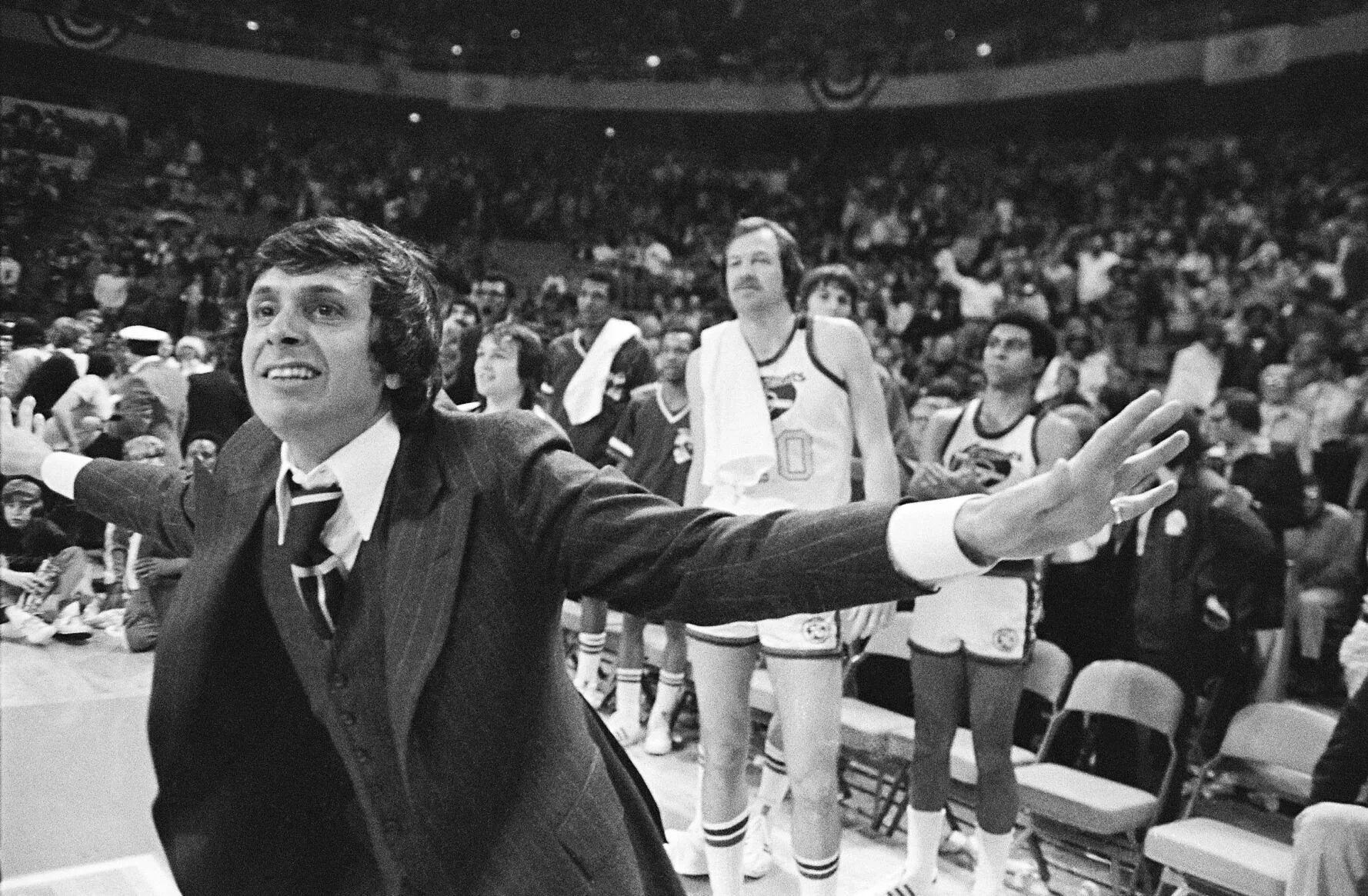
The Silna brothers negotiated an enduring television revenue arrangement for the Spirits, a deal the film treats as a notorious business maneuver. Silna brothers appear in the account as architects of a rare long-term payout. The Dropping Dimes Foundation provides a sober perspective on retired players who lacked medical and financial protections after teams folded. Legal disputes and ownership scandals filled the league’s final years.
The series proposes that the established league absorbed technical innovations while sidestepping many original contributors. The final episodes examine what the merger preserved and what it left behind, documenting the human cost of changing the game and treating the ABA as an influential chapter rather than a passing novelty. Spirits of St. Louis and the athletes who remained outside the new order receive consistent empathy in the film’s closing moments.
Soul Power: The Legend of the American Basketball Association is a comprehensive four-part documentary series that premiered on Prime Video on February 12, 2026. Arriving just in time for the 50th anniversary of the ABA-NBA merger, the series chronicles the nine-season lifespan of the American Basketball Association from 1967 to 1976. It explores how the league functioned as a cultural disruptor, introducing iconic elements like the three-point line and the slam dunk contest while navigating a landscape of financial instability and social change. Viewers can stream the entire series exclusively on Prime Video, where it highlights the lasting impact of the ABA on the modern professional game.
Where to Watch Soul Power: The Legend of the American Basketball Association


Full Credits
Title: Soul Power: The Legend of the American Basketball Association
Distributor: Prime Video
Release date: February 12, 2026
Rating: TV-MA
Running time: 60 minutes per episode
Director: Kenan Kamwana Holley
Writers: Kenan Kamwana Holley
Producers and Executive Producers: Common, Julius Erving, Todd Lieberman, George Karl, Kenan Kamwana Holley, Brett Goldberg, Scott Tarter, Barry Bookhard, Aaron Brenner, Jonathan Brolin, Tony Curotto, Mikey Goldenberg, Rob Harvell, Arthur Hundhausen, Cory Jackson, Jim Jorden, Rory Karpf, Niki Usbay McDonald, Akin Omotoso, Steve Riach, Stephen Sowers
Cast: Common, Julius Erving, Bob Costas, George Gervin, Rick Barry, Larry Brown, Spencer Haywood, Artis Gilmore, Bob Ryan, Willie Wise, Dan Issel, Ellie Brown-Moore
Director of Photography (Cinematographer): Denton Adkinson
Editors: T. David Binns, Adam Spiro Brown, Tim Clancy, Darren Lund, Kevin McCabe, Sasha Shapiro, Brian Triebwasser, Brian Turner, John Ward, Jeff Cvitkovic
Composer: Jonathan Orr
The Review
Soul Power
Soul Power provides a clear-eyed look at the rebellious spirit of the ABA. It respects the legacy of the league while exposing its fragile foundations. The production clarifies why modern basketball looks the way it does. It is an essential watch for sports historians and casual fans alike.
PROS
- Honest player testimony.
- High quality archival footage.
- Socially aware narrative.
CONS
- Brief treatment of business failures.