



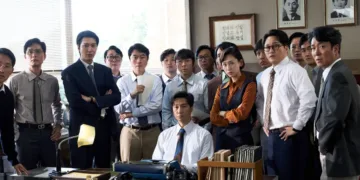

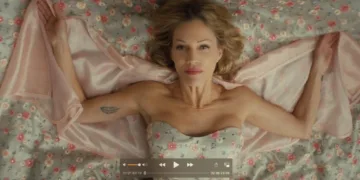
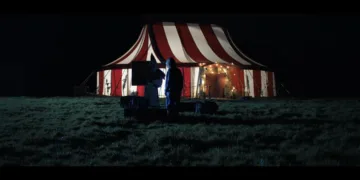










The year 2011 in Queens becomes a testing chamber for a disastrous moral experiment. Chris Newborn lives inside the fragile architecture of working-class survival, boxed into a cramped apartment with his fiancée and a troubled brother. That domestic quiet breaks apart when Keith Newborn comes home wearing a bloodstained shirt and carrying a psyche in pieces. A fatal hit and run has happened.
Chris sees two paths before him. His brother can face a life sentence, or Chris can invent a lie large enough to swallow his own life. He chooses the lie. This sacrificial fraternalism, a poisoned exchange of one future for another, begins with a clean shirt traded for a gory one. Chris takes on the identity of a killer to protect a brother with a lengthy criminal record.
Tara, his fiancée, spots the collapse in that reasoning at once. She understands the law as a machine built without a pulse. It cares little about truth once a body has been supplied for the cell. The apartment, once a shelter of shared rent and whispered plans, turns into a stage for tragic roleplay.
Chris asks her to trust him. He believes his clean history will soften the punishment. He is catastrophically wrong. The sirens outside mark the end of his control. His choice becomes a ledger of imagined usefulness. Chris wagers his future on a brother with little capacity to repay the debt. The opening lands with grim force, establishing the film’s central idea: sacrifice can become suicide in slow motion.
The Residue of the White Room
By 2020, Chris returns from social death to a world that continued without him. His sentence expanded in 2013 after he witnessed guards beating an inmate to death. He became the convenient target of a frame job. Seven years in a solitary cell, a windowless void built to dissolve time itself, left him altered at the cellular level.
The isolation creates carceral atrophy. His mind has become jagged edges, reflexive fear, and alarms that never shut off. The Innocence Project secures his release through video evidence. He comes home to a son he has never met.
Jake is marked by silence. He suffers seizures. He chooses silence over speech. His bond with Chris becomes a study in parallel damage. Chris attempts fatherhood, then discovers he has returned as a ghost with a pulse. When a lawyer raises the possibility of suing the state, Chris responds with sudden and frightening anger. His refusal to litigate his pain signals deep exhaustion.
He has no appetite for justice as paperwork. He wants release from existence as a legal file, a case number, a state error with breathing privileges. His body has left prison. His consciousness remains fixed inside that blinding white hush. He walks free, yet his mind still measures the dimensions of a cell. The outside world is too loud, too bright, too full of color for a man conditioned by monochrome purgatory.
The Simulated Panopticon
Tara proposes a geographic cure. She arranges time at an upstate resort closed for renovation. The place offers heavy-timbered seclusion that echoes the prison Chris has just escaped. Ken Hershey, the property manager, becomes the lone nearby human presence. He watches from the edges.
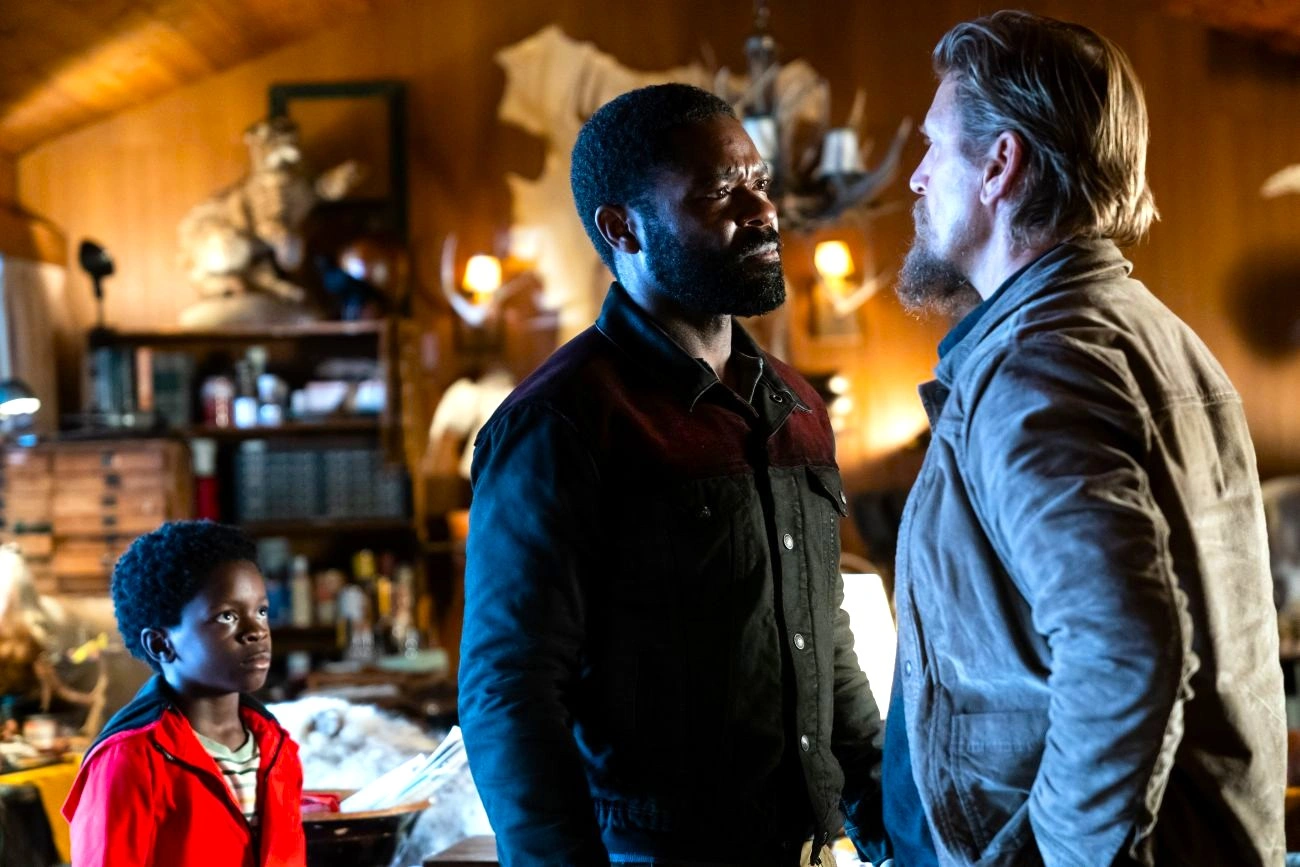
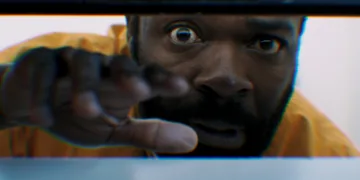
The film shifts into psychological thriller territory here, letting the forest’s quiet reflect Chris’s internal collapse. He begins seeing prisoners in orange jumpsuits moving through the dark trees. These visions carry the force of permanent paranoia, trauma given shape and uniform.
Keith arrives at the resort, high on drugs and desperate. His presence revives the original sacrifice that destroyed Chris’s life. Chris starts reading the resort as a defensive perimeter. He builds a safe space. He treats the woods like contested ground. A wolf attack in the brush brings animal violence into the family’s already fraying sanctuary. Chris kills the beast.
Tara treats the wound at the resort without seeking a hospital, a choice that signals the family’s growing separation from ordinary social rules. Chris begins suspecting a conspiracy involving Hershey and the authorities. He digs in the dirt. He searches for a hiding place for his son. The image is dreadful and precise: a man seeking comfort in the shape of a grave. His present has become a simulation of his incarceration, complete with watchers, walls, and imagined containment.
Kinetic Trauma and the Semiotics of the Surname
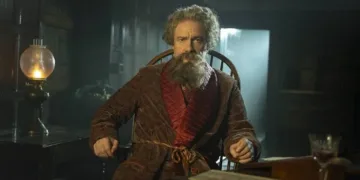
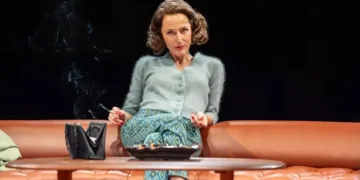
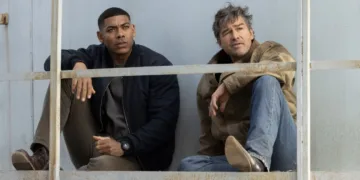
David Oyelowo plays Chris Newborn with dense, muscular stillness. His body carries the weight of a man compressed by the state. His eyes refuse rest. They search for exits and threats with predatory concentration. It is a performance grounded in physical intelligence, full of pressure, recoil, and barely contained panic. Olivia Washington gives Tara a graceful steadiness, a moral counterweight to the collapse forming around her. Jimmie Fails gives Keith a pathetic, manipulative charge. He stands as the living bill for Chris’s terrible choice.
Director Nate Parker works with a visual design built from harsh contrasts. The blinding light of the solitary cell returns as a motif, set against the dark, devouring shadows of the New York wilderness. The surname Newborn carries cruel irony. Chris cannot be born again because he was never granted any meaningful death.
The open-grave imagery suggests a society inclined to bury its failures, then call that burial order. The film links its prison-system critique to genre-thriller machinery, creating a pressure chamber where legal history becomes psychological weather. It studies the impossibility of a clean slate inside a system that records every mistake and keeps collecting interest.
The ending feels rushed, smoothing over the turmoil built by the preceding scenes. The performances keep the story grounded when the plot tips into surreal territory. The film becomes a severe examination of home after incarceration, where shelter can feel like surveillance and love can curdle into obligation. The spirit is broken. The law is satisfied. Chris Newborn remains imprisoned by devotion, which may be the most merciless sentence of all.
Newborn is a psychological thriller that premiered in the United States on April 10, 2026. The film follows the story of Chris Newborn, a man struggling to reintegrate into society after spending seven years in solitary confinement for a crime he did not commit. As he attempts to reconnect with his family at a remote resort, his grip on reality begins to fracture, turning his newfound freedom into a harrowing psychological battleground. The movie was released exclusively in AMC Theatres through a partnership with Mansa Studios.
Where to Watch Newborn (2026) Online






Full Credits
Title: Newborn
Distributor: AMC Theatres, Mansa Studios
Release date: April 10, 2026
Rating: R
Running time: 102 minutes
Director: Nate Parker
Writers: Nate Parker
Producers and Executive Producers: Nate Parker, Aaron L. Gilbert, Kevin Turen, Christina Lee Storm, David Oyelowo
Cast: David Oyelowo, Olivia Washington, Barry Pepper, Jimmie Fails, Aiden Stoxx, Rukiya Bernard, Thomas Cadrot, Naomi Simpson
Director of Photography (Cinematographer): Elliot Davis
Editors: Luke Ciarrocchi
Composer: Anthony Willis
The Review
Newborn
Newborn presents a bleak study of carceral-shattered psyches. David Oyelowo carries the narrative through sheer physical presence. His performance anchors a story that often drifts toward thriller tropes (a shift that occasionally muddles the initial social weight). The film struggles with its own tonal shifts. It remains a stark look at the residue of solitary confinement. While the plot logic occasionally falters in the woods, the emotional center holds firm. It is a grim, necessary meditation on the ghosts of the American legal system.
PROS
- David Oyelowo provides a visceral, haunting performance.
- Stark visual metaphors effectively communicate the sensation of isolation.
- The film offers an unflinching portrayal of post-traumatic stress.
- Strong supporting work by Olivia Washington and Aiden Stoxx grounds the domestic stakes.
CONS
- The narrative makes predictable shifts into standard thriller territory.
- Secondary characters remain underwritten, particularly Tara.
- Certain plot choices, like the wolf attack, feel logically disjointed.
- A rushed final act sidesteps much of the established psychological tension.