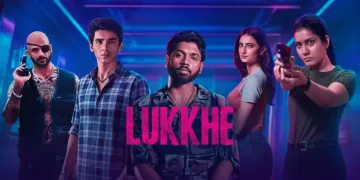
















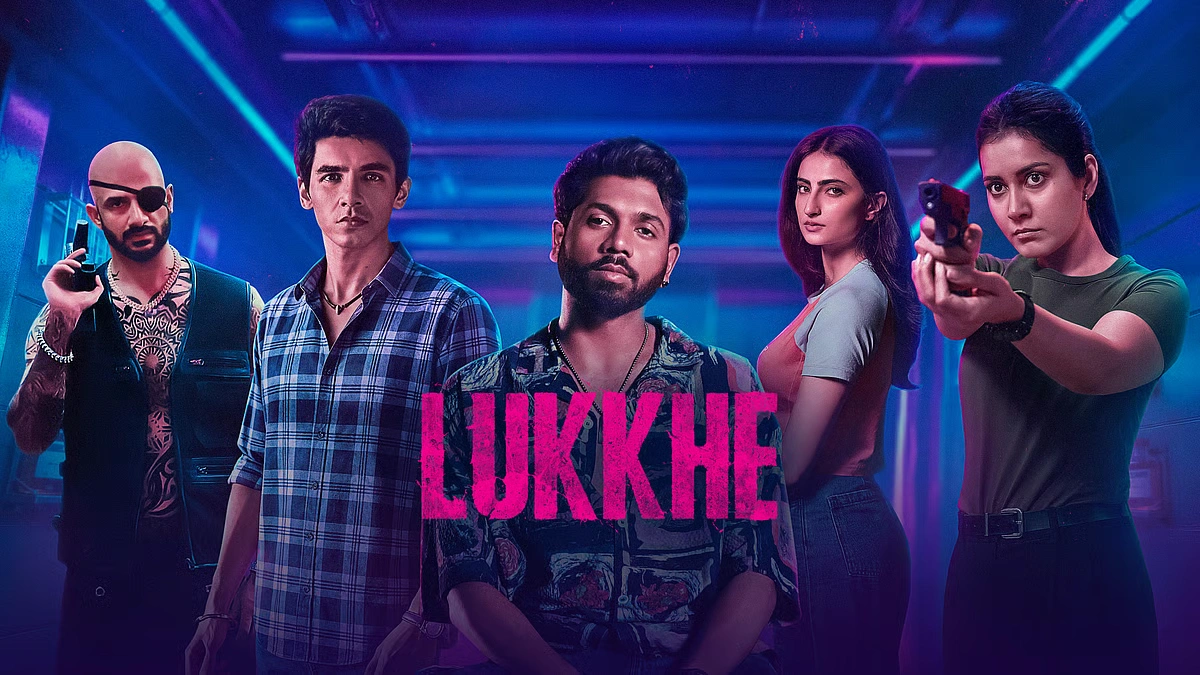

Set in Chandigarh, Punjab, the story tracks the collision of professional sport, addiction, music culture, and organized narcotics. Lucky, a gifted hockey player, sees his life collapse after a championship win. A drug-fueled car accident kills his close friend Aman, ending Lucky’s athletic path and sending him into a rehabilitation facility.
During his attempt to rebuild, he meets Gurbani, a determined police officer pursuing the network behind a synthetic pill called Demon. She sees Lucky as a useful informant, someone who can move through spaces the police cannot easily reach.
Demon spreads through the city through channels tied to the local rap scene, led by rising performer MC Badnaam. Lucky’s connection with Badnaam’s sister, Sanober, draws him into a dangerous social web linking recovery rooms, music stages, and meth labs. The former athlete becomes an unwilling operative in a city shaped by rap battles, grief, and hidden criminal machinery.
Guilt and Redemption within the Shadows of Power
The story draws its force from the emotional pressure carried by its lead figures. Lucky’s work as an informant grows from remorse, since Aman’s death remains the wound shaping his choices. His need to honor Aman turns police cooperation into a private act of penance.
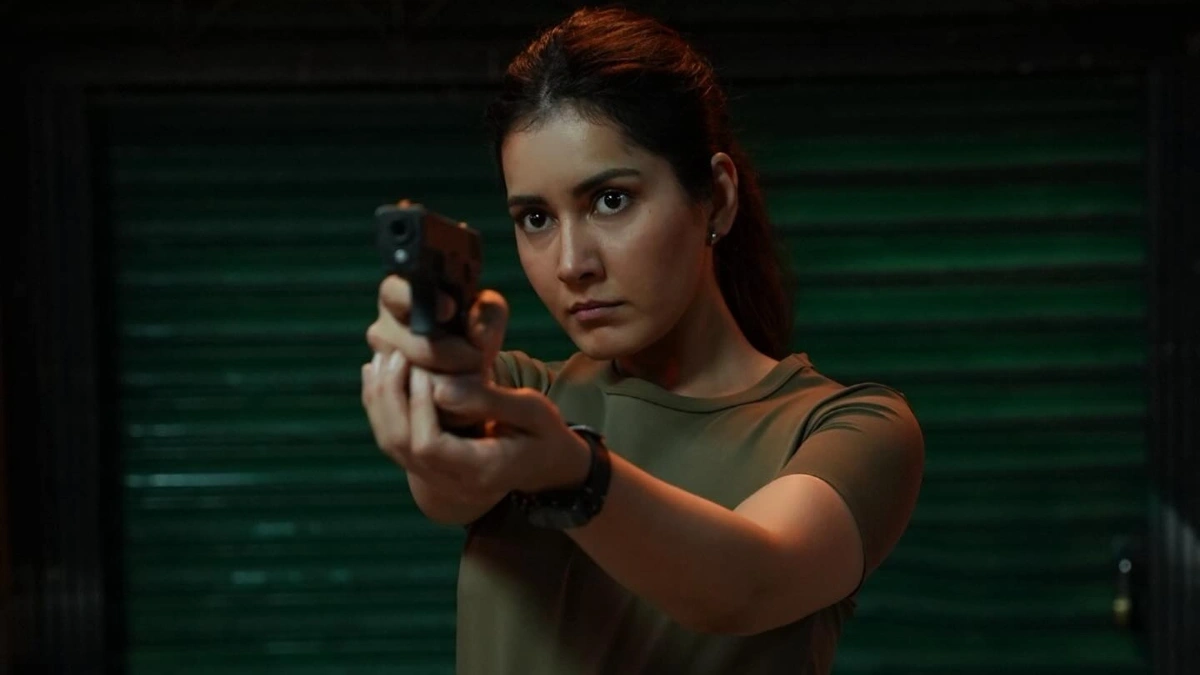
Raashii Khanna plays Gurbani with sharp intensity, giving her the bearing of someone who treats policing as a personal war against the substances that destroyed her family. The performance catches the fatigue of an officer trapped inside a rigid system, pushing forward through anger and exhaustion.
King makes his acting debut as MC Badnaam, presented as a man who uses the glamour of rap success to conceal his identity as a controlled drug lord. His image depends on public charisma, wealth, and status, yet his deepest loyalty remains tied to Sanober. That protective instinct gives him an emotional contour beyond simple criminal ambition. Lucky and Sanober first connect in the hushed corridors of rehab, and the softness of that bond clashes with the violence waiting outside.
Once Lucky enters Badnaam’s circle, their relationship becomes a source of danger and moral pressure. Jazzy brings a muscular gang presence, and OG operates as a harsher antagonist, a louder and more theatrical counterpoint to Badnaam’s colder style. Each figure carries trauma into the pursuit of power, using control as a way to quiet old pain.
Gritty Aesthetics and the Sonic Landscape of Punjab
Director Himank Gaur gives the series a raw, kinetic texture. The visual style favors rapid cuts and restless motion, especially during moments of danger. The opening car chase through Chandigarh sets that rhythm early, with editing that mirrors the panic and disorder of the crash. A later scrap-yard fight becomes a major set piece, using rough choreography to make violence feel heavy and physically punishing.
The production design creates a sharp symbolic link between art and crime. The music studio works as a shelter for creative expression and a concealed meth lab where Demon pills are made. This image captures the show’s view of fame, addiction, and commerce feeding the same machinery.
The soundtrack carries major narrative weight, drawing on hip-hop and underground rap battles as public arenas where Badnaam and OG test dominance. For international viewers, this use of performance recalls global crime stories where music, celebrity, and illicit economies share the same spotlight, yet the local texture remains rooted in Punjab’s streets, language, and youth culture.
Cinematography and sound design build a dark, pressured mood during raids, parking-lot confrontations, and gang encounters. Sanober’s musical performances offer brief passages of emotional clarity, giving the series quieter pauses amid the aggressive energy of rap competitions. These choices help the setting feel culturally specific while still readable through the visual grammar of global crime drama.
The Erosion of Morality Amidst Ambition and Identity
The series studies people making dangerous choices once ambition, grief, and survival begin to overlap. Addiction moves through the story as a recurring cycle, shaping behavior across different levels of society. Lucky’s double life creates the central tension of the plot: he must mislead people he cares about while feeding information to the police. That structure pushes the story toward escalating violence as rival rap factions move closer to open conflict.
Specific plot turns, including the planned theft of chemicals from a pharmaceutical corporation, show the drug trade as organized, technical, and professionalized. These threads meet during a large music concert, where public performance becomes a cover for private vengeance.
The series also uses OG to examine toxic masculinity, presenting his aggression as a defensive response to a past marked by ridicule. Gurbani’s pursuit of justice carries its own damage, since her professional drive remains tied to grief she has never escaped.
Across eight episodes, the story shifts from an intimate account of recovery into a wider crime drama involving hitmen and powerful kingpins. Each character’s decision points back to the reach of the narcotics crisis across the region, turning personal guilt into a wider portrait of ambition, identity, and moral corrosion.
Lukkhe premiered globally on May 8, 2026, as a high-stakes musical action-drama. Set against the vibrant yet gritty backdrop of Chandigarh’s hip-hop scene, the series follows an aspiring athlete who goes undercover to dismantle a dangerous narcotics ring. The show marks the acting debut of popular rapper King and is currently available for streaming exclusively on Amazon Prime Video across more than 240 countries and territories.
Where to Watch Lukkhe Online


Full Credits
Title: Lukkhe
Distributor: Amazon Prime Video
Release date: May 8, 2026
Rating: TV-MA
Running time: 34–50 minutes per episode
Director: Himank Gaur
Writers: Agrim Joshi, Debojit Das Purkayastha, Hardik Kaushal, Divay Chakshu Sharma
Producers and Executive Producers: Vipul Amrutlal Shah, Rajesh Bahl, Nikhil Madhok, Agrim Joshi, Debojit Das Purkayastha
Cast: Raashii Khanna, King, Lakshvir Singh Saran, Palak Tiwari, Nakul Roshan Sahdev, Kritika Bharadwaj, Shivankit Singh Parihar, Yograj Singh, Ayesha Raza Mishra, Akarsh Khurana, Pitobash
Editors: Dev Rao Jadhav
Composer: King, OAFF, Savera, Sunny M.R., Karan Kanchan
The Review
Lukkhe
This series offers a sharp look at the intersection of rap culture and the narcotics trade. The visual style and Raashii Khanna’s performance carry the narrative through its slower moments. While the antagonist feels familiar and the central romance lacks weight, the technical execution remains impressive. It functions as an effective crime drama that captures a specific regional atmosphere with energy.
PROS
- Raashii Khanna’s performance
- Kinetic action choreography
- Stylish visual palette
CONS
- Cartoonish antagonist
- Thin romantic chemistry
- Predictable plot beats