







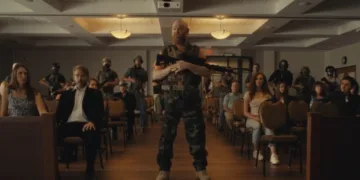


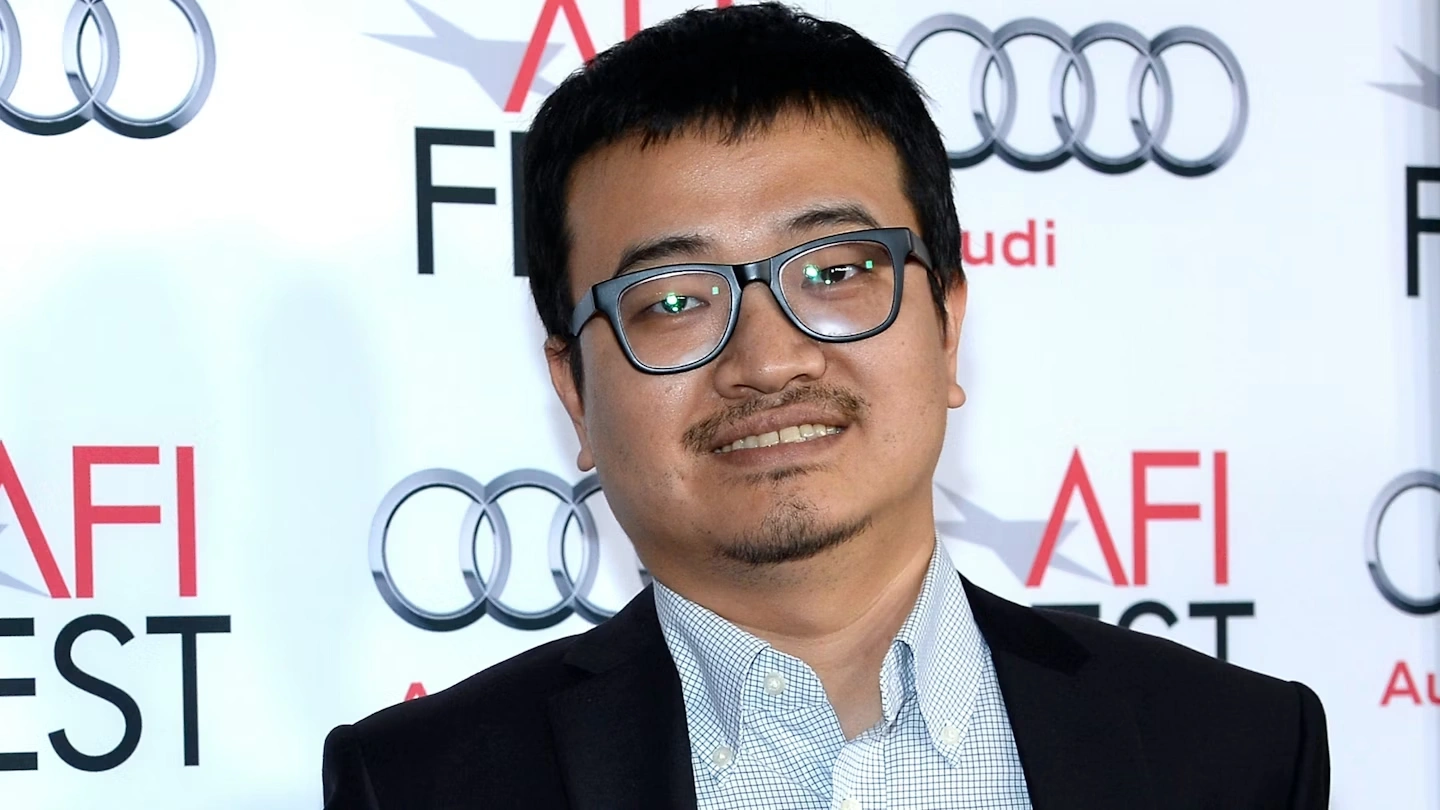

Yeon Sang-ho brought his new zombie thriller “Colony” to the Cannes Film Festival’s Midnight Screenings section Friday, using flesh-eating horror to interrogate artificial intelligence, viral homogenization, and the slow disappearance of individual thought.
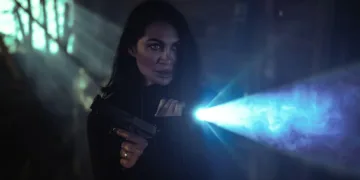
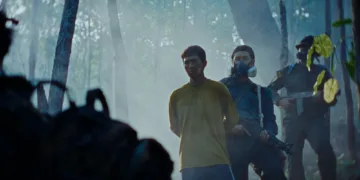
The South Korean director — whose 2016 breakout “Train to Busan” debuted in the same Midnight slot and ignited a decade-long global appetite for Korean zombie cinema — arrived on the Croisette with a starry ensemble led by Gianna Jun and Koo Kyo-hwan. The film, also known by its Korean title Gun-che, drops its survivors inside a sealed high-rise biotech facility after a rapidly mutating virus transforms the infected into something closer to a networked swarm than a traditional undead horde. Korean distributor Showbox had already locked deals across more than 120 international territories before the premiere, with Well Go USA set to release the film in North American theaters on August 28.
For Yeon, the choice to return to zombies was driven by what he sees as the defining dread of 2026. “For me, the greatest fear is the high-speed communication exchange,” he said. “It’s like a living organism, and, in a way, it reduces our individualism, our individuality.” AI, he argued, compounds that threat by mining universal consensus and burying minority perspectives — the biological mutations that any species, or society, needs to avoid extinction.
That idea shaped the film’s most striking production decision. Rather than generating the infected through visual effects, Yeon hired three teams of professional dancers, instructing them to think of themselves as ten fingers of a single hand — connected but distinct, each carrying a specific role within a collective body.
The vertical architecture of a high-rise replaces the horizontal rush of a speeding train from “Train to Busan,” and Yeon uses the shift deliberately. Climbing upward, he said, is instinctively what humans do to survive — and the film systematically dismantles that instinct. The COVID-19 pandemic also left a visible mark on the script: an outside authority that views total lockdown as rational policy gives “Colony” a dimension of external menace absent from his earlier work.
Showbox sold the film to more than 120 territories, with StudioCanal handling the U.K., Gaga Corporation taking Japan, and ARP Sélection distributing in France. The New York Asian Film Festival will host the North American premiere, alongside a new 4K restoration of “Train to Busan” marking the film’s tenth anniversary.
Yeon has several projects moving in parallel. His Netflix Japan series “Human Vapor” launches July 2, and the more intimate “Paradise Lost” — about a mother who uses AI to resurrect a dead child, only for her living son to reappear nine years later — is in post-production.