






















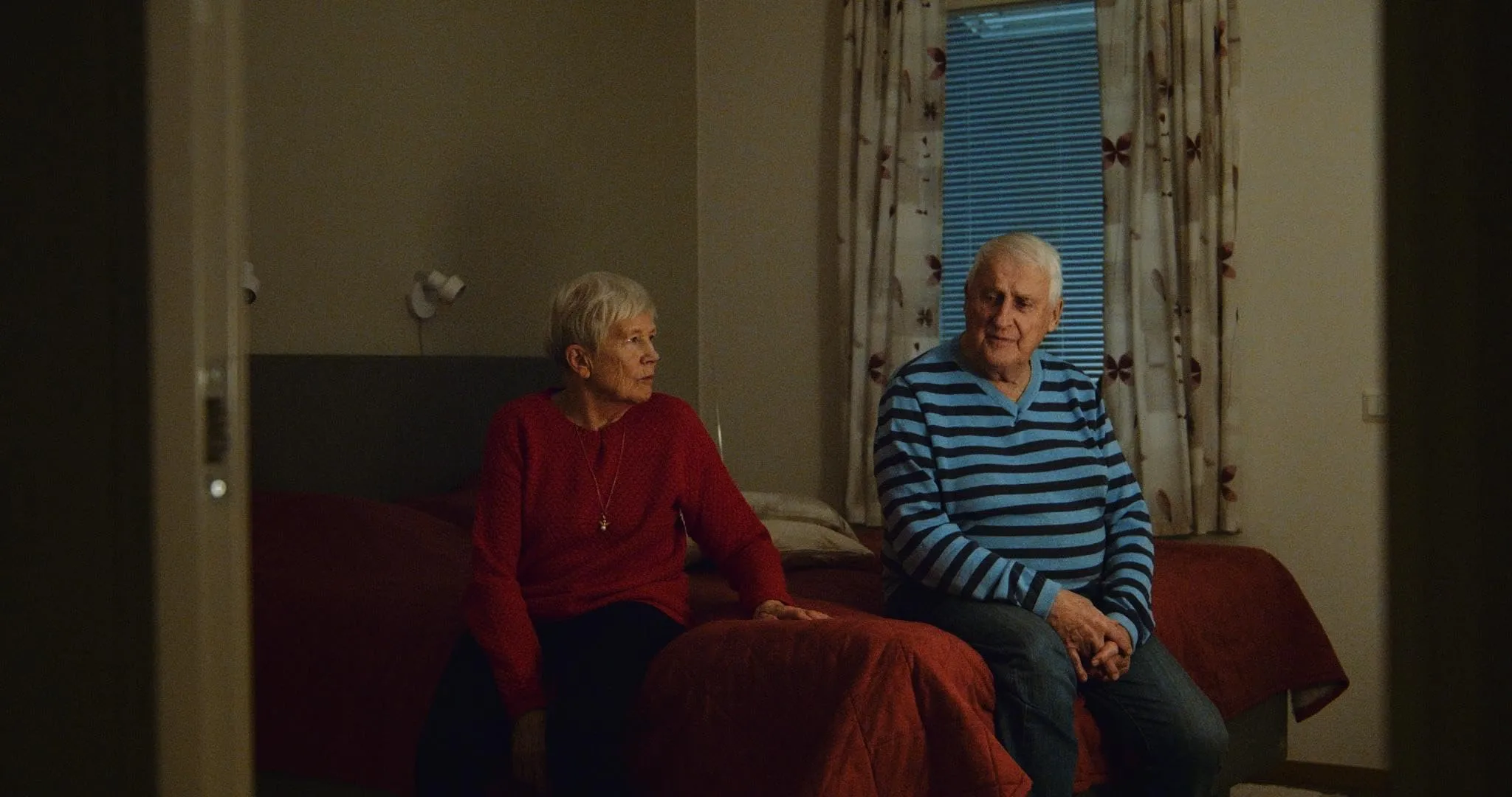

A town born from a mine is now being eaten by it. This is the central, stark reality of Malmberget, a community in northern Sweden slowly collapsing into the earth to feed the very industry that gave it life. The documentary Once You Shall Be One Of Those Who Lived Long Ago is an elegy for this place, a quiet record of its final days. The film eschews a conventional narrative, offering instead a deeply melancholic portrait of what remains.
We are introduced to the last inhabitants, mostly elderly figures who wander through a landscape of demolition and decay, their homes the final outposts in a disappearing world. They are the last witnesses to a slow-motion erasure. There is no sensationalism here, only a somber, patient observation of the end. The film settles in the stillness, becoming a haunting meditation on a place and a way of life fading into memory before our eyes.
The Architecture of Atmosphere
Directors Alexander Ryneus and Per Bifrost construct their story not through plot points but through a carefully maintained atmosphere. The film’s structure is built on a foundation of extreme patience, a quality that sets it apart from the information-dense documentaries that currently populate the streaming landscape. Its visual language is composed and deliberate.
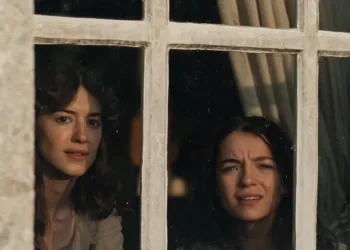
Long, static shots force the viewer’s eye to wander the frame, to notice the subtle textures of decay on a wall or the slow drift of snow against a windowpane. This technique demands a different kind of attention, one that absorbs detail rather than just processing information. The compositions often contrast the vast, impersonal beauty of the arctic landscape with the cramped, memory-filled interiors of the residents’ homes.
This visual tension underscores the central conflict between an unstoppable external force and the fragile human worlds it threatens. The purely observational method, completely free of interviews or narration, creates a powerful intimacy. It positions the audience as a silent, respectful visitor, not a consumer of a pre-packaged story.
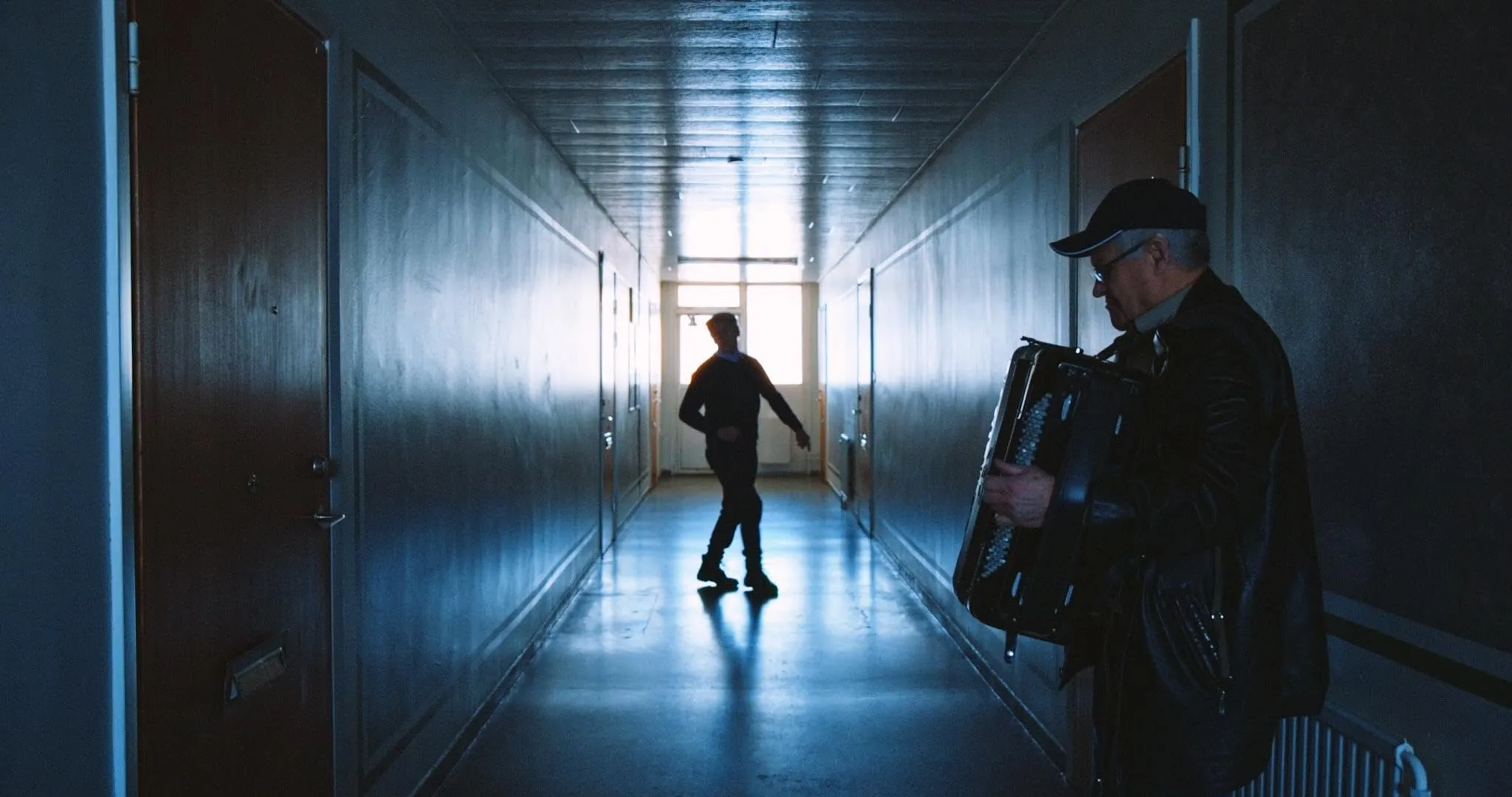
The sound design is a critical element of this construction. An omnipresent, low-frequency rumble from the mine permeates nearly every scene, a constant reminder of the destructive force at work. This industrial groan stands in sharp contrast to the delicate sounds of human life, a mournful accordion tune, a quiet conversation, or the whistling wind. The mine becomes an unseen character, an unstoppable engine of decay whose presence is felt more than it is seen.
Portraits of Quiet Persistence
The film’s emotional weight rests on the shoulders of its unnamed subjects, whose anonymity elevates them from specific individuals to archetypes of endurance. We are not given their histories or occupations; they are defined entirely by their actions and their philosophical acceptance of the inevitable. These are not character arcs in a traditional sense.

They are brief, poignant glimpses of humanity holding its ground. One man methodically scatters poppy seeds across the frozen earth, a gesture of faith in a future he will not be present to witness. It is an act of creation in the face of absolute destruction, a legacy planted for no personal gain. Elsewhere, an elderly couple shares a moment of simple joy playing an old accordion while the sounds of demolition echo outside, a small pocket of culture and warmth against the cold.
The storytelling is acutely aware of its own ephemeral nature. When a resident moves away or, it is implied, passes on, they simply vanish from the frame. This narrative choice is quietly devastating. It denies the audience the closure of a traditional farewell, forcing them to experience the abruptness of the loss.
The structure mirrors the film’s core theme of erasure. Having spent a decade with this community, the filmmakers demonstrate a profound empathy that allows for these unvarnished moments. They capture the quiet dignity in small acts of remembrance and the resilience found in the simple, human act of carrying on.
A Deliberate Ambiguity
Once You Shall Be One Of Those offers few concrete answers because it is not interested in those kinds of questions. The story of Malmberget becomes a vessel for a larger meditation on impermanence, loss, and the cyclical patterns of existence. The town is a metaphor for a body slowly failing, its life source having become its ailment.

Reindeer wander through deserted streets, and the forest waits patiently at the edges of the destruction, reinforcing the idea that human endeavors are temporary footnotes in a much longer story. The film’s refusal to provide historical context or sociological analysis is its most deliberate and challenging narrative choice.
A viewer seeking facts about the mining corporation or the relocation process will be left wanting. The filmmakers have chosen to prioritize a sensory and emotional experience over an intellectual one, trusting the audience to connect thematic dots without explicit guidance. This is a form of structural respect.
By withholding information, they ask the audience to sit with the feeling of loss itself, to contemplate its weight and texture without the comfort of easy explanations. The narrative’s relationship with time is also fluid and non-linear, mirroring the fragmented nature of memory. The film’s power is in its quietude, leaving a lasting impression of the profound dignity in facing the end.
Once You Shall Be One Of Those Who Lived Long Ago is a documentary that premiered in August 2025 at the Edinburgh International Film Festival. The film is 95 minutes long and focuses on individuals whose existence is marked by a deep sense of resignation, exploring their stories and perspectives on life.
Full Credits
Director: Alexander Rynéus, Per Bifrost
Producers: Andreas Emanuelsson, Mattias Ehrenberg, Katja Härkönen, Tony Österholm
Director of Photography (Cinematographer): Alexander Rynéus, Per Bifrost
Editors: Bobbie E.G. Pertan
Composer: Nils Petter Molvaer
The Review
Once You Shall Be One Of Those Who Lived Long Ago
A patient and deeply affecting documentary, Once You Shall Be One Of Those is a masterclass in atmospheric storytelling. It trades narrative momentum for a profound, meditative experience, asking its audience to simply bear witness to the slow erasure of a place and its people. While its deliberate ambiguity and unhurried pace will prove challenging for some, the film offers a rare, unforgettable immersion into the quiet dignity of facing the end. It is a haunting and beautifully crafted piece of observational cinema.
PROS
- The film captures the stark, melancholic beauty of the landscape with painterly compositions.
- The constant rumble of the mine creates a powerful, oppressive sense of place.
- The observational approach shows immense respect and compassion for its subjects.
- It serves as a moving meditation on memory, loss, and impermanence
CONS
- The unhurried rhythm and long takes may feel tedious to some viewers.
- The refusal to provide factual information can be frustrating.
- The non-linear, plotless structure may feel aimless.
- It can be difficult to track the different individuals throughout the film.