

























![Kingdom Hearts Collection [I-III] Review](https://gazettely.com/wp-content/uploads/2026/10/Kingdom-Hearts-Collection-I-III-1-360x180.webp "Kingdom Hearts Collection [I-III] Review: KHII Holds Steady as Newer Entries Fluctuate 37")



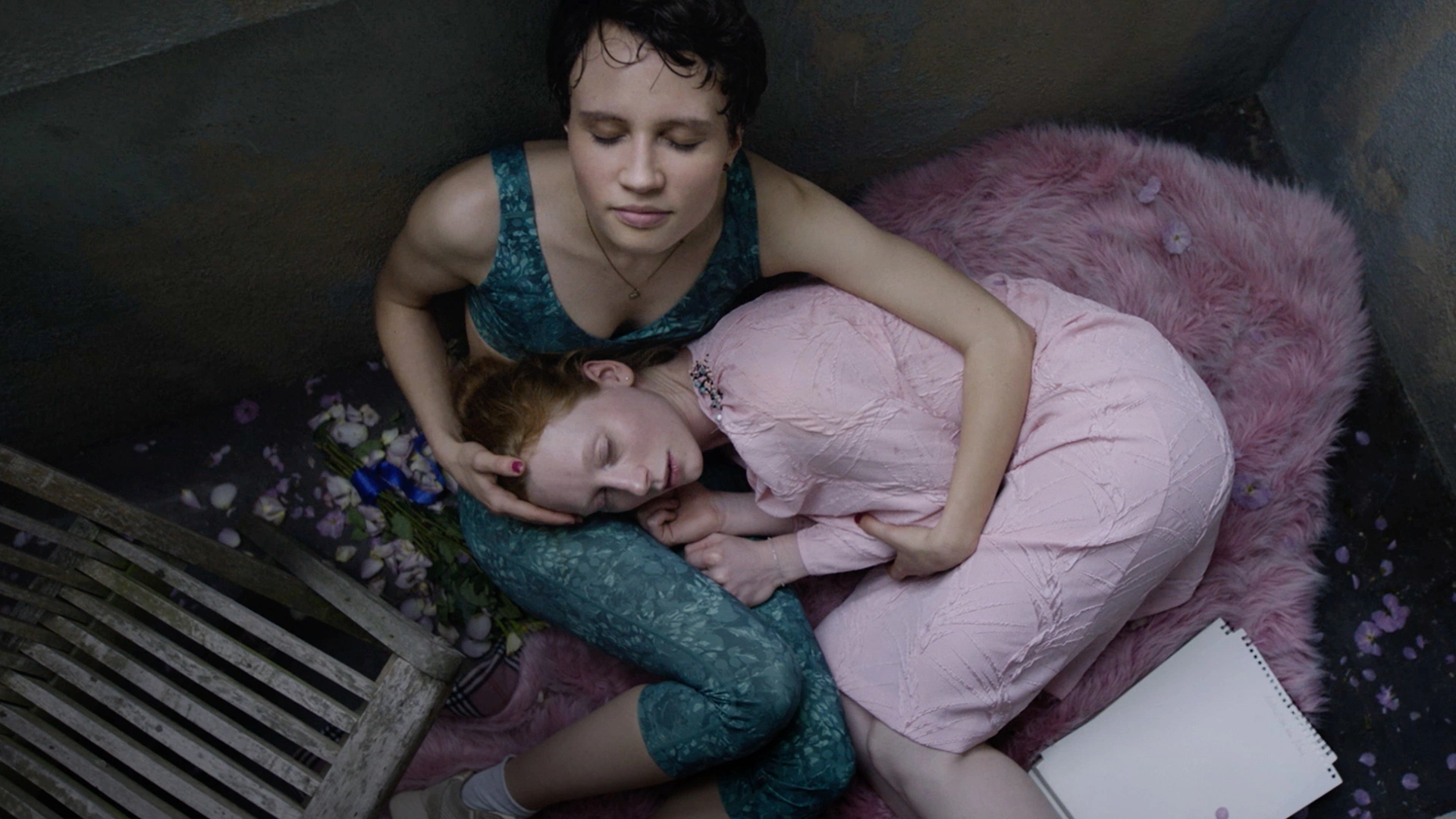

Easy Girl introduces Nore as a woman who seems to have mistaken velocity for freedom. Hille Norden’s feature debut moves through bars, bedrooms, and shared apartment spaces with an early rush of flirtation and reckless humor, giving Nore the aura of someone who has mastered her own mythology. She wears bold dresses, collects strangers, and treats intimacy like a game she always knows how to win. That impression does not last.
After reconnecting with former schoolmate Jonna, Nore moves into her apartment, and the film gradually shifts from loose social drama into a painful excavation of memory. Jonna first sees Nore as a kind of fantasy figure, a woman free from shame, hesitation, and conventional restraint.
The longer they live together, the clearer it becomes that Nore’s appetite for sex is tied to something far less playful. What first reads as confidence starts to resemble repetition, then compulsion, then an old wound replaying itself through new bodies. Norden builds Easy Girl around consent, validation, abuse, and self-perception, using Nore and Jonna’s friendship as both refuge and pressure point.
Nore, Jonna, and the Fragile Logic of Friendship
Nore is the film’s engine, and Dana Herfurth gives her the right kind of unstable voltage. She is funny, theatrical, evasive, affectionate, cutting, and exhausting, sometimes within the same exchange. Herfurth avoids turning Nore into a walking breakdown.
The performance works through leakage: a joke held too long, a smile that arrives too fast, a sexual encounter that looks less like pleasure than maintenance. Nore knows how to command a room, but the control feels increasingly procedural, as if she is following steps from a manual she no longer believes in.
Jonna gives the story its clearest emotional route. Luna Jordan plays her with an alert, unsettled curiosity. She is drawn to Nore because Nore appears to possess everything Jonna lacks: daring, ease, shamelessness, social charge. Their bond has warmth and ambiguity.
It is protective, fascinated, affectionate, sometimes needy. The film is smart enough not to turn Jonna into a saintly helper with a tidy emotional toolkit. She admires Nore before she understands her. Then she understands enough to become frightened.
Michel, Jonna’s boyfriend, complicates the arrangement. His concern about Nore’s behavior gives Jonna a push toward confrontation, but the script sometimes lets him and other men identify Nore’s pain with suspicious convenience. For a story about a woman struggling to hear herself clearly, having men explain her condition can feel like the film momentarily losing track of its own best idea.
Vera Fay’s young Nore brings the emotional past into painful focus. Her scenes with adult Nore are among the film’s strongest because they turn memory into dialogue rather than diagnosis.
A Story That Literally Walks Into the Past
Norden structures Easy Girl as a slow reversal of first impressions. The first act presents Nore as a figure of liberation, almost a mythic party creature in a handmade dress. The middle stretch begins to test that image. By the later passages, the film has shifted into surreal memory work, with Nore and Jonna moving through scenes from Nore’s youth as observers, witnesses, and unwilling participants in recollection.
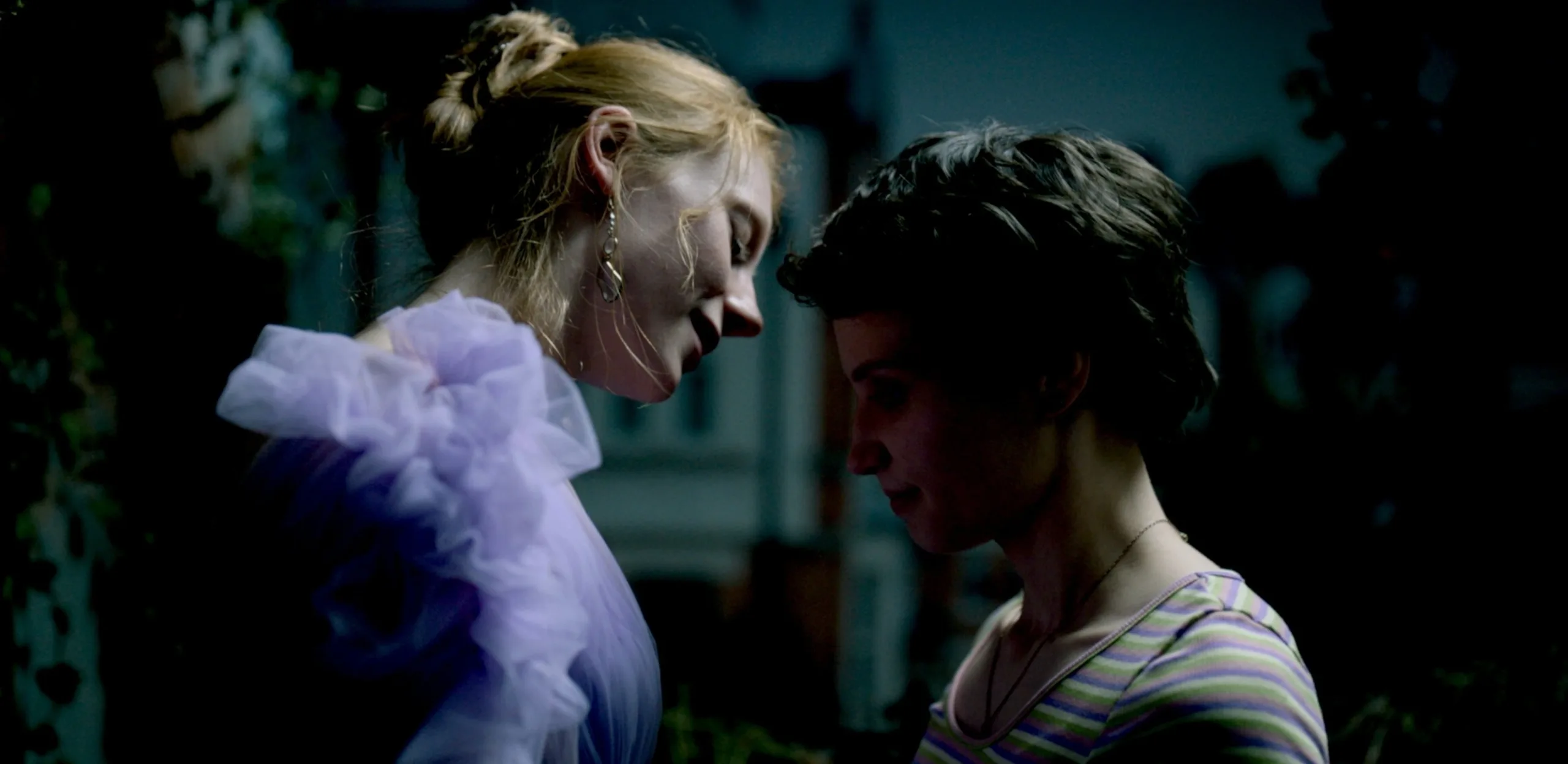
It is a bold device, and at its best, it gives the film a theatrical intimacy. The apartment, initially a soft refuge of pillows, color, and shared secrets, becomes less stable as the story digs deeper. The space seems to shed its comfort, mirroring Nore’s collapsing defenses.
Bine Jankowski’s cinematography gives the present a seductive closeness while treating the flashbacks with a dreamlike unease. Medium closeups and long takes keep attention on faces, which matters in a film where so many characters are performing versions of themselves.
The sex scenes are handled with a directness that avoids cheap provocation. Some are awkward, some tender, some empty, and some quietly alarming. That range matters. Norden is not filming sex as a single dramatic idea. She is examining how the same act can become freedom, habit, escape, or self-erasure depending on the emotional contract beneath it.
The structure loses some precision in its later stretch. The flashback device remains emotionally useful, but certain conversations begin to sound too organized, as if everyone has arrived ready for a seminar on trauma ethics. A little mess is welcome here. Too much explanation starts polishing the bruises.
Sex, Consent, and the Trouble with Neat Answers
Easy Girl is strongest when it refuses to flatten Nore into a case study. Her sexuality is not treated as sin, spectacle, or simple empowerment. It exists in a knot of agency, loneliness, hunger, validation, self-protection, and harm. Norden’s most valuable choice is to let those ideas sit together without forcing one to cancel the others.
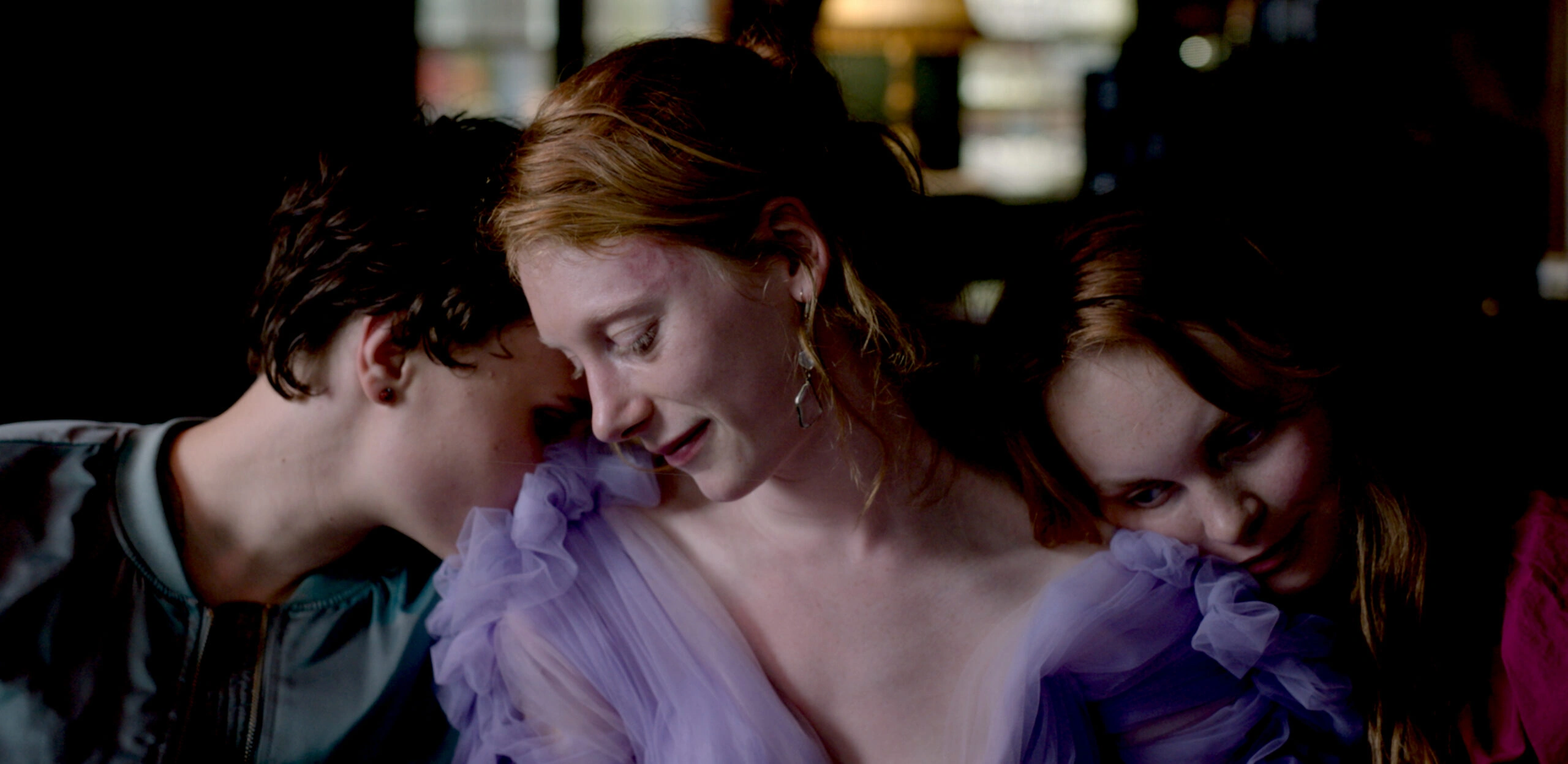
Consent becomes the film’s sharpest and most uncomfortable subject. Nore’s adult encounters may involve agreement, yet her past reveals how coercion, age imbalance, and emotional manipulation shaped her sense of desire long before she could understand the damage. The film asks a difficult question: what happens when someone learns to call pain freedom because that language once helped her survive?
Nore’s insistence that she has “the right to trust this world” gives the film one of its clearest emotional statements. She does not want pity. She does not want to be reduced to what was done to her. The film respects that, especially in the scenes where adult Nore confronts her younger self with anger, tenderness, embarrassment, and recognition.
The strengths are clear: Herfurth’s raw, controlled performance, Jordan’s grounded counterweight, the charged friendship between Nore and Jonna, and a visual design that makes pleasure look unstable before the script says so aloud. The weaknesses are also visible. The two-hour runtime grows heavy, some dialogue stiffens, Michel’s role can over-clarify, and the ending reaches for emotional tidiness that the film’s own complexity resists.
Still, Easy Girl earns attention because it treats damage as something lived through behavior, rhythm, humor, and denial. Its messiness can frustrate, but in this story, a perfectly clean shape might have been the bigger lie.
Easy Girl is a German erotic drama film that arrived on digital and video-on-demand networks through Omnibus Entertainment and Film Movement on June 12, 2026. Directed and penned by Hille Norden, the narrative tracks an enigmatic transient who moves into an apartment with a reserved medical student, establishing a close bond fueled by a wild nightlife routine. Their care-free lifestyle rapidly destabilizes when painful echoes of past trauma resurface to disrupt their shared reality. Movie fans looking to experience this intimate and emotionally intense foreign feature can stream the title immediately by renting or buying it on major digital streaming platforms.
Where to Watch Easy Girl (2026) Online






Full Credits
Title: Easy Girl
Distributor: Omnibus Entertainment, Film Movement
Release date: June 12, 2026
Running time: 122 minutes
Director: Hille Norden
Writers: Hille Norden
Producers and Executive Producers: Paula Lichte, Sven Rudat, Anette Unger, Matthias Greving
Cast: Dana Herfurth, Luna Jordan, Vera Fay, Jakob Gessner, Johann von Bülow, Yann Mbiene, Vivian Mahler, Campbell Caspary
Director of Photography (Cinematographer): Bine Jankowski
Editors: Sarah Guggolz
Composer: Lennart Saathoff
The Review
Easy Girl
Easy Girl is a messy, humane, sharply performed drama about desire, damage, and the stories people tell themselves to survive. Hille Norden’s debut occasionally over-explains its emotional terrain, and the ending softens material that deserved a rougher edge. Still, Dana Herfurth’s layered work and the film’s frank treatment of consent give it real force.
PROS
- Dana Herfurth’s vulnerable lead performance
- Strong Nore and Jonna dynamic
- Mature handling of sex and consent
- Striking use of color and space
- Surreal memory scenes carry emotional weight
CONS
- Runtime feels heavy
- Some dialogue turns didactic
- Michel sometimes over-explains Nore
- Ending feels too tidy
- Later structure loses some sharpness







