




























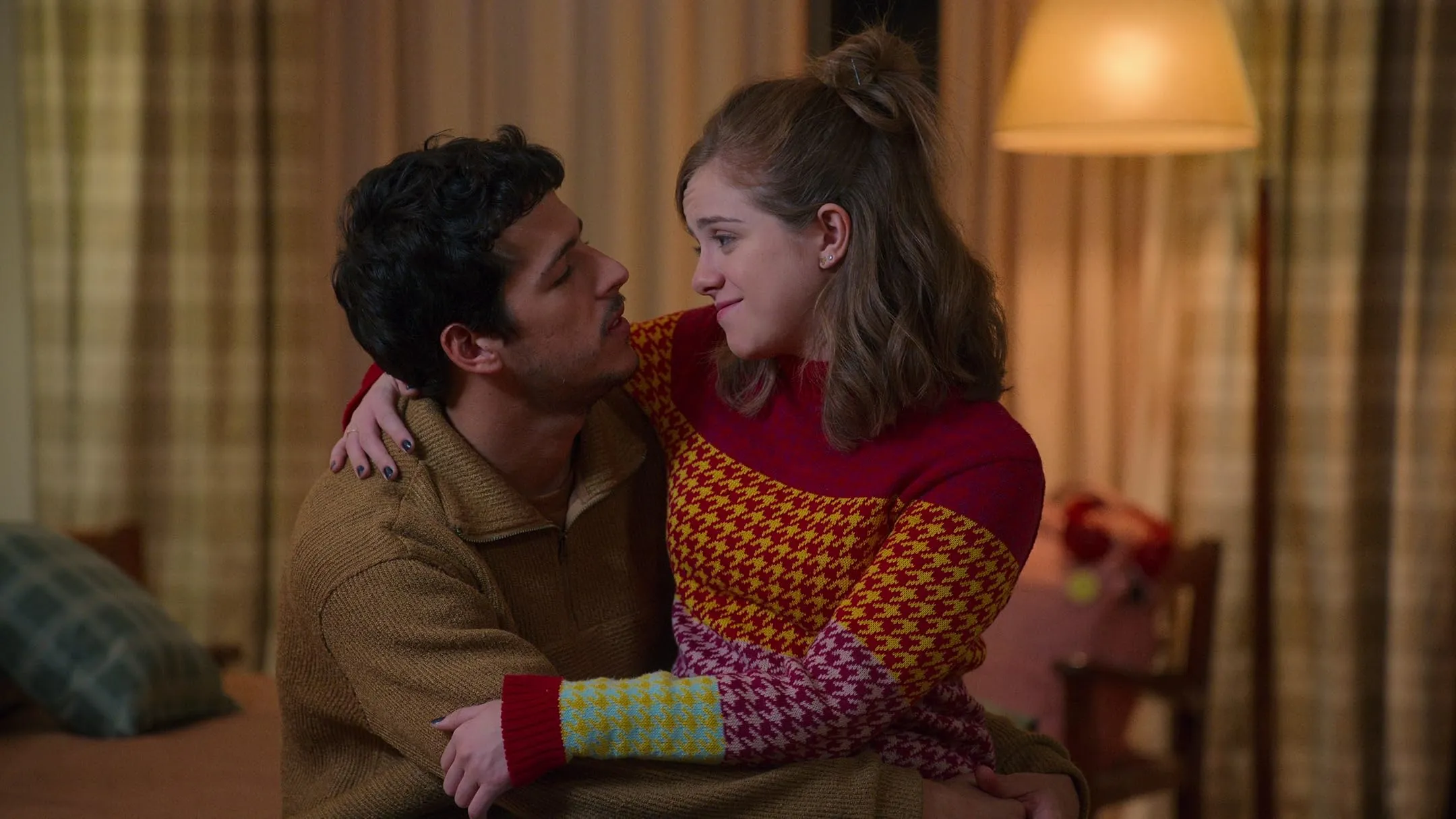
Brazilian bar owner Otavio projects a specific kind of patriotic pride, one deeply connected to his identity as a father. His world revolves around his daughter, Mariana. When she returns from her music studies in Paris, she brings news that tests the limits of his cultural loyalties: her engagement. Her chosen partner, Miguel, is not just any man; he is Argentinian.
This single fact ignites a dormant conflict, transforming a personal family milestone into a battlefield for national stereotypes. The families plan a meeting in the beautiful, snow-covered mountains of Bariloche, Argentina.
Here, in this neutral yet foreign territory, the film sets its stage. It uses the well-known Brazil-Argentina rivalry not for a political statement, but as a thin screen for a universal story of a father’s fear of being left behind. The comedy is born from anxieties that are deeply personal, simply cloaked in the colors of a flag.
The Theater of Paternal Ego
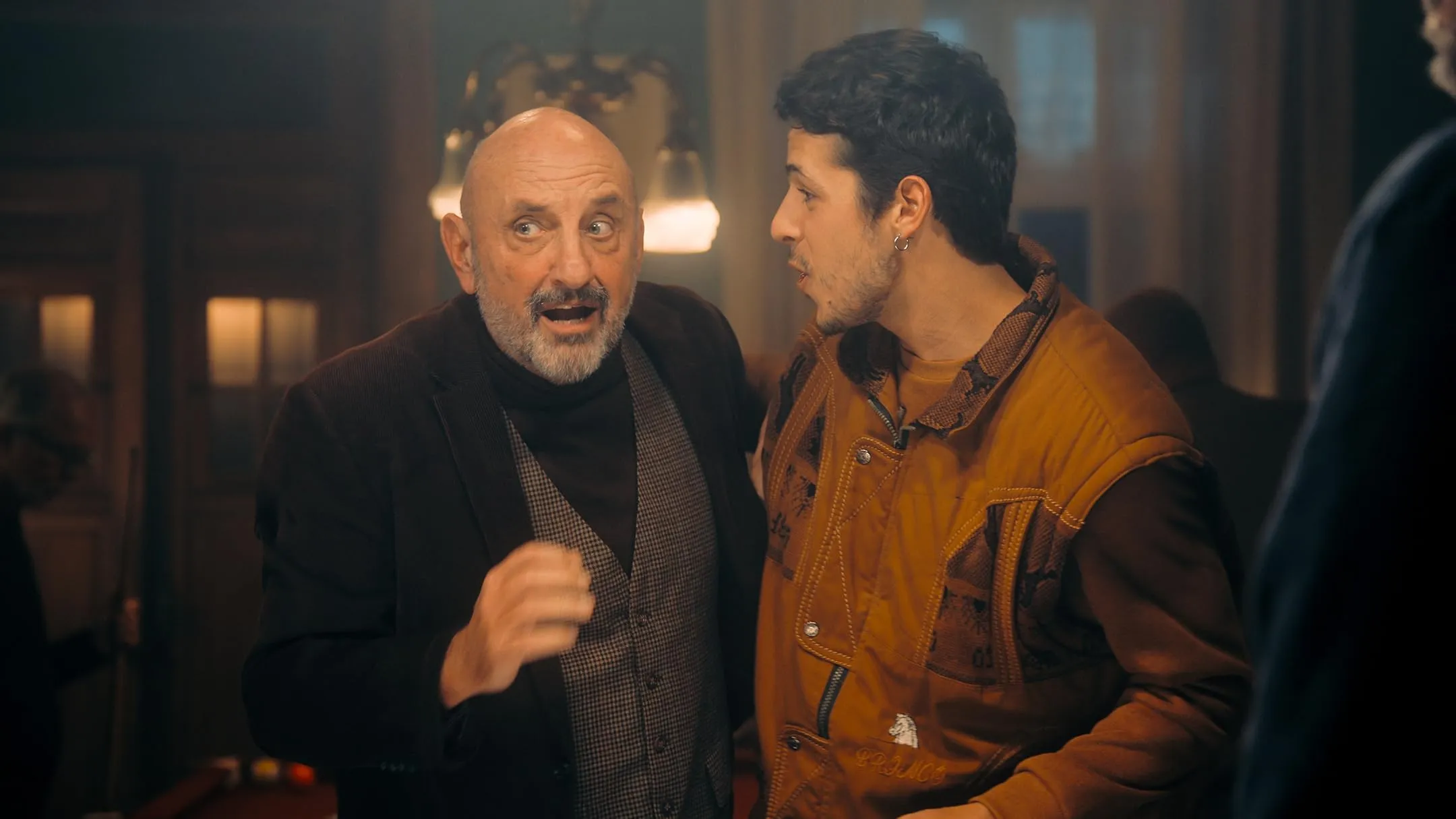
The film’s comedic energy is generated almost entirely by the friction between the two patriarchs. The moment Otavio meets his Argentinian counterpart, Hector, any pretense of diplomacy vanishes. Their interactions become a relentless series of juvenile challenges.
A simple sled ride becomes a display of one-upmanship. A game of foosball, a clear substitute for the real-world soccer obsession shared by their nations, is elevated to a mock-international championship. The camera lingers on their intense faces as they channel national fervor into tiny plastic players.
Leandro Hassum’s portrayal of Otavio is a full-bodied performance rooted in a specific tradition of broad Brazilian comedy. His exaggerated reactions and stubborn expressions craft a character who is simultaneously infuriating and recognizably human in his obstinance.
This style may feel over-the-top to some international viewers, yet it perfectly captures Otavio’s loud insecurity. Hector, played with a dry wit by Gabriel Goity, offers a different flavor of antagonism through deadpan humor and backhanded compliments.
He is the immovable object to Otavio’s unstoppable force. The nationalistic posturing is pure performance. These are not patriots defending their homelands; they are two insecure men using the excuse of culture to act out their anxieties about losing control.
Snowy Vistas and Quiet Truths
The film offers moments of grace that exist apart from the fathers’ noisy feud. The choice of setting is a significant contributor. Bariloche’s cold, expansive mountain landscapes provide a serene visual counterpoint to the characters’ heated, petty conflicts.
The pristine white snow creates a backdrop of calm and purity against which the men’s colorful egos and hot-headed tempers seem even more ridiculous. For a light comedy, the cinematography shows surprising care; the lighting and camerawork give scenes a polish and depth, capturing both the crisp beauty of the outdoors and the warm, claustrophobic feeling of the family hotel.
Away from the slapstick, the story finds its emotional grounding in Mariana. Positioned as the sensible center, she is more than a passive prize to be won. Her own passion for music gives her an independent identity, and Júlia Svacinna’s performance imbues her with a quiet strength. She must actively mediate the absurd behavior of the adults around her.
Her predicament highlights a real fear common to many parents about being replaced. The script also finds a smarter, more specific source of humor in the linguistic gaps between Brazilian Portuguese and Argentinian Spanish. These misunderstandings, which can be a challenge for subtitles to fully convey, create comedy that feels more earned and culturally specific than the physical gags.
An Old Story with a New Path
At its foundation, the movie uses a very common comedic framework: the stressful first meeting with future in-laws, a template familiar from Hollywood films. It operates within the safety of this global structure, hitting many expected beats.
What makes it interesting is its refusal to follow the blueprint to the very end. The narrative takes a clever turn when Otavio and Hector discover they share a common goal—to stop the wedding. Their rivalry pivots into a secret, misguided partnership.
This development is the film’s sharpest piece of satire. It humorously deconstructs their supposed patriotism, showing how quickly national pride dissolves when faced with a shared personal fear. Their alliance reveals their earlier conflict as a fragile facade.
The film’s final act also subverts expectations. It avoids the predictable wedding ceremony that would neatly resolve all conflicts. This choice to leave the story slightly open-ended allows the characters to feel more authentic, their lives continuing beyond the credits.
Almost Family is a warm picture whose success depends on a viewer finding its setup comforting, not tiresome. It represents a type of accessible Netflix entertainment, yet its distinctly South American cultural friction gives it a welcome and specific flavor.
The movie Almost Family (also known as Família, Pero No Mucho) is a Brazilian comedy film directed by Felipe Joffily. It premiered on Netflix on July 18, 2025. The film is available to stream on Netflix and can also be found on platforms like Fandango at Home.
Full Credits
Director: Felipe Joffily
Writers: Leandro Soares, Lucas Blanco
Producers: Camisa Listrada
Cast: Leandro Hassum, Júlia Svacinna, Gabriel Goity, Simón Hempe, Karina Ramil, Mariela Pizzo, João Barreto, Abril di Yorio
Director of Photography: Andre Horta
The Review
Almost Family
Almost Family operates on the familiar template of a family comedy, yet finds distinction in its specific Brazil-Argentina cultural clash. The central performances occasionally lean into grating slapstick and the plot follows a predictable path. The film is redeemed by its genuine heart, beautiful Patagonian scenery, and a clever script that values emotional truth over a tidy ending. It is a charming, if imperfect, look at how national pride often masks personal fear. A worthy weekend watch for those seeking light entertainment with a touch of substance.
PROS
- The clever use of the Brazil-Argentina cultural and sporting rivalry for comedic effect.
- Beautiful cinematography showcasing the snowy landscapes of Bariloche, Argentina.
- A heartfelt and relatable story about a father's fear of letting his daughter go.
- Smart script twists, particularly the fathers' secret alliance, that freshen the formula.
- Humor derived from authentic linguistic misunderstandings between Portuguese and Spanish.
CONS
- Heavy reliance on the predictable "meet the in-laws" plot structure.
- The lead character's style of physical comedy can be repetitive and irritating.
- Some key emotional developments in the family relationships feel underdeveloped.
- The comedy sometimes depends on broad, superficial stereotypes.