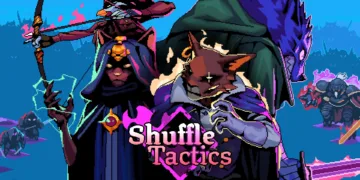



























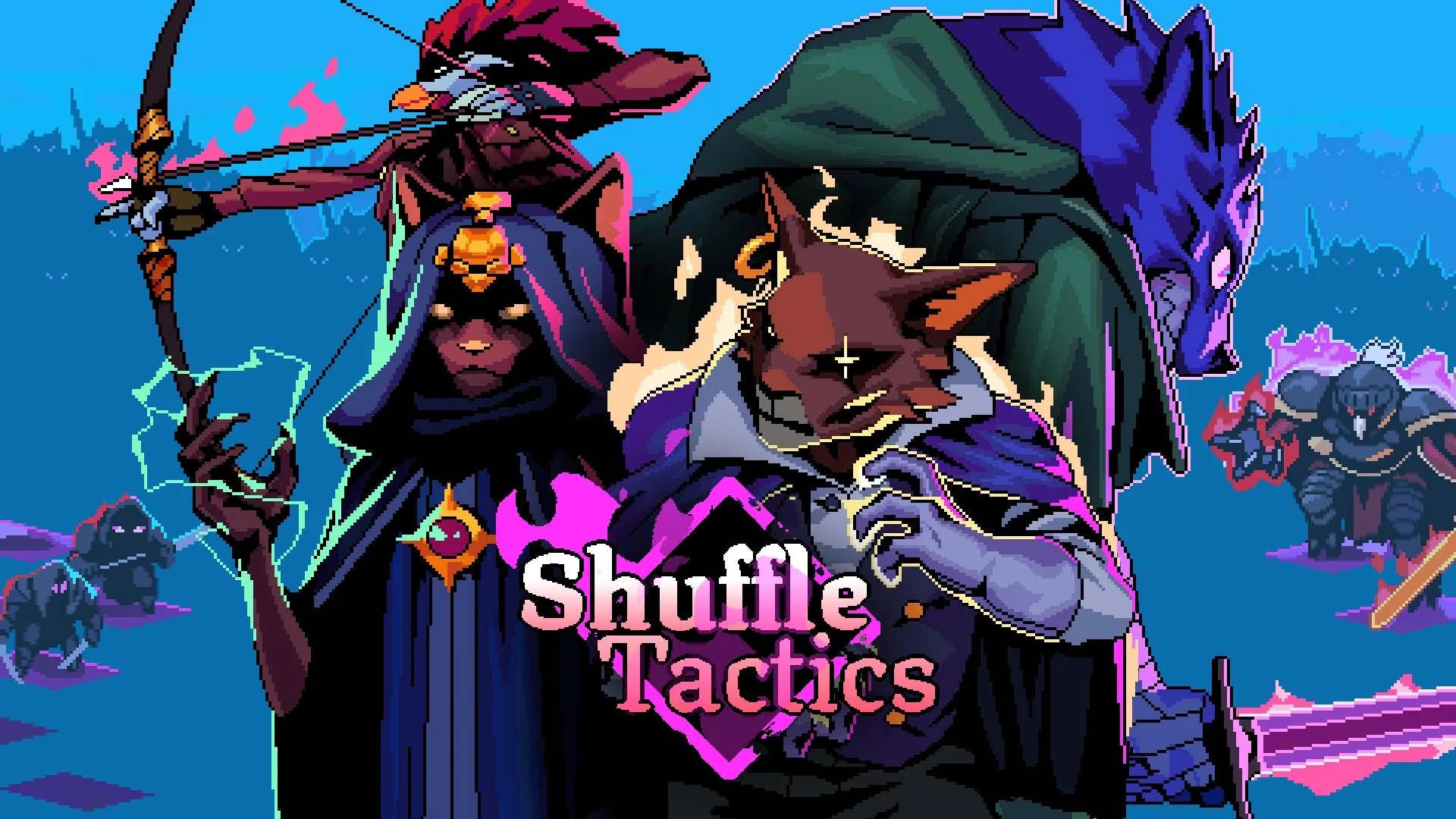

The roguelike deckbuilder space has become crowded with pretenders to the throne, each promising their own twist on the formula that made games like Slay the Spire so compelling. Shuffle Tactics enters this battlefield with bold ambitions, attempting to marry the strategic depth of tactical RPGs with the addictive loop of card-based progression. Set in the Kingdom of Asteria, players assume the role of heroes fighting against the mysterious Glimmer Curse that has corrupted the land and driven King Ogma to madness.
What sets Shuffle Tactics apart from its contemporaries is its commitment to grid-based tactical combat. Rather than abstract card battles, each encounter unfolds on a battlefield where positioning matters as much as the cards in your hand. The game offers three distinct heroes—each with their own playstyle and deck archetype—alongside a sidekick system that allows you to recruit AI companions with their own unique abilities. This creates a narrative dynamic where your journey feels less like a solitary quest and more like leading a small band of misfits against overwhelming odds.
The game embraces true roguelike principles, refusing to offer permanent character upgrades between runs. Each attempt begins fresh, with only unlocked cards, relics, and charms potentially appearing in future adventures. This design choice creates a pure test of tactical skill and deck-building acumen, though it comes with significant implications for player progression and satisfaction.
The Art of Tactical Card Combat
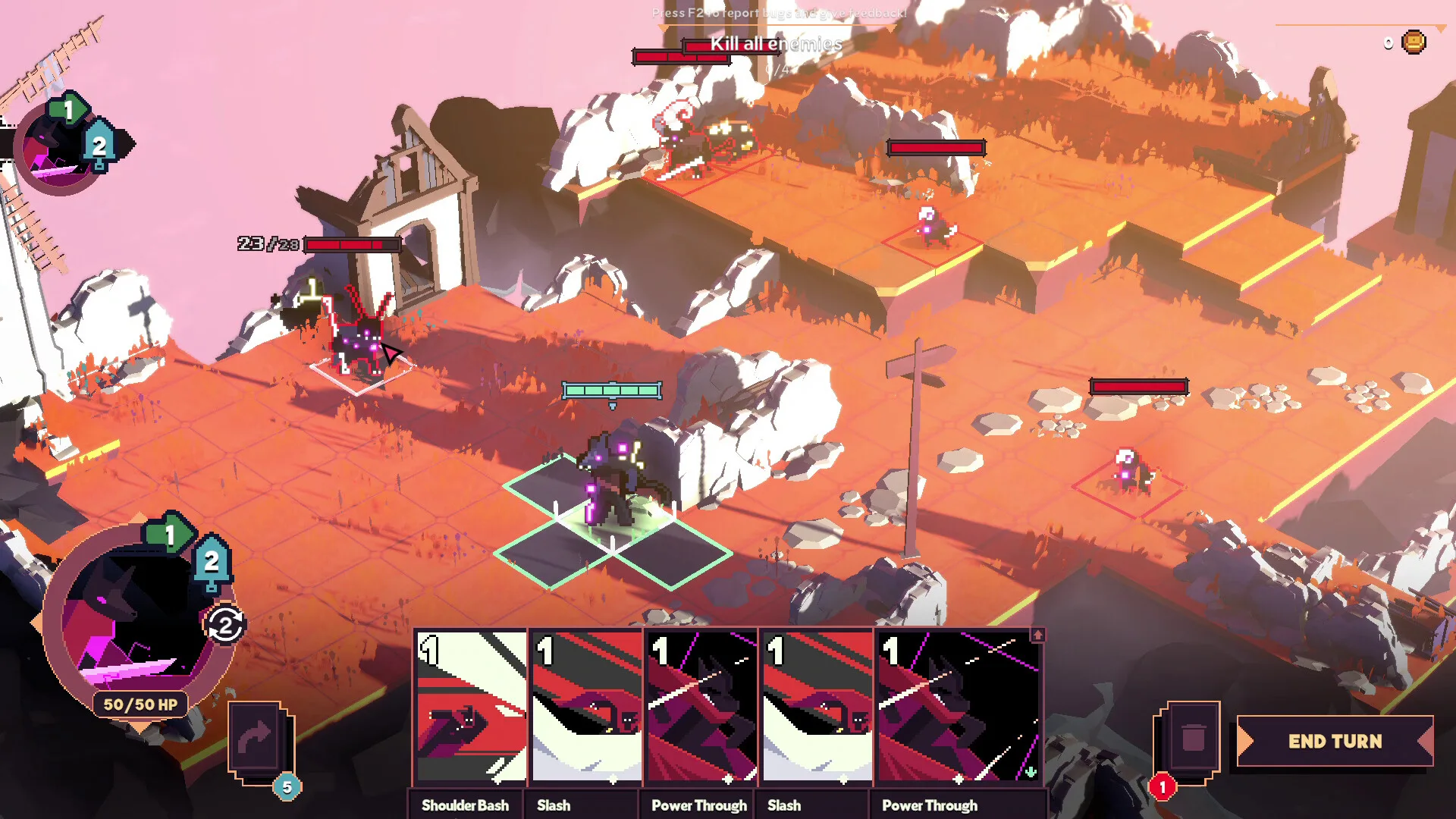
Where Shuffle Tactics truly shines is in its combat system, which transforms the abstract nature of card battles into visceral, spatial puzzles. Each engagement becomes a chess match where movement points, energy management, and positioning converge to create genuinely tactical decisions. The grid-based battlefield isn’t just window dressing—it’s fundamental to how every card and ability functions.
The Doberknight, your starting hero, exemplifies this design philosophy. This melee-focused character can hurl his sword across the battlefield, manipulate enemy positions through pushing and pulling effects, and sacrifice health for powerful buffs. These mechanics create a fascinating risk-reward dynamic where aggressive positioning can lead to devastating combos or catastrophic failure. The character’s reliance on enemy manipulation, however, reveals one of the game’s more frustrating design decisions: bosses are immune to movement effects, rendering entire portions of the Doberknight’s toolkit useless when it matters most.
The sidekick system adds another layer of tactical depth, transforming solo encounters into squad-based engagements. Each companion brings their own deck and abilities, creating opportunities for synergistic plays that feel genuinely collaborative. Watching your archer’s ricocheting arrows set up perfect positioning for your melee hero’s finishing move creates those magical moments where mechanical systems align to produce emergent storytelling.
Environmental interactions through oil and fire mechanics add tactical complexity, though the game could benefit from more consistent tutorialization of these systems. The visual feedback during combat—screen flashes and impact effects—successfully communicates the weight of each action, making even basic attacks feel consequential. This attention to combat presentation helps maintain engagement during longer tactical encounters.
The Burden of Purity
Shuffle Tactics’ commitment to roguelike purity becomes both its greatest strength and most significant weakness. The absence of meta-progression creates a design space where each run must stand on its own merits, forcing players to master the game’s systems rather than relying on accumulated power. This approach respects player skill and creates genuine moments of triumph when tactical mastery overcomes seemingly impossible odds.
However, this design philosophy clashes with the game’s punishing difficulty curve and extensive unlock system. With 164 unlocks scattered across multiple progression tracks, the game demands dozens of hours before players can access its full tactical potential. The early game balance, particularly with starter decks, often feels inadequate for the challenges presented. Enemy scaling within regions lacks consistency, creating jarring difficulty spikes that can transform routine encounters into run-ending disasters.
The game’s merchant system introduces interesting narrative tension through health-trading vendors who offer powerful upgrades at permanent cost. These moments force players to weigh immediate tactical advantages against long-term survivability, creating the kind of meaningful choices that define great roguelike design. The charm system, which allows players to enhance individual cards with modular upgrades, adds another layer of customization that can dramatically alter card functionality.
Club Sandwich has acknowledged these balance concerns by including extensive accessibility options that allow players to unlock all heroes, maximize character levels, or gain additional action points. While these features demonstrate commendable design awareness, their necessity suggests fundamental balance issues that could have been addressed through more traditional difficulty scaling.
Beauty Marred by Technical Stumbles
Shuffle Tactics presents a gorgeous pixel art aesthetic that successfully captures the nostalgic charm of classic tactical RPGs while maintaining modern visual clarity. The character designs radiate personality, from the determined Doberknight to the colorful cast of merchants who populate the world. Each of the six regions offers distinct visual identity, creating a sense of journey and progression through varied environments.
The merchant encounters deserve particular praise for their world-building contributions. Characters like the spider vendor and insect librarian feel like natural inhabitants of this corrupted realm, their dialogue providing glimpses into the broader narrative while maintaining distinct personalities. These interactions transform routine upgrade decisions into brief character moments that enrich the game’s atmospheric storytelling.
Unfortunately, technical issues undermine this visual polish. The overhead tactical camera, essential for complex positioning decisions, suffers from game-breaking bugs that cause erratic movement and display problems. UI clarity issues plague card descriptions and the charm attachment system, creating unnecessary friction in a game that already demands significant mechanical mastery. The tutorial system covers basic combat but leaves advanced mechanics unexplained, forcing players to discover crucial systems through trial and error.
Performance stability issues, including occasional crashes and collision problems with friendly units, create additional frustration in a game where tactical precision is paramount. These technical shortcomings feel particularly disappointing given the game’s artistic strengths and mechanical ambitions.
The Review
Shuffle Tactics
Shuffle Tactics presents a fascinating fusion of tactical combat and deckbuilding that occasionally achieves brilliance but struggles with execution. The grid-based combat system creates genuinely engaging tactical puzzles, and the visual presentation captures classic RPG charm beautifully. However, punishing difficulty spikes, technical instability, and unclear progression systems undermine the experience. While the game shows flashes of tactical genius, it feels like an ambitious project that needed more development time to reach its potential.
PROS
- Innovative tactical combat system that makes positioning meaningful
- Beautiful pixel art with strong character design
- Deep customization through card upgrades and sidekick system
- Excellent combat feedback and visual impact
- Rich world-building through merchant interactions
CONS
- Punishing difficulty curve with inconsistent scaling
- Technical bugs affecting core gameplay mechanics
- Inadequate tutorial system for complex mechanics
- Frustrating boss immunity to movement effects
- Steep unlock requirements limiting character variety