
























![Kingdom Hearts Collection [I-III] Review](https://gazettely.com/wp-content/uploads/2026/10/Kingdom-Hearts-Collection-I-III-1-360x180.webp "Kingdom Hearts Collection [I-III] Review: KHII Holds Steady as Newer Entries Fluctuate 37")



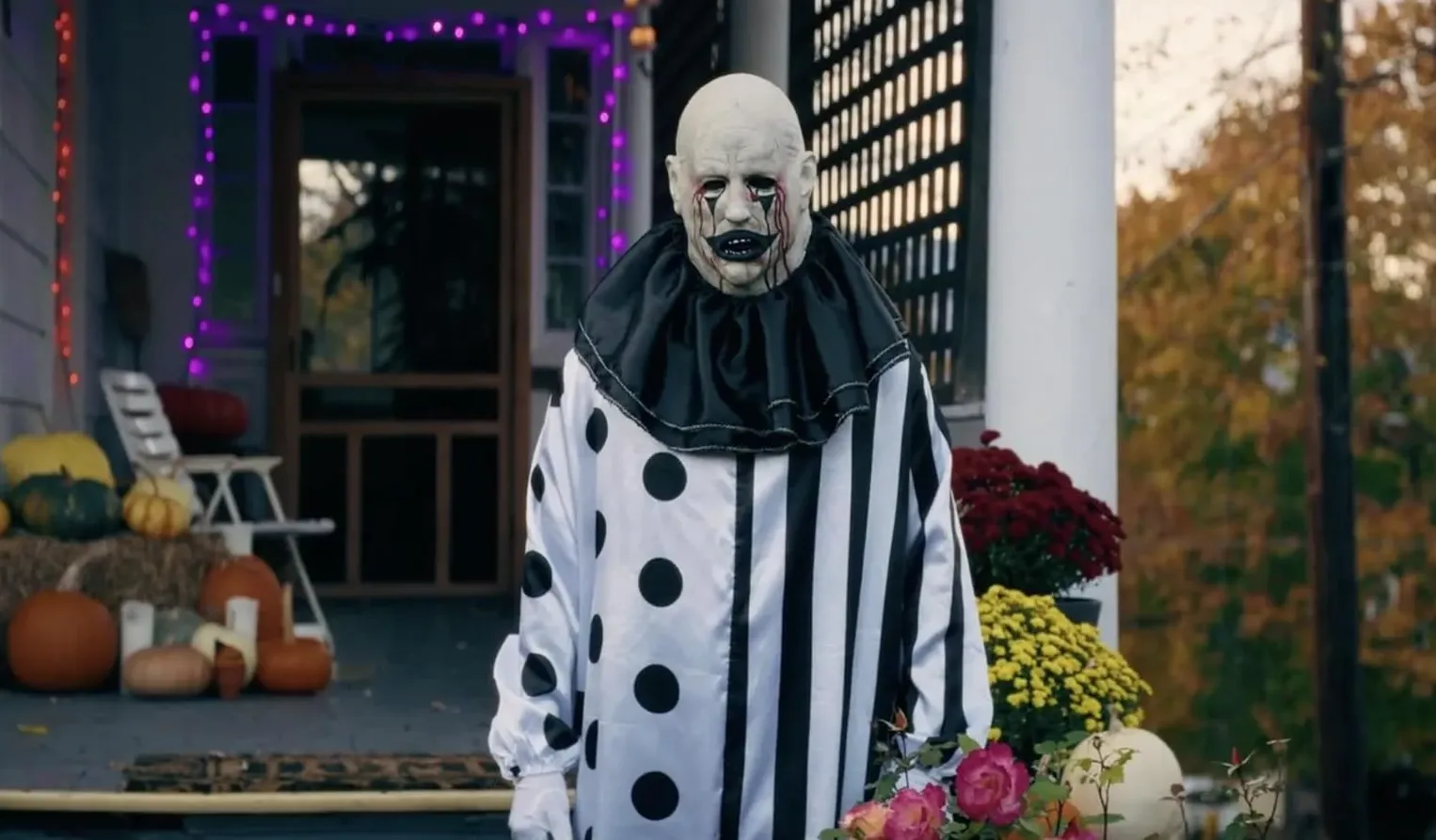

The most effective hauntings are the ones that feel contained, a sickness festering within a single, cursed location. For years, the Hell House LLC series understood this, locking us inside the Abaddon Hotel. With Lineage, the fifth entry, that containment is broken. The evil has seeped into the soil of the town itself, and its residents are the ones paying the price.
We reconnect with Vanessa Shepherd, a survivor of the events in Lake of Fire, who now runs a local bar while trying to outrun her trauma. Her peace is short-lived. She is plagued by terrifying visions, an affliction that is spreading through the community like a contagion. As mysterious deaths begin to mount, Vanessa is drawn back into a supernatural mystery, forced to confront the very darkness she thought she had escaped.
A Change in Perspective
The franchise’s identity was forged in the shaky-cam authenticity of found footage. Lineage abandons this completely for a traditional cinematic approach, and the soul of the series is lost in the transition. The first-person perspective was never a gimmick; it was the core mechanic of the horror. It forced the viewer into a vulnerable position, mimicking the experience of horror games like Amnesia, where your limited field of view is your greatest enemy.
The raw, immediate terror of the original films came from this shared perspective; we were trapped in the viewfinder, sharing the characters’ panicked, fragmented view of the unfolding nightmare. This new film, with its polished cinematography and stable camera, creates an unwelcome safety barrier. We are watching events unfold instead of experiencing them.
The clean lighting and composed shots give us too much information, leaving nothing to the imagination. Scare sequences that would have been terrifying through a distorted, pixelated lens now feel staged and predictable. The horror is further diluted by the change in setting. The Abaddon Hotel was a masterclass in claustrophobic level design. Lineage trades this for the “open world” of the town itself, a decision that makes the horror feel scattered and aimless, lacking the focused, suffocating dread of its predecessors.
An Overwritten Grimoire
Lineage dedicates itself almost entirely to its own mythology, a choice that suffocates its potential. The script is a dense web of connections, tying together every loose thread from the four previous films into a complicated tapestry of lore. This narrative structure is like a video game sequel that expects you to have read every optional codex entry from prior installments to understand the main quest.
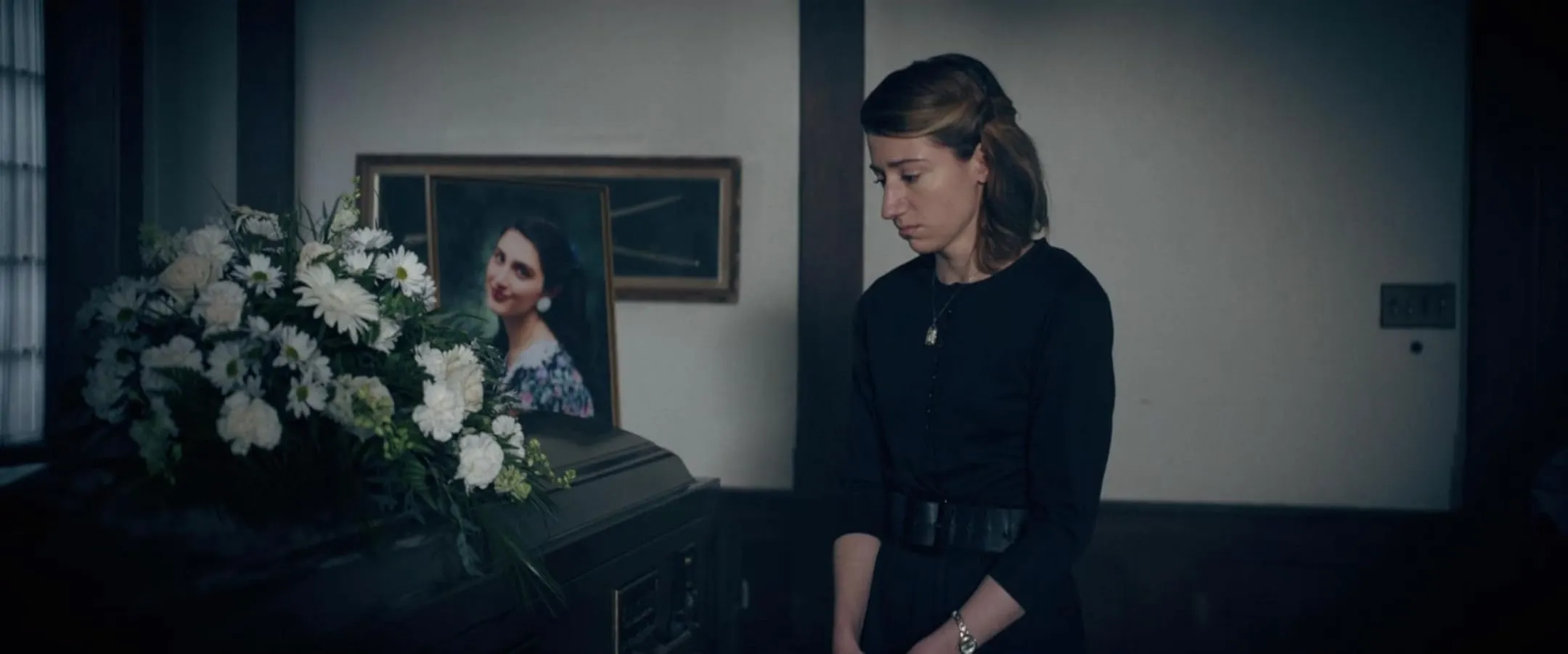
It may reward the most dedicated fans, but it makes the film nearly impenetrable for anyone else. The narrative grinds to a halt for long stretches of exposition, sacrificing momentum for explanation. This devotion to lore comes at a great cost. The pacing is lethargic, and character development is an afterthought.
Vanessa is a passive protagonist, an NPC stripped of her agency who exists to react to events. Another investigator, Alicia, is forced to make frustratingly poor decisions simply to move the plot forward, choices that feel driven by the script rather than believable motivation. The film’s philosophy harms its own scares.
The infamous clowns, once terrifying for their stillness and unnerving, implied movement, are now shown walking around like common slasher villains. The original clown was scary because it operated on a logic we couldn’t understand, like a glitched enemy moving only when you weren’t looking. Now, it’s just a predictable monster, and the fear of the unknown is replaced by the boredom of the familiar.
To Be Continued… Annoyingly
A story needs a resolution to provide an emotional release. Hell House LLC: Lineage offers none. The film does not end; it simply stops. The final scene is an abrupt cliffhanger, a narrative device better suited for an episode of television than a feature film.
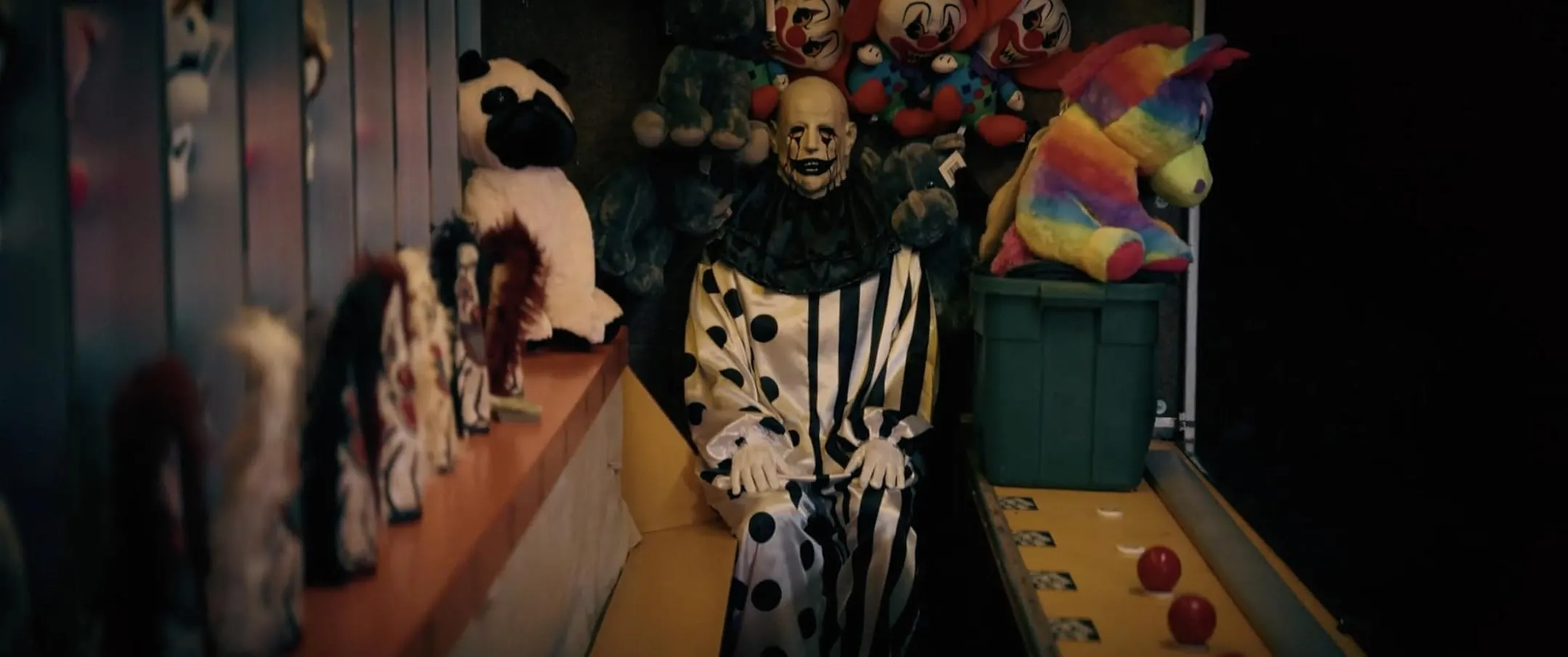
This choice is deeply unsatisfying. It breaks the implicit contract between the film and its audience, which is the promise of a complete emotional arc. It delivers the setup and the rising action but withholds the climax and resolution. This feels less like a bold artistic statement and more like a cynical bid for another installment.
The emotional impact is one of frustration, not suspense. A good horror ending should leave the viewer with a lingering sense of dread or a moment of hard-won catharsis. This ending leaves them feeling cheated.
The film fails to function as a self-contained work. It is a bridge, a chapter of exposition designed to connect what came before to what might come next. It prioritizes the continuation of the franchise over the integrity of the current story, leaving viewers with a hollow sense of incompletion instead of a haunting final note.
Hell House LLC: Lineage is the fifth and possibly final installment in the Hell House LLC horror franchise. Released theatrically on August 20, 2025, in the United States, it marks a significant departure from the series’ signature found-footage format.
Full Credits
Director: Stephen Cognetti
Writers: Stephen Cognetti
Producers: Joe Bandelli
Executive Producers: Jim Klock, Joe Dain
Cast: Elizabeth Vermilyea, Searra Sawka, Mike Sutton, Joe Bandelli, Cayla Berejikian, Victoria Andrunik, Gideon Berger, Bridget Rose Perrotta
Director of Photography (Cinematographer): Brian Keenan
Composer: Karl Preusser
The Review
Hell House LLC: Lineage
Hell House LLC: Lineage abandons its found-footage roots for a conventional horror narrative, but the trade-off is not worth it. The film sacrifices its signature atmospheric dread for a convoluted plot that is inaccessible to newcomers. While it attempts to expand the franchise's world, it loses the claustrophobic terror that made the original so effective, resulting in a scare-less, incomplete story that feels more like a television pilot than a cinematic conclusion.
PROS
- Ambitious attempt to expand the franchise's mythology.
- Connects narrative threads from all previous films for dedicated fans.
- Maintains a bleak, autumnal atmosphere consistent with the series.
CONS
- The shift from found footage to traditional filmmaking removes the series' unique tension.
- The plot is heavily reliant on exposition, making it confusing for new viewers.
- Lacks genuine scares and the slow-building dread of earlier entries.
- Character development is minimal and unengaging.
- The abrupt, cliffhanger ending is unsatisfying and feels incomplete.







