




















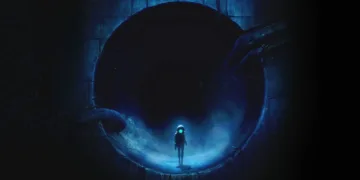




Bendy: Lone Wolf presents a corrupted vision of early 20th-century American animation. The game places you in the worn shoes of Boris the Wolf, a figure reminiscent of the cheerful sidekicks from a bygone era of cartoons, now cast as a lone survivor. He is trapped within the shifting, sepia-toned corridors of a defunct animation studio, a place where the ink itself seems to have soured.
The primary goal is simple survival. Boris must search the labyrinthine floors for supplies to keep his light burning and his hopes from fading. Hunting him is the Ink Demon, a grotesque parody of a beloved cartoon icon, representing a monstrous, failed ambition.
The atmosphere is one of profound isolation and persistent tension. This transformation of nostalgic American iconography into a source of horror creates a disquieting experience that speaks to a global audience familiar with the subversion of cultural symbols.
The Sisyphean Workday
The game’s structure is built on a relentless roguelike cycle, a design that resonates with the myth of Sisyphus, condemning its hero to a repetitive and arduous task. Each attempt begins in a small safehouse, a pocket of quiet calm that serves as a psychological anchor before Boris descends by elevator into the studio’s procedurally generated depths.
No two floors are ever identical, a technical feature that ensures a constant state of unfamiliarity and prevents the player from ever achieving true mastery over the environment. This design choice strips away the comfort of memorization found in many horror games, making every journey feel like the first. The core loop is a tense routine of exploration and resource management, a grim reflection of a workday twisted into a nightmare.
Players guide Boris through the dark, oppressive hallways to locate mundane items: scrap metal, cans of soup, fuel for his lamp. These objects, necessary for survival, ground the experience in a desperate materiality. Once a required number of key supplies are gathered, the objective shifts to a frantic retreat to the elevator.
The safehouse functions as the player’s hub between these stressful excursions. It is a space that evolves, albeit slowly. Collected items and unlocked secrets appear on shelves, turning the small room into a museum of Boris’s trauma and perseverance. This physical manifestation of progress provides a crucial, if small, sense of accomplishment. The structure creates a compelling hide-and-seek dynamic, a tense rhythm of quiet searching punctuated by moments of sheer panic.
The constant, unseen presence of the Ink Demon makes every choice feel critical, from the path taken to the sound of a footstep. This cyclical descent into danger, followed by a brief reprieve, imbues the loop with a feeling that encourages just one more attempt, one more run into the studio’s hostile, ink-stained heart. The entire process mirrors the tireless, often thankless, labor of the animators who once worked in these halls, their creative energy now fuel for a monstrous, self-perpetuating machine.
The Grammar of Helplessness
The game’s mechanics deliberately cultivate a feeling of vulnerability, constructing a language of interaction that prioritizes fear over empowerment. This “grammar of helplessness” is defined by the verbs available to the player: hide, listen, run, and scavenge. It stands in stark contrast to the dominant language of Western game design, which often revolves around verbs of conquest like shoot, build, and dominate.

Here, the player’s agency is intentionally curtailed to serve the thematic goal of portraying a character who is prey, not predator. Combat exists, but it is a minimal and almost pathetic system. Boris can find rudimentary weapons, such as a pipe or a discarded bone, to fend off minor inky foes. These encounters are brief, clumsy, and lack any strategic depth.
They serve mainly to underscore Boris’s fragility. Any sense of power is fleeting, as direct confrontation with the primary antagonist, the Ink Demon, is impossible. This design choice is a powerful statement, reinforcing the idea that some horrors cannot be fought, only endured or escaped.
Stealth becomes the most essential skill in the player’s arsenal, a necessary response to the game’s oppressive power dynamic. The environment is designed to facilitate this. Players must listen for the telltale audio cues of the approaching demon: a low guttural groan, the wet slap of inky footsteps. The screen darkens, and the world itself seems to hold its breath.
The only recourse is to find one of the “miracle stations,” small lockers or alcoves that offer temporary sanctuary. The act of hiding is a central mechanic, a moment of profound tension where the player is blind and reliant entirely on sound to know when the danger has passed. Interspersed throughout the levels are simple puzzles, which function as momentary pauses in the suffocating tension.
They are never complex brain-teasers but are thematically integrated tasks like redirecting ink flow or finding a missing film reel. They allow for a brief mental reset before the hunt resumes. The Ink Demon’s AI, while terrifying, follows set patrol paths.
Its patterns can be learned, transforming the fear of the unknown into the manageable stress of avoiding a known, lethal hazard. This predictability, coupled with the randomness of the level generation, creates a volatile experience where moments of perceived control can be instantly shattered by an unlucky layout or a poorly timed mistake.
A Ghost in the Machine’s Eye
The game’s presentation is a significant strength, refining its signature visual identity into a more potent and unsettling form. The sepia-toned world, a direct homage to the aesthetic of early American cartoons, is rendered with a new level of detail. The graphical enhancements are not merely cosmetic; they are functional improvements to the horror.

Sharper textures make the dripping ink feel more tangible, while more purposeful, dynamic lighting deepens the shadows where threats lurk. The clean, innocent lines of the original cartoon inspirations are now smudged, bleeding, and corrupt, as if the artistic medium itself has been afflicted with a terminal illness. This visual language, rooted in a specific cultural nostalgia, is weaponized to create a universal sense of unease.
A key technical upgrade that reshapes the experience is the introduction of a rotatable camera. This change from the original’s fixed perspective is a major functional improvement. A fixed camera, a staple of early Japanese survival horror, creates a cinematic but disempowering view.
By contrast, a player-controlled camera, a hallmark of Western design, typically grants the player more agency. Lone Wolf uses this camera to create a fascinating tension between what you can see and what you can do. It offers the illusion of control in a world that provides almost none.
Sound design is paramount to the experience, arguably more important than the visuals for generating fear. The audio landscape is meticulously crafted from distinct layers of sound. There is the ambient track of the studio itself, a constant chorus of groans and creaks that suggests the building is alive and in pain.
Then there are the diegetic sounds of Boris, his panicked breathing and soft footsteps grounding the player in his desperate situation. Finally, there are the specific threat cues tied to the Ink Demon. These sounds are not just for atmosphere; they are crucial gameplay information.
The narrative unfolds through collectible audio logs scattered throughout the studio, a form of epistolary storytelling that turns the player into an archaeologist of a forgotten tragedy. Listening to the voices of the studio’s former employees, you piece together the grim history of obsession and madness that led to its downfall. This fragmented method of delivery mirrors Boris’s own shattered reality and makes the discovery of each new piece of the story feel like a hard-won secret pulled from the darkness.
The Review
Bendy: Lone Wolf
Bendy: Lone Wolf is a masterful exercise in atmospheric tension, successfully using nostalgic American animation to create a profound sense of dread. Its refined presentation and compelling survival loop result in a potent horror experience. The game's mechanical simplicity and predictable enemy patterns, however, restrain its full potential. It is a polished and memorable descent into madness that stops short of true greatness, offering a chilling journey for those who value mood over complex mechanics.
PROS
- Exceptional atmosphere and art direction.
- Tense hide-and-seek gameplay loop.
- Superb use of sound design to build tension.
- Meaningful technical and visual polish.
CONS
- Combat is shallow and underdeveloped.
- Enemy AI patterns can become predictable.
- The core loop may feel repetitive in longer sessions.
- Random generation can cause inconsistent difficulty.