

























![Kingdom Hearts Collection [I-III] Review](https://gazettely.com/wp-content/uploads/2026/10/Kingdom-Hearts-Collection-I-III-1-360x180.webp "Kingdom Hearts Collection [I-III] Review: KHII Holds Steady as Newer Entries Fluctuate 37")



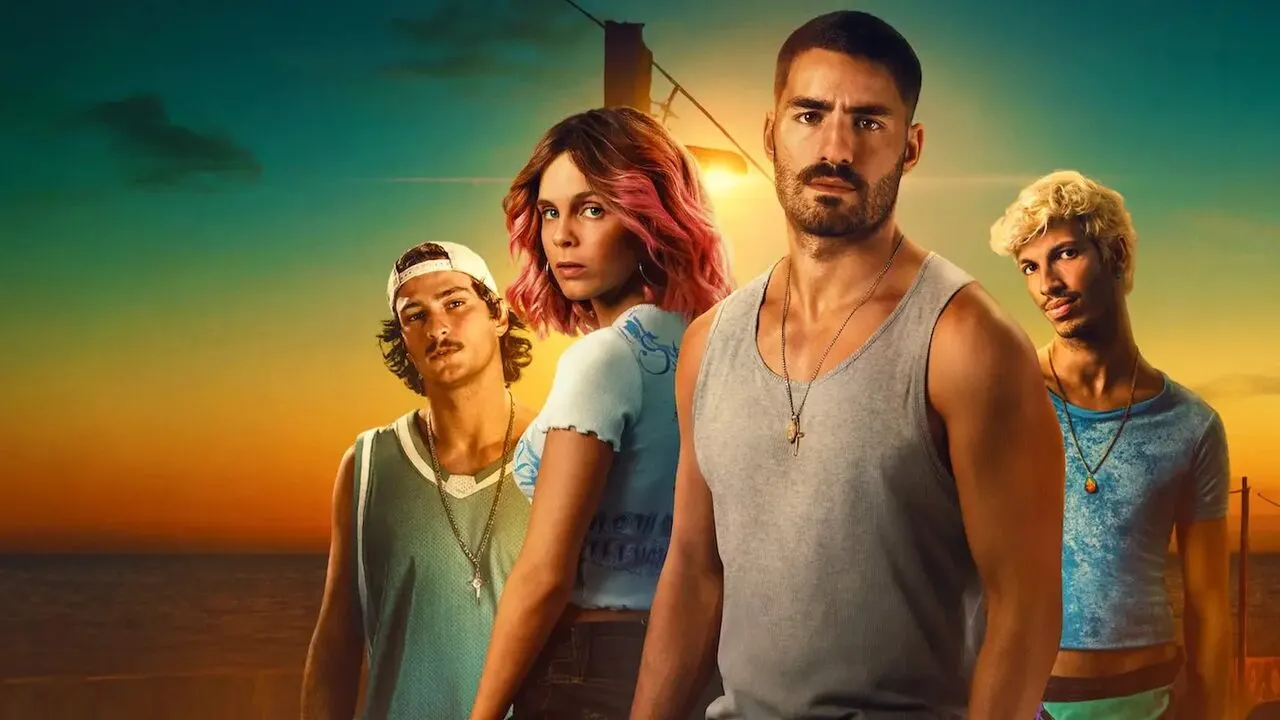

Turn of the Tide (Rabo de Peixe) Season 2 returns to the Azores, a landscape that reads as postcard beauty and closed horizon. The Portuguese crime story picks up the aftermath of the first season’s central shock: a massive cocaine shipment washing ashore and convincing four friends that escape sat within reach. That spark of irreverence fades fast. The tone pivots from earlier lightness to a tense fight for survival.
Eduardo and Carlinhos attempt a crossing to America, are caught and detained, and watch their plan collapse. Deported and back home, they face a harsher climate than before. The original stash still drives the town’s danger, drawing fresh hunters. Orlando arrives with a meticulous mind and a personal score as the brother of the dead thug Arruda. An unseen Colombian kingpin, marked by a centipede logo, hovers as power felt through product. The season plants the leads in a renewed contest with high stakes and moral strain.
Character: Shifting Power and Emotional Cost
Consequences from last season shape every choice. Eduardo, once the dreamer, now wears guilt and fear that sharpen into hard pragmatism. He recalibrates to survival and plots a path back to the drugs with a cooler, tactical frame. The shift feels like watching hope harden into calculation.
Silvia steps into the vacancy her father Arruda left and asserts control with clarity. She operates with patience rather than impulse. That steadiness steadies the operation, and the moment she sets terms for a new partnership carries a clean charge. The series also threads her pregnancy and the echo of her father’s presence through her scenes, which gives her leadership a private weight.
Carlinhos moves in the opposite direction. Detention imprints a sober preference for a simpler life. He pushes back on Eduardo’s appetite for risk and refuses the role of sidekick. Inspector Frias deepens beyond investigator, with glimpses of her home life and a mother-daughter bond that rounds out her profile. On the job she remains relentless, pushing every angle that might expose the supply.
Orlando enters as a methodical antagonist who tracks debts and plans with care, a measured presence compared with the casual thuggery that once ruled the docks. Each of these pivots tracks the real cost of the first season’s decisions.
Narrative: Urgency Versus Drag
The six-episode run opens with the 9/11 attacks. That global jolt collides directly with Eduardo and Carlinhos’ crossing, triggers immediate deportation, and places them in a New Jersey detention center. The story sets itself inside a darker present and resets the central goal: reclaim the cocaine. The path tightens with Joe’s arrest, the discovery of Arruda’s body, and Orlando’s rise as local power.
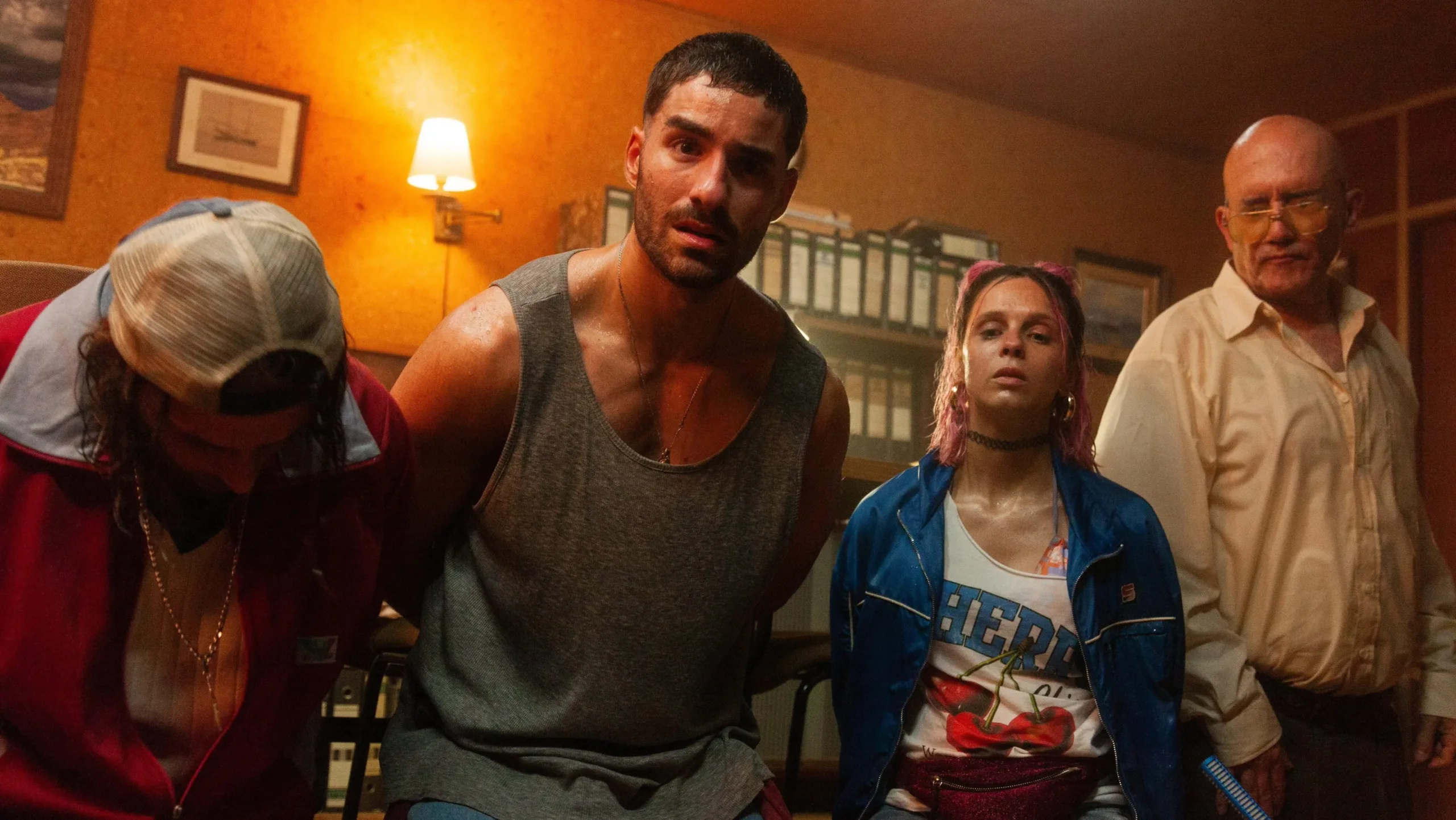
The mood runs heavier than the first season. Set pieces like Joe’s face-off with Orlando and Eduardo’s quick read of the room when forming a deal with Silvia deliver clean spikes of suspense. The show knows how to stage a cornered decision and let the tension breathe.
The rhythm, though, wobbles. Some passages race with urgency and land crisp, then long stretches of conversation or procedure slow the engine without feeding the main thread. My time with crime shows makes me quick to notice those stalls. The script leans on coincidence at points, and the premiere’s last-minute reveal that Rafael lives feels placed to seed future turmoil rather than earned by the moment.
Artistry: Coastal Beauty and Auditory Missteps
Technically, the production holds a strong line. The images carry the show. The cinematography embraces the coast around Rabo de Peixe, with salt-stung rock, misted piers, and heavy water that presses against the frame. Lighting and composition shape mood with care, and the direction finds tight suspense during close calls with police and street encounters.

Sound work matches that level. The mix uses surf, engines in the distance, and well-timed silence to build pressure with restraint. I enjoy when a series trusts the setting to do part of the talking, and this one often does. The music choices land with less precision. Popular tracks arrive with lyrics that spell out the situation and pull attention away from the scene.
Arruda’s voiceover also distracts. It sits oddly against the season’s more severe tone and breaks the texture that the images and effects have built. Action beats hit with craft, although a few flare up, cause a commotion, and then leave the conflict standing where it started. The craft stays polished, yet some stylistic calls keep the experience mixed.
Turn of the Tide (original title: Rabo de Peixe) is a Portuguese crime drama loosely inspired by a true story. The series follows the lives of a young fisherman, Eduardo, and his friends in the Azorean village of Rabo de Peixe after a massive shipment of cocaine washes ashore. The second season, which continues the story of greed, ambition, and survival, premiered on Netflix on October 17, 2025.
Credits
Director: Augusto Fraga, João Maia
Writers: Augusto Fraga, Hugo Gonçalves, João Tordo
Producers and Executive Producers: Pandora da Cunha Telles, Augusto Fraga, Pablo Iraola
Cast: José Condessa, Helena Caldeira, André Leitão, Rodrigo Tomás, Maria João Bastos, Pêpê Rapazote, Albano Jerónimo, Afonso Pimentel, Kelly Bailey, Francesco Acquaroli
Director of Photography (Cinematographer): Marcos Castiel BFE, Pedro Ribeiro
The Review
Turn of the Tide Season 2
Turn of the Tide Season 2 successfully amplifies the stakes and commits to its darker tone. The series shines in its technical artistry, offering superb cinematography of the Azores and confident direction that builds genuine tension. The evolution of Silvia and Eduardo provides layered character drama. However, the six-episode run suffers from uneven pacing, occasionally stretching runtime with unnecessary scenes. The plotting sometimes relies on heavy-handed coincidence rather than earned development. The series is imperfect, yet its strengths in visual storytelling and performance make it a worthwhile continuation for fans of serious crime drama.
PROS
- Beautifully shot, capturing the unique atmosphere of the Azores.
- Strong shifts for Silvia and Eduardo, establishing a fascinating new power dynamic.
- Confident direction creating high-stakes, edge-of-seat suspense.
- Successful commitment to a darker, more serious thematic focus.
CONS
- Uneven rhythm, with some episodes feeling bloated by extraneous scenes.
- Occasional reliance on coincidence and sudden reveals to advance the story.
- Music choices are frequently too obvious; the Arruda voiceover is distracting.
- Certain action sequences or procedural moments feel undeveloped, leading nowhere.







