

















A man hangs from the rippling stone façade of La Pedrera. He hangs dead, arranged as communication. The killer drenches him in accelerant and lights him up against Antoni Gaudí’s architectural masterpiece. That single tableau sets the tone for City of Shadows: Barcelona’s cultivated beauty pressed against something raw and vicious.
The year is 2010, and the economic crisis has turned the city into a tinderbox. Protesters pack the streets. Wealthy elites retreat to penthouses. Smoke from the burning body on the balcony seems to drift into the same air as the tear gas rolling up from the avenues.
The murder of CEO Eduard Pinto demands investigators with a certain appetite for instability. Judge Susana Cabrera pulls Inspector Milo Malart back into service. He is suspended for assaulting a superior officer, a walking HR disaster with a badge-shaped shadow over his head.
Cabrera pairs him with Rebeca Garrido, brought in from the National Police in Madrid to keep the procedure straight and the paperwork legible. The killer keeps striking, turning Barcelona’s famous landmarks into public stages for execution. The premise sells a brainy chase through history, delivered as a grim tour of a city at war with itself.
The Weight of the Badge
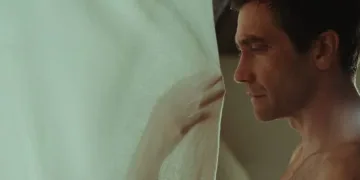
Milo Malart fits the damaged-detective template with an intensity that hurts to watch. This genre loves its brooding men in coats and their predictable self-destruction. Malart’s damage reads as bodily, like his nerves have been sanded down. Isak Férriz plays him as someone perpetually short-circuiting. His face carries fatigue in every scene, and exhaustion becomes its own expression.
The script roots that state in the recent suicide of his nephew, Marc, a loss that shreds sleep and leaves Malart quick to flare. It deepens the pressure by bringing in a family history of schizophrenia. Malart monitors himself for signs of fracture, and the case feeds the fear that obsession is turning into a break with reality. Férriz sells that inner alarm through jittery physical choices and a stare that slides past people, as if he is searching for cracks in the world.
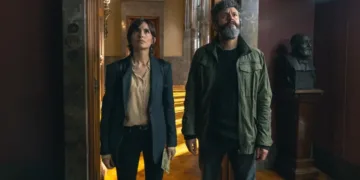
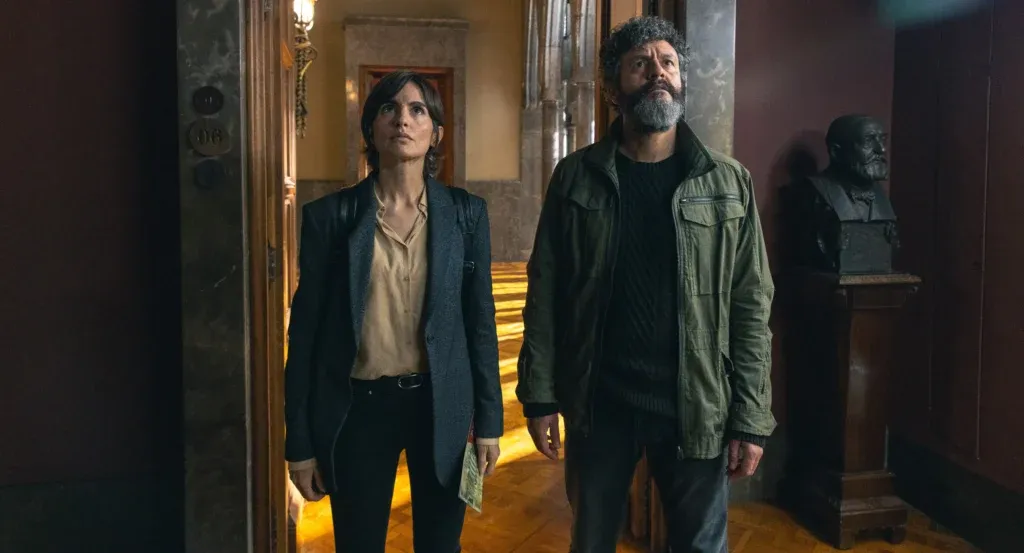
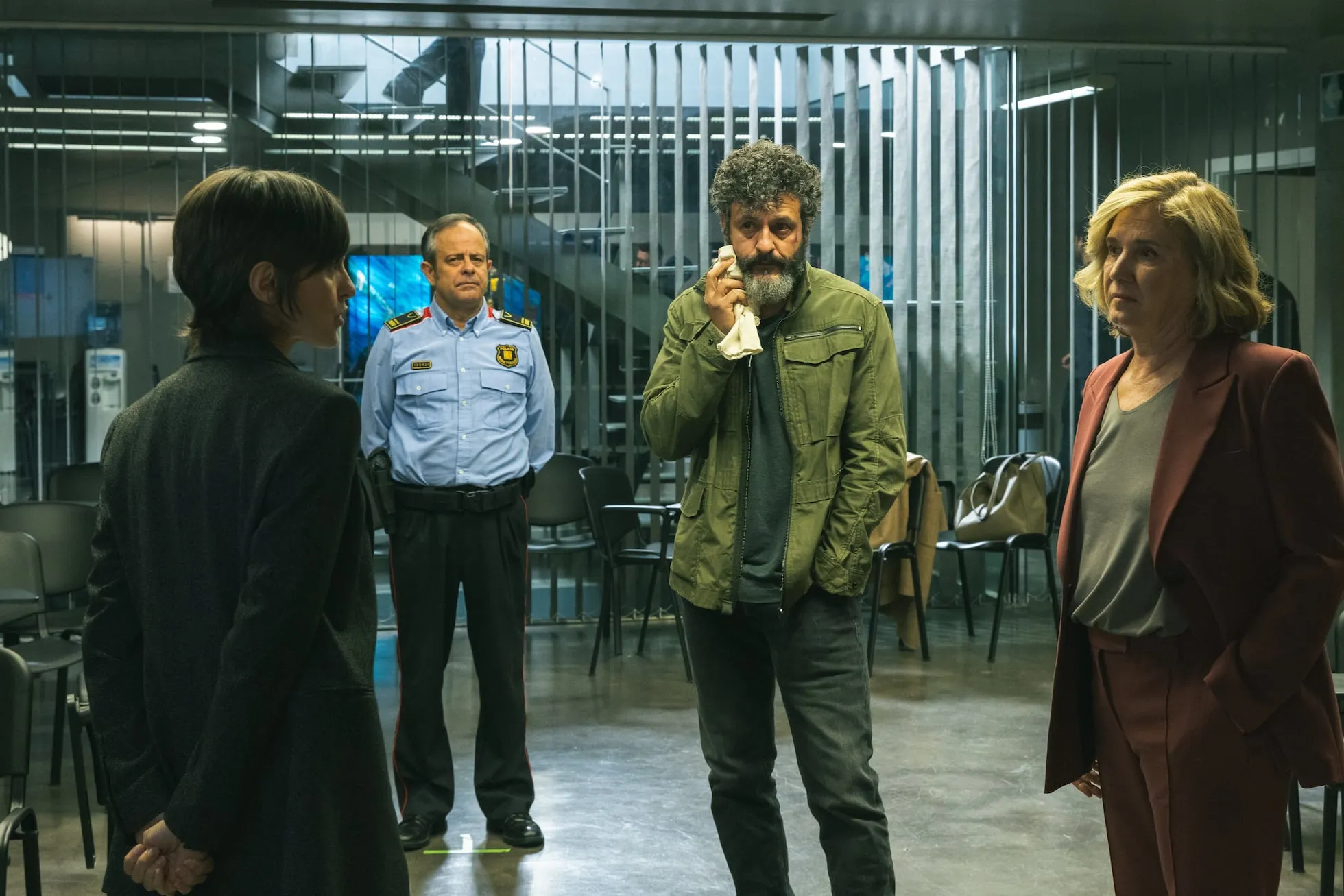
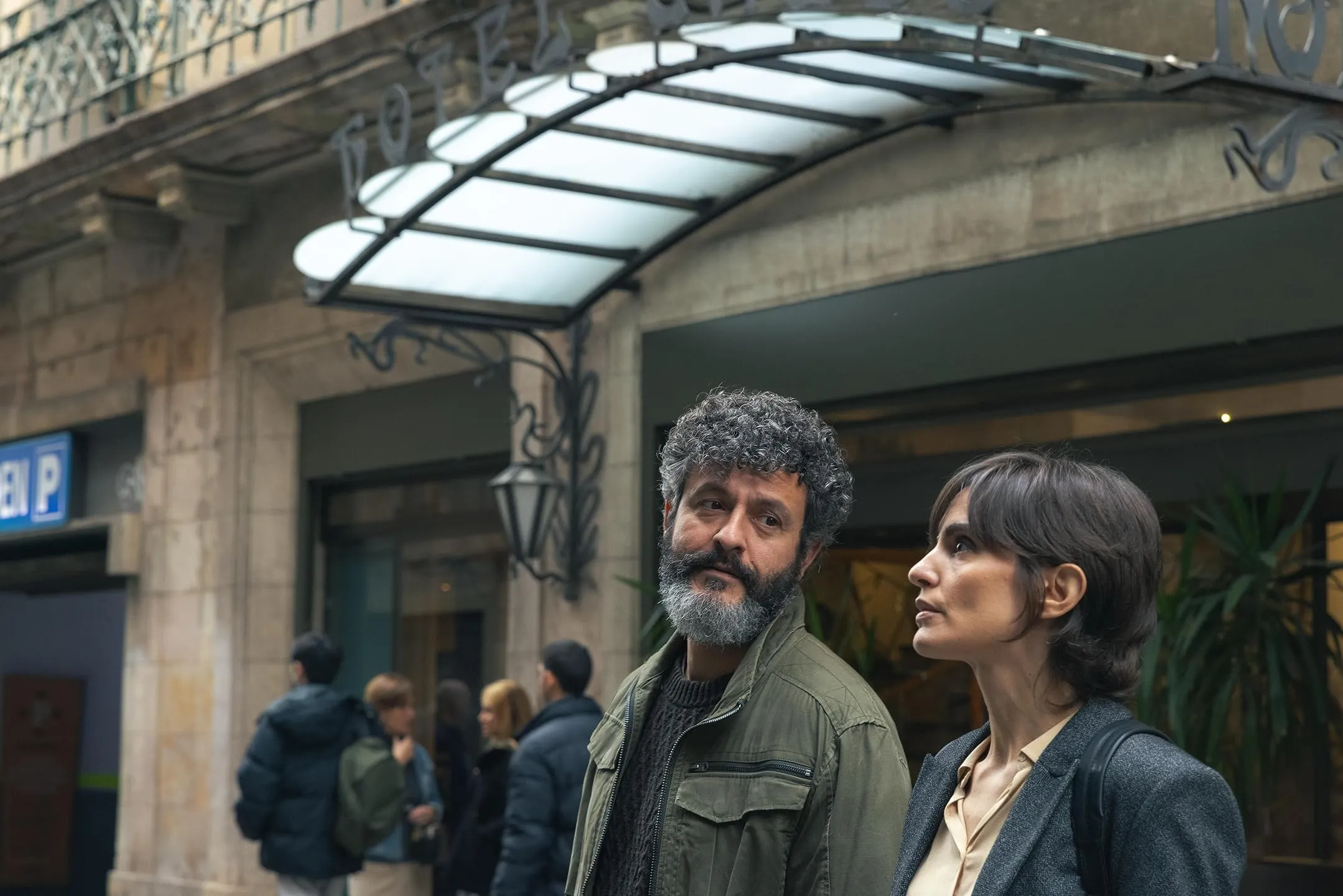
Verónica Echegui gives Rebeca Garrido the steadiness the story needs, and the role carries an extra ache for viewers because it is her final one. On screen, Rebeca operates as a professional to the bone. She remembers the rules at the exact moments Malart is ready to treat them like kindling. Their pairing is the show’s strongest engine.
The writers keep their partnership rooted in friction and competence, not romantic detours. They start out as antagonists: Malart reads her as surveillance, Rebeca reads him as unstable. Over time they build something closer to trust, grounded in shared skill and basic survival instinct. Watching two adults collaborate without a manufactured “will they, won’t they” detour feels like a small act of mercy.
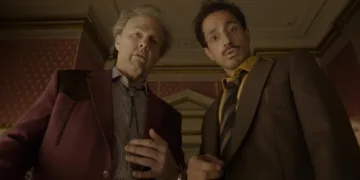
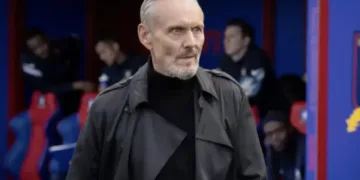
Around them, the supporting cast often functions like machinery. Sergeant Singla exists as obstruction. He hates Malart, blocks lines of inquiry, and dismisses evidence based on its source. The hostility stays so constant that it slides into caricature, a bureaucratic avatar for protecting the status quo.
The reporter Mauricio works in a similar mechanical mode. He shows up when the plot needs a leak to spike the stakes, then fades back into the scenery. He behaves less like a person than a lever the writers pull to force the department’s hand. The shortcut drains some complexity from the investigation, especially in a series that wants viewers to savor its procedural logic.
Barcelona as a Silent Protagonist
Barcelona plays as a third lead, with Antoni Gaudí’s presence stitched into the killer’s design. The murders unfold at Casa Milà, at Palau Güell, and near the Sagrada Familia. These settings operate as symbols of Catalan identity, not interchangeable backdrops.
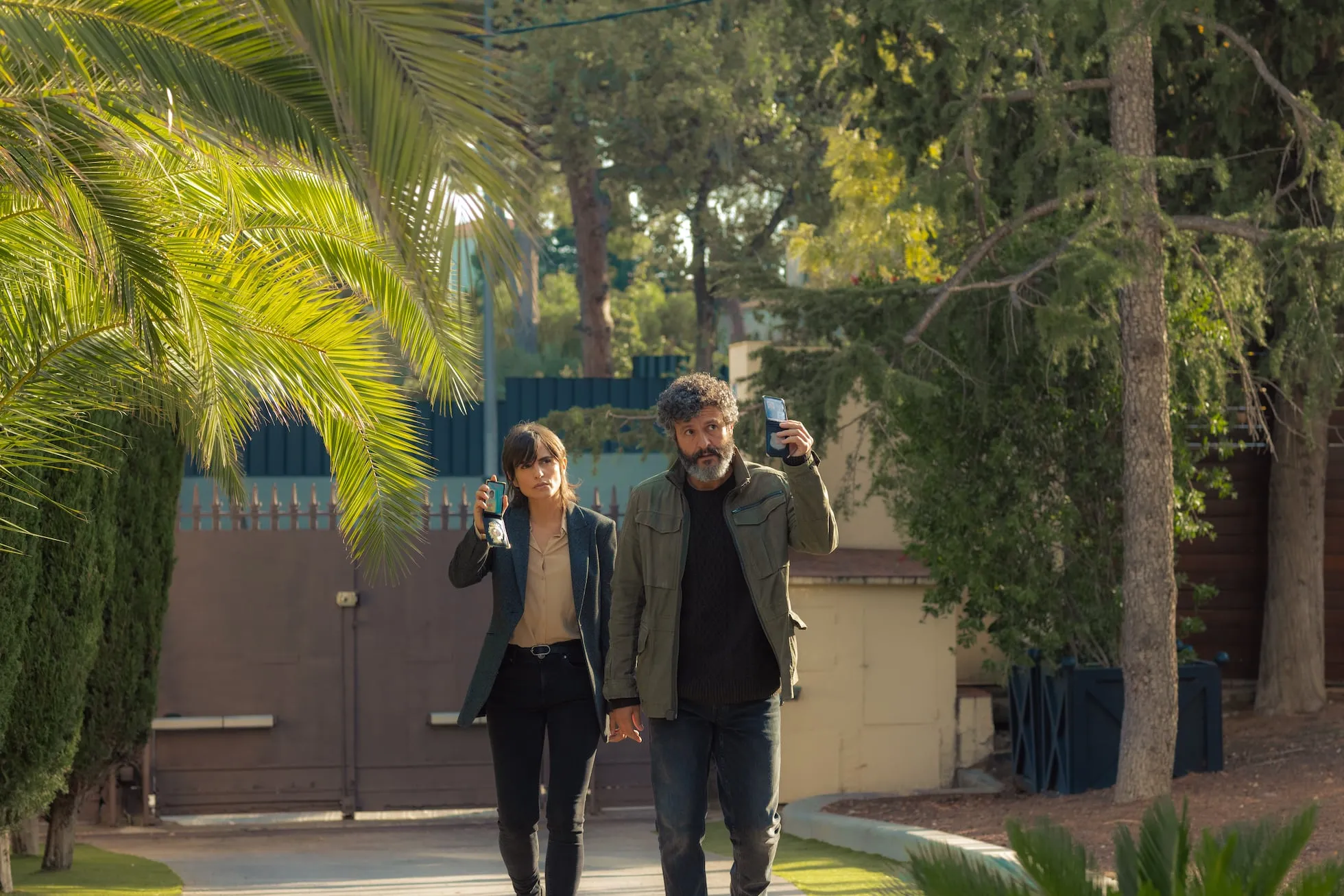
The killer marks the sites with a “G” signature, turning architectural heritage into a calling card. Gaudí’s organic, skeletal shapes lend the series a gothic texture that many police procedurals never reach. Stone columns resemble bones. Iron balconies curl like vines. The director frames these buildings to heighten their strangeness. They tower over the characters, suggesting a city that remembers and quietly judges.
The production makes a smart call by shooting on location. Streets carry the weight of lived-in geography, and natural light keeps the images tethered to something tangible. Archival footage strengthens that effect. Editors splice in real clips of the city’s development and the destruction of older neighborhoods, grounding the fiction in documented change. The implication is pointed: crimes in the show echo crimes carried out through planning decisions and erasure. The series pushes the idea that history doesn’t vanish cleanly under fresh pavement.
That visual cohesion wobbles once the show leans on digital effects. The opening image depends on fire, and the burning body plays with a synthetic sheen. The flames sit on the frame instead of biting into it, and the illusion breaks at the very moment the series tries to hook you with dread. Practical effects in the crime scenes land with grotesque clarity, so the digital add-ons feel like noise. The show’s strongest images arrive when it stays rooted in physical space: tourist-ready vistas on one side of the story, grimy back alleys where the riots churn on the other. One face is curated for photographs. The other belongs to the people breathing the smoke.
Narrative Structure and Pacing Issues
The central mystery reaches for conspiracy-thread complexity. It borrows from the Dan Brown school of storytelling: secret societies, symbols hidden in art, rituals stretching back generations. The “Da Vinci Code” flavor sits awkwardly beside the riot-driven social realism. The killer targets elite members of society, setting up a class-warfare framework with a sharp, bitter hook. Police end up guarding the same people accelerating the city’s collapse, and that irony has the potential to tighten every scene.
Pacing undercuts that ambition. Momentum repeatedly bogs down in the middle episodes as the investigation yields space to Milo’s personal life. The series spends significant time with his ex-wife, Irene, and the messy practicalities of separation. The scenes are well acted and they add dimension to Milo’s damage. They also stall the thriller. The story has a serial killer hunting victims, and the narrative keeps stepping away from that pressure for long stretches of relationship processing. Urgency drains out, then has to be refilled from scratch.
The plot’s mechanics also run on repetition. The season falls into a familiar loop: Malart finds a clue. Singla dismisses it or suspends him. Malart pushes forward anyway. A press leak forces action. The pattern repeats three or four times, and the cumulative effect makes the police look inept, not simply compromised. The “whodunit” layer is thin as well. The script places its breadcrumbs in plain sight, so genre-savvy viewers will likely identify the killer early. Curiosity shifts from “who” to “why,” and the show leans on atmosphere to carry the weaker stretches of plotting.
Thematic Ambitions: Gentrification and Decay
City of Shadows aims its anger at capitalism, tying the violence to the gentrification of Barcelona. The victims are construction moguls and corrupt politicians, figures framed as architects of a city sold off to tourists and investors. The killer drives a van stamped with the slogan “Make Barcelona pretty again,” a nasty little joke that weaponizes civic pride.
The series argues that “improvement” often arrives as demolition, with communities erased to make way for profitable fantasies. Archival footage reinforces the claim, showing old fishing neighborhoods bulldozed for the Olympic village and the poor shoved outward to the margins.
The class critique burns hot, and it also runs simple. Wealthy characters skew almost uniformly arrogant, greedy, and cruel. Poor characters read as noble casualties. That binary flattens drama into instruction, turning social commentary into a lecture delivered at full volume. A sharper version of this story would track complicity across the system’s full chain, from boardrooms down into everyday participation. Here, the lines stay stark, with little room for contradiction or mess.
Mental health forms the other major pillar, and the series treats it with unusual seriousness. Milo takes pills, goes to therapy, and names his fragility without turning it into a quirky character tag. The show links the detective’s instability to the city’s instability, presenting both as structures under strain, haunted by what they try to bury. The execution can slip into melodrama, especially in dream sequences where Milo sees his dead nephew.
Those scenes spell out what Férriz’s performance already communicates. The series works best when it trusts his twitchy restraint and hollow fatigue to carry the trauma. As a mood piece, it lands hard, capturing a city that feels like it is devouring itself. As a mystery, it struggles to hold together. The air feels thick enough to choke on. The story stays thin enough to see through.
City of Shadows is a Spanish crime thriller series that premiered globally on Netflix on December 12, 2025. Adapted from the novel El asesino de La Pedrera by Aro Sáinz de la Maza, the show is set in Barcelona and utilizes the city’s iconic Gaudí architecture as the backdrop for a series of ritualistic murders. It marks the final posthumous performance of actress Verónica Echegui, who passed away in August 2025, adding a layer of tragic poignancy to the viewing experience. The series is available to stream exclusively on Netflix.
Full Credits
Title: City of Shadows
Distributor: Netflix
Release date: December 12, 2025
Rating: TV-MA
Running time: 50 minutes
Director: Jorge Torregrossa
Writers: Jorge Torregrossa, Carlos López, Clara Esparrach
Producers and Executive Producers: Ibon Cormenzana, Andrea Martínez Muñoz, Jorge Torregrossa
Cast: Isak Férriz, Verónica Echegui, Ana Wagener, Manolo Solo, Jordi Ballester, Jordi Rico
Director of Photography (Cinematographer): Information not listed in available credits
Composer: Aitor Etxebarria
The Review
City of Shadows
City of Shadows succeeds as an atmospheric tour of Barcelona's dark side but stumbles as a mystery. The architectural backdrop and the lead performances, particularly from the late Verónica Echegui, provide a compelling texture that the script fails to match. While the social commentary on gentrification is potent, the repetitive pacing and predictable twists undermine the tension. It is a mood piece that values setting over story, offering a grim, visually striking experience that never quite justifies its runtime.
PROS
- Authentic location shooting captures the grit of Barcelona.
- Strong chemistry between Isak Férriz and Verónica Echegui.
- Thematic use of Gaudí’s architecture adds visual depth.
- Serious and grounded treatment of mental health issues.
CONS
- Predictable mystery elements with low stakes until the finale.
- Poor CGI effects that break immersion, specifically the fire.
- Repetitive plot mechanics involving police bureaucracy.
- Heavy-handed social commentary that lacks nuance.