


























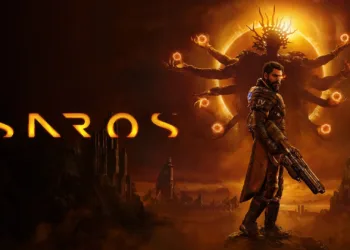
The timer starts the second the Pioneer opens their eyes in a cold, underground vault. This Skopje in 1983 feels like confinement made physical. A massive energy dome holds back the tide of mutants and locks you inside with them. Ana delivers instructions framed around survival, and the threat has a number attached: a nuclear strike arriving in seven days. Death resets the attempt. Each time you fall, you wake in the same facility and begin the cycle again. The repetition keeps the mystery of your identity and the catastrophe in the foreground.
The loop turns systems into story pressure. You gather clues by picking up fragments of a history that seems intentionally obscured. The setting carries a sense of deceit, and the 1983 backdrop gives the stakes a specific aesthetic weight. You function as a test subject moving through a maze the size of a city, trying to learn why the world ended while the nuke prepares to erase your work. The narrative leans on the countdown, forcing you to piece together the truth before the timer hits zero and the screen goes white.
Managing the DOM and Urban Scarcity
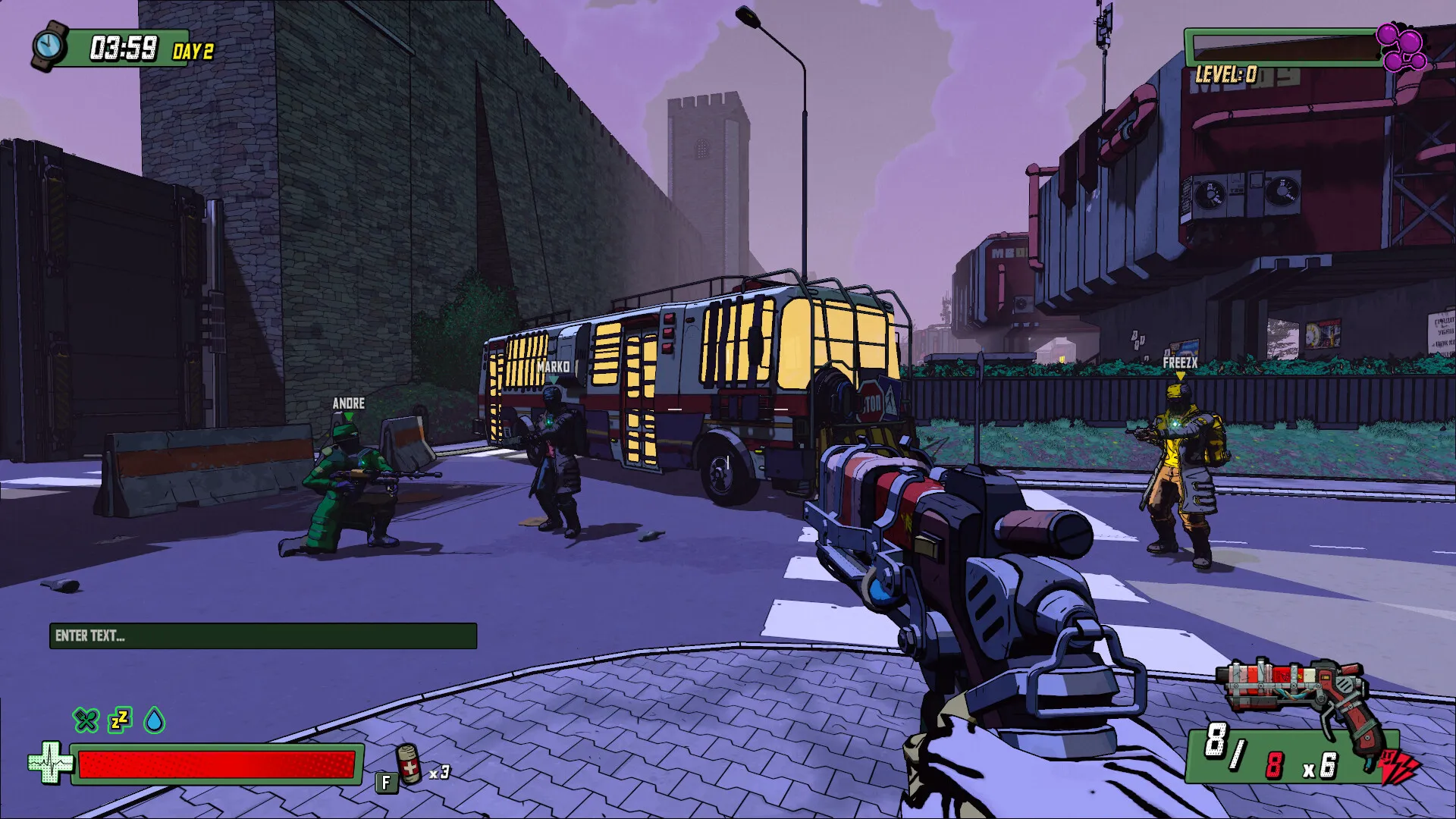
The DOM is your lifeline, a repurposed bus that doubles as sanctuary and crafting station. It offers a rare pocket of safety as you cross desolate streets, and the design lets you walk through the interior while the bus is in motion. Travel becomes preparation. You can sort supplies and plan routes between districts without stopping the run.
Outside the DOM’s metal walls, survival systems demand constant attention. Hunger, thirst, and sleep drain into penalties that reshape moment-to-moment play. Let the meters drop and your character suffers realistic consequences. Aim begins to shake, and mutant attacks deal significantly more damage. Basic maintenance becomes a heavy burden because the city makes replenishment hard. You can spend ten minutes searching a block of apartments and come away with a single bottle of water. The scarcity drives a steep difficulty curve from the start.
The seven-day loop dictates pace and priorities. Valuables stored inside the DOM persist into the next attempt, so each run asks you to think ahead. Every scrap of metal and every drop of water counts toward long-term survival, and the game pushes you toward storage over immediate consumption.
The reality of scavenging can feel frustrating. Large sections of the map look built for secrets, then offer empty rooms and silence. You are constantly weighing the risk of exploration against the reward of finding a single useful component for your gear. The routine becomes a daily accounting exercise, in line with indie survival structures that treat inventory management as the spine of the run.
Also Read




Combat Evolution and Team Coordination
Combat against mutant hordes requires precision and quick movement. You switch between melee weapons and firearms based on enemy density, and the movement system includes a double-tap mechanic that lets you dash away from lunging abominations. The fighting loop is functional, and the feeling of growth comes from progression systems layered on top of it.
Perks are earned by deactivating signal towers or finding glowing orbs hidden in the wreckage of the city. Perks fall into active and passive categories, and their utility can be hard to read in practice. Some bonuses feel minor and fail to create a noticeable shift in power during chaotic fights.
Lasting progression is tied to the workbench inside the DOM. Hard-won materials convert into better armor and weapon modifications, and these upgrades are vital because enemies grow more aggressive as the week progresses. The loop creates clear consequences for player choices. Time spent gathering and crafting early shapes how survivable the later days feel. Time spent pushing forward leaves you paying for it through harsher hits and tighter margins. It’s a familiar lesson in loop-based indie play: the run remembers what you built, even when the story resets your position.
Four-player co-op changes how you move through the city and highlights coordination hurdles. There are no name tags and no indicators showing ally positions. Staying together means opening the map frequently to verify where teammates are, and that check becomes a risky distraction when mutants close in. The interface makes teamwork feel disjointed. You can fight side by side and still feel isolated because the HUD provides no basic group-awareness tools. Cooperation becomes a test of verbal communication rather than visual coordination, and the lack of HUD support forces a different kind of tactical play.
Graphic Novel Aesthetics and Technical Friction
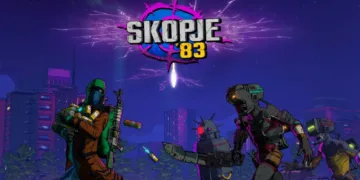
The game’s most striking feature is its visual identity. A bold comic-book aesthetic uses heavy outlines and a saturated color palette, capturing the energy of a graphic novel. It makes the ruined streets of Skopje stand apart from other post-apocalyptic titles and gives each return to the city a sharp, consistent texture.
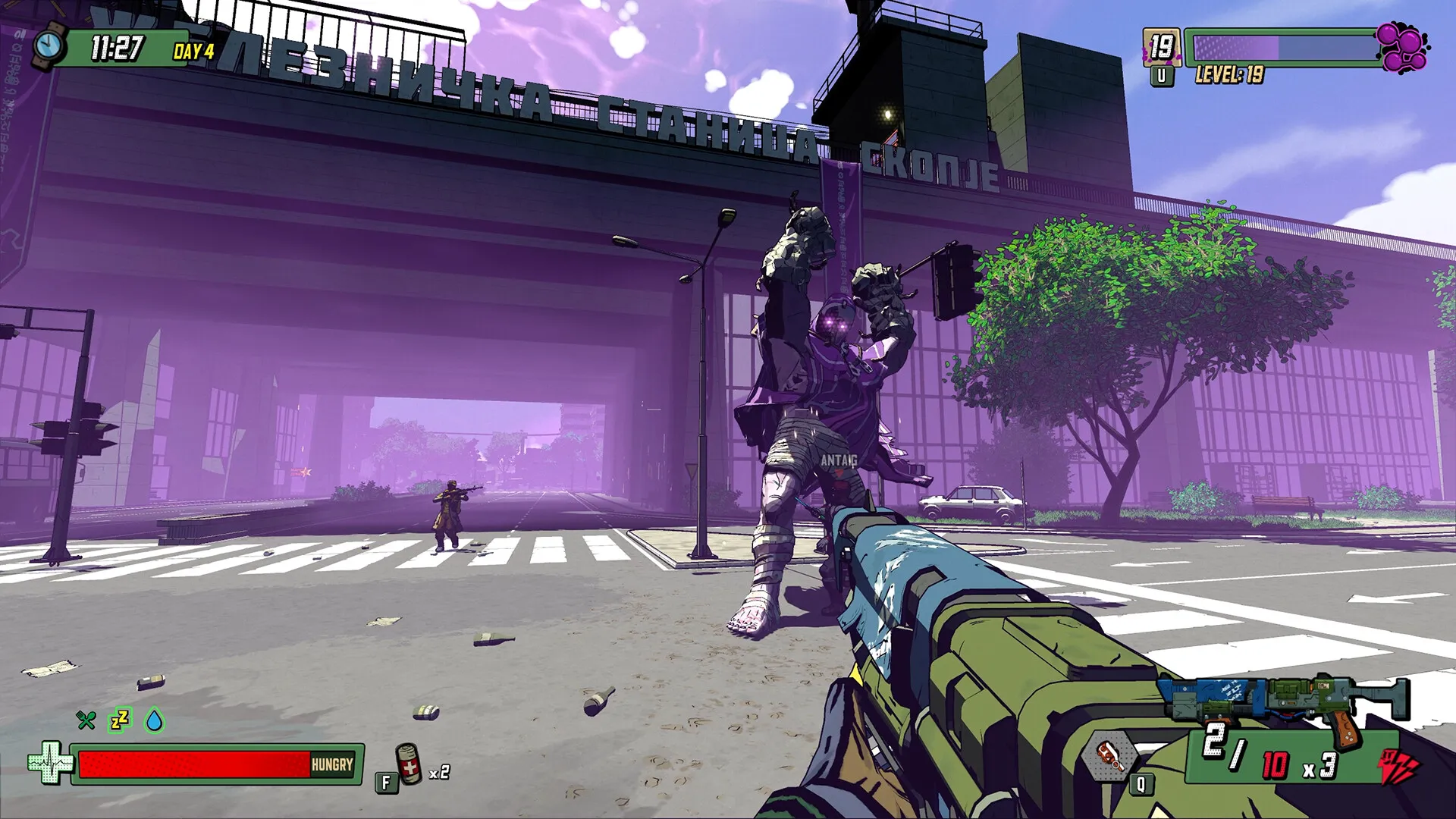
On PC, the game offers a range of settings, yet performance varies. Frame rate drops appear in certain districts, and maintaining a smooth experience can require lowering quality options. That inconsistency sits beside a hands-off approach to guidance. Once you leave the initial tutorial facility, the game provides no objective markers and no glowing paths. You rely on intuition to locate key buildings or resources, a pattern that lines up with indie survival design that expects players to learn through repetition and memory.
Audio reinforces isolation. Music shifts from a low, creeping drone during exploration to higher-intensity tracks once combat begins. Over longer play sessions, repetition becomes noticeable. Sound loops recur and voice lines repeat frequently, and the pattern can stand out during extended sessions.
Technical friction shows up in physics and in the save model. Drive the DOM into a mutant and the impact produces an abrupt halt, with the bus reacting like it hit reinforced concrete instead of a fleshy creature. The lack of physical weight breaks immersion in a heavy vehicle. The save system is restrictive. You cannot save in the middle of a run, so each attempt demands a full session commitment or acceptance that your current effort will be lost. That limitation creates real-world pressure alongside the seven-day timer.
The Review
Skopje '83
Skopje '83 presents a striking visual identity and a high-stakes premise. The loop creates a palpable sense of dread. Unfortunately, the severe lack of resources and technical friction make progress feel like a slow grind. The absence of clear objectives leaves players feeling lost after the initial start. While the mobile base offers a smart hub for progression, the flaws in combat feedback and technical polish hold it back. It remains a rough experience for dedicated fans of the genre.
PROS
- Visuals inspired by graphic novels.
- Innovative mobile base system.
- Tense seven day countdown.
- Cooperative play for four people.
CONS
- Punishing resource scarcity.
- Missing objective markers or guidance.
- Janky physics and collision issues.
- No mid session save feature.