





















Toronto 20XX sets the stage for this brawler. Scott’s band, Sex Bob-omb, is getting ready for a major show when Metal Scott enters the picture. The villain looks like he stepped out of Mega Man X, and he wastes no time kidnapping the rest of the band and taking their instruments.
Scott escapes that first hit and ends up working with Ramona Flowers. Four former enemies, the Evil Exes, join them in an effort to save the city. Multiversal portals send the cast across different points in time and space, giving the story a framework that pulls enemies and allies into the same fight.
The plot stays centered on the rescue mission, which keeps the action moving and gives the characters a personal reason to push forward. Toronto 20XX has a futuristic look with a strong sense of nostalgia, and that mix gives the chaos a memorable setting.
Fighting Archetypes and Tactical Combat
The roster includes seven playable characters, and each one fits a familiar fighting game role. Scott is the balanced pick, built like an all-rounder with moves that recall Ryu from Street Fighter. Lucas Lee fills the grappler slot. He is slower than the others, yet his throws and skateboard attacks hit hard. Robot-01 handles zoning duties by controlling space with grenades and bombs. Matthew Patel works like a puppet fighter, calling in allies to attack on command. That structure gives the cast clear identities from the start.
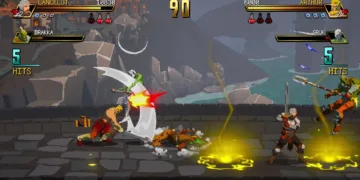
The combat itself feels quick and polished. It runs with a smoother rhythm than the 2010 game, and that change shows up right away in movement and attack flow. Players chain together light and heavy attacks, with light strings supporting combos and heavy hits creating stun openings.
Defense has a solid place in the system through blocking and spot dodges, while parries and wakeups give skilled players extra tools to manage pressure. The result is a combat model with enough depth to reward practice without making the basics hard to grasp.
Special actions run through the Guts Points system. GP fuels super moves that let players avoid damage, and it also powers equippable assists. Young Neil can clear the screen with a stampede, while Ramona’s cat Gideon circles around the fight and lands extra hits.
Those additions help each character feel distinct in action, not just in concept. The game rewards experimentation, and that makes team selection in co-op feel meaningful. Streets of Rage 4 still has a deeper combat ceiling, yet this system finds a satisfying pace of its own. Responsive movement and strong combat flow make the busiest fights easy to enjoy, and each character gives players a different lens on the same mechanics.
An Interconnected City Filled with Nostalgia
Toronto works as an interconnected city map instead of a straight line of stages. That choice changes the feel of the game in a major way. Players travel between districts, hunt for secrets, and pick up side missions that range from smashing barrels to collecting coins under a time limit. Exploration matters here because the city is built to be learned. Moving through different areas creates a stronger sense of place than a standard beat ’em up structure usually provides.

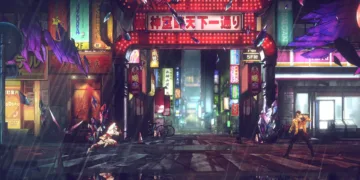
The visual design leans on detailed pixel art and smooth animation. At its best, that style gives the world a lot of personality. There are moments where the flat perspective creates readability issues, and those can get in the way during busy scenes. Even so, the art direction does a lot of work in building the game’s identity. The soundtrack from Anamanaguchi, built from chiptune pop and garage rock, supports that identity well and keeps the tone lively.
The city is packed with retro nods. Checkpoints resemble ones from Sonic the Hedgehog. Casa Vania points straight at Castlevania. Some enemies look like legally distinct piranha plants. Certain ninjas use chains that yank players forward in a way that recalls Scorpion from Mortal Kombat. Shops like Cold Topic and Lord Burger’s Burger Fort add to the joke-heavy atmosphere, and a rental store called Army of Bones keeps that streak going.
These details give the world texture and make exploration feel rewarding. Areas like the distillery district and the beach help the city stay visually fresh, while hidden portals give players one more reason to keep searching. Toronto ends up feeling active and memorable, with enough personality to leave a lasting impression.
Progression Systems and Structural Flaws
Character progression follows an RPG model. Enemies drop coins, and those coins can be spent in shops on four core stats. Strength raises attack damage. Vitality increases health. Willpower improves assist attacks. Agility changes speed and critical hit chance.

Permanent upgrades also come from items such as food and video tapes. Equipment adds more room for customization, with badges like Big Nickel boosting money drops and the Wallace plushy restoring GP during fights. These systems are easy to understand, and co-op handles some of them in a user-friendly way since equipment unlocks for the whole group when one player buys it. Video tapes stay tied to the individual character who purchased them.
The campaign structure creates a few problems. Mission design leans heavily on fetch quests, and that leads to a lot of backtracking for items like bombs or songs. That repeated movement slows the pace and makes parts of the adventure feel stretched. The difficulty curve also has trouble holding steady. Early stat purchases can make characters far too strong, which turns many fights into button-mashing exercises instead of tactical encounters.
The checkpoint system adds another source of friction. Death can send players back to the start of an earlier area, and coins are lost in the process. Health stays low after respawning, which can trap players in a rough cycle where recovery becomes harder with each mistake. A train racing minigame is entertaining the first time through, though repeated failures make it wear out its welcome. These structural issues affect the flow of the campaign in noticeable ways.
There is still a decent amount of replay value. Different character endings give players reasons to return, and the roster itself supports multiple runs with different approaches. Even so, the challenge balance weakens once fighters are fully upgraded, and the absence of a separate arcade mode leaves the endgame with fewer options than it could have had.
The Review
Scott Pilgrim EX
Scott Pilgrim EX succeeds as a mechanical refinement of its predecessor. The diverse combat styles and RPG growth provide depth that keeps the brawling engaging. While the open world structure introduces tedious backtracking and mission repetition, the bright pixel art and soundtrack sustain the experience. The balancing allows players to become powerful quickly. This diminishes the challenge in the final hours. It remains a polished entry in the genre with clear structural flaws.
PROS
- Diverse fighting styles
- Excellent soundtrack
- Smooth combat
- Rewarding growth systems
CONS
- Repetitive fetch quests
- Backtracking
- Inconsistent difficulty scaling
- Punishing checkpoints