


























The global streaming ecosystem thrives on the perpetual extraction of intellectual capital, transforming closed narratives into infinite loops of content. The latest expansion of the Money Heist universe, Berlin and the Lady With an Ermine, operates precisely within this framework of creative asset management.
Directed by Álex Pina and Esther Martínez Lobato, this production orchestrates a total displacement of its signature white-collar criminal activity, lifting the sleek, rain-slicked visual motifs of Paris and depositing them into the intensely sun-bleached, romanticized environments of Seville. The franchise’s narrative focus shifts toward a deeply personal, vanity-fueled confrontation with the remnants of traditional European wealth.
The Mediterranean operation revolves around Andrés de Fonollosa, the sophisticated thief universally known as Berlín, who arrives in the southern Spanish city alongside his long-standing ideological counterweight and logistics coordinator, Damián Vázquez.
Their plans for a self-directed, highly meticulous criminal operation are immediately compromised by an unexpected third party. The narrative engine ignites when they encounter the arrogant aristocrat Álvaro Hermoso de Medina, the Duke of Málaga, who discovers their presence and deploys his immense institutional leverage to blackmail them into performing a bespoke crime.
The Duke demands the theft of Leonardo da Vinci’s iconic masterpiece, The Lady with an Ermine, scheduled to arrive in Seville for a heavily publicized cultural exhibition. This demand triggers a massive psychological shift in the protagonist. For a character defined by a deeply theatrical sense of personal sovereignty, operating as a hired hand for an aristocrat constitutes an intolerable insult to his criminal artistry.
Berlín abandons the arrangement entirely, choosing to ignore the da Vinci painting and constructing an elaborate, highly retaliatory counter-strategy designed to infiltrate, expose, and completely empty the billionaire’s heavily guarded private subterranean art sanctuary, transforming a standard robbery into a calculated act of class-conscious vengeance.
The Subversion of Tension for Passive Viewing
The structural layout of this season offers a clear, highly visible manifestation of contemporary television trends: the deliberate cultivation of background programming tailored for the multitasking streaming consumer. The early iterations of the parent franchise generated an almost suffocating sense of political and physical claustrophobia. This prequel series moves in a decisively different direction, one calibrated to the fragmented attention spans of the modern streaming audience.
The literal, step-by-step mechanics of breaking into a reinforced bunker are systematically treated as a secondary concern. Detailed planning sequences, architectural deep-dives, and the genuine threat of state surveillance operate as an intermittent backdrop across the eight-episode run, routinely fading from view to accommodate a sprawling network of domestic and romantic entanglements.
By discarding the socio-political critique that anchored the original revolution of the red jumpsuits, the show pivots completely into the stylistic territory of romantic farce and high-gloss soap opera. Emotional volatility, petty relationship anxieties, and volatile outbursts among crew members fully supplant the existential stakes of facing an armed police force.
This specific choice introduces massive narrative bloat, aggressively stretching a narrative premise that could easily have been resolved in half the time across eight hours of television. The story lines become heavily fragmented, with the core tension of the heist constantly halting to allow for long stretches of interpersonal dialogue that do little to drive the primary plot.
This structural fragmentation is exacerbated by a highly specific script choice that actively prioritizes overt, auditory explanations over visual revelation. In what appears to be a direct response to modern viewing habits where audiences frequently look away from the screen, the characters spend an enormous amount of time explicitly stating their internal states, summarizing recent plot events, and verbally explaining their precise motivations.
The fundamental cinematic principle of show-don’t-tell is completely inverted throughout. The narrative relies heavily on spoken summaries, forcing the dialogue to carry the weight of character development that should have been conveyed through physical action or nuanced visual framing, treating the visual medium as an audio-only experience.
Performative Rebellion and the Fractured Ensemble
The cultural currency of the production depends entirely on the performative dynamics of its ensemble, which attempts to reconcile archaic criminal archetypes with modern, emotionally volatile sensibilities. Pedro Alonso commands the screen with total narrative authority, leaning heavily into his signature portrayal of the eccentric lead character.

His performance is a study in calculated vanity, utilizing florid, highly theatrical monologues to dominate both his crew and his aristocratic opponent. This specific brand of performative rebellion forms the foundation of the character’s appeal, offering audiences a highly stylized version of anti-authoritarianism that values personal style and grand gestures far above coherent ideological goals.
This masculine dominance faces a sharp challenge with the introduction of Candela, played with exceptional physical energy by Inma Cuesta. She enters the story line as a highly chaotic, extraordinarily skilled romantic foil who subverts the traditional gender expectations of the genre. Her screen presence blends exceptional pickpocketing agility with a volatile, unhinged willingness to deploy heavy firearms, effectively disrupting the highly structured patriarchal order that Berlín attempts to maintain within his circle.
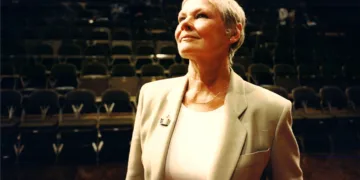
Opposing this criminal collective, José Luis García-Pérez delivers a deeply resonant, theatrical performance as the Duke of Málaga. His deep, imposing vocal delivery creates an ideal linguistic counterweight to the protagonist’s high-register monologues, representing the immovable wall of generational privilege and institutional power.
The returning supporting crew is completely defined by internal fractures and domestic distractions that constantly threaten to derail the operation. Damián is depicted dealing with the harsh, highly unglamorous reality of a sudden mid-life divorce, a plot point that grounds his character in a distinct form of domestic melancholy.
Beneath him, the younger operatives are entirely consumed by unstable relationship dynamics: Bruce and Keila wrestle with severe communication barriers and trust issues in their brand-new relationship, while Roi and Cameron remain completely trapped in the emotional fallout of their recent breakup, turning the shared spaces of the criminal safehouse into a venue for constant romantic negotiation.
Postcard Aesthetics and Kinetic Distraction
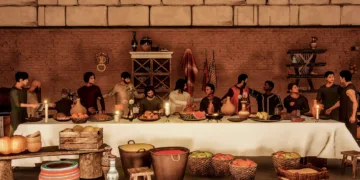
From a purely technical perspective, the visual construction of the series provides a precise example of how streaming platforms package regional spaces for an international audience. The city of Seville is subjected to an intense process of aesthetic sanitization, where its ancient streets, historical plazas, and sprawling rooftop terraces are treated exactly like the backdrops of a high-end luxury travel commercial.

The camera carefully avoids any elements that might disrupt this pristine, highly romanticized vision of southern Spain, presenting a manufactured landscape optimized for immediate visual consumption, an environment constructed for the international gaze and stripped of the social and human textures of a place where people actually live and work.
To sustain this postcard aesthetic across eight episodes, the cinematography relies on a highly saturated color palette dominated by intense warm tones and aggressive visual contrasts. The camera is kept in a state of perpetual, unmotivated motion, drifting lazily through spaces and tracking characters through immaculate interiors to maintain a high level of superficial visual interest.
This constant movement works alongside an incredibly fast-paced, hyper-kinetic editing style. The planning sequences and transition scenes are filled with rapid cuts, sudden split-screens, and stylized musical montages that attempt to manufacture an artificial sense of urgency and adrenaline, compensating for the lack of genuine dramatic tension in the underlying script.
This reliance on decorative surface sheen routinely replaces actual narrative progression, yet it occasionally yields moments of genuine technical success. The absolute peak of the show’s visual ambition occurs during the elaborate finale sequence on the Triana Bridge. Here, the direction finally abandons its superficial tourist gaze to engage directly with the physical architecture of the city.
The bridge functions as an active, highly dynamic participant in the chase, with editing rhythm and camera placement aligning perfectly with the genuine physical danger of the moment, demonstrating how powerful the visual language of the franchise can be when it prioritizes genuine spatial tension over pure aesthetic distraction.
Berlin and the Lady With an Ermine premiered globally on May 15, 2026. Audiences can stream the entire eight-episode season exclusively on Netflix, where the narrative functions as a standalone chapter exploring the golden years of the titular white-collar criminal before his iconic involvement with the Royal Mint of Spain.
Where to Watch Berlin and the Lady With an Ermine Online


Full Credits
Title: Berlin and the Lady with an Ermine
Distributor: Netflix
Release date: May 15, 2026
Rating: TV-MA
Running time: Approximately 45 to 60 minutes per episode
Director: Albert Pintó, David Barrocal, Geoffrey Cowper
Writers: Álex Pina, Esther Martínez Lobato, David Barrocal, David Oliva
Producers and Executive Producers: Álex Pina, Esther Martínez Lobato, Jesús Colmenar
Cast: Pedro Alonso, Michelle Jenner, Tristán Ulloa, Begoña Vargas, Julio Peña, Joel Sánchez, Inma Cuesta, José Luis García-Pérez, Marta Nieto
Director of Photography (Cinematographer): Miguel Ángel Amoedo, David Azcano
Editors: Luis Miguel González Bedmar, Miguel Burgos
Composer: Lucas Peire, Frank Montasell
The Review
Berlin and the Lady With an Ermine
The production delivers a slick, highly polished exercise in episodic distraction that relies on style over structural substance. By prioritising soap-opera romance and constant spoken descriptions over authentic heist tension, the narrative struggles to justify its expanded runtime. It functions perfectly well as glossy background viewing, but it lacks the genuine cinematic stakes that made the parent series a global phenomenon.
PROS
- Pedro Alonso provides an incredibly charismatic and theatrical central performance.
- Inma Cuesta serves as a highly dynamic, physically commanding romantic foil.
- The visual presentation of Seville offers beautiful, high-contrast imagery.
- The climactic Triana Bridge set-piece delivers genuine spatial tension and action.
CONS
- The central heist plot is repeatedly sidelined for low-stakes relationship drama.
- The writing suffers from heavy narrative bloat across the eight episodes.
- Characters constantly verbalize plot details rather than letting the visuals tell the story.
- The depiction of Seville feels superficial, resembling a luxury travel commercial.