

















A24’s Backrooms, directed by 20-year-old Kane Parsons and adapting his creepypasta web series of the same name, opened to between $85 million and $88 million domestically this weekend — more than triple A24’s previous opening record, held by Alex Garland’s thriller Civil War. Meanwhile, Focus Features’ Obsession, the debut feature of 26-year-old YouTube sketch comedian Curry Barker, posted the smallest second-weekend drop in history for a horror film playing in more than 2,000 theaters, climbing 39.3% over its opening.
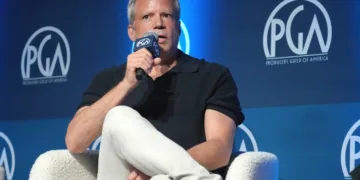
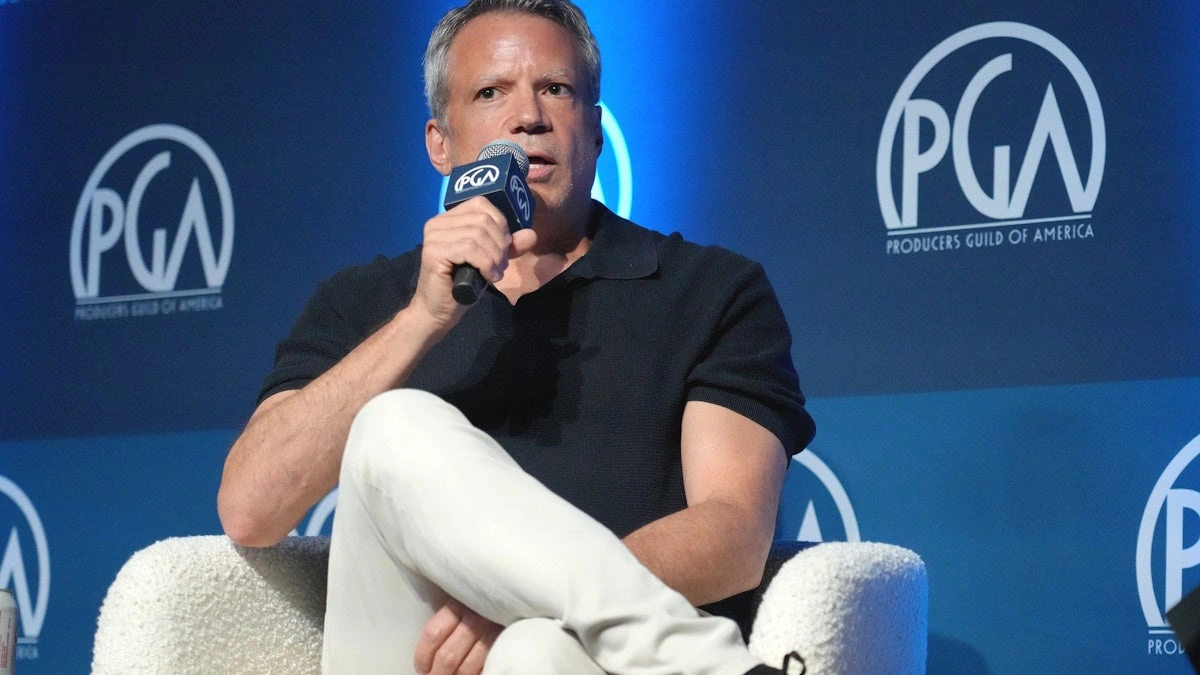
Warner Bros. Pictures chief Mike De Luca argued Saturday at the Produced By Conference that both directors’ unconventional paths to Hollywood are precisely why their films work. “These filmmakers are in a dialogue with their audience from the word ‘go,'” De Luca said. “Their subscribers have direct input in each iteration of these things.”
De Luca pointed to crumbling barriers as the engine driving the shift. Filmmaking tools have gotten cheap enough that talent no longer needs a studio development deal or a film school pedigree to get noticed. “YouTube and TikTok and Instagram are where oncoming talent is,” he said. “Honing their craft and not having to go to film school, not having to get into some dance.” He singled out producer James Harris, who discovered Barker by watching his short films online. “Good for him for getting to that guy first,” De Luca said. “But that’s available to all producers.”
Parsons created a popular web series called Backrooms about a fictional research group exploring eerie liminal spaces, working on it for five years before A24 brought it to the big screen with a cast including Chiwetel Ejiofor, Renate Reinsve and Mark Duplass. Barker shot Obsession in just 20 days on a $750,000 budget; Focus Features acquired it at the Toronto Film Festival for $14 million after studios entered a bidding war following its premiere.
Blumhouse chief Jason Blum, whose company produced Obsession, told the same conference that both films represent a new kind of filmmaking — edgy, creator-driven work built for theatrical audiences who grew up online. “So many young people grew up in a time when they couldn’t go to the movies, and they haven’t had something made for them that gets them off their iPad and into theaters,” Blum said.
De Luca offered the same historical parallel. “A little bit like the 70s,” he said, “the writer-director is the star again — which I think is fantastic.”