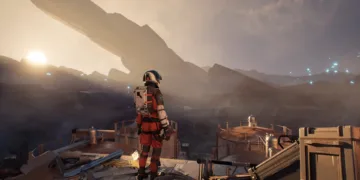



















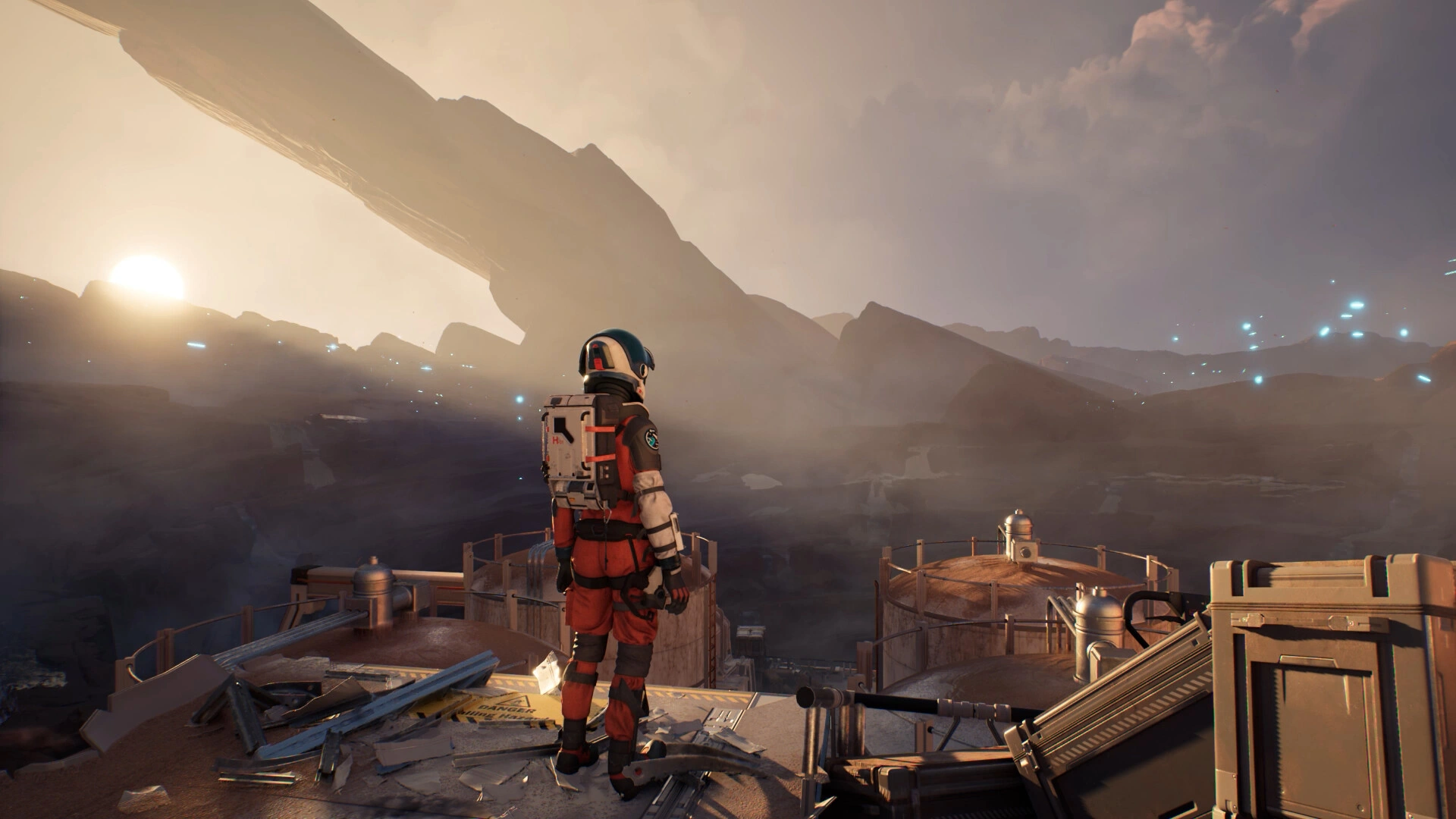

Persephone sits in silence, a world of bone and ice at the farthest reach of the solar system. In 2062, this ninth planet carries the last remaining hope for a species that has spent every option on Earth. The mission is built on survival, stripped of romance and victory language. Scientists Ariane Montclair and Thomas Cross arrive through disaster: tearing metal, impact, and a sudden hush after their ship breaks apart during entry.
The crash divides them. It places each survivor in a landscape untouched by human warmth, and that separation becomes the core system driving the experience. You move between their perspectives as they try to reach each other across frozen plains. The distance has a mechanical weight and an emotional cost.
Persephone plays an active role in that struggle. Its cold surfaces hold the lore, while thin radio signals carry the immediate promise of hope. The design ties survival, perspective switching, and narrative pressure into a clear loop: endure long enough to keep the other person alive in your mind. The result is a story about human persistence in a place where the stars feel impossibly remote.
The Human Element of Orbital Science
Vanessa Dolmen and Eric Geynes give Ariane and Thomas the human charge the narrative needs. Their performances spend long stretches in isolation, with the characters speaking to themselves and to empty air. These scenes create intimacy. They expose the fractures beneath the professional discipline of two scientists trained to stay rational under pressure.
Ariane and Thomas share a past marked by unresolved tension, which turns their need to reunite into an emotional objective with personal force. They never feel like polished heroes from large budget cinema. They feel scared, exhausted, fallible, and painfully ordinary. That vulnerability gives the survival loop its power. Every radio exchange and every silent stretch reminds the player that reaching the next checkpoint means protecting a person, not clearing a task.
The European Space Agency worked with the developers on a world that feels scientifically credible. Environmental physics read as convincing. The equipment feels used, practical, and built for function. This realism makes Persephone’s mysteries sharper. The Source moves through the environment as a strange energy, and the characters try to interpret its behavior through scientific theory.
The Nemesis belongs to this ecosystem as a predator formed from living water. It has no eyes and hunts through sound. That rule turns stealth into narrative design. The planet is quiet, so the player learns to treat quiet as a survival tool. A careless step carries a direct consequence: the creature can find you. The grounded science makes the Nemesis feel like a natural hazard born from this cold world. It is a physical danger with rules the characters can study, fear, and outthink.
Structural Fractures in Survival Systems
The gameplay splits into two paths that match the bodies and circumstances of Ariane and Thomas. Ariane functions as the agile explorer. She uses climbing tools to scale frozen cliffs, slides through tunnels, and relies on a hook to cross wide gaps in the ice. Her movement asks for precision and momentum. Electromagnetic storms interfere with her gear, forcing careful pathfinding through unstable terrain.
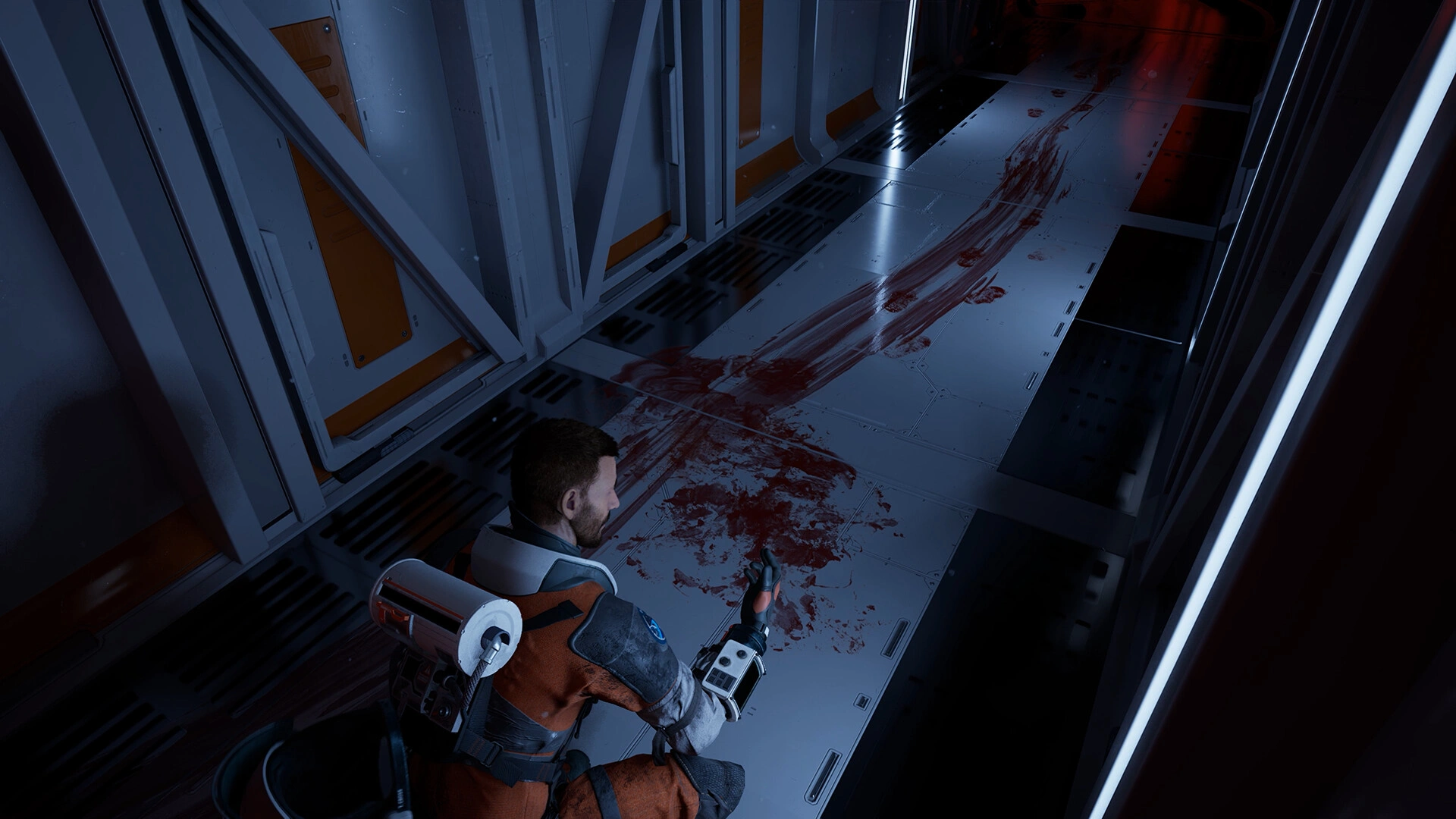
Her sections combine climbing with stealth, and the Nemesis changes the rhythm the moment it enters the space. Movement slows to a crawl. The player must walk carefully to keep noise low. The system is simple, readable, and dependent on sound design. Each footstep on frozen ground has meaning because the mechanic makes listening part of survival.
Thomas has a harsher path. He is badly injured after the crash and moves with a slow limp. His leaking suit adds pressure through an oxygen timer, turning exploration into resource management. Oxygen tanks hidden in the world become temporary lifelines. His mechanical tether lets him pull down wreckage and open doors, giving his side of the experience a heavier, more laborious feel.
He also searches for data logs from an earlier mission, and those records explain what happened to Persephone before Ariane and Thomas arrived. His sections bind story collection to bodily collapse. The player is reading the planet’s past while watching Thomas run out of time. His goal remains simple and painful: find Ariane while his own body is failing.
Technical problems weaken the flow of these systems. Platforming controls can feel clumsy. Ariane sometimes misses a ledge that appears reachable. Bugs can send characters through the ground or trap them inside walls. A jump may leave someone suspended in midair.
Invisible walls frequently restrict exploration of the wider landscape. These issues appear often enough to make movement feel unfair. Across a mission lasting about ten hours, that friction grows heavy. The story gives the player a strong reason to continue, and the mechanics still need polish to match the emotional force of the premise.
The Sonic Weight of a Frozen World
The visuals stand out as one of the mission’s strengths. Persephone feels tangible. Snow and ice carry a high level of detail, and light across frozen surfaces looks convincing. Facial animation captures small shifts in the actors’ expressions, making fear and pain visible in their eyes and faces. Lighting reinforces scale across the open terrain, then tightens the mood inside small caves, where the space feels cramped and threatening.
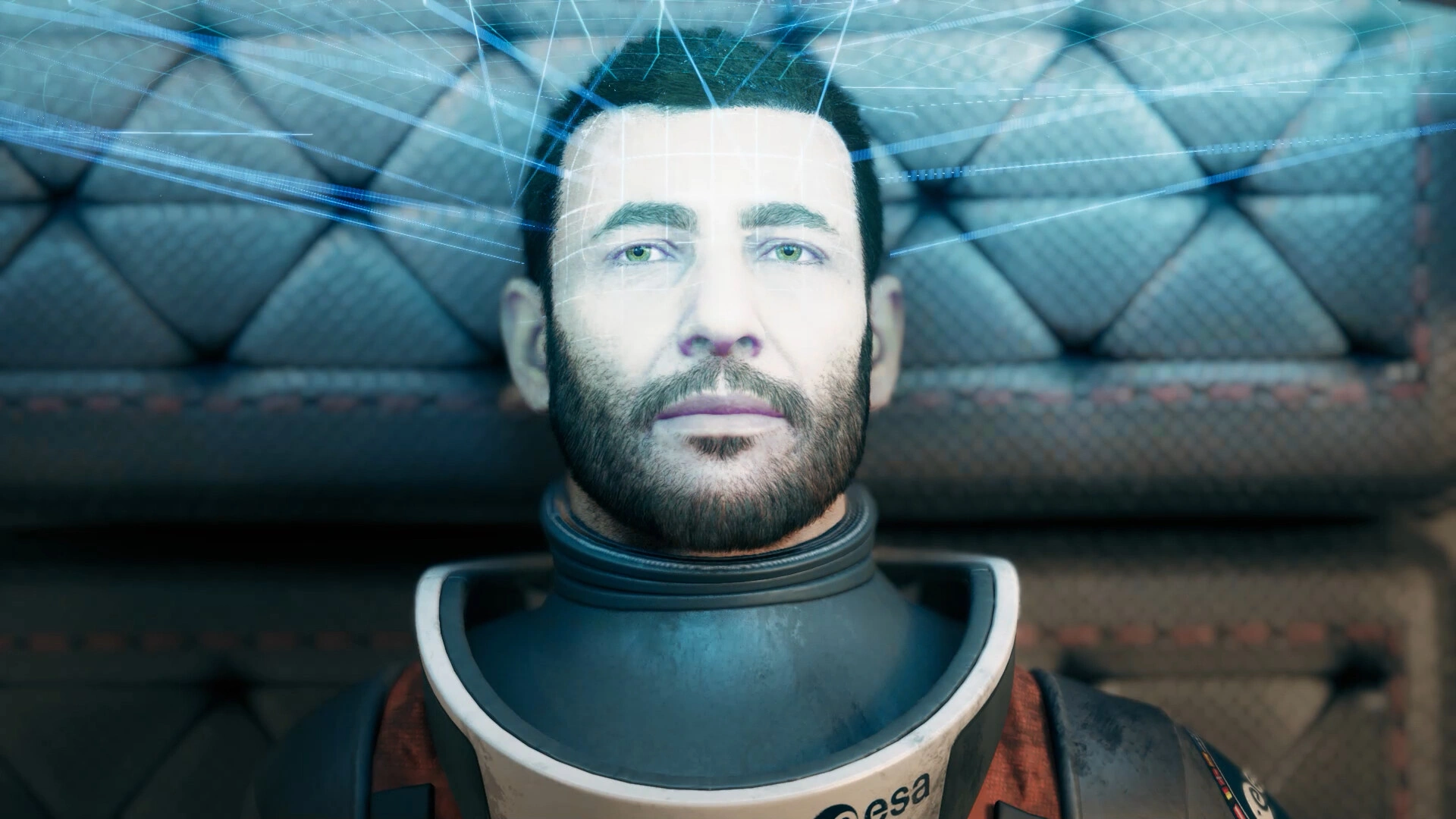
Audio carries equal weight. Amine Bouhafa’s score uses grand organ and strings to create a heavy musical identity for the world. The crystal baschet gives the soundtrack a metallic, alien texture that supports the feeling of being stranded on a strange planet. Environmental sound is excellent. Snow crunches underfoot. Ice cracks as characters move across it. These details make the cold feel physical.
The Nemesis announces itself through clicks and splashes, sounds that train the player to freeze before the creature arrives. Audio and visuals work in tandem to build mood, while the cinematics keep the story moving with clear dramatic force.
The atmosphere keeps its grip during rough gameplay stretches. The player keeps pushing forward because Ariane and Thomas feel worth saving. High production values give the experience the texture of a polished science fiction film.
The Review
Aphelion
Aphelion is a striking narrative achievement that suffers from technical instability. The emotional weight of the story and the scientific realism provide a strong foundation. Movement mechanics and glitches occasionally disrupt the experience. The atmospheric soundscape and visual fidelity remain impressive. It is an experience defined by its characters and their struggle against an indifferent world. Technical flaws prevent it from reaching its full potential. The narrative depth makes it worth playing for fans of the genre.
PROS
- Exceptional voice acting and character depth
- Photorealistic visuals and alien landscapes
- Immersive, science-grounded narrative
- Distinctive and haunting musical score
CONS
- Unresponsive platforming controls
- Frequent technical glitches and clipping
- Restrictive invisible walls
- Pacing issues in survival segments