





















![Kingdom Hearts Collection [I-III] Review](https://gazettely.com/wp-content/uploads/2026/10/Kingdom-Hearts-Collection-I-III-1-360x180.webp "Kingdom Hearts Collection [I-III] Review: KHII Holds Steady as Newer Entries Fluctuate 33")






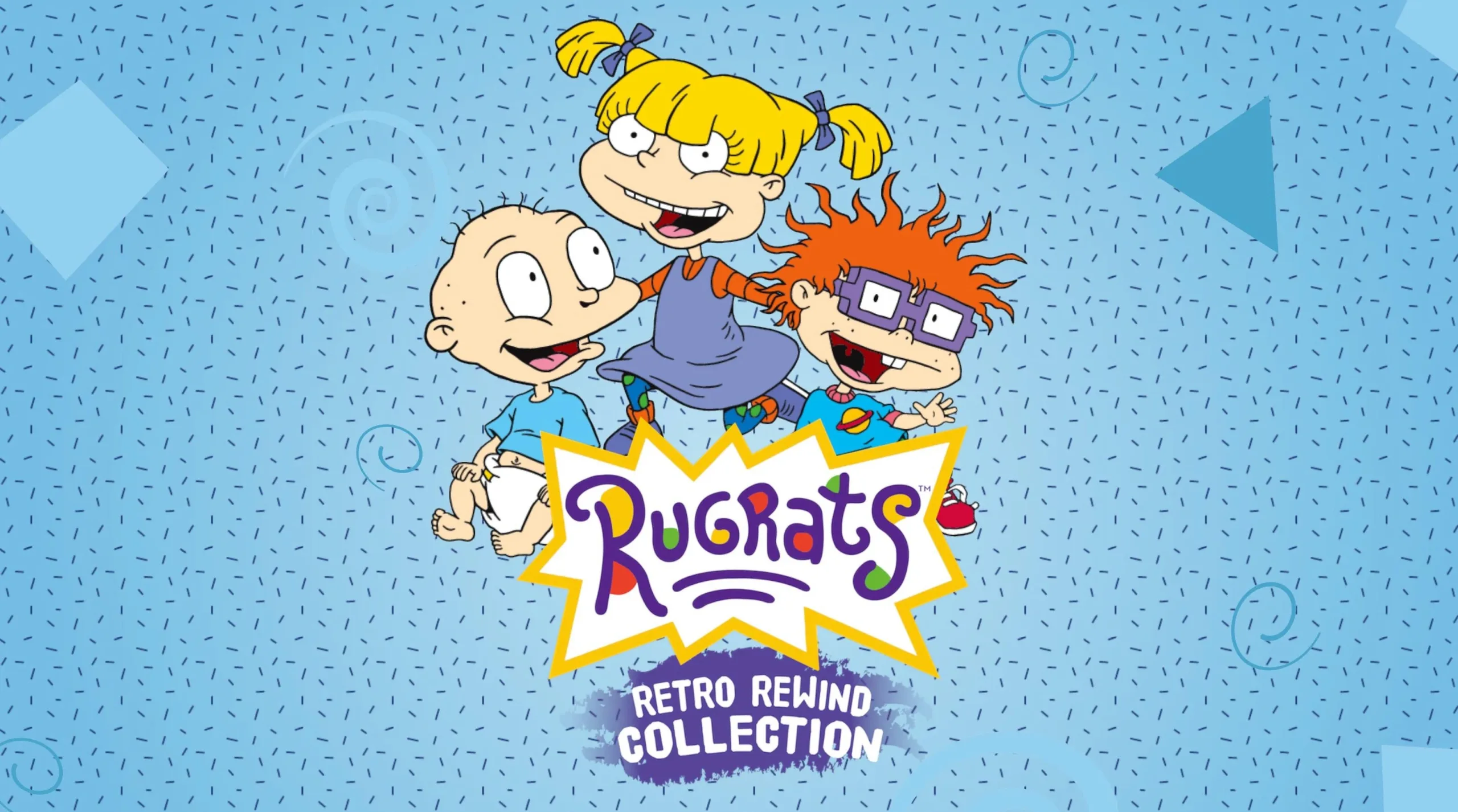

The Rugrats: Retro Rewind Collection arrives as a collaborative release from Mighty Rabbit and Limited Run Games, bringing seven vintage games based on the Nickelodeon animated series to modern platforms. The anthology covers home console and handheld history, giving players a structured look at how Rugrats moved across different hardware generations.
The 3D home console group includes Rugrats: Search for Reptar, Rugrats: Studio Tour, and Rugrats in Paris: The Movie. The package pairs those with four portable 2D games: Rugrats: The Movie for Game Boy and Game Boy Color, Rugrats: Time Travelers for Game Boy Color, a handheld version of Rugrats in Paris, and Rugrats: Castle Capers for Game Boy Advance. The collection functions as a digital time capsule for adults who grew up with the franchise during the late 1990s and early 2000s, preserving the original code at higher output resolutions.
Unpolished Code and Emulation Rough Edges
Launching the 32-bit home console games makes their technical age immediately visible on modern high-definition displays. The original assets remain untouched, which exposes jagged geometric edges, obvious model clipping, and unsealed polygons that split apart during movement. Environmental textures look blurry and muddy, closer to an untuned television signal than clean modern geometry.
Dedicated fan emulation tools often smooth older games with cleaner rendering; this official emulation runs with highly inconsistent frame rates. The 2D handheld entries handle upscaling with far fewer problems. Their sprite work looks sharper, and the visuals scale cleanly without the blank-eyed distortion that affects the 3D baby models.
The audio presentation shows the same lack of technical care. Erratic sound mixing makes background music jump in volume as players move between rooms or levels. The sound design also leans on repetition. Short tracks loop constantly, and the same character voice lines repeat during play until they become abrasive. The sound effects add to that irritation, especially the loud dinosaur roar that triggers every time a player collects a Reptar bar. The collection also lacks subtitles, which makes the muddy, poorly compressed voice tracks harder to follow.
Technical glitches appear often enough to disrupt play. Enemies walk through open air, and severe screen warping twists environmental textures into a queasy mess. The presentation wrapper feels unfinished too. The options screen uses an intrusive, overly loud menu narrator who shouts the same phrase every time the player opens it, adding needless frustration to a collection already marked by its raw state.
Sandbox Collectathons and Restrictive Side-Scrollers
Search for Reptar and Studio Tour share a 3D engine built around a kid-friendly version of late 1990s platforming in the style of Spyro the Dragon. These games function as small collectathons where players explore hub spaces, including a detailed recreation of the Pickles household, then enter individual stages modeled after classic television episodes. Severe mechanical problems quickly weaken that appealing structure.
The camera sits too close, behaves erratically, and can cause motion sickness during tight maze sequences. Stiff movement, heavy input lag, and imprecise jumping turn late-game platforming into a frustrating test of patience. Several tutorials also contain broken or incorrect button prompts that mislead the player.
The strongest design feature in the 3D titles is the variety of creative minigames. The adventure mini-golf modes are simple and engaging, with levels built around oversized household items such as giant bars of soap and rotating windmills.
Studio Tour also includes Pac-Man-style golf cart collection stages where characters use flashlights to fend off enemies while gathering resources under a strict time limit. A karate dojo stage adds another memorable idea, placing a toddler in martial arts encounters against wooden targets.
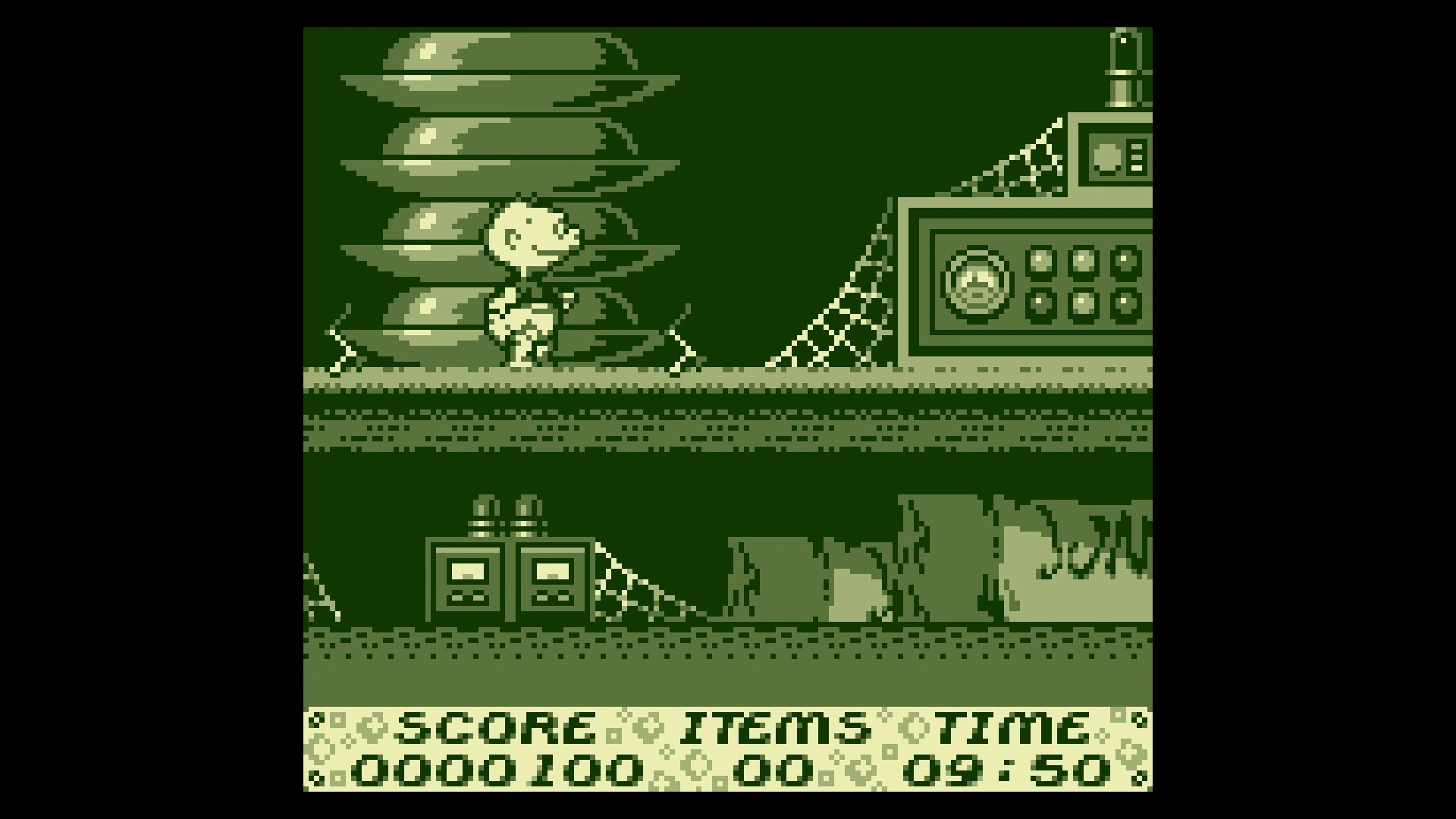
The 2D handheld group sits at a lower design tier, especially across the three Game Boy Color entries. These games use a restrictive 10:9 aspect ratio that limits forward visibility and leaves players unable to prepare for incoming hazards. They also use a punishing damage system that scatters every collected inventory item across the screen after a hit.
Rugrats: Castle Capers for Game Boy Advance stands as the portable lineup’s clear standout. The stronger 32-bit hardware supports smoother controls, brighter visuals, a wider 3:2 aspect ratio that improves visibility, and a fairer inventory system that keeps players from losing items after environmental damage.
Archival Tools and Virtual Museum Features
The developers include standard emulator-level tools that make late 1990s design frustrations easier to manage. Instant save states and a ten-second rewind buffer give players a useful safety net. This mechanics-focused feature directly reduces irritation from slow jump inputs, unresponsive controls, and sudden difficulty spikes, since players can erase execution mistakes quickly.
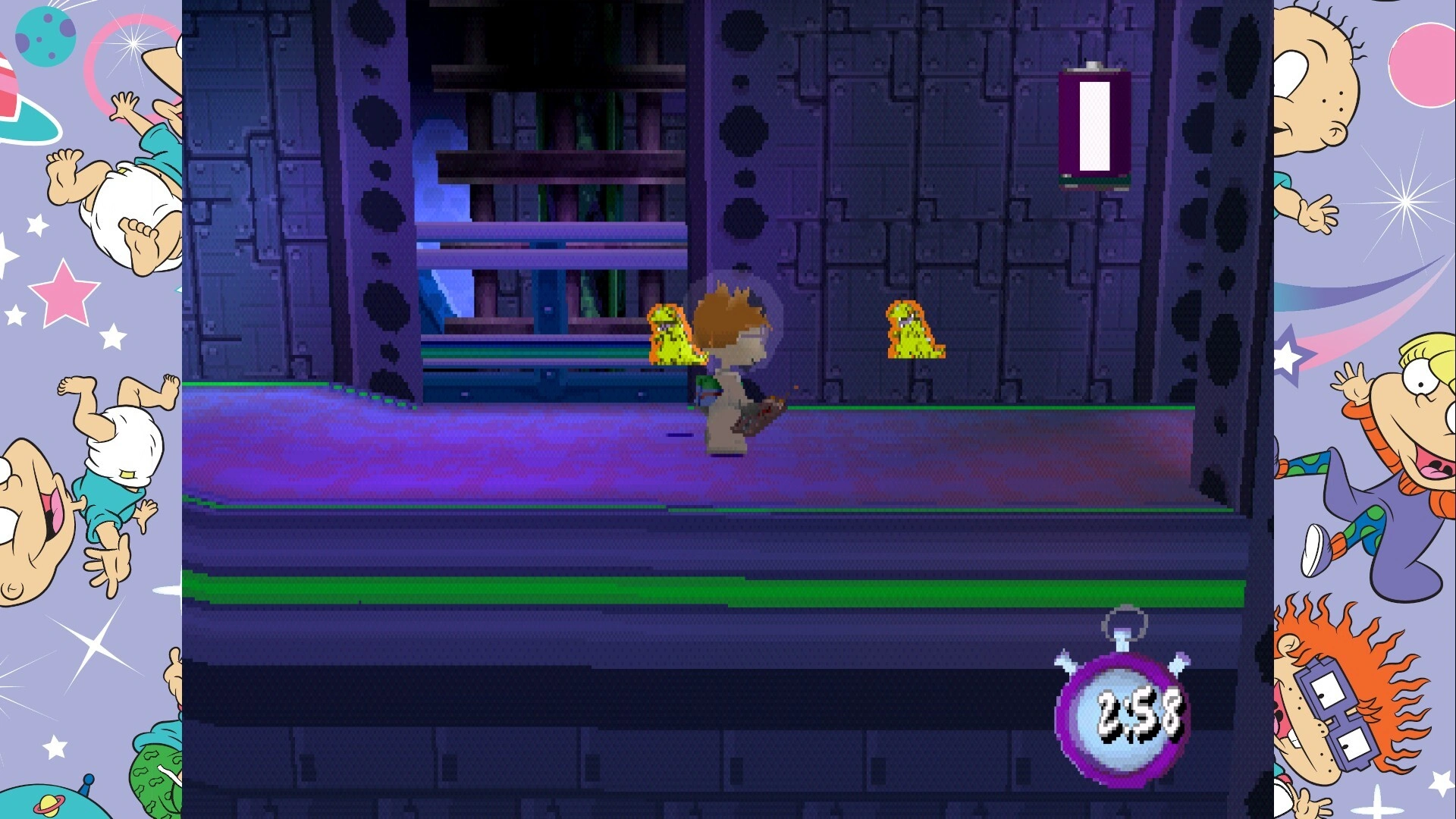
Visual customization options help recreate a retro display style. The collection includes CRT monitor simulation lines that soften the harsh pixels of the 32-bit console games, along with dot-matrix overlays that imitate the original Game Boy screens. The display borders feel poorly integrated into the presentation, and they sometimes clip character graphics and text along the edges of modern monitors.
A detailed virtual museum menu provides the historical bonus material. A dedicated music player lets users browse the soundtracks, and a high-resolution gallery includes authentic scans of the original physical instruction booklets. These scans preserve tactile details from the printed manuals, including page creases, folds, and small signs of wear. For players with affection for that era of gaming documentation, this material delivers one of the collection’s clearest nostalgia hooks.
The Review
Rugrats: Retro Rewind Collection
The Rugrats: Retro Rewind Collection functions effectively as a historical preservation project, but it falls short as a polished modern product. Dedicated fans of the original 90s television series will appreciate the chance to access these seven games, particularly through the inclusion of highly detailed digital instruction manuals and useful emulation features like instant rewind. However, severe technical shortcomings ruin the broader experience. The 3D home console titles suffer from prominent input lag, frustrating camera angles, and unoptimized visual upscaling that highlights structural flaws in the dated code. The handheld section remains mostly weak, outside of the visually charming Game Boy Advance entry.
PROS
- Includes a helpful ten-second rewind buffer
- High-resolution digital museum booklets
- Castle Capers provides polished 2D gameplay
CONS
- Severe input lag on 3D console games; erratic audio level fluctuations
- Broken tutorial button prompts