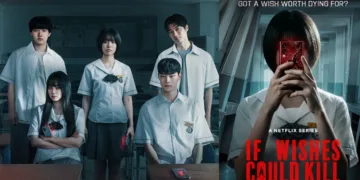


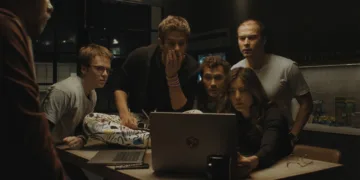





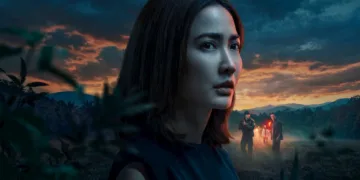







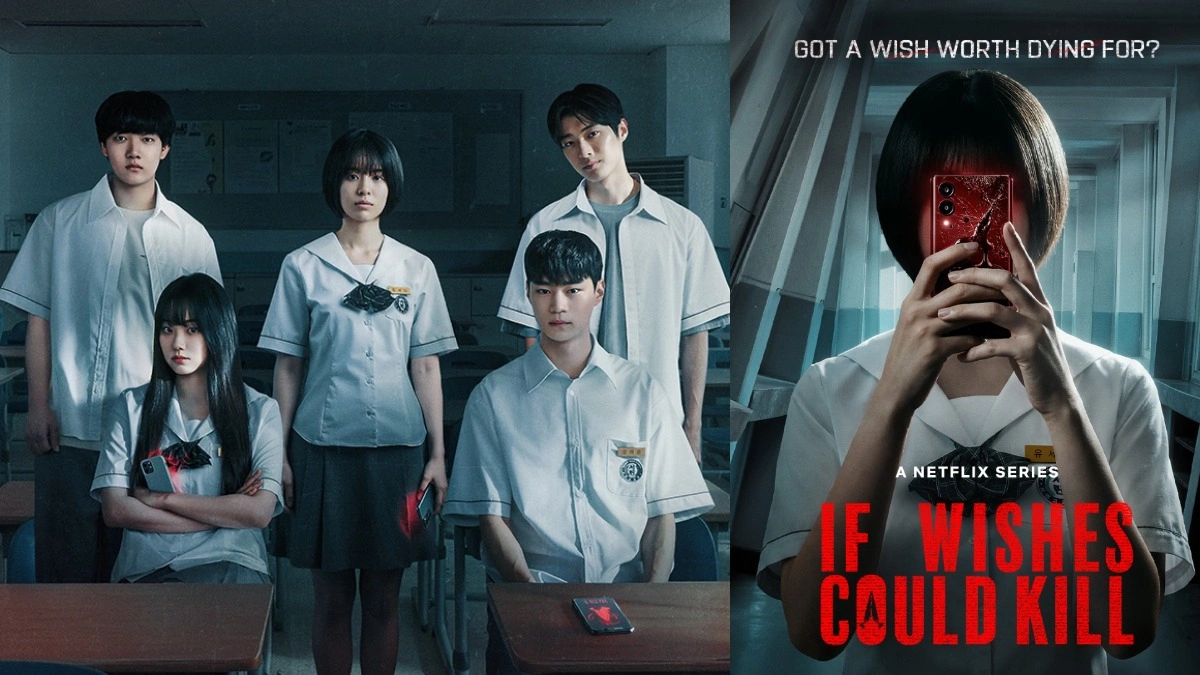

South Korea’s latest export, If Wishes Could Kill, makes a sturdy case that your smartphone has been quietly auditioning as a death portal. The story opens with a grim 2005 flashback involving a student, a knife, and a wish with fatal staying power.
Twenty years later, the curse resurfaces at Seorin High through a suspicious app called Girigo. Five teens are pulled into a run of supernatural chaos where ambition comes with a burial plot. Yoo Se-ah and her circle learn that digital convenience carries a horrific price tag.
The show fuses adolescent romance with genuine scares, turning a simple download into a life-ruining decision. Its structure keeps teen anxiety pressed against a literal ticking clock, which gives each emotional beat a sharp deadline.
These characters face an occult force that turns mobile tech into a weapon. The story studies how social pressure and individual greed can spark damage no device can repair. Getting what you want here often means watching everything else disappear.
Fatal Terms of Service
Signing up for Girigo takes commitment, which is already a red flag in app culture. Users must enter their name and saju, their Four Pillars of Destiny, then record a sincere video wish. The ritual ties fate to software with chilling efficiency. Once the wish is sent, a 24-hour countdown begins on the screen.
Choi Hyeon-wook becomes the warning label for anyone who skips the fine print. Desperate to escape his academic slump, he uploads his soul and waits. The show handles the dread of that timer with cruel precision. Each second feels like a tap on the coffin lid. When his body starts twisting and contorting in front of his classmates, the horror shifts from the screen to the flesh.
His screams in the middle of an ordinary math class give the scene its nasty bite. Some debts demand payment in blood. The splash during his final moments makes the stakes painfully clear. This app grants answers by taking lives. The user usually supplies the sacrifice. The ritual dates back to 2005, confirming a legacy of death has found a new platform.
Group Projects Can Be Murder
The social web at Seorin High is as knotted as Girigo’s code. Se-ah and Geon-woo share a sweet elevator romance that feels grounded, the kind of soft teen moment horror loves to place near a trapdoor. Their affection lights a quiet fire in Na-ri, who hides her own feelings for Geon-woo.
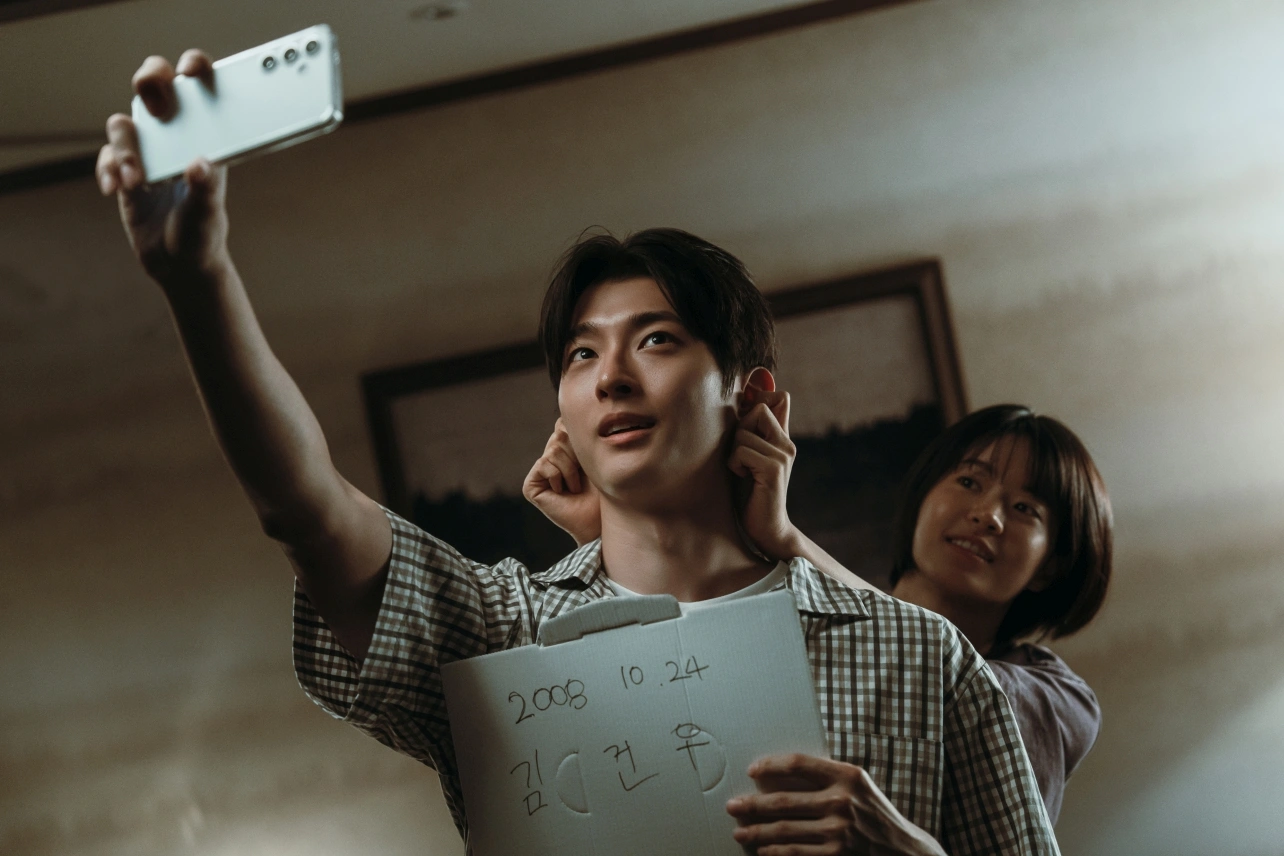
The app thrives on those fractures. It feeds on envy, silence, and the resentment tucked behind friendly smiles. Kang Ha-joon tries to play hero with his brain and laptop, applying logic to a crisis that ignores every law of physics. Admirable plan.
Terrible universe. Jeon So-young and Kang Mi-na deliver standout work, catching the raw fragility of being seventeen and terrified. Seorin High gives the horror a fitting stage. High school already runs on pressure, status, and dread of failure.
Students like Hyeon-wook reach for supernatural shortcuts because ordinary defeat feels impossible to carry. Skepticism collapses once the first body drops. Friendship gives way to paranoia as the group watches its circle shrink. In a matter of hours, they go from mocking the app to fearing the glow of their own phones.
Old Gods in New Apps
Director Park Youn-seo and writer Park Joong-seop bring real heft to the project. Their history with hits like Kingdom and Moving shows in the show’s technical polish. Ancient Korean shamanism merges with modern screens through figures like Ha-young and Bang-wool. Ritual symbols keep the atmosphere unsettled. Offerings to snakes and birthdates carved into stone walls give the digital scares an older, nastier root.
The visual style plays sunny classrooms against the pitch-black void of the curse, making each supernatural intrusion feel jagged and wrong. Editing keeps the countdown moving with anxious force, while the sound design lets every tick feel like an accusation.
The show sends a pointed message about youthful impulsiveness. These kids chase quick validation in a world that demands everything from them. The season’s frantic energy comes from that ticking clock, a structural device that turns desire into suspense. It leaves a sharp question hanging in the air: would someone trade a future for one perfect moment, and is a pulse a fair price for a dream?
If Wishes Could Kill premiered globally on Netflix on April 24, 2026, as the platform’s first original South Korean young adult horror series. Directed by Park Youn-seo, known for his work on Moving and Kingdom, the eight-episode thriller follows a group of students at Seorin High School who become trapped in a supernatural curse after using a mysterious wish-granting app called Girigo. The series is currently available for streaming exclusively on Netflix, where it has quickly gained attention for its blend of high-stakes teen drama and visceral occult horror.
Where to Watch If Wishes Could Kill Online


Full Credits
Title: If Wishes Could Kill
Distributor: Netflix
Release date: April 24, 2026
Rating: TV-MA
Running time: 36–52 minutes per episode
Director: Park Youn-seo
Writers: Park Joong-seop
Producers and Executive Producers: CJ ENM Studios, Kairos Makers
Cast: Jeon So-young, Kang Mi-na, Baek Sun-ho, Hyun Woo-seok, Lee Hyo-je, Jeon So-nee, Roh Jae-won, Kim Si-a, Park Soo-oh, Jo Wan-Ki, Yoon Sa-Bong
The Review
If Wishes Could Kill
If Wishes Could Kill succeeds by grounding its supernatural scares in the palpable dread of teenage life. The direction is crisp and the acting from the young cast stays grounded. While the central premise of a cursed app feels well-worn, the inclusion of shamanistic lore offers a refreshing bite. The story occasionally chooses drama over pure horror, yet the suspense keeps you watching. It is a sleek, effective ride for anyone who enjoys digital nightmares.
PROS
- Exceptional performances from Jeon So-young and Kang Mi-na.
- Creepy shamanistic lore that adds depth to the digital curse.
- Strong visual contrast between school life and occult sequences.
- Tense, effective direction from a seasoned production team.
CONS
- Familiar horror tropes that some viewers may find predictable.
- Heavy reliance on exposition in the final episodes.
- Secondary characters receive significantly less development.