



![Kingdom Hearts Collection [I-III] Review](https://gazettely.com/wp-content/uploads/2026/10/Kingdom-Hearts-Collection-I-III-1-360x180.webp "Kingdom Hearts Collection [I-III] Review: KHII Holds Steady as Newer Entries Fluctuate 33")





We’ve all been there, scrolling through dating profiles, trying to engineer the perfect connection based on a few curated photos and a witty bio. It speaks to a very modern anxiety: the desire to eliminate risk from romance, to know the outcome before we invest our time and emotions. Futra Days takes this impulse to its logical, sci-fi extreme.
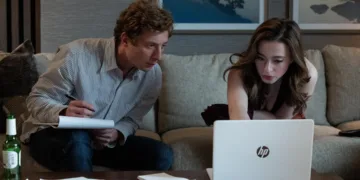
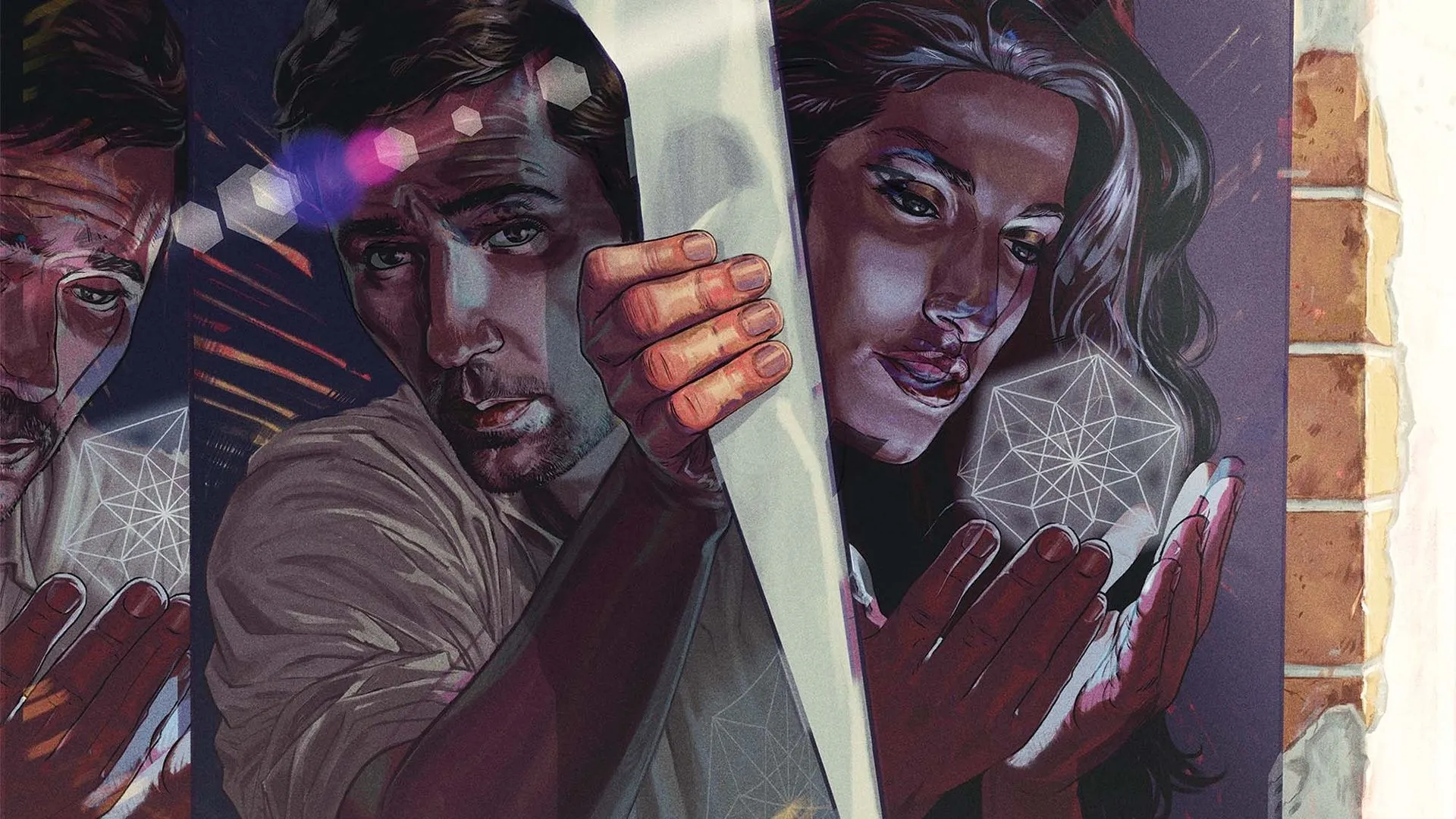
The film introduces us to Sean, a Los Angeles music producer who meets Nichole, an aspiring singer with an infectious energy. Their initial spark is undeniable. But instead of letting things unfold, Sean enlists the help of an experimental clinic that promises to send him into the future. His goal is to see if Nichole is his destiny. This quiet, introspective indie film sets itself up as a thoughtful exploration of love in an age that demands certainty.
The Human Element in the Machine
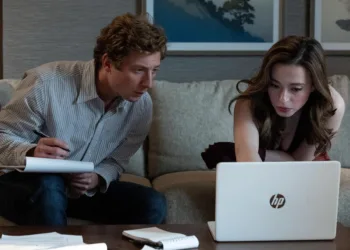
A high-concept film lives or dies by its human core, and this is where Futra Days finds its soul. The story is entirely anchored by the authentic and electric connection between Brandon Sklenar’s Sean and Tania Raymonde’s Nichole. Their relationship isn’t a simple romance; it’s a living, breathing organism that grows and decays on screen.
In their early scenes, there’s a palpable power dynamic—he’s the established producer, she’s the raw talent—that feels true to the creative ecosystem of a city like Los Angeles. The film excels in capturing the small, unsaid moments that define a partnership. Their interactions feel completely natural, reminding me of the raw, unpolished intensity found in the best independent dramas, where performance is paramount.
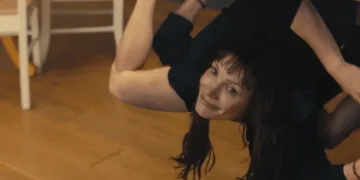
While Sklenar skillfully charts Sean’s path from a confident, almost controlling figure to a man unmoored from his own life, it is Tania Raymonde who is the film’s revelation. She possesses a captivating screen presence, infusing Nichole with a spirit and emotional depth that grounds the entire picture, even when the plot spirals into abstraction.
Her performance makes Nichole more than a passive subject of Sean’s experiment; she is a vibrant person whose own agency and disillusionment become central. You see the light in her eyes dim with each of Sean’s manipulations, a subtle but powerful choice. The film is at its absolute best when it quiets its conceptual noise and simply allows us to watch these two people navigate the messy, beautiful, and often painful reality of being together.
A Story Told in Echoes
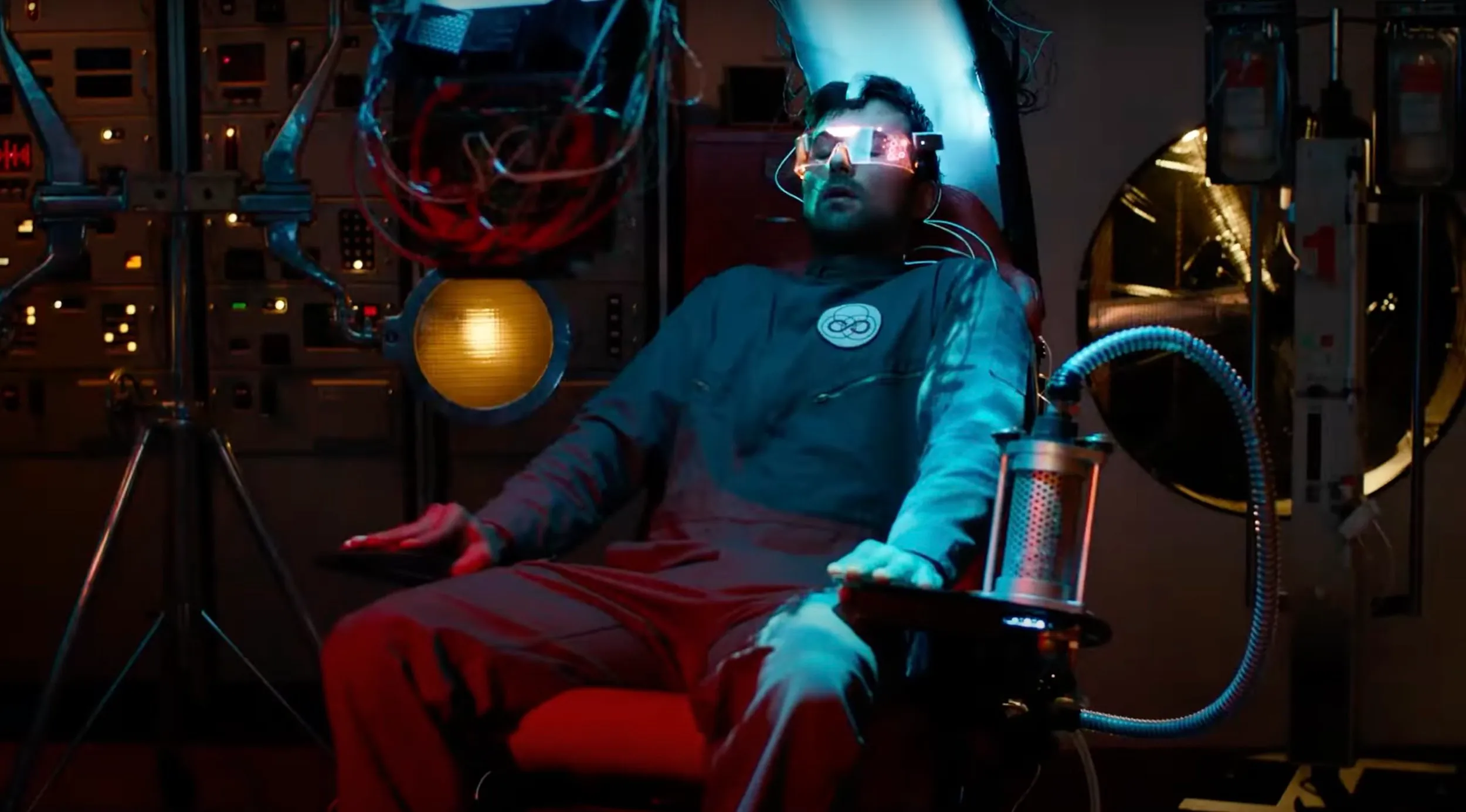
The film’s primary storytelling engine is a time-travel procedure offered by the “Lage Door” clinic, a name that winks at surrealist cinema. Run by Rosanna Arquette’s vaguely unsettling Dr. Walter, the clinic feels less like a sterile lab and more like a back-alley operation, which perfectly suits the film’s lo-fi aesthetic.
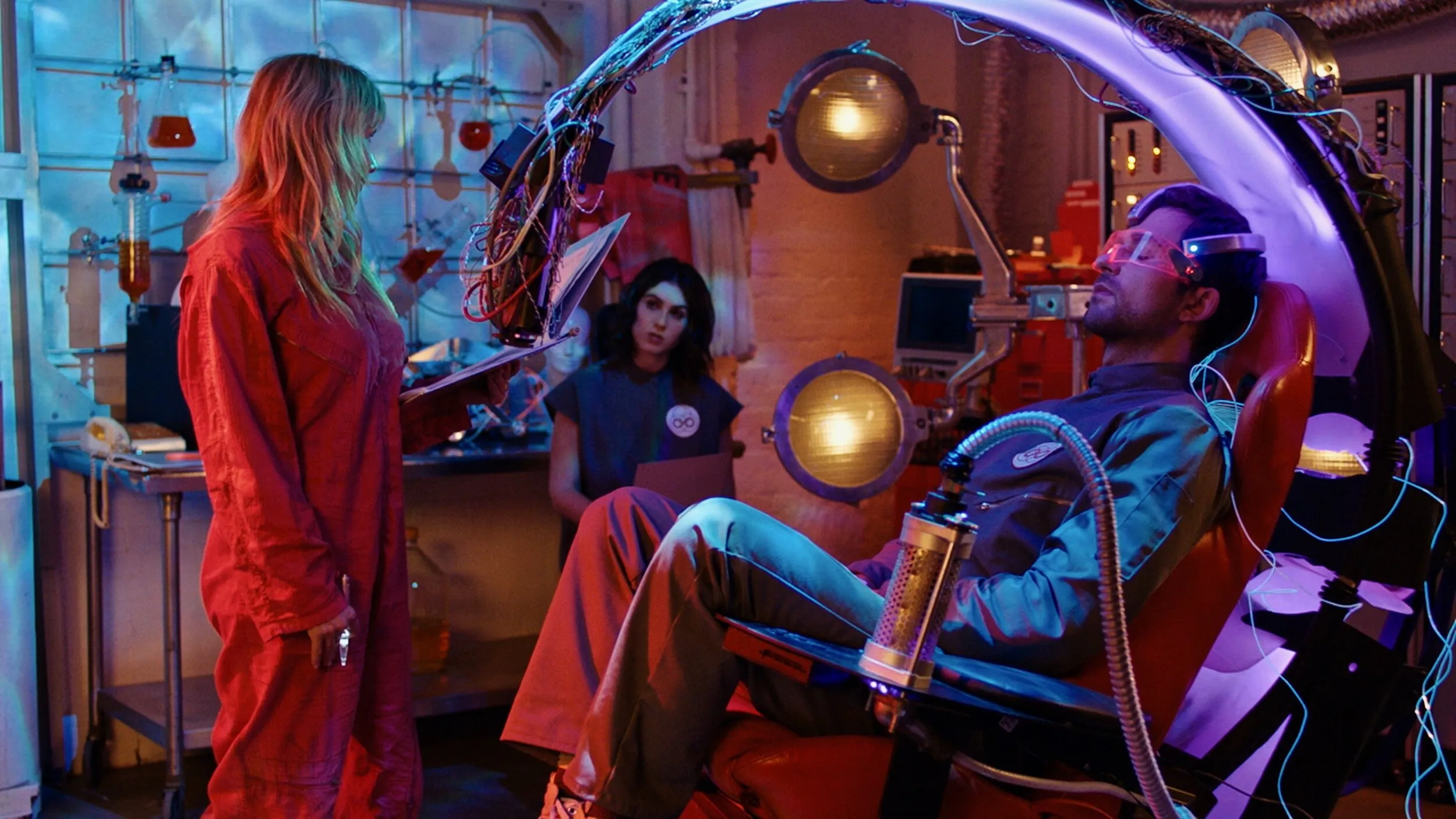
Sean’s jumps through time are not clean; they are messy, disorienting, and destructive. The narrative rejects a straight line, opting instead for a fractured, looping structure where Sean’s interference creates paradoxes and confusion. We often see scenes replayed with slight, unnerving variations, forcing us to question which reality is the “real” one. This is a bold way to tell a story, reflecting a trend in modern indie film to challenge audience expectations.
However, the choice is not without its drawbacks. The complex mechanics and a persistent, philosophical voiceover sometimes work against the emotional clarity established by the actors. These monologues, touching on time and consequence, occasionally state what the performances are already showing us far more effectively. The intricate plot can feel like it is in a constant battle with the characters for focus.
We see Sean lose his sense of identity as his reality warps, culminating in a fascinating reversal where he becomes the dependent partner living in the shadow of Nichole’s success. It’s a fantastic idea about the nature of identity and relationships, yet it gets tangled in a narrative web of the film’s own making. The film gambles that its intellectual ambition can support its human drama, a risk that yields mixed results.
Beauty in the Static
For a film made on a shoestring budget, Futra Days possesses a remarkable visual confidence. It’s a testament to a specific kind of indie filmmaking that prioritizes invention over resources. The cinematography is a key part of the storytelling.
An opening sequence explodes in a kaleidoscopic rush of images, and the film is peppered with split screens and intentional visual glitches. These choices are not stylistic flair for its own sake. The split screens often show Sean and Nichole in separate spaces, physically illustrating the emotional distance growing between them.
The visual static and image degradation feel like watching a worn-out VHS tape, a perfect analogy for memory’s fallibility and the film’s theme of a corrupted timeline. These techniques effectively place us inside Sean’s fractured mind.
The frequent use of stark black-and-white photography adds to the dreamlike, dislocated atmosphere, visually separating memory from reality, or perhaps one reality from another. This artful construction, combined with sharp editing that makes the cityscape feel both intimate and alienating, creates an aesthetic that is both beautiful and unsettling. The film proves that a powerful vision does not require a Hollywood budget to be fully realized.
Futra Days is a drama, romance, and sci-fi film released in the United States on October 29, 2024.
Full Credits
Director: Ryan David
Writers: Ryan David
Producers and Executive Producers: David Zonshine, Ryan David, Orian Williams, Alex Gittelson, Scott Martin, Jack Sheehan, Jonathan Sheldon, Michael Thomas Slifkin, James J. Yi
Cast: Tania Raymonde, Brandon Sklenar, Rosanna Arquette, Jordan Christian Hearn, Emily McEnroe, Kimberly Estrada, Kenny Copeland Jr., Martica De Cardenas
Director of Photography (Cinematographer): Farhad Ahmed Dehlvi
Editors: Matthew Johnston
Composer: Dhani Harrison, Paul Hicks
The Review
Futra Days
Futra Days is a film with a brilliant, beating heart. The central romance, powered by two captivating lead performances, is deeply affecting. While its ambitious, time-bending plot can become tangled and threaten to obscure this emotional core, the film's bold visual language and stylistic confidence make it a noteworthy piece of independent cinema. It's a romance wrapped in a puzzle box; a beautiful, if sometimes frustrating, creation.
PROS
- Excellent, authentic chemistry between the lead actors.
- A truly standout performance from Tania Raymonde.
- Confident and inventive low-budget visual style.
- Successfully captures the mood of a specific LA creative scene.
CONS
- The complex sci-fi plot can feel convoluted.
- Narrative ambition sometimes overshadows the human story.
- Philosophical voiceovers can be heavy-handed.