










A cinematic resurrection is always a precarious act, a summoning of ghosts from a past era into the stark light of the present. So it is with Noah’s Arc: The Movie, which pulls its characters from the sun-drenched, culturally formative landscape of mid-2000s television.
That original series was a landmark, a necessary inscription of Black gay life into the popular narrative. This film finds those men—Noah, Alex, Ricky, and Chance—two decades on, their lives etched with the familiar pressures of success and the disquiet of middle age. They are echoes of their former selves, refracted through the prism of time.
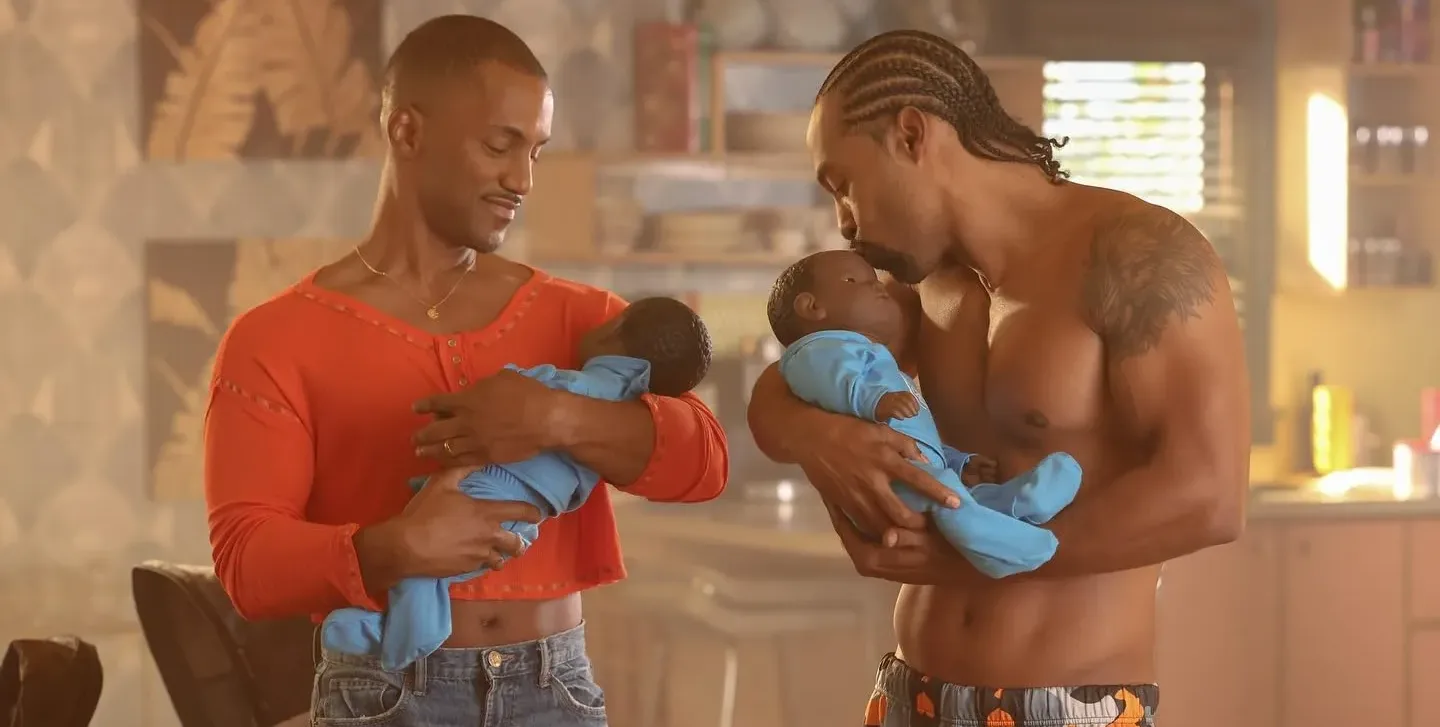
The central apparatus for this existential audit is the impending fatherhood of Noah and his husband Wade. An event that should be a beginning instead functions as a catalyst for interrogation, forcing a confrontation with the men they have become and the ambitions that still flicker within the architecture of their established lives. It is a reunion, yes, but one shadowed by the quiet hum of choices made and paths not taken.
The Uncanny Cradle and Other Fractured Fables
The film’s narrative engine is the classic dilemma of personal ambition versus domestic consolidation, a crossroads where the self threatens to diverge from the unit. For Noah, the writer, a career-defining project beckons—a chance to script a story for a global icon, the kind of legacy work that promises a form of immortality.
For Wade, the producer, the opportunity is grounded in mentorship; he takes on 2-Tone, a young, volatile rapper whose raw talent is matched only by his capacity for self-sabotage. This creates a fascinating, if underexplored, ethical tension between crafting a polished myth for the elite and nurturing a flawed, authentic voice from the street.
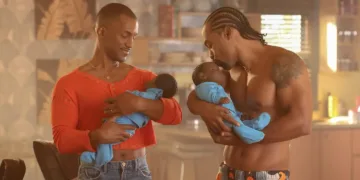
Their conflict is externalized in a peculiar, almost Lynchian device: the hyper-realistic practice dolls they must parent. These uncanny effigies, with their programmed cries and synthetic needs, are more than a source of comedy. They are simulacra of responsibility, objects that allow the men to rehearse fatherhood without confronting its terrifying, unscripted reality.
Also Read




The film uses them to generate friction, but in doing so, it keeps the true, messy, and profound stakes of parenthood at a safe, sterile distance. Around this central drama, other lives spin in fractured orbits. Chance’s marriage to Eddie corrodes from within, a quiet domestic noir playing out in sidelong glances and unspoken resentments.
Alex, the one-time “mama bear,” now navigates the complex territory of parenting a transgender teen, a storyline rich with potential that is only briefly touched upon. Most hauntingly, Ricky receives a grave health diagnosis, a confrontation with the void that the film itself seems afraid to hold in its gaze for more than a fleeting moment. Each subplot is a fragment, a glimpse into a separate moral labyrinth that the film introduces but hesitates to map.
A Ghost in the Machine: On Cinematic Form
A curious dissonance haunts the film’s visual grammar, creating a schism between subject and style. The aesthetic is stubbornly rooted in its television origins, rendered in the flat, high-key lighting of a 2005 sitcom. This visual language becomes an antagonist to the material.
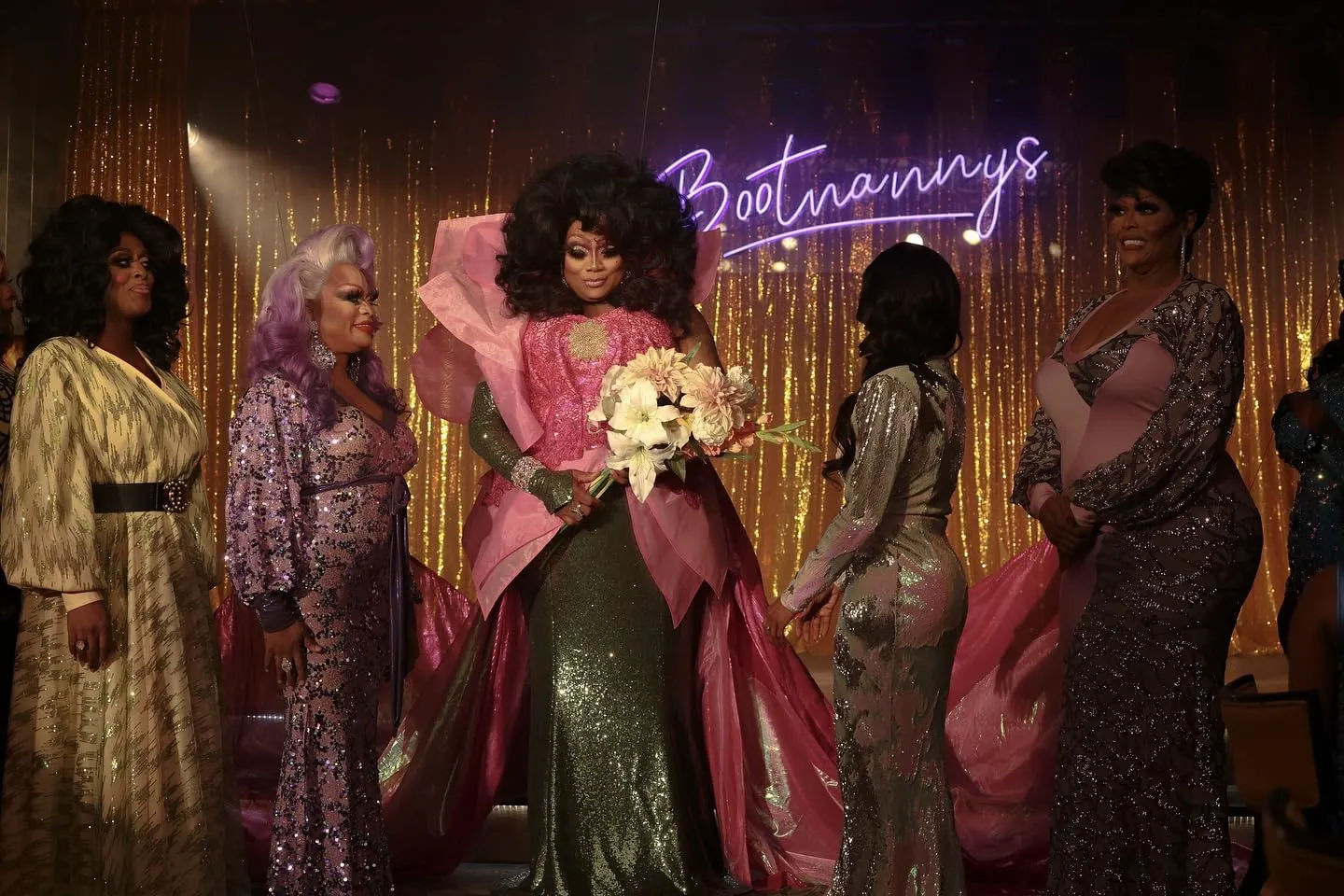
Where the story presents men grappling with mortality, marital decay, and existential doubt, the cinematography offers no shadows to conceal or reveal. There is no chiaroscuro to sculpt the fear on a character’s face during a late-night confession; no claustrophobic, expressionistic framing to externalize the psychological pressure of their choices.
The lighting remains bright, even, and emotionally inert. The camera’s gaze is observational but rarely penetrating, cataloging events with the dispassionate air of a security feed rather than interpreting them with the eye of an artist.
This stylistic choice exacerbates a severe tonal arrhythmia. The film lurches between the earnestness of a domestic drama, the broad strokes of physical comedy, and the winking performance of camp, never settling into a coherent rhythm. The psychological effect on the viewer is one of whiplash, preventing any sustained emotional investment.
A scene of genuine marital strife might be immediately followed by a gag involving a crying doll, a jarring transition that deflates the accumulated tension. Consequently, its most potent narrative threads suffer from a kind of narrative ellipsis.
By fast-forwarding through Ricky’s health crisis or sidestepping the deeper implications of Alex’s family life, the film abdicates its responsibility to explore the very questions it raises. These are not merely underdeveloped plots; they are missed opportunities for profundity, leaving the viewer with the distinct impression of a story not just overstuffed, but emotionally evasive.
A Film for the Faithful
Ultimately, the film functions less as a self-contained narrative and more as an act of communal reflection, a séance for a specific congregation. Its primary audience is not the uninitiated but the devoted, those who have carried these characters with them for two decades.
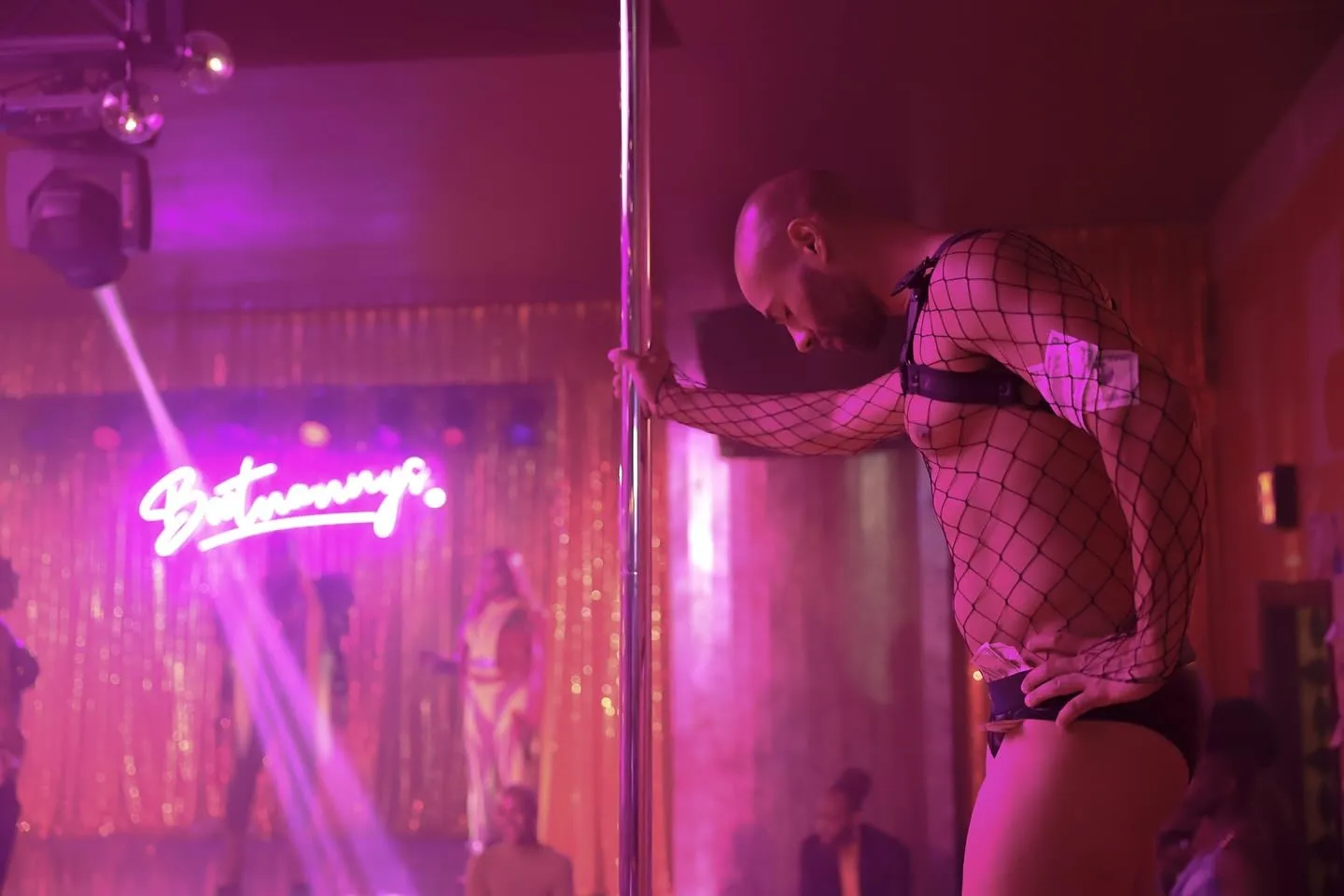
For this viewer, the film is a mirror, and its profound cultural value lies in this very act of seeing: a rare depiction of Black gay men in middle age, their lives not frozen in the amber of youth but continuing with all the requisite complications.
The joy here is one of recognition, not discovery—a comforting affirmation that “we are still here.” The experience is akin to looking at a collection of aged photographs, with each scene triggering a cascade of memories from the original series.
This dynamic positions the movie as a reliquary, a container of cherished memories whose power is directly proportional to the viewer’s prior investment. Inside are the artifacts of a shared history: inside jokes, remembered heartbreaks, and celebrated triumphs.
For the faithful, its flaws in execution are beside the point; the purpose is the ritual of reunion itself. Newcomers, on the other hand, will likely find themselves observing these rituals from a distance, unable to access the emotional core that animates the proceedings.
They are watching a closed loop of call-and-response, a cinematic language to which they do not have the key. The film, therefore, succeeds perfectly at what it appears to be: a tender, if imperfect, epilogue that honors its legacy by speaking directly, and almost exclusively, to those who helped build it.
Noah’s Arc: The Movie premiered on June 20, 2025, on the Paramount+ streaming service. It is available to stream on Paramount+ with Showtime.
Full Credits
Director: Patrik-Ian Polk
Writers: John R. Gordon, Patrik-Ian Polk, Rikki Beadle Blair
Producers & Executive Producers: Dwight Allen O’Neal, Patrik-Ian Polk, Alexander Motlagh, Rikki Beadle-Blair, John R. Gordon, Christina Northrup
Cast: Darryl Stephens, Rodney Chester, Doug Spearman, Christian Vincent, Jensen Atwood, Wilson Cruz, Gregory Kieth, Mariyea
Composer: Matt Head
The Review
Noah's Arc: The Movie
A deeply uneven but heartfelt exercise in nostalgia, Noah's Arc: The Movie functions as a séance for its devoted followers. It successfully resurrects the warmth and cultural importance of its characters, offering a rare and valuable glimpse into the later lives of Black gay men. However, its artistic execution falters, hampered by a dated visual style and a crowded narrative that shortchanges its most compelling dramatic ideas. A film whose significance is measured more by its presence than its performance, this is a reunion for insiders only; a flawed gift for the faithful.
PROS
- A welcome and nostalgic reunion for fans of the original series.
- Continues the important legacy of on-screen representation for Black gay men.
- The core cast exhibits a genuine chemistry born from a long shared history.
CONS
- A dated, flat visual style that fails to serve the dramatic themes.
- An overstuffed plot with rushed and emotionally underdeveloped storylines.
- Jarring tonal shifts between serious drama, broad comedy, and camp.