




















There’s a question that sits at the foundation of countless stories: what would you do to the person who wronged you if you had the chance? David Valero’s Spanish drama Enemigos takes this thought experiment and strips it of all fantasy, planting it firmly on the harsh, sun-beaten streets of Alicante.
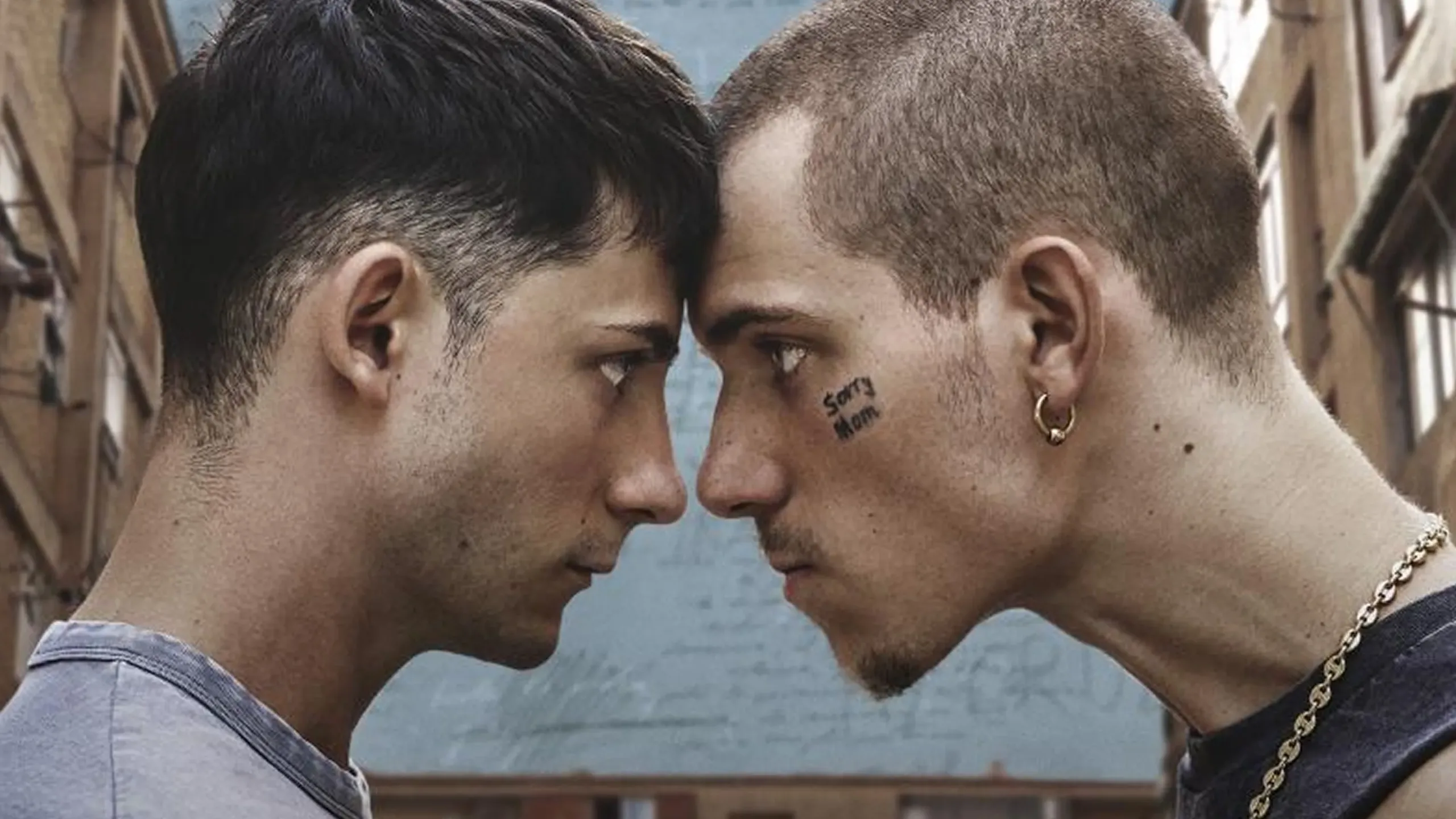
We meet two young men locked in a grim orbit: Chimo, a quiet teenager whose limp makes him a permanent target, and Rubio, the aggressor who has made Chimo’s life a living hell. The film presents their world as one where hostility is the default setting. A sudden, jarring twist of fate completely upends their dynamic, forcing Chimo to decide between continuing a cycle of hate or finding a different path.
The Geography of Fear
Enemigos spends its opening act carefully building a world of routine misery, one that feels both specific to its Spanish working-class setting and universally recognizable. Chimo’s life is a map of avoidance. He navigates his delivery job with the constant, gnawing threat of Rubio hanging over him. He compares himself to the Roadrunner, perpetually fleeing a predator who is meaner and more relentless.
His reality is shaped by a quiet nature and a physical vulnerability that his tormentor exploits without mercy. At home, he is a focal point of loving but conflicting pressures. His mother, Carmen, offers gentle, philosophical wisdom about the nature of bravery, while his sister, Lola, is a raw nerve of frustration, furious at his passivity and unable to comprehend why he will not fight back or go to the police.
This family dynamic paints a realistic picture of the impossible situation victims of sustained abuse often face, caught between advice to turn the other cheek and demands to stand up for themselves. Rubio’s aggression is not the stuff of simple schoolyard scuffles; it’s a sustained campaign of physical beatings, casual theft, and deep psychological warfare delivered with a chilling lack of concern that is deeply unsettling.
The ultimate humiliation arrives when Rubio’s gang steals Chimo’s new moped, a hard-earned symbol of his freedom and a gift from his mother. The assault is filmed and posted online, a distinctly modern form of degradation that amplifies the shame exponentially. Chimo is forced to watch the video of his own debasement repeatedly, a digital ghost of his powerlessness that cements his despair.
The Stillness of Power
The film’s narrative engine ignites in a place of healing and sickness: a hospital. This setting, a sterile environment meant for recovery, becomes the stage for a deeply ironic reversal. While taking his grandfather for physical therapy, Chimo hears a familiar voice spitting profanities from a nearby room.
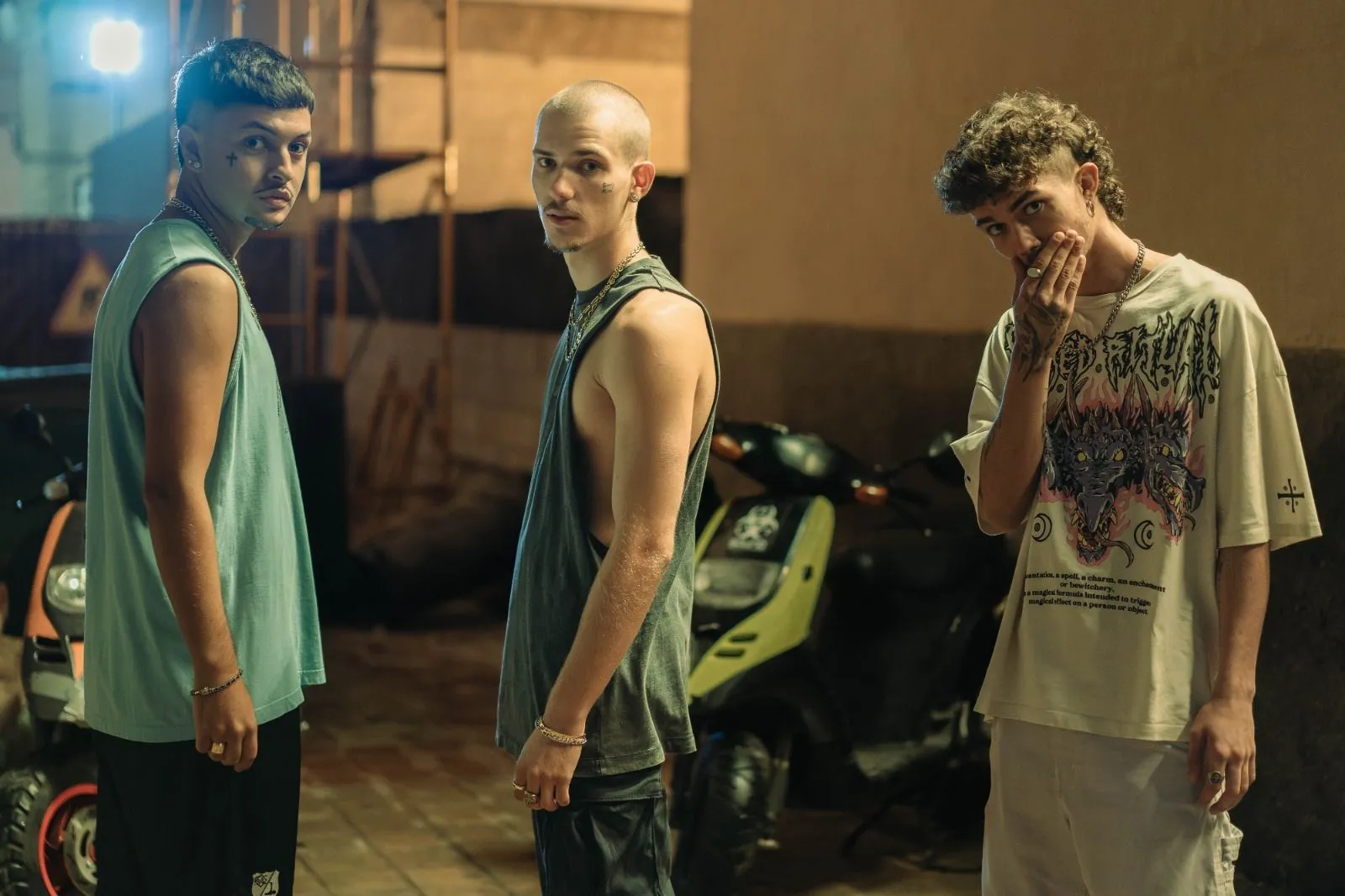
There he discovers Rubio, the boy with “H-A-T-E” tattooed on his knuckles, now a quadriplegic. In a moment of bitter cosmic justice, he crashed the stolen moped. The transfer of power is absolute and immediate. Rubio is physically helpless, a prisoner in his own body, yet his hateful spirit remains undiminished.
He greets Chimo with a tirade of insults, showing no humility or remorse. His only remaining weapon is his voice, and he wields it with the same old venom. All physical power has transferred to Chimo. The threat that defined his existence is gone, replaced by a strange, heavy, and complex opportunity. Chimo’s reaction is not one of explosive catharsis.
The film wisely chooses a path of quiet, internal contemplation. He processes. He finds Rubio’s apartment and confronts him, seeking not violence, but an apology, a simple acknowledgment of wrongdoing.
He is met only with more verbal abuse. His subsequent decision to start training at a local boxing gym is a rich, symbolic act. He is not just building muscle to face a non-existent physical threat; he is physically manifesting an internal search for the confidence and agency he was never allowed to have. It is a reclamation of his own body and will.
No Easy Answers on These Streets
This is where Enemigos firmly departs from the path of the standard revenge thriller. The film is less interested in the bloody satisfaction of vengeance and more in the moral corrosion it causes. It places the audience squarely in Chimo’s position, asking us to sit with his discomfort and consider what we would do. There are no simple solutions offered on these streets.

The film’s guiding principle seems to come from Chimo’s mother, whose advice feels like an ancient truth spoken into a modern crisis: “The brave one is the one who can do something, but doesn’t.” As Chimo stands over his helpless tormentor, the clean labels of victim and perpetrator begin to blur and feel insufficient.
The story presents hatred as a shared burden, a poison that sickens both the person who wields it and the person who endures it. Valero makes a strong case for his characters being products of their environment.
The raw, working-class neighborhood feels like an active participant in their story, a place of limited opportunity where aggression is a primary form of communication. The film subtly suggests a contrast between Chimo’s home, which is filled with love even amidst struggle, and the implied emptiness of Rubio’s life, hinting that violence is often bred in the absence of care.
Forged in Grit and Shadow
David Valero’s direction is confident and refreshingly direct, bringing an almost documentary-like realism to the drama. The film’s style is indebted to Spain’s “quinqui” cinema of the 70s and 80s, a gritty genre focused on juvenile delinquency. Valero thoughtfully updates that tradition with a contemporary sensibility, trading frenetic action for a quiet, observational tension.

This atmosphere is amplified by Alberto Pareja’s magnificent cinematography. The visual palette of dirty grays and electric blues drains the warmth from the Spanish sun, creating a world that feels emotionally hostile and unforgiving. Dense shadows in apartment hallways and claustrophobic close-ups trap the characters in their difficult reality, giving the audience no escape.
The urban rap soundtrack works almost like an internal monologue, its beats mirroring the agitated pulse of the story and giving voice to the characters’ unspoken frustrations. The performances are superb across the board. Christian Checa gives a wonderfully contained portrayal of Chimo, communicating years of pain and burgeoning strength with a clenched fist or a steady gaze.
Opposite him, Hugo Welzel avoids caricature, showing the fear and insecurity beneath Rubio’s aggression, a difficult feat for an actor who must convey immense complexity while being physically immobilized. Estefanía de los Santos also stands out, delivering a powerful performance as Chimo’s mother, a source of authentic tenderness and strength who feels like the film’s moral anchor.
A Heavy Question, Quietly Asked
The film’s greatest strength is its unflinching, patient examination of its central moral premise. Supported by two excellent lead performances and a palpable, gritty atmosphere, it presents a difficult scenario without offering easy resolutions.
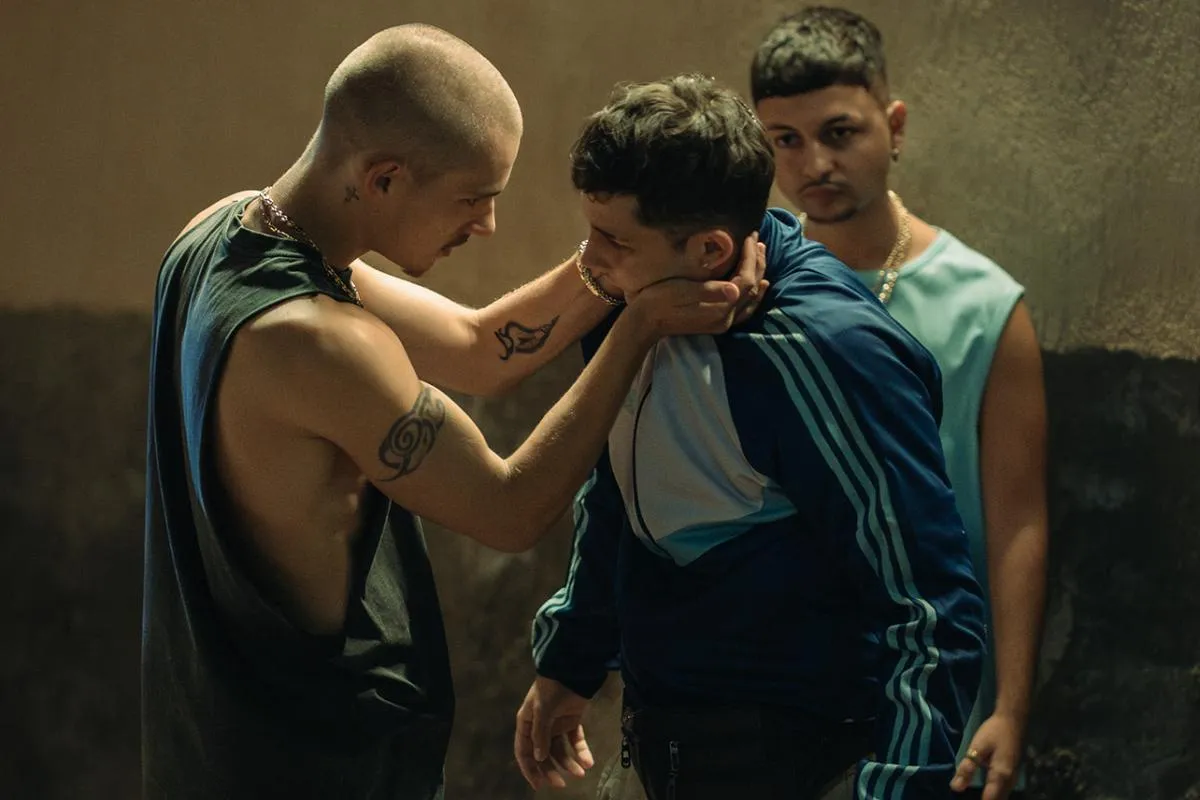
This is a film that demands patience from its audience. Its deliberate, meditative pace may feel slow to viewers accustomed to more conventional dramatic pacing, but the slowness is purposeful, allowing the weight of Chimo’s choice to properly settle. The narrative progression may seem predictable to some, but this feels less like a flaw and more like a conscious choice to prioritize character psychology over plot twists.
The film’s conclusion, while emotionally resonant, also risks feeling a bit too neat, potentially tidying up a messy human problem in a way that some might find artificial. Enemigos is an intelligent and authentic drama. It succeeds as a tense character study focused on the arduous path away from retribution, leaving the audience to ponder the true definition of strength long after the credits roll.
“Enemigos” is a 2025 Spanish drama and thriller film that premiered at the Málaga Film Festival on March 15, 2025, and had a wider release in Spain on May 9, 2025. It was later released in the United States and other countries via internet on August 29, 2025 and is available to stream on platforms like Amazon Prime Video.
Full Credits
Director: David Valero
Writers: David Valero, Alfonso Amador
Producers: José Antonio Félez, Alberto Félez
Executive Producers: Alberto Félez, Cristina Sutherland, David Castro González, Ellen Fichtner, Maria Contreras, David Valero
Cast: Christian Checa, Hugo Welzel, Estefanía de los Santos, Luna Pamiés, Sara Vidorreta, José María Peinado, José Manuel Poga
Director of Photography (Cinematographer): Alberto Pareja
Editors: José M. G. Moyano, David Valero
Composer: Steve Lean
The Review
Enemigos
Enemigos is a powerful and intelligent drama that forgoes easy thrills for a patient, unflinching look at the moral weight of revenge. Anchored by two outstanding lead performances and a palpably gritty atmosphere, the film poses a difficult question and has the courage to explore it without simple answers. While its deliberate pace demands patience, this is a rewarding and resonant character study that lingers long after the credits.
PROS
- A thoughtful and challenging moral premise that avoids easy answers.
- Powerful, contained lead performances from Christian Checa and Hugo Welzel.
- An authentic, gritty atmosphere established through strong direction and cinematography.
- Successfully subverts the expectations of a typical revenge-thriller.
CONS
- The deliberate and slow pacing may not appeal to all viewers.
- Its narrative progression can feel predictable at times.
- The ending might seem too tidy or artificial for the complex issues raised.